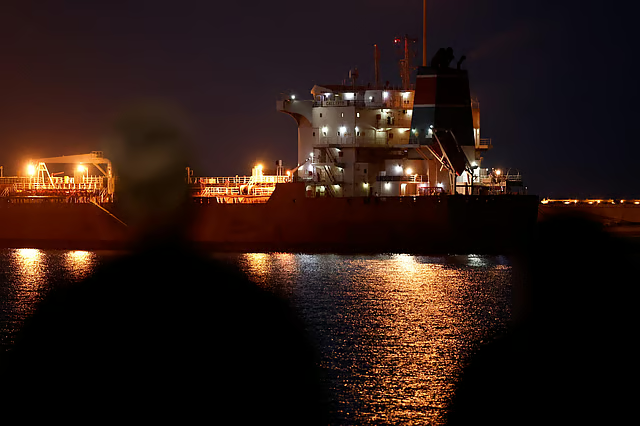
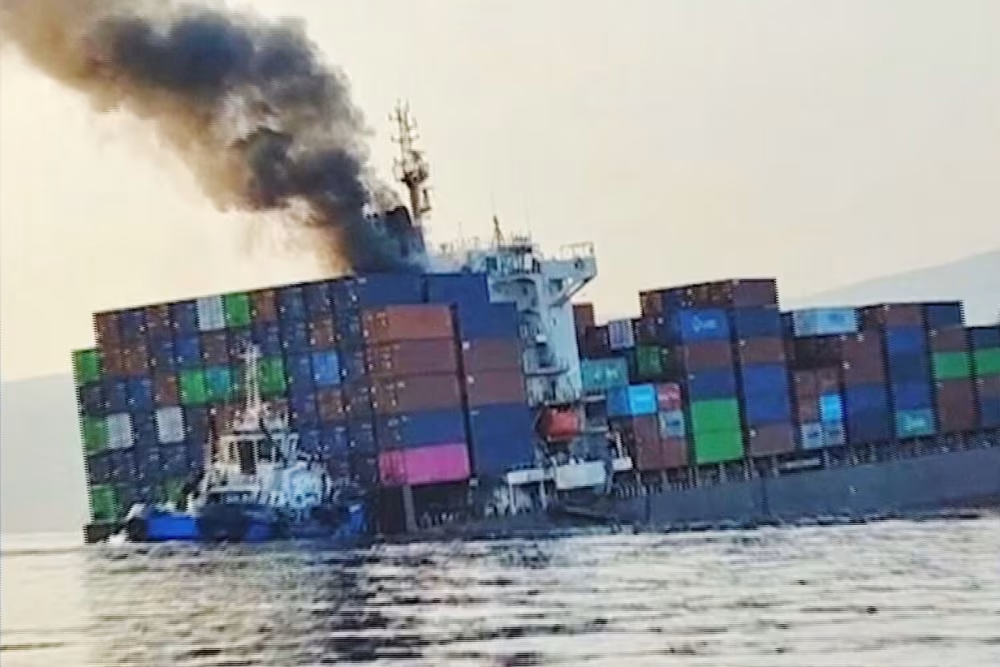
The Persian Gulf oil exports in October 2026 reveal a complicated picture: commercial incentives are encouraging some shipping activity even as security risks remain high. The continued movement of cargoes can help supply markets, but it does not prove that maritime trade has returned to normal or that the current pace can last.
A Wall Street Journal report published on October 21 said more oil was moving out of the Persian Gulf than before the Iran war, while also warning that the resilience of the tanker fleet might not be sustainable. The report pointed to strong commercial incentives, including high freight earnings and discounted oil.
Why Oil Is Still Moving
Energy buyers need reliable supplies, while sellers want to keep export revenue flowing. When cargo prices and freight rates become attractive enough, some operators may continue to accept voyages despite heightened risk also Gulf tanker traffic war risk.
The situation also shows that commercial activity does not always stop completely during a conflict. Companies can adapt their schedules and decisions to changing conditions.
Why High Freight Rates Do Not Remove the Risk
A high shipping rate may improve the financial return on a voyage, but it cannot guarantee the safety of a vessel or its crew.
Shipowners must account for insurance, security arrangements, potential delays, damage and contractual penalties. If incidents continue, some operators may reconsider whether the compensation adequately reflects the danger.
What Happens if Traffic Slows Again?
A renewed decline in shipments could place additional pressure on buyers that rely on Gulf energy. Importers may seek alternative cargoes, draw on inventories or pay more to secure timely deliveries.
Those adjustments can raise costs across the energy supply chain. The impact would depend on the scale and duration of any disruption and on the availability of replacement supplies.
What to Monitor
Market participants should watch tanker movements, confirmed attacks, insurance premiums, freight rates and official maritime warnings.
The current flow of oil is an important sign of commercial adaptation, but it should not be confused with a return to secure conditions. A lasting recovery requires confidence that vessels can travel and deliver cargoes without unacceptable risk.