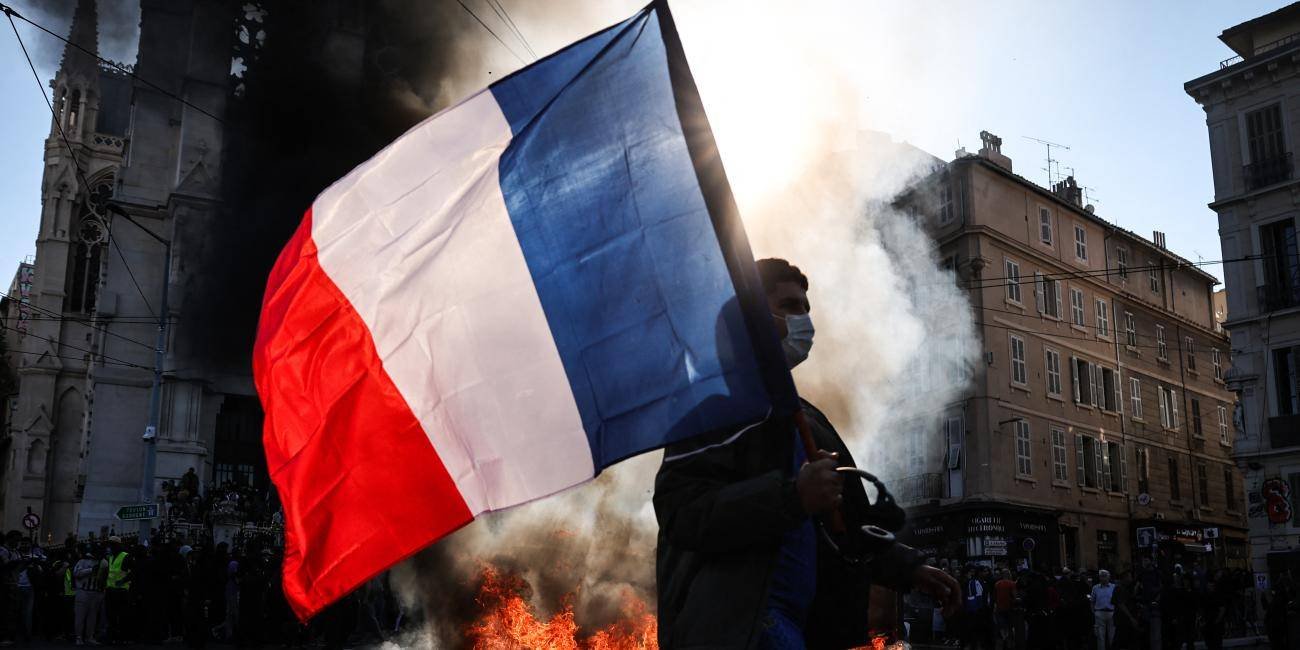
The France protests in October 2026 have intensified pressure on President Emmanuel Macron as public anger over living costs intersects with concerns about public services and political leadership. Demonstrations can reflect several grievances at once, making it difficult for governments to respond with a single policy announcement.
A report published by Le Monde on October 19 described violent demonstrations in France on October 17, with complaints involving living costs and education. The report said Macron called for consultations with political parties, unions and representative organisations while condemning violence and damage to public institutions.
Why Cost-of-Living Anger Matters
Households can feel squeezed when rent, food, transport and energy costs rise faster than their income. Even when inflation slows, prices may remain much higher than they were several years earlier.
Young people can face additional pressure from education costs, housing access and uncertainty about future employment. These concerns may turn into broader political frustration when citizens believe that leaders are not responding effectively.
The Government’s Difficult Balancing Act
Authorities must protect public safety while respecting the right to peaceful protest. Violent incidents and damage to public property can complicate that balance and divert attention from the underlying complaints.
Consultations with unions, parties and community groups may help identify possible compromises. However, dialogue alone may not satisfy protesters who expect visible changes to household expenses or public services.
What Could the Protests Mean for Macron?
Sustained public unrest can weaken a government’s political standing and make policy decisions more difficult. Opposition parties may use the crisis to challenge the administration’s priorities or demand changes in leadership.
Nevertheless, protests do not automatically lead to a government collapse. The political consequences depend on public opinion, parliamentary support and whether officials can demonstrate progress.
What Happens Next?
The key indicators include new demonstrations, government proposals, union responses and any measurable changes in the cost of essential goods and services.
France’s situation illustrates a broader problem for governments worldwide: economic statistics can improve while many households continue to feel financial pressure. Addressing that gap may prove as important as restoring public order.