Primary Keyword: Global Arms Race
Secondary Keyword: International Security
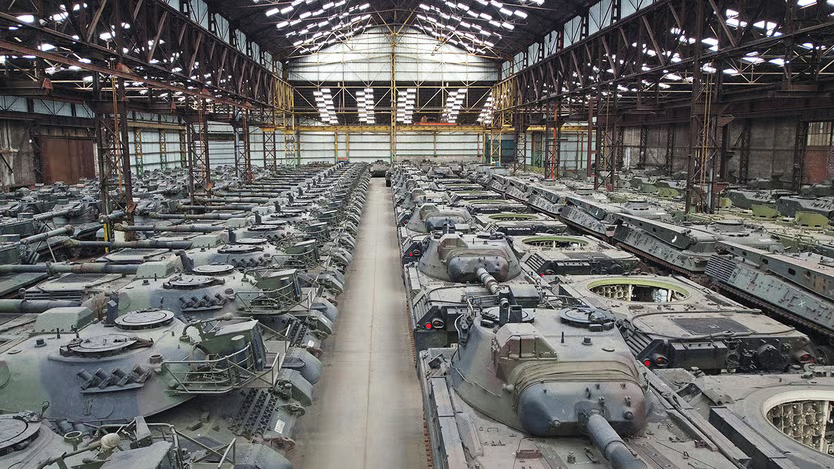
The Global Arms Race is entering a new phase as governments increase defence budgets, modernise their armed forces and compete for advanced military technology. From Europe and the Indo-Pacific to the Middle East, growing geopolitical tensions are pushing countries to invest more heavily in fighter jets, missiles, drones, naval forces, cyber capabilities and artificial intelligence.
This competition is changing the international security landscape. Governments argue that stronger militaries are necessary to deter aggression and protect national interests. However, rising defence spending also creates difficult questions: Could the world be moving towards another dangerous arms race? Will increased military power prevent conflicts, or make them more likely?
The latest figures suggest that military investment has become a major global priority. At the same time, the consequences extend far beyond defence ministries, affecting economic development, international diplomacy and the future of global peace.
Global Military Spending Reaches a Historic High
The scale of the current military expansion is clear in the latest research from the Stockholm International Peace Research Institute (SIPRI).
According to SIPRI’s April 2026 report, global military expenditure reached approximately $2.887 trillion in 2025, representing a real increase of 2.9% compared with 2024. It was the 11th consecutive year of rising global military spending.
Even more strikingly, military expenditure increased by 41% over the decade from 2016 to 2025. The global military burden also rose to 2.5% of worldwide GDP, its highest level since 2009.
The United States remained the world’s largest military spender, with approximately $954 billion in expenditure. China followed with an estimated $336 billion, while Russia spent around $190 billion.
Germany and India completed the list of the five largest military spenders.
These figures demonstrate that defence investment is no longer limited to countries directly involved in major conflicts. Governments across several regions are reassessing their military capabilities in response to changing security threats.
Why Is the New Global Arms Race Accelerating?
Several developments are driving the growing competition between military powers.
1. The Russia-Ukraine War and European Rearmament
The Russia-Ukraine War has fundamentally changed Europe’s approach to defence.
European governments have become increasingly concerned about their ability to defend their territories without relying entirely on external military support. Consequently, several countries are increasing investment in ammunition production, air defence, military equipment and modern combat systems.
SIPRI reported that European military expenditure increased by 14% in 2025, reaching approximately $864 billion.
Germany, Poland and other European countries have become important contributors to this expansion. Their governments are investing in military readiness, equipment replacement and defence-industrial capacity.
The conflict has also demonstrated the importance of drones, electronic warfare, intelligence systems and precision weapons in modern warfare.
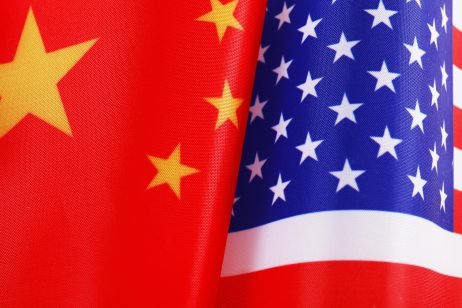
2. Growing Competition Between the United States and China
The United States and China remain central players in the global military competition.
Washington continues to prioritise military capabilities in the Indo-Pacific, where concerns about Taiwan, maritime security and regional influence remain significant.
China, meanwhile, is modernising its armed forces through investments in naval power, missiles, aircraft, space capabilities and advanced military technology.
SIPRI estimated that Chinese military expenditure reached $336 billion in 2025, an increase of 7.4% in real terms compared with the previous year.
This competition is not limited to the number of soldiers or military bases. Both countries are also competing in artificial intelligence, semiconductor technology, cyber operations, satellite systems and advanced weapons development.
As a result, the strategic balance in the Indo-Pacific has become one of the most important questions for international security.
3. Middle East Conflicts and Regional Security Concerns
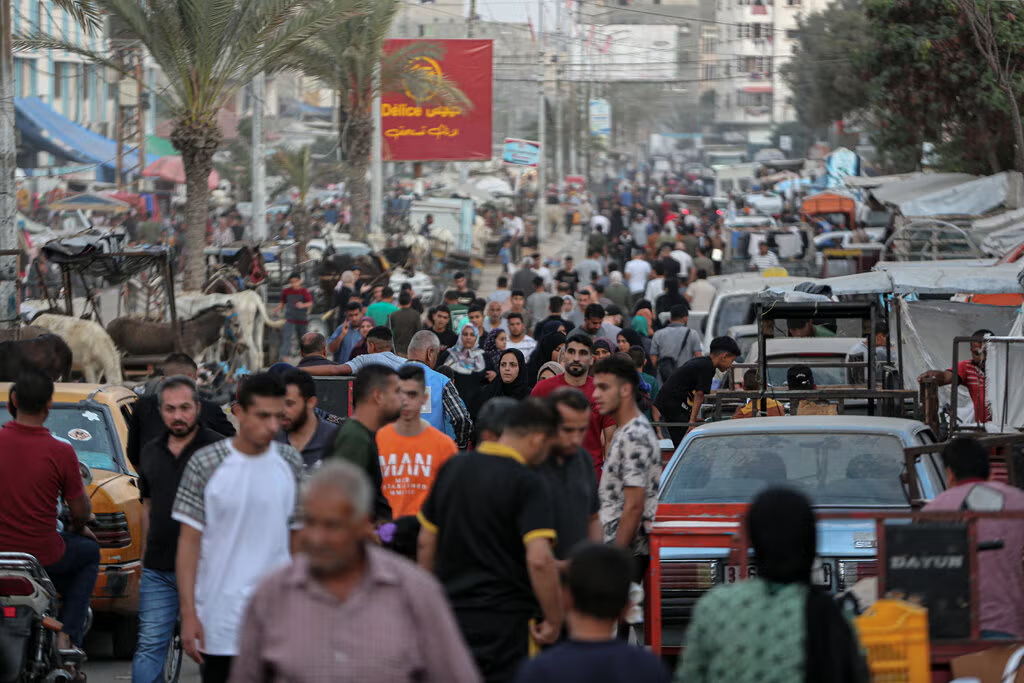
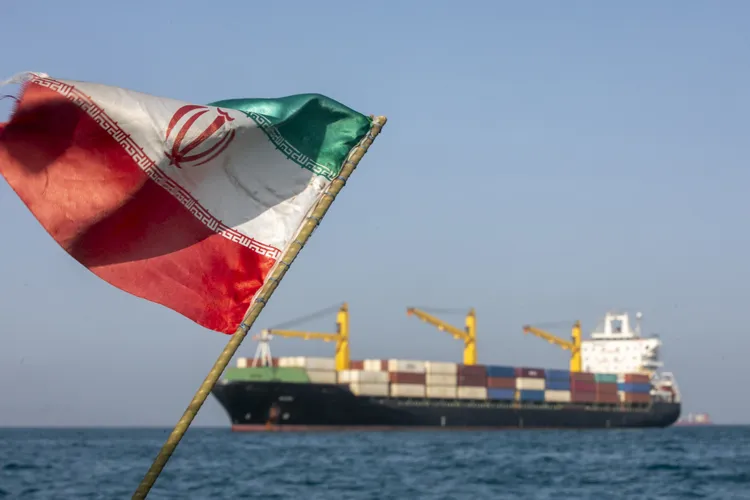
The Middle East remains another major centre of military competition.
Continuing regional tensions, missile threats, maritime security concerns and conflicts involving state and non-state actors have encouraged governments to strengthen their defence capabilities.
Countries in the region are investing in fighter aircraft, missile defence, drones, naval forces and surveillance technology.
According to SIPRI, military expenditure in the Middle East was estimated at approximately $218 billion in 2025. Saudi Arabia remained the region’s largest military spender, with estimated expenditure of $83.2 billion.
The region’s security environment also affects international energy markets and shipping routes. Any serious escalation can disrupt trade, increase insurance costs and create uncertainty for countries that depend on imported oil and gas.
The New Battlefield: Artificial Intelligence, Drones and Cyber Warfare
The modern Global Arms Race is not simply about buying more traditional weapons. Technology is transforming how countries prepare for and conduct military operations.
Artificial Intelligence in Defence
Artificial intelligence is becoming increasingly important in military planning, intelligence analysis, logistics and surveillance.
AI systems can help military organisations process large amounts of information, identify patterns and support faster decision-making. They may also assist with equipment maintenance and battlefield coordination.
However, the military use of AI creates serious questions about accountability and human control. If an automated system makes a mistake, governments must establish who is responsible for the consequences.
International discussions about military AI governance are therefore becoming increasingly important.
Drones and Unmanned Weapons
Drones have demonstrated their growing importance in modern conflicts.
They can perform surveillance, gather intelligence and support military operations at a lower cost than many traditional aircraft. Some systems can also carry weapons, creating new challenges for air defence and battlefield protection.
The rapid development of inexpensive drones means that even countries with smaller defence budgets can acquire capabilities that previously required substantial investment.
This development is changing military planning and encouraging governments to invest in counter-drone technology.
Cyber Warfare and Space Security
Military competition is also expanding into cyberspace and outer space.
Cyberattacks can target government networks, financial systems, electricity infrastructure and military communications. A successful attack may disrupt essential services without a conventional military invasion.
Meanwhile, satellites support navigation, communications, intelligence gathering and missile-warning systems.
Protecting these assets has become an important part of national defence strategies.
The United States, China, Russia and Europe’s Defence Priorities
The world’s largest military powers have different strategic priorities, but their investments collectively shape the global security environment.
United States: Washington continues to invest in advanced aircraft, naval capabilities, missile defence, nuclear modernisation, cyber operations and Indo-Pacific security.
China: Beijing is expanding its naval and missile capabilities while developing advanced aircraft, space technology and military AI systems.
Russia: Moscow continues to prioritise military capabilities amid the ongoing consequences of the war in Ukraine, including conventional weapons, missiles and nuclear deterrence.
Europe: European countries are increasing defence spending, improving military readiness and strengthening their defence industries. Their priorities include territorial protection, air defence and support for NATO’s collective defence arrangements.
These developments do not mean that every country is preparing for war. Governments frequently describe military investment as a defensive measure. Nevertheless, when several states expand their capabilities simultaneously, each country’s security decisions can influence the calculations of its neighbours.
NATO’s New Defence Spending Target
One of the most important developments in international defence policy is NATO’s decision to raise its long-term spending ambition.
At its June 2025 summit, NATO members agreed to work towards spending 5% of GDP annually on defence and broader security-related requirements by 2035.
The framework includes a minimum of 3.5% of GDP for core defence requirements and up to 1.5% for wider security-related investment, including infrastructure, resilience and defence-industrial capacity.
The agreement reflects growing concerns about Europe’s security and the need for stronger collective defence.
However, achieving these targets will require substantial public investment. Governments will have to decide how to balance military priorities with healthcare, education, infrastructure and other essential public services.
How the Arms Race Could Affect the Global Economy
Increasing military expenditure has consequences beyond international relations.
Defence investment can create jobs, support manufacturing and encourage research into advanced technologies. Military contracts can also strengthen domestic industrial capacity.
However, higher defence budgets require governments to allocate more public money to military priorities.
For developing countries, this can create difficult economic choices. Governments already facing debt, inflation, unemployment and infrastructure shortages may struggle to increase defence spending without placing additional pressure on public finances.
The opportunity cost is important. Money spent on weapons cannot simultaneously be used for schools, hospitals, roads and other public services.
Furthermore, rising geopolitical tensions can affect investor confidence, international trade and energy prices.
The economic impact will depend on how governments manage their budgets and whether increased defence investment strengthens long-term stability or contributes to further confrontation.
What Does the Global Arms Race Mean for Pakistan?
Pakistan operates in a strategically sensitive region where military balance, border security and regional diplomacy remain important.
India’s military modernisation, developments in Afghanistan, tensions in the wider region and changing international security partnerships all influence Pakistan’s defence calculations.
For Islamabad, maintaining credible defence capabilities is important. However, economic stability is equally essential.
Pakistan faces challenges involving public debt, inflation, energy costs, unemployment and the need for investment in education and infrastructure. These pressures make careful defence planning particularly important.
The country must balance national security requirements with long-term economic development.
Technology, domestic defence production, cyber protection and regional diplomatic engagement could help strengthen security without relying exclusively on expensive weapons imports.
A stable regional environment would also benefit Pakistan by encouraging trade, investment and economic cooperation.
Is the World Becoming More Dangerous?
Rising defence expenditure does not automatically mean that a major global war is approaching. Countries can increase military capabilities to deter aggression, protect borders and respond to existing threats.
Nevertheless, a growing arms race can create a security dilemma.
This happens when one country increases its military strength for defensive reasons, but another country interprets the move as a potential threat. The second country responds with its own military expansion, encouraging the first country to invest even more.
Over time, this cycle can increase mistrust and reduce opportunities for diplomacy.
There are also risks involving misunderstandings, military accidents, cyberattacks and the rapid development of autonomous weapons.
Without communication channels and effective international rules, technological competition could make crises harder to control.
Can Diplomacy Prevent a New Global Arms Race?
Military strength alone cannot guarantee lasting international security.
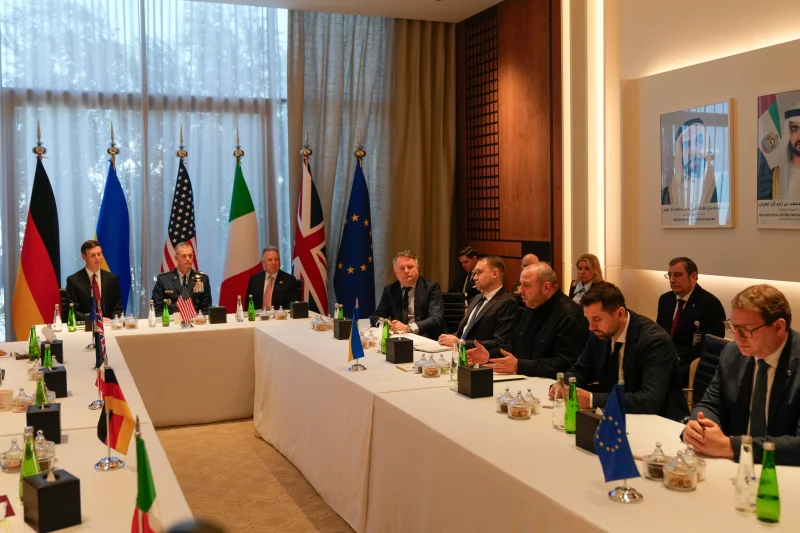
Countries need diplomatic engagement, arms-control agreements and transparent communication to reduce the possibility of conflict.
International institutions, including the United Nations, can provide platforms for discussing nuclear risks, conventional weapons and emerging military technologies.
Major powers also have a responsibility to maintain communication during periods of tension. Even when governments disagree on territorial or strategic issues, dialogue can reduce the risk of dangerous misunderstandings.
Arms-control agreements can establish limits, improve transparency and build confidence between competing states.
Military AI also requires international attention. Governments need clear rules on human responsibility, the use of autonomous weapons and compliance with international humanitarian law.
Ultimately, stronger defence systems should support a wider strategy for stability rather than replace diplomacy.
What Comes Next for International Security?
The coming years will test how governments manage the relationship between military strength, economic priorities and international cooperation.
Defence budgets are likely to remain an important political issue as countries respond to regional conflicts, technological competition and uncertainty about future security arrangements.
Artificial intelligence, drones, cyber capabilities, missile defence and space technology will play an increasingly significant role in military planning.
However, the most important question is not simply which country possesses the most advanced weapons. It is whether governments can prevent military competition from turning into a cycle of confrontation.
The future of International Security will depend on strategic restraint, responsible technology development and the willingness of major powers to cooperate when their interests overlap.
Final Thoughts
The new Global Arms Race reflects a world facing serious geopolitical uncertainty. Record military expenditure, European rearmament, US-China competition and technological developments are reshaping defence priorities across the globe.
Stronger military capabilities may help governments deter aggression, but excessive competition can increase economic pressure and deepen international mistrust.
The challenge for world leaders is to maintain credible national defence while protecting the foundations of peace.
The world does not need another generation of uncontrolled military competition. It needs stronger diplomacy, responsible defence policies and international cooperation capable of preventing future conflicts.