The global economy is facing a complicated period in 2026. Rising living costs, government debt, geopolitical conflicts, energy market disruptions and uncertainty in international trade are creating significant challenges for countries around the world. Although some economies continue to demonstrate resilience, the benefits of economic growth are not being shared equally.
From developed economies in Europe and North America to emerging markets in Asia, Africa and Latin America, governments are struggling to balance economic growth with financial stability. Higher borrowing costs are putting pressure on public budgets, while inflation continues to affect household purchasing power and business investment.
The International Monetary Fund (IMF), in its October 2026 World Economic Outlook, projects global economic growth of 3.1% in 2026 and 3.4% in 2027. It also projects global inflation of 4.7% in 2026. These figures highlight the economic challenges facing policymakers, businesses and consumers.
The growing Global Economic Crisis is therefore not simply a problem of rising prices. It is a combination of financial, political and structural challenges that could influence economic development for years.
Understanding the World Economy 2026 requires examining inflation, government borrowing, international conflicts, energy security, financial markets and the policies being introduced to protect economic stability.
1. Rising Inflation and the Global Cost-of-Living Challenge
Inflation remains one of the most important economic concerns in 2026.
When inflation increases, the purchasing power of money decreases. Consumers may find that their salaries no longer cover the same amount of food, transportation, housing, healthcare and other essential expenses.
For lower-income households, even relatively small increases in essential prices can create serious financial pressure.
Several factors contribute to inflation:
- Higher energy and transportation costs.
- Disruptions in international supply chains.
- Increased food and agricultural production expenses.
- Currency depreciation in vulnerable economies.
- Higher production and distribution costs.
- Strong demand in certain markets.
The Middle East conflict has also created additional pressure on international energy markets. Higher oil and gas prices can increase transportation, manufacturing and electricity expenses.
Central banks are responsible for managing monetary policy and maintaining price stability. However, controlling inflation is difficult when price increases are caused by international supply disruptions rather than excessive domestic demand.
The Global Economic Crisis demonstrates why governments need balanced economic policies that protect vulnerable households without creating unsustainable public spending.
2. Rising Government Debt and Financial Pressure
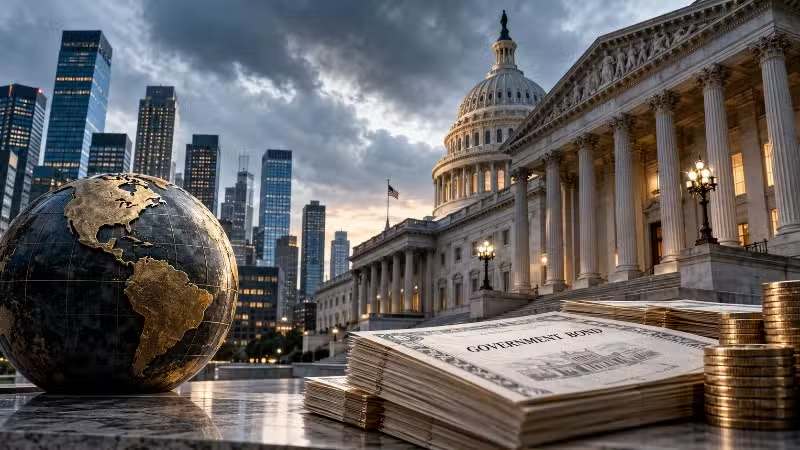
Government debt has become another major concern for the international financial system.
Countries borrow money to finance infrastructure, healthcare, education, public services, defense and other government responsibilities.
Borrowing can support economic development when funds are invested productively. However, excessive debt can become difficult to manage, especially when interest rates increase and government revenues remain weak.
Developing countries often face greater financial difficulties because they have limited access to affordable international financing.
According to the World Bank’s June 2026 Global Economic Prospects report, aggregate government debt in developing economies has increased from less than 40% of GDP in 2010 to more than 70%.
Higher debt creates several challenges:
- Governments must allocate more money to interest payments.
- Less funding may remain available for public infrastructure.
- International investors may demand higher borrowing returns.
- Currency depreciation can increase foreign-currency debt costs.
- Governments may have less flexibility during economic emergencies.
The solution is not necessarily to stop borrowing completely. Instead, governments need responsible debt management, stronger revenue collection and transparent spending policies.
The future of the World Economy 2026 will partly depend on whether countries can balance development investment with sustainable public finances.
3. Global Energy Crisis and Its Impact on Economic Growth
Energy is essential for almost every part of the modern economy.
Manufacturing industries, transportation systems, agricultural production, electricity generation and international shipping all depend on reliable energy supplies.
When oil and gas prices increase, the effects spread throughout the global economy.
Businesses may face higher operating expenses, while consumers experience increased fuel, electricity and transportation costs.
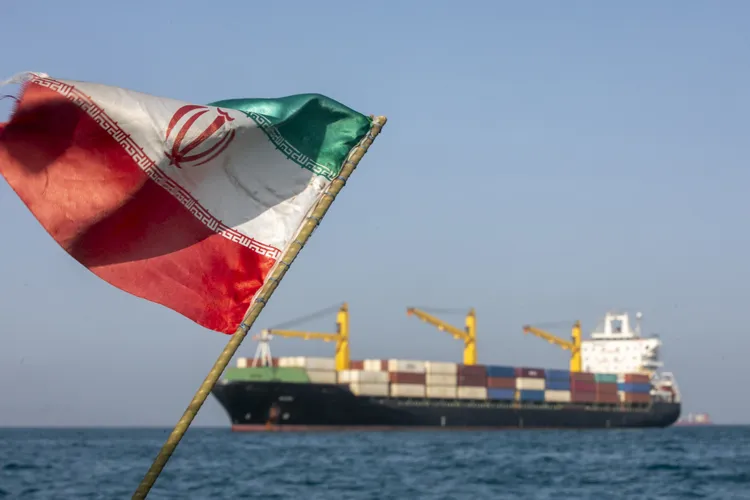
The Middle East remains particularly important because it contains major energy-producing countries and strategically important shipping routes.
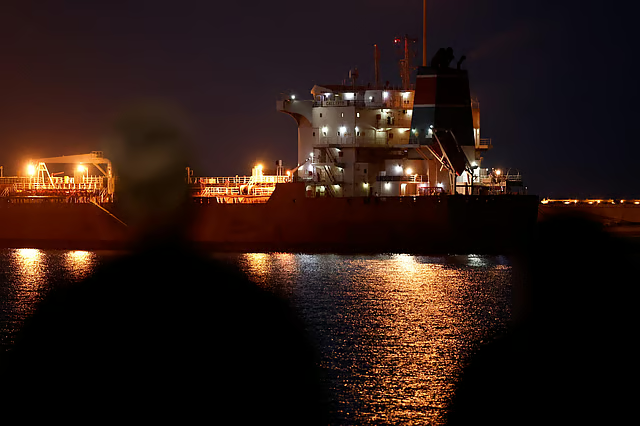
Disruptions around the Strait of Hormuz can affect international oil and gas transportation, creating uncertainty in global energy markets.
The World Bank’s June 2026 report identifies the Middle East conflict and energy market disruptions as important pressures on global growth.
Energy-importing countries are particularly vulnerable because they must spend more foreign currency to purchase essential fuel.
For developing countries, higher energy costs can contribute to inflation, weaken trade balances and increase pressure on government budgets.
Long-term solutions include:
- Diversifying energy suppliers.
- Investing in renewable energy.
- Improving electricity infrastructure.
- Developing strategic energy reserves.
- Encouraging energy efficiency.
- Supporting reliable regional energy cooperation.
Energy security is becoming an essential part of economic stability.
4. International Conflicts and Their Economic Consequences
Political instability and military conflicts can create economic problems far beyond the countries directly involved.
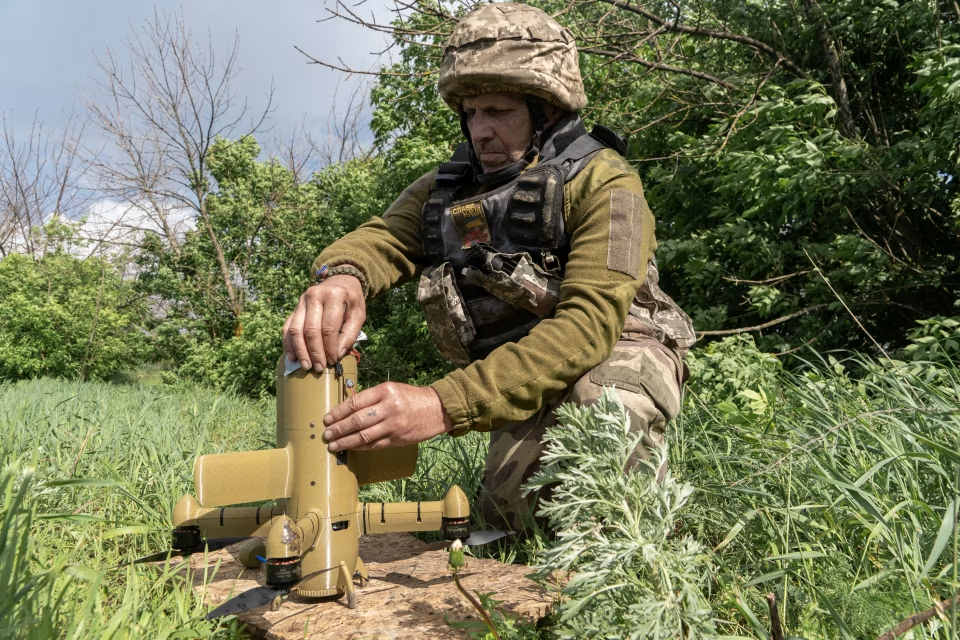
The Russia-Ukraine war and continuing tensions in the Middle East demonstrate how geopolitical developments can influence international trade, energy supplies, food security and financial markets.
Conflicts can interrupt transportation routes, damage infrastructure and increase the cost of international insurance and shipping.
Agricultural markets can also experience pressure when fertilizer supplies, grain exports or important transportation routes are disrupted.
These developments can create additional difficulties for countries that depend heavily on imported food and energy.
International businesses must also consider geopolitical risks when making investment decisions.
Companies may need to identify alternative suppliers, change transportation routes or increase inventory levels to protect their operations.
Such adjustments can increase production costs and ultimately affect consumers.
The Global Economic Crisis is therefore closely connected to international political developments.
Economic stability requires not only responsible domestic policies but also international cooperation, peaceful negotiations and predictable trade relationships.
5. Central Banks and the Battle Against Inflation
Central banks play a critical role in maintaining financial and economic stability.
Institutions such as the US Federal Reserve, European Central Bank and Bank of England use monetary policy to influence borrowing costs, inflation and economic activity.
One of their main responsibilities is maintaining price stability.
When inflation becomes persistent, central banks may increase interest rates to reduce excessive borrowing and spending.
Higher interest rates can help control demand, but they also make loans more expensive for businesses, households and governments.
This creates an economic challenge.
If interest rates remain high for too long, investment and economic growth may weaken. However, reducing rates too quickly could allow inflationary pressures to become stronger.
The IMF’s October 2026 economic outlook emphasizes that monetary policy needs to reflect individual countries’ economic circumstances and inflation conditions.
Central banks must therefore carefully evaluate economic data, employment conditions, inflation expectations and financial market developments before changing monetary policy.
Credible communication and institutional independence are also important for maintaining public confidence.
6. Developing Countries Face Greater Economic Vulnerabilities
Developing countries often experience the effects of international economic shocks more severely than advanced economies.
Many emerging markets depend on imported energy, international borrowing, agricultural exports and foreign investment.
When international prices rise or currencies depreciate, governments may face additional financial pressure.
Pakistan, Bangladesh, Sri Lanka, Egypt and several African economies illustrate the different challenges developing countries can face.
Common economic vulnerabilities include:
- Limited foreign exchange reserves.
- High external debt obligations.
- Expensive energy imports.
- Weak tax collection systems.
- Currency instability.
- Unemployment and underemployment.
- Dependence on imported essential goods.
For Pakistan, international energy prices, external financing requirements, exchange-rate stability and domestic revenue collection are important economic considerations.
Developing countries need stronger domestic industries, better infrastructure, improved education and policies that encourage sustainable investment.
The World Economy 2026 will remain uneven because countries have different levels of financial resources and economic resilience.
7. International Trade and Supply Chain Disruptions
International trade is one of the foundations of modern economic development.
Countries depend on one another for raw materials, food, energy, technology, manufactured products and services.
However, geopolitical competition, tariffs and transportation disruptions have made international trade more uncertain.
Businesses increasingly need to consider the political and economic risks associated with international suppliers.
For example, a manufacturing company may depend on components produced in several countries. A disruption in one location can affect production across an entire industry.
Trade uncertainty can also discourage investment because businesses may delay expansion until international conditions become clearer.
Governments are responding by developing alternative trade relationships and encouraging domestic production in strategically important industries.
However, excessive trade restrictions can increase costs and reduce economic efficiency.
Maintaining predictable international trade rules is important for supporting economic growth and reducing unnecessary financial uncertainty.
8. Artificial Intelligence and the Future of the Global Economy
Artificial intelligence is creating new opportunities for businesses and governments.
AI systems can improve productivity, automate repetitive activities, support research and help companies make better decisions.
Technology investment has become an important source of economic activity in several major economies.
However, rapid technological investment also introduces financial risks.
If investors expect unrealistic profits from new technologies, financial markets may experience sudden corrections when expectations are not fulfilled.
The IMF’s October 2026 financial stability assessment identifies a potential correction in AI-related investments as one of the risks facing international markets.
There are also concerns about employment changes, data protection, cybersecurity and unequal access to technology.
For developing countries, investment in digital infrastructure and technical education will be essential to benefit from the AI economy.
Artificial intelligence could support long-term economic growth, but its benefits will depend on responsible investment, education and effective regulation.
9. Financial Markets and the Future of Investment
Financial markets connect governments, businesses, banks and investors.
They allow companies to raise capital, governments to issue bonds and individuals to invest in financial assets.
However, financial markets can become vulnerable when borrowing costs increase, economic expectations change or investors lose confidence.
The IMF’s October 2026 Global Financial Stability Report highlights several risks, including rising government bond yields, fiscal imbalances, high asset valuations and cybersecurity threats.
These developments matter because financial market instability can affect lending, investment and economic activity.
Banks and other financial institutions must maintain sufficient capital, manage credit risks and prepare for potential market disruptions.
Investors also need to understand that financial markets involve uncertainty.
A diversified approach, careful risk assessment and long-term planning are important considerations for managing financial exposure.
10. What Governments Can Do to Restore Financial Stability
There is no single policy capable of solving every economic challenge.
Countries need coordinated economic strategies that address inflation, public debt, employment, investment and financial stability.
Several measures can help improve economic resilience.
Responsible fiscal management: Governments should develop credible spending and revenue plans to control debt and strengthen public finances.
Targeted household support: Financial assistance should prioritize vulnerable households affected by rising food and energy costs.
Stronger tax systems: Improving tax administration and reducing unnecessary exemptions can increase government revenue.
Investment in infrastructure: Reliable electricity, transportation, digital networks and public infrastructure can improve productivity.
Economic diversification: Countries should reduce excessive dependence on a limited number of industries or exports.
International cooperation: Governments should work together to maintain predictable trade relationships and reduce financial risks.
Financial sector supervision: Regulators should monitor banks, investment markets and emerging financial risks.
The IMF recommends rebuilding fiscal space while ensuring that immediate support for vulnerable households does not undermine long-term financial sustainability.
11. The Future Outlook for the World Economy
The future of the international economy will depend on several interconnected developments.
Energy market stability, geopolitical conditions, government debt management, technological investment and international trade will all influence economic growth.
The IMF’s October 2026 outlook projects global growth of 3.4% in 2027, compared with 3.1% in 2026.
However, this outlook remains subject to uncertainty.
Persistent geopolitical conflicts, renewed inflationary pressure, financial market instability and trade tensions could weaken economic performance.
At the same time, stronger productivity, technological innovation and improved international cooperation could create new opportunities.
For businesses, adapting to changing economic conditions will be essential.
For governments, the priority will be building stronger financial systems while supporting employment, investment and sustainable development.
For ordinary people, financial awareness, education and economic adaptability will remain important in an uncertain environment.
Conclusion
The Global Economic Crisis represents a combination of inflation, government debt, geopolitical uncertainty, energy disruptions and financial market vulnerabilities.
Although the international economy continues to demonstrate resilience, economic conditions remain different across countries and regions.
The World Economy 2026 highlights the importance of responsible fiscal policies, effective monetary management, international cooperation and sustainable investment.
Developing countries need stronger economic institutions and more diversified industries, while advanced economies must also address rising debt and financial stability risks.
The challenges are significant, but they also create opportunities for reform and innovation.
Ultimately, financial stability will depend on how effectively governments, central banks, businesses and international institutions respond to economic uncertainty.
A stable global economy is not built through short-term solutions alone. It requires long-term planning, responsible leadership, transparent financial systems and cooperation between nations.