The movement of Global Oil Prices affects almost every part of the modern economy, from petrol stations and electricity bills to international shipping, food production and manufacturing. In 2026, geopolitical tensions, attacks on energy infrastructure and disruptions to important shipping routes have demonstrated how quickly an international crisis can influence the cost and availability of fuel.
Although oil prices have recently fallen from their October highs, the global energy market remains vulnerable. The International Energy Agency (IEA), in its November 13, 2026, Oil Market Report, said North Sea Dated crude prices had dropped from approximately $136 per barrel in early October to around $93 at the time of publication. However, global oil inventories remained far below their pre-conflict levels, while maritime security risks continued.
This situation highlights an important distinction: cheaper oil does not automatically mean a secure energy supply.
The question of Energy Security is therefore becoming increasingly important for governments, businesses and households. Countries need reliable access to affordable energy, dependable transportation networks and sufficient reserves to withstand unexpected disruptions.
Why Are Global Oil Prices So Important?
Oil remains one of the most important commodities in the international economy.
It powers cars, trucks, ships and aircraft. It also supports industries that manufacture plastics, chemicals, fertilisers, packaging materials and other everyday products.
When crude oil becomes expensive, the effects can spread across the economy.
For example, transport companies may pay more for diesel, airlines may face higher jet-fuel expenses, and factories may experience increased production costs. Businesses can absorb some of these expenses, but they may also pass them on to consumers.
This is why changes in oil prices can influence inflation, household budgets and economic growth.
The international oil market also operates through interconnected supply chains. A disruption in one producing region can affect buyers thousands of kilometres away, especially when alternative suppliers cannot immediately replace the missing supply.
What Is Happening to Oil Prices in November 2026?
The oil market has experienced significant price movements during 2026.
According to the US Energy Information Administration (EIA), Brent crude averaged approximately $124 per barrel in October, its highest monthly average since July 2022 in inflation-adjusted terms.
The EIA linked the increase to declining inventories, attacks on oil tankers and disruptions to international oil flows.
However, prices began falling in late October and early November as exports from the Middle East recovered.
The IEA’s November 13 report provided further evidence of this improvement. It said global oil supply increased by 2.3 million barrels per day in October, reaching 105.4 million barrels per day.
The agency also reported that oil inventories increased by 52 million barrels during October, marking the first monthly increase since June.
Nevertheless, the market has not fully returned to normal. The IEA estimated that global observed oil inventories had fallen by a cumulative 462 million barrels since the beginning of the war.
These figures show that the market is recovering, but its remaining supply buffers are still a concern.
Strait of Hormuz: Why One Shipping Route Matters to the World
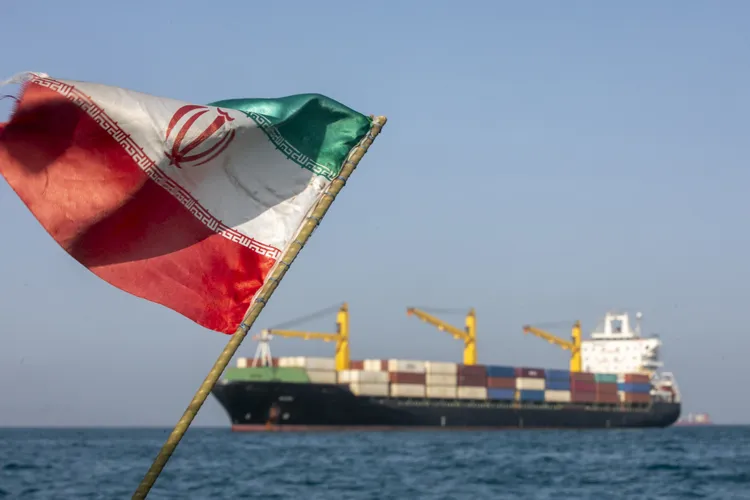
The Strait of Hormuz is one of the most strategically important oil transportation routes on the planet.
Located between Iran and Oman, it connects the Persian Gulf with the Gulf of Oman and international maritime routes.
Major energy exporters use this passage to transport crude oil, petroleum products and liquefied natural gas to international customers.
When commercial vessels face attacks, restrictions or security threats, shipping companies may delay journeys or use alternative arrangements.
These disruptions can increase transportation costs, insurance premiums and delivery times.
The situation also affects the availability of oil tankers. Even when producers have oil available, moving it safely to international customers can become more difficult.
The IEA has warned that continued attacks on shipping could undermine the recovery of energy exports.
Alternative pipelines and other transportation arrangements can help reduce dependence on the strait, but they cannot replace all the capacity that normally moves through this important waterway.
For this reason, the security of the Strait of Hormuz remains a major factor in international energy planning.
How Oil Price Changes Affect Ordinary Families
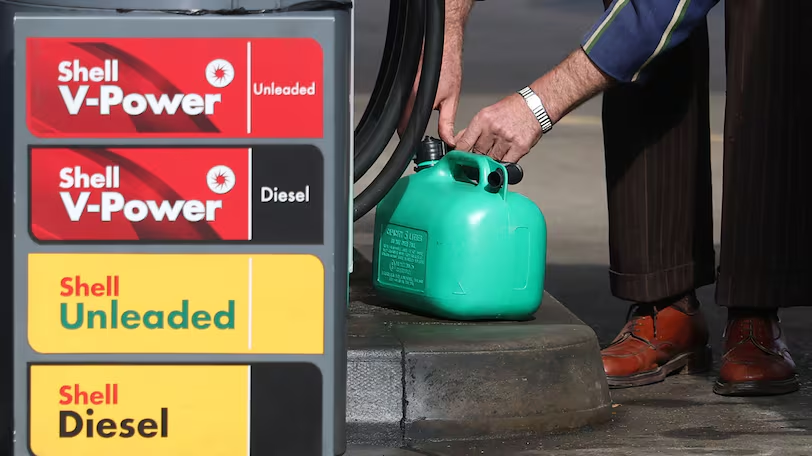
Oil prices may appear to be a concern for governments and large companies, but ordinary households experience their effects directly.
When petrol and diesel become more expensive, transport costs usually rise. Businesses that deliver food, clothing, construction materials and household products may also face higher operating expenses.
This can create pressure on household budgets.
Some of the most common effects include:
- Transport: Higher petrol and diesel costs can increase commuting and delivery expenses.
- Food: Farmers and food distributors may pay more for fuel, fertiliser and transportation.
- Electricity: Countries that rely on imported oil or other expensive fuels may experience higher power-generation costs.
- Manufacturing: Factories may face increased expenses for energy and petroleum-based materials.
- Travel: Airlines and shipping companies may adjust prices to manage higher fuel and security costs.
The impact varies from country to country. Governments may use subsidies, tax adjustments or strategic reserves to limit the immediate effect on consumers.
However, prolonged high energy costs can place additional pressure on public finances.
Energy Security: Why Countries Need Reliable Supplies
Energy Security means ensuring that a country has dependable access to sufficient and affordable energy.
It involves more than simply having oil reserves or domestic production.
Governments must consider where energy comes from, how it is transported, how much it costs and whether supplies can continue during an international emergency.
A country that depends heavily on one supplier or one shipping route may face serious difficulties when geopolitical tensions interrupt deliveries.
Energy security therefore requires several important measures.
Diversified suppliers: Countries can reduce dependence on a single exporter by purchasing energy from different regions.
Strategic reserves: Governments can maintain emergency oil stocks to manage temporary supply disruptions.
Reliable infrastructure: Pipelines, ports, refineries, storage facilities and electricity networks need protection and regular maintenance.
Renewable energy: Solar, wind and other renewable sources can reduce dependence on imported fossil fuels.
Energy efficiency: Businesses and households can reduce exposure to price shocks by using energy more efficiently.
These measures cannot eliminate every risk, but they can make national energy systems more resilient.
Why Strategic Oil Reserves Matter During a Crisis
Strategic petroleum reserves are emergency stocks maintained by governments to help manage major disruptions in energy supplies.
They can be released when international markets experience severe shortages or when unexpected events threaten normal oil deliveries.
In 2026, emergency reserves have become particularly important because the conflict-related supply disruption has reduced global inventory levels.
The IEA reported on November 13 that approximately 71 million barrels from member countries’ emergency reserve releases would become available by the end of February, including around 15 million barrels of diesel.
Such releases can provide temporary support to the market, especially when refineries and transport networks need time to recover.
However, reserves are not a permanent solution.
Once emergency stocks are used, governments must eventually rebuild them. Strategic reserves also cannot replace damaged infrastructure or guarantee safe shipping through an affected maritime route.
The most effective approach combines emergency stocks with diversified supplies and reliable domestic infrastructure.
Can Renewable Energy Reduce Dependence on Oil?
Renewable energy is becoming an increasingly important part of long-term energy security.
Solar and wind power can reduce the amount of fossil fuel needed to generate electricity. Countries with suitable natural resources can develop domestic renewable projects and reduce their exposure to imported fuel prices.
Electric vehicles can also reduce demand for petrol and diesel in road transportation.
However, the transition requires investment in electricity networks, battery storage, charging facilities and supporting infrastructure.
Renewables also do not replace every use of oil.
Aviation, shipping, heavy industry and petrochemical manufacturing continue to depend on liquid fuels and petroleum-based materials.
Therefore, countries will need a combination of renewable energy, conventional energy supplies, storage technology and efficiency improvements.
The objective is not simply to replace one energy source with another overnight. It is to create a system that can continue operating when individual supplies become expensive or unavailable.
How Oil Prices Affect Developing Countries Like Pakistan
Developing economies can be particularly vulnerable to international energy price changes.
Countries that import a large share of their petroleum requirements must spend more foreign currency when international oil prices rise.
Pakistan is an important example because its economy depends significantly on imported energy.
When international oil prices increase, the country can face several challenges.
Higher import bills: More expensive petroleum can increase the amount of foreign currency required for energy imports.
Transport expenses: Higher fuel costs can affect public transport, freight services and commercial deliveries.
Inflation: Businesses may pass increased fuel and transportation costs to consumers.
Electricity costs: Changes in imported fuel prices can influence the cost of power generation, depending on the country’s energy mix and contracts.
Pressure on businesses: Manufacturers and small businesses may experience higher operating expenses, reducing their ability to invest or expand.
Pakistan can strengthen its energy security by diversifying energy sources, improving domestic electricity infrastructure, expanding renewable power and improving energy efficiency.
Better storage facilities and dependable supply arrangements can also help reduce exposure to sudden international disruptions.
For households and businesses, more efficient energy use can provide some protection against unpredictable fuel prices.
What Does the Latest IEA Forecast Mean for 2027?
The IEA’s November 2026 Oil Market Report provides an important indication of where the global market could be heading.
The agency expects world oil demand to decline by 2.7 million barrels per day in 2026, reaching approximately 102.3 million barrels per day.
It projects that demand will recover by around 2 million barrels per day in 2027.
On the supply side, global production is expected to recover by approximately 6.6 million barrels per day in 2027, reaching an average of 108.1 million barrels per day.
The IEA therefore expects the market to move into a more substantial supply surplus next year.
However, these projections depend on several assumptions, including the recovery of Middle Eastern exports and the continued improvement of shipping conditions.
Further attacks on energy infrastructure or maritime routes could change the outlook.
The EIA’s November forecast also expected Brent prices to average around $100 per barrel in November and December, before declining as inventories recover in 2027.
These are forecasts, not guaranteed prices. Unexpected geopolitical developments, production decisions and changes in global demand can quickly alter the market.
What Could Happen Next? Three Possible Oil Market Scenarios
The future direction of Global Oil Prices will depend on supply, demand, international security and the recovery of transportation networks.
Scenario 1: Energy Supplies Recover
If shipping conditions continue improving and oil production returns to more normal levels, global inventories could gradually rebuild.
This may reduce pressure on crude prices and provide relief to importing countries.
However, the recovery could take time because damaged infrastructure, refinery constraints and transportation costs may continue affecting the market.
Scenario 2: Supply Disruptions Continue
If attacks on tankers or energy facilities continue, exporters may face difficulties delivering oil.
Shipping insurance and freight expenses could remain high, even if production increases.
This scenario could keep oil markets volatile and create additional pressure on fuel-importing economies.
Scenario 3: A New Geopolitical Crisis Emerges
A fresh conflict involving a major producing country or important shipping route could create another supply shock.
Oil prices might rise rapidly if international buyers become concerned about shortages.
Governments could respond by releasing strategic reserves, seeking alternative suppliers and introducing emergency energy measures.
These scenarios are possibilities rather than predictions. The actual direction of the market will depend on developments that cannot be known in advance.
Conclusion: Energy Security Is Becoming a Global Priority
The movement of Global Oil Prices demonstrates how closely energy markets are connected to international politics, shipping security and economic stability.
The November 2026 market recovery provides some relief, but depleted inventories, expensive freight and continued security risks show that the global energy system remains exposed to disruption.
The importance of Energy Security will therefore continue beyond the current crisis.
Countries need diversified suppliers, reliable infrastructure, emergency reserves and greater investment in renewable energy. Businesses must also prepare for unexpected changes in fuel costs and transportation conditions.
For developing economies such as Pakistan, stronger energy planning is particularly important because imported fuel prices can affect inflation, foreign currency requirements and the cost of doing business.
The central lesson is clear: affordable energy matters, but dependable energy supplies matter just as much.
Follow TopTenDose for more global energy news, oil market developments, economic analysis and important international updates.