The Middle East Conflict has become a major economic concern in 2026, affecting energy supplies, international shipping, food production and financial markets. What began as a regional security crisis has developed into a wider economic challenge, with consequences reaching Europe, Asia, Africa and other parts of the world. Higher transportation costs, disrupted oil and gas exports, and uncertainty around important trade routes are putting pressure on businesses and households.
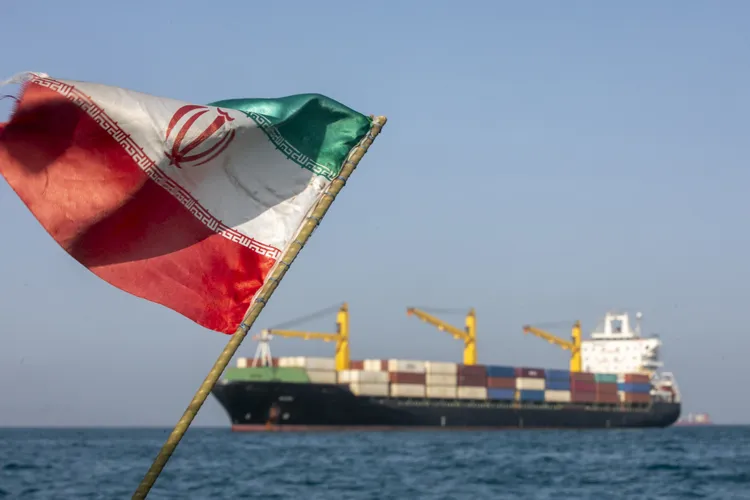
The economic consequences are particularly serious because the Middle East sits at the centre of several important international supply chains. The Strait of Hormuz, for example, is a critical route for global oil, liquefied natural gas and other commodities. When shipping through this waterway becomes unsafe or restricted, the effects can spread quickly through international markets.
The World Bank warned in October 2026 that the conflict was imposing substantial economic costs across the Middle East, North Africa, Afghanistan and Pakistan. It projected average regional output to contract by 2.1% in 2026, compared with growth of 3.3% in 2025. The report also highlighted damage to tourism, aviation, logistics and business confidence.
The wider Global Economic Impact is therefore not limited to countries directly involved in the conflict. It also affects energy-importing economies, international manufacturers, shipping companies, investors and consumers.
Why Has the Middle East Conflict Become a Global Economic Issue?
The Middle East plays an important role in the global energy system. Several major oil and gas producers operate in the region, while important shipping routes connect Gulf exporters with customers around the world.
The Strait of Hormuz is especially important because it links the Persian Gulf with international maritime routes. Before the conflict, it carried a substantial share of global oil and liquefied natural gas shipments.
When attacks, military operations or restrictions threaten commercial vessels, shipping companies face difficult decisions. Some may delay journeys, change routes or demand higher insurance premiums to cover additional risks.
These changes can affect the cost and availability of energy, industrial materials and consumer products.
The crisis also creates uncertainty for governments and investors. Companies may postpone projects, airlines may change schedules, and businesses may reconsider investments in countries exposed to regional instability.
Consequently, the conflict has become an international economic issue rather than a regional political story alone.
Oil Prices: The First Major Channel of Economic Pressure
Energy markets are among the first places where geopolitical tensions become visible.
When oil production or exports face disruption, buyers may compete for available supplies. This can increase crude prices and create uncertainty for refineries, transport companies and energy-dependent industries.
The Middle East conflict has already affected oil production and shipping. According to Deloitte’s October 27, 2026, economic analysis, more than 10 million barrels per day of Gulf oil production remained offline in August because of disruptions to maritime traffic and export capacity.
The same analysis reported that Gulf crude exports in August were approximately 45% below their pre-conflict level.
These disruptions matter because oil is not used only for transport. It is also an important input for manufacturing, chemicals, agriculture, aviation and logistics.
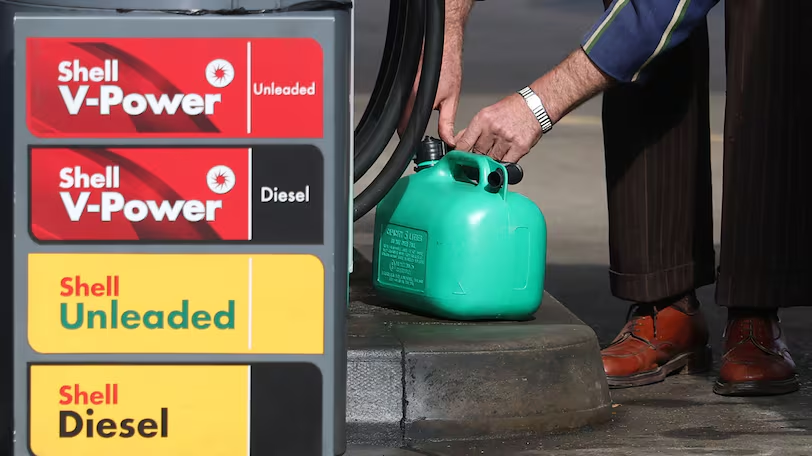
If fuel becomes more expensive, businesses face higher operating costs. Airlines pay more for jet fuel, delivery companies spend more on transport, and factories may experience rising energy bills.
Companies sometimes absorb these additional expenses, but they may also pass part of the increase to customers.
That is how a regional energy shock can contribute to higher prices in countries thousands of kilometres away.
Strait of Hormuz: Why Shipping Disruptions Matter
The Strait of Hormuz is one of the world’s most strategically important maritime chokepoints.
Its importance extends beyond crude oil. The route also supports liquefied natural gas shipments, chemicals and other products used by international industries.
The United Nations Department of Economic and Social Affairs reported in August 2026 that daily ship traffic through the strait had fallen by approximately 95% during the period from February 28 to June 14, compared with pre-conflict levels.
Although shipping activity has shown signs of recovery, the security situation remains uncertain.
Reuters reported on November 11 that October LNG exports through the strait had reached their highest level since the war began, with 31 tankers departing. However, attacks on vessels also reached a wartime peak, with 37 ships reportedly attacked during October.
The International Maritime Organization had recorded around 130 regional maritime incidents and at least 25 seafarer deaths by that report.
This combination of increased traffic and continued attacks demonstrates why the recovery of shipping does not automatically mean the restoration of normal commercial conditions.
Shipping companies must consider crew safety, insurance costs, port access, delivery schedules and the possibility of further attacks.
For international businesses, even a temporary delay can create problems when factories depend on precisely timed deliveries.
Global Inflation: Why Everyday Products Could Become More Expensive
One of the most important economic consequences of the conflict is the possibility of renewed inflation.
Higher oil and gas prices can increase the cost of producing and transporting goods. If these costs continue for an extended period, they can spread through supply chains and affect consumer prices.
Food is particularly vulnerable because modern agriculture depends on fuel, fertilisers, transport and international distribution.
The UN reported that global urea prices rose approximately 49% above pre-conflict levels during the first two months of the crisis. Higher fertiliser costs can increase the expenses faced by farmers and eventually put pressure on food prices.
Transport disruptions can add another layer of pressure. Importers may pay more to move products, while retailers face higher storage and distribution expenses.
For households, the consequences may include more expensive:
- Petrol, diesel and household energy
- Food and agricultural products
- Air travel and international shipping
- Electronics and manufactured goods
- Construction materials and industrial products
However, the impact will vary between countries. Governments may use subsidies, strategic reserves or other measures to limit the immediate effect on consumers.
The duration of the conflict and the recovery of shipping routes will remain important factors in determining how much additional inflation develops.
Global Trade and Supply Chains Face New Challenges
International trade depends on reliable transportation networks. When major shipping routes become dangerous, companies must find alternative ways to move goods.
Rerouting vessels can increase journey times, fuel consumption and insurance expenses. Delayed shipments may also create shortages of components and raw materials.
Deloitte’s October 2026 analysis highlighted how disruption around the Strait of Hormuz has placed renewed pressure on global supply chains.
The report identified several areas of concern:
Manufacturing: Factories that depend on imported energy and chemical inputs may face higher production costs.
Shipping: Longer routes and higher war-risk insurance premiums can increase freight expenses.
Aviation: Airlines may change flight paths or schedules because of regional security risks and higher fuel costs.
Agriculture: Reduced fertiliser availability and higher input costs can affect farmers and food producers.
Retail: Importers may face delays and higher costs when moving consumer products between markets.
Businesses may respond by diversifying suppliers, increasing inventories or shifting production to other countries.
These adjustments can improve resilience, but they also require additional investment.
Tourism and Aviation: Another Major Economic Casualty
Tourism is an important source of employment and foreign currency for several Middle Eastern economies.
The conflict creates uncertainty for international travellers, airlines, hotels and travel companies.
When security concerns increase, tourists may cancel bookings or select destinations outside the affected region. Airlines may also adjust routes, reduce services or face higher insurance and fuel expenses.
The World Bank identified tourism and aviation among the sectors experiencing significant economic pressure in its October 2026 regional assessment.
The impact extends beyond destinations directly affected by military operations. Major Gulf aviation hubs connect passengers travelling between Europe, Asia and Africa. Disruptions at these hubs can affect international connections and airline operations.
Hotels, restaurants, transport providers and travel agencies may consequently experience lower demand.
A prolonged disruption could also affect employment and government revenue in economies that depend heavily on international tourism.
How the Conflict Is Affecting Developing Countries
Developing economies are particularly exposed when they depend on imported energy, food and industrial materials.
Countries with limited foreign currency reserves may find it harder to pay higher import bills. If energy prices rise while their currencies weaken, the pressure can become even greater.
The United Nations warned that the crisis was creating additional financing difficulties for developing countries. Its August 2026 policy brief highlighted higher borrowing costs, currency pressures and the risk of reduced investment in development.
The IMF also described the conflict as an uneven economic shock, with energy importers and countries with limited financial reserves facing greater exposure.
For many developing countries, the challenge is not simply paying more for fuel. Higher import costs can also affect public budgets, transport subsidies, electricity prices and spending on essential services.
Governments may need to balance support for households with the need to protect financial stability.
Pakistan’s Economy: Why Regional Tensions Matter
Pakistan is among the countries that can feel the economic consequences of instability in the Gulf.
The country imports a substantial share of its energy requirements. Therefore, higher international oil prices can increase the cost of petroleum imports and place pressure on the external account.
The effects can spread through several areas of the economy.
Fuel prices: More expensive imported oil can increase domestic transport and energy costs.
Electricity generation: Higher prices for imported fuels can raise the cost of power production, depending on the energy mix and contracts involved.
Transport and logistics: Businesses may face higher delivery costs, affecting everything from food distribution to industrial supplies.
Food prices: Higher fuel and fertiliser expenses can increase agricultural and distribution costs.
Foreign exchange: A larger energy import bill can place additional pressure on foreign currency demand.
Pakistan also has important economic connections with Gulf countries through trade, employment and remittances. Any prolonged slowdown in regional economic activity could affect these relationships.
However, the actual impact will depend on oil prices, the duration of shipping disruptions, domestic energy policies and the strength of foreign currency inflows.
Financial Markets and Investor Confidence
Financial markets respond not only to confirmed supply disruptions but also to uncertainty about what may happen next.
When geopolitical risks increase, investors often reassess the risks associated with stocks, currencies, bonds and commodities.
Energy companies may benefit from higher prices when they can continue producing and exporting. However, producers whose facilities or export routes are disrupted may experience substantial financial losses.
Airlines, shipping companies and energy-intensive manufacturers may face higher operating expenses.
Investors also monitor inflation expectations. If energy prices remain elevated, central banks may have less room to reduce interest rates.
This can increase borrowing costs for businesses and households.
The IMF warned in October 2026 that prolonged conflict and renewed disruptions to energy production, shipping routes or critical infrastructure represented major risks for the Middle East and Central Asia.
The organisation also stressed that financial and economic conditions depend heavily on how quickly energy production and trade return to normal.
What Could Happen If the Conflict Continues?
The future economic impact depends heavily on the duration and geographical spread of the conflict.
Three broad scenarios help explain the potential consequences.
Scenario 1: Regional De-escalation and Shipping Recovery
If tensions decline and commercial shipping returns to more normal conditions, energy exports could gradually recover.
Oil and gas prices may become less volatile, while shipping companies could reduce additional security and insurance costs.
Tourism, aviation and investment confidence may also improve.
However, damaged infrastructure and delayed projects could continue to affect economic activity even after security conditions improve.
Scenario 2: Prolonged Conflict and Higher Costs
If the conflict continues, energy production and shipping may remain under pressure.
Importing countries could face higher fuel bills, while businesses may struggle with more expensive transportation and industrial inputs.
Inflation could remain difficult to control, and central banks may delay interest-rate reductions.
Developing economies with limited financial reserves could face particularly difficult choices.
Scenario 3: Wider Regional Escalation
A wider conflict involving additional countries or critical infrastructure could create a more serious supply shock.
Further damage to energy facilities, ports and shipping routes could disrupt international markets.
The consequences could include higher energy prices, reduced trade, weaker investment and greater financial uncertainty.
This is a risk scenario, not a prediction. Its likelihood and economic consequences would depend on the scale and duration of any escalation.
What Should Governments and Businesses Do?
The current crisis highlights the importance of economic resilience.
Governments can reduce exposure by diversifying energy supplies, maintaining appropriate emergency reserves and strengthening transport infrastructure.
Businesses can review their supply chains, identify alternative suppliers and develop contingency plans for shipping disruptions.
Energy-importing countries can also invest in renewable power, energy efficiency and more reliable domestic electricity systems.
For developing economies, protecting vulnerable households is particularly important. Temporary assistance may help people manage higher fuel and food expenses, but poorly designed subsidies can create additional pressure on government finances.
International cooperation will also matter. Countries need reliable information, functioning trade routes and diplomatic efforts that reduce the risk of further disruption.
Conclusion: The Global Economic Impact of Middle East Conflict Is Far-Reaching
The Middle East Conflict is demonstrating how closely regional security and the global economy are connected.
Disruptions to oil and gas exports, shipping routes, tourism and supply chains can affect businesses and consumers across multiple continents. Developing economies may face additional pressure because they have fewer financial resources to absorb higher import costs.
The Global Economic Impact will depend on how quickly energy production and commercial shipping recover, whether tensions escalate and how governments respond to the economic pressure.
Even if diplomatic progress reduces immediate risks, the crisis has highlighted the importance of diversified energy supplies, resilient supply chains and stable international trade.
For families, businesses and investors, the central issue is no longer simply what happens in the Middle East. It is how events in the region influence the cost of living, economic growth and financial stability around the world.
Follow TopTenDose for more global economic news, international developments, energy updates and important stories shaping the world.