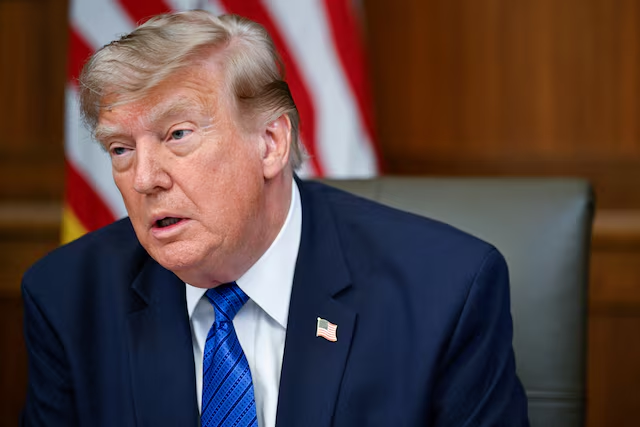
The Ukraine US weapons restrictions in 2026 debate has exposed another challenge for Kyiv as it tries to defend its territory and negotiate from a position of strength. Ukrainian President Volodymyr Zelensky reportedly urged a bipartisan group of US senators on October 19 to press the Trump administration over alleged limits on intelligence sharing and weapons supplies.
According to Axios, Ukrainian officials believe these restrictions could form part of Washington’s effort to push Kyiv toward a settlement involving concessions to Russia. The administration’s position and the details of any restrictions require careful scrutiny, but the dispute shows how military assistance and diplomacy can become closely connected.
Why Intelligence Sharing Matters
Modern warfare depends on more than weapons. Intelligence can help military commanders assess threats, monitor troop movements and understand the risks facing cities and infrastructure.
Restrictions on intelligence sharing could therefore affect operational planning. The practical impact, however, depends on which information partners share, how quickly they provide it and what alternative sources remain available.
Why Weapons Support Matters to Kyiv
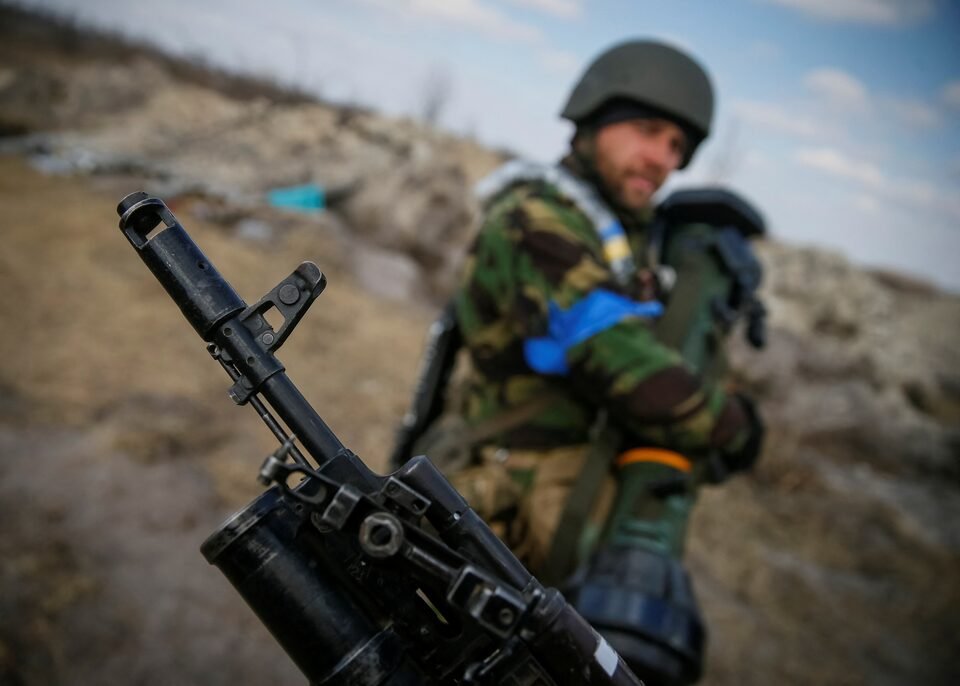
Ukraine relies on international support for various military capabilities. Changes in deliveries can influence its ability to replace equipment, protect infrastructure and sustain operations.
Yet support is not simply a question of quantity. Timing, training, ammunition supplies, maintenance and the type of equipment all affect its usefulness.
Can Military Pressure Produce a Peace Agreement?
Supporters of using aid as diplomatic leverage may argue that it can encourage negotiations. Critics may warn that reducing assistance could weaken a negotiating partner and increase pressure to accept unfavourable terms.
Neither outcome is automatic. A settlement would depend on the terms offered, the parties’ security concerns and whether any agreement could be monitored and enforced.
What Happens Next?
The next indicators include public statements from Washington and Kyiv, congressional scrutiny, confirmed weapons deliveries and progress in negotiations with Moscow.
For Ukraine, the challenge is to preserve its defensive capabilities while pursuing diplomacy. For Washington, the debate concerns how to balance military support, negotiation strategy and the wider goal of ending the war.
The dispute demonstrates that decisions in Washington can influence not only battlefield calculations but also the diplomatic choices available to both sides.