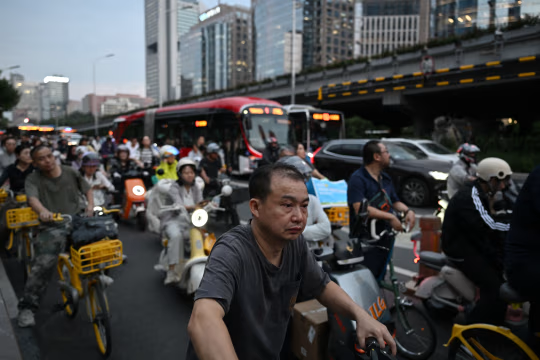
The China export boom in 2026 is supporting industrial production, but strong overseas sales may not tell the whole story about the country’s economic health. When exports provide more momentum than domestic consumption and investment, policymakers face pressure to strengthen demand at home while managing tensions with trading partners.
China’s stronger-than-expected third-quarter growth featured in reporting on October 19, which noted that exports had helped offset weak spending and investment. The broader question is whether this model can remain sustainable as other economies push back against rising import competition.
Why Exports Can Support Growth
Exports provide customers for manufacturers and can help factories maintain output. They also support logistics, ports, suppliers and jobs across production networks.
Large-scale manufacturing can make Chinese products competitive in international markets. Yet export growth can also expose the economy to changes in foreign demand, tariffs and political decisions made by other governments.
The Domestic Demand Challenge
When households feel uncertain about income or future expenses, they may limit spending. Businesses may also postpone investment if they expect weak demand.
A stronger domestic market can give companies an additional source of revenue and reduce their reliance on overseas buyers.
Policymakers can use different measures to encourage consumption and investment, but the effectiveness of those policies depends on household confidence, employment conditions and the wider financial environment.
Why Other Economies Are Watching Closely
A large flow of competitively priced imports can benefit consumers and businesses that use imported components. At the same time, local producers may struggle to compete, particularly in sectors facing excess capacity or weak demand.
Governments could respond with trade investigations, tariffs or industrial support. Such measures may protect selected industries, but they can also raise costs and prompt retaliation.
What Could Happen Next?
Investors should watch retail spending, private investment, export orders, industrial output and trade-policy announcements.
If domestic demand strengthens, China may gain a more balanced growth model. If exports continue to carry much of the burden, the country could face greater exposure to foreign political decisions.
The export boom is an important economic strength, but it does not remove the need to address domestic challenges or maintain stable trading relationships.