Ukraine is facing a new political test after its prosecutor general offered his resignation, citing political reasons. The Ukraine prosecutor general resignation comes at a sensitive moment as Kyiv continues fighting Russia while diplomatic efforts involving the United States remain active.
Reuters reported on September 8 that Prosecutor General Ruslan Kravchenko said he had offered to resign, describing the decision as political. The development is the latest sign of disagreement and instability within Ukraine’s senior leadership.
The resignation does not mean Ukraine’s government is collapsing.
However, it raises questions about political unity at a time when the country needs stable institutions to manage the war, international assistance and possible future negotiations.
Who Is Ukraine’s Prosecutor General?
The prosecutor general is one of Ukraine’s most important law-enforcement officials.
The office oversees the country’s prosecution system and plays a major role in investigating serious crimes.
The prosecutor general also has responsibilities connected to corruption cases, criminal investigations and war-related crimes.
That makes the position politically sensitive.
Any change at the top of the prosecution system can attract significant attention from Ukraine’s parliament, courts and international partners.
Why Did Kravchenko Resign?
Kravchenko cited political reasons for his decision.
However, the resignation does not by itself explain the full nature of the political disagreement.
Reuters described the move as another sign of disunity within Ukraine’s senior ruling establishment.
More details may emerge as lawmakers debate the resignation and the government determines who should replace him.
Why the Timing Matters
The timing is particularly important.
Ukraine remains at war with Russia.
At the same time, the Trump administration is attempting to encourage diplomatic contacts between Moscow and Kyiv.
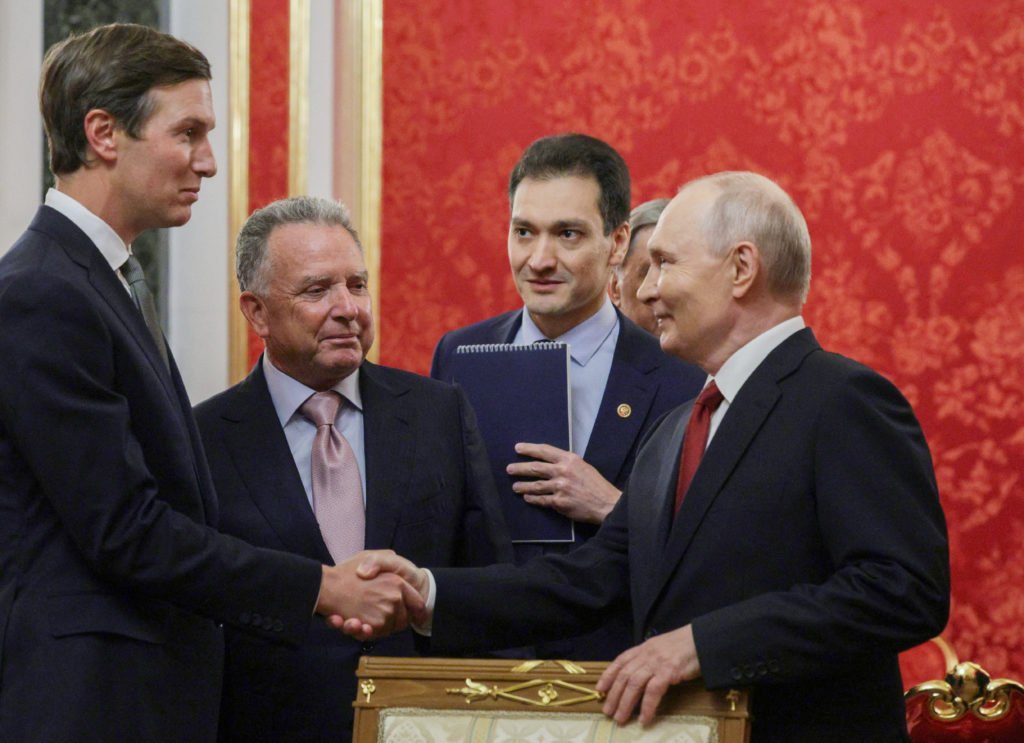
U.S. envoys Jared Kushner and Steve Witkoff have recently held discussions in both Moscow and Kyiv.
That means Ukraine’s leadership must manage military operations and diplomacy simultaneously.
Political instability could complicate both.
Ukraine Is Fighting and Negotiating at the Same Time
Modern wars are not fought only on battlefields.
Governments must also maintain international alliances, secure financial support and negotiate diplomatic arrangements.
Ukraine is currently doing all three.
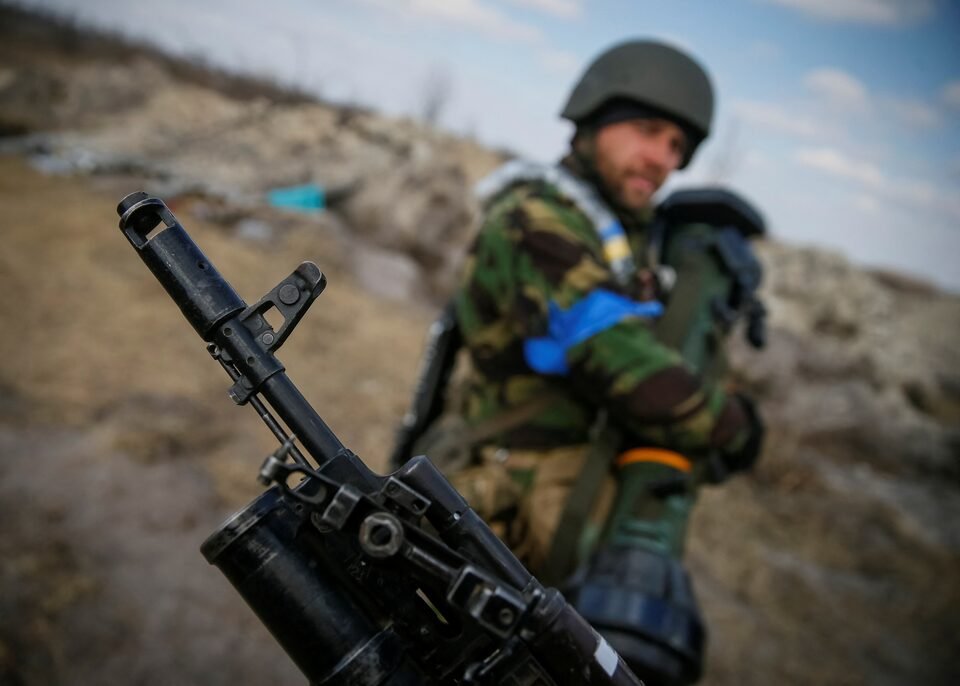
Its armed forces continue fighting Russia.
Its government depends heavily on international military and financial assistance.
And Kyiv must remain prepared for negotiations if diplomatic opportunities develop.
A stable political system is therefore essential.
Why Political Unity Matters
Ukraine’s government has faced enormous pressure since Russia’s full-scale invasion.
The country needs clear decision-making structures.
Military commanders need reliable political leadership.
International partners need confidence that agreements will be implemented.
Investors and donors also need confidence in government institutions.
Leadership disputes can therefore have consequences beyond domestic politics.
Is Ukraine Facing a Political Crisis?
The Ukraine political crisis 2026 question requires caution.
One resignation does not necessarily constitute a full political crisis.
However, a series of senior-level disputes or departures could create a more serious problem.
Ukraine’s leadership will therefore be judged by how quickly and smoothly it manages the transition.
If a replacement is appointed quickly and the prosecution system continues functioning, the political impact could remain limited.
If the resignation becomes part of a broader struggle among senior officials, the consequences could be greater.
The War Makes Everything More Complicated
Political disagreements are more difficult during wartime.
Ukraine is dealing with Russian missile and drone attacks, military casualties, infrastructure damage and economic pressure.
At the same time, officials must make decisions about national security and international diplomacy.
That creates enormous stress within government institutions.
A normal political disagreement can become much more consequential during an active war.
Corruption and Rule of Law Remain Important
Ukraine has made commitments to strengthening the rule of law and fighting corruption.
These reforms are important because Ukraine wants to deepen its relationship with European institutions.
European Union membership discussions also require progress on judicial and institutional reforms.
The prosecutor general’s office is therefore particularly important.
International partners will be watching closely to ensure that political changes do not weaken Ukraine’s law-enforcement institutions.
Why Europe Is Watching
European governments have invested heavily in supporting Ukraine.
They have provided financial assistance, humanitarian aid and military support.
They also have a strong interest in Ukraine’s institutional stability.
A functioning justice system is part of the broader European integration process.
Therefore, developments surrounding the prosecutor general’s office will likely attract attention in European capitals.
The U.S. Connection
The United States is another important stakeholder.
Washington has provided extensive military and financial assistance to Ukraine.
The Trump administration is also pursuing diplomatic contacts aimed at ending the war.
That makes political stability inside Kyiv important to U.S. policymakers.
Washington needs to know who can make commitments on behalf of Ukraine and whether those commitments can survive changes inside the government.
The Peace Process Adds Pressure
The resignation comes at a time when diplomatic efforts are attracting renewed attention.
Reuters reported that Russian President Vladimir Putin held talks with U.S. envoys after they arrived in Moscow, while U.S. representatives later met Ukrainian officials in Kyiv.
However, these discussions have not produced a confirmed peace agreement.
The war remains active.
That makes Ukraine’s internal political stability even more important.
Russia Could Try to Exploit Political Divisions
Any visible political disagreement in Kyiv could become part of Russia’s information strategy.
Moscow has repeatedly portrayed Ukraine as politically unstable.
Russian officials and state media could use senior resignations as evidence supporting that narrative.
Ukraine will therefore have an incentive to demonstrate that its institutions remain functional.
Could the Resignation Affect the War?
Not directly.
The prosecutor general does not command Ukraine’s armed forces.
However, political instability can indirectly affect wartime governance.
Government attention can be diverted toward internal disputes.
Appointments can become politicized.
Public confidence can be affected.
International partners may also become more cautious if leadership changes appear unpredictable.
What Happens to War-Crimes Investigations?
Ukraine’s prosecution system has been involved in documenting alleged Russian war crimes.
Those investigations are important for future accountability.
Ukraine has worked with international organizations and foreign governments to preserve evidence.
A leadership change at the prosecutor general’s office therefore raises questions about continuity.
The key issue will be whether investigations continue without interruption.
What Happens Next?
Ukraine’s parliament and government will now have to deal with the resignation.
A replacement will need to be selected.
The new prosecutor general will inherit a large and complicated workload.
That includes domestic criminal cases, corruption investigations and war-related prosecutions.
The new official will also face pressure to maintain the confidence of international partners.
Could This Affect Ukraine’s EU Ambitions?
Potentially, although one resignation is unlikely to determine Ukraine’s European future.
EU integration requires long-term institutional reforms.
Judicial independence, anti-corruption measures and effective law enforcement are all important.
The new prosecutor general will therefore operate under close scrutiny.
Ukraine Needs Institutional Stability
The country’s military situation already creates enough uncertainty.
Political institutions need to provide stability rather than additional disruption.
That does not mean officials should never resign.
It means transitions need to be handled transparently and according to established legal procedures.
The next few weeks will show whether Ukraine can manage this change smoothly.
The Bigger Political Question
The Ukraine prosecutor general resignation raises a broader question about the country’s political system during wartime.
How can Ukraine maintain democratic institutions while facing an existential military threat?
How can officials disagree without creating political paralysis?
And how can Kyiv demonstrate to international partners that its institutions remain reliable?
These questions will become increasingly important if peace negotiations gain momentum.
What International Partners Will Watch
Foreign governments are likely to monitor several things:
- Who replaces Kravchenko
- Whether investigations continue normally
- Whether parliament approves the transition smoothly
- Whether other senior officials resign
- Whether anti-corruption reforms continue
- Whether cooperation with European institutions remains strong
- Whether diplomatic talks with Russia continue
The answers will determine whether the resignation remains an isolated political development or becomes part of something larger.
Conclusion
The Ukraine prosecutor general resignation has introduced another political complication for Kyiv at a time when the country is already dealing with war, diplomatic pressure and economic challenges.
Ruslan Kravchenko’s decision to offer his resignation for political reasons is the latest sign of disagreement within Ukraine’s senior leadership.
The development does not automatically mean Ukraine is entering a major political crisis.
The more important question is what happens next.
If Kyiv manages a smooth transition and maintains the independence and effectiveness of its prosecution system, the impact could remain limited.
If the resignation becomes part of a wider wave of political disputes, however, concerns about the Ukraine political crisis 2026 could grow.
The timing makes the situation especially important.
Ukraine is simultaneously fighting Russia and participating in renewed diplomatic contacts involving the United States.
That requires strong political coordination.
For Ukraine’s international partners, the key issue will be continuity.
For Kyiv, the challenge will be demonstrating that political disagreements can be managed without weakening the institutions needed to defend the country and pursue a possible future peace.
Frequently Asked Questions
Why did Ukraine’s prosecutor general resign?
Ruslan Kravchenko said he had offered his resignation for political reasons. Further details about the dispute may emerge as Ukraine’s political institutions consider the resignation.
Who is Ruslan Kravchenko?
Ruslan Kravchenko is Ukraine’s prosecutor general, responsible for overseeing the country’s prosecution system.
Does the resignation mean Ukraine’s government is collapsing?
No. A prosecutor general’s resignation does not mean the Ukrainian government is collapsing. The significance depends on what happens next.
Why is the prosecutor general important?
The office oversees major criminal prosecutions and plays an important role in corruption investigations and war-crimes cases.
Could this affect Ukraine’s peace negotiations?
The resignation does not directly stop negotiations, but political stability is important as Ukraine manages diplomatic contacts with Russia and the United States.
Why is Europe watching the situation?
Ukraine’s rule-of-law and judicial reforms are important to its broader European integration ambitions.
Could Russia use the resignation politically?
Yes. Moscow could use political divisions in Kyiv as part of its broader information campaign against the Ukrainian government.