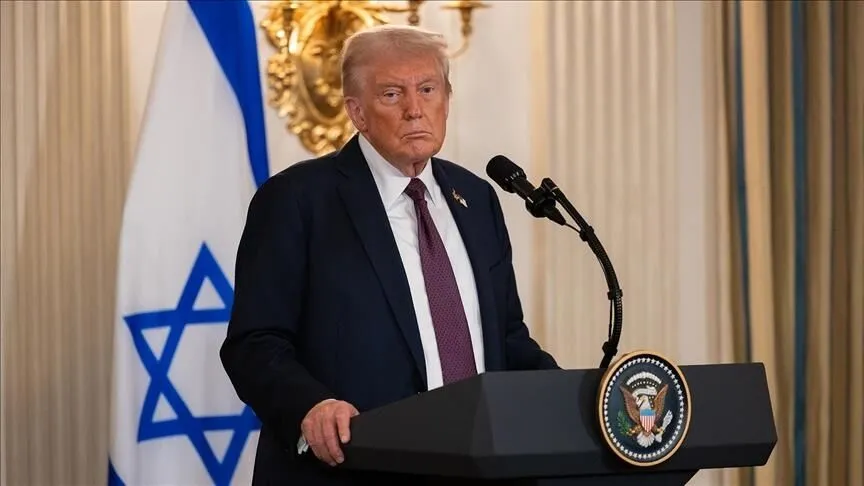
Politics in Latin America has always been shaped by powerful global forces, historical alliances, and shifting ideological movements. In recent years, one figure from the United States has unexpectedly become a major influence in political conversations throughout the region: Donald Trump.
Whether through policy decisions, diplomatic stances, or ideological symbolism, Trump’s political presence continues to echo far beyond the borders of the United States. Analysts often describe this phenomenon as Trump influence on Latin American politics, highlighting how his policies and political style have sparked debates among leaders, voters, and commentators throughout the continent.
From Mexico to Brazil and Argentina to El Salvador, political leaders and parties increasingly refer to Trump’s policies and messaging when shaping their own strategies. Some view his approach as a model for nationalist politics, while others criticize it as a disruptive force in international diplomacy.
Regardless of perspective, one thing remains clear: the ripple effects of Trump’s leadership continue to shape the US-Latin America political relations landscape in unexpected ways.
A Historical Context of US Influence in Latin America
The relationship between the United States and Latin America has long been complex. Throughout the twentieth century, political developments in Washington frequently influenced economic and diplomatic decisions across the region.
Trade agreements, immigration policies, and foreign aid programs have all played important roles in shaping regional politics. However, the arrival of Donald Trump in American politics introduced a new style of leadership that many observers describe as unconventional and highly impactful.
The idea of Trump influence on Latin American politics gained traction during his presidency, particularly due to strong rhetoric on immigration, border security, and trade negotiations.
These policies not only affected relations between the United States and its southern neighbors but also became major talking points in domestic political debates across Latin America.
Immigration Policy and Regional Reactions
One of the most visible aspects of Trump’s presidency was his tough stance on immigration. Policies focusing on border security and migration enforcement became central to his administration’s agenda.
These decisions had immediate consequences for Latin American countries, especially those whose citizens often migrate to the United States for economic opportunities.
Governments across the region reacted in different ways. Some leaders criticized the policies, while others adopted similar rhetoric to appeal to nationalist voters in their own countries.
This dynamic reinforced the concept of Trump influence on Latin American politics, as immigration policy debates began shaping political narratives throughout the region.
Economic Policy and Trade Debates
Trade relationships between the United States and Latin America have always played a crucial role in regional economic stability. Trump’s administration renegotiated major trade agreements and adopted a more protectionist economic approach.
These decisions sparked intense discussions among Latin American governments about economic independence, regional trade partnerships, and the future of globalization.
Observers of US-Latin America political relations noted that Trump’s economic policies pushed some countries to strengthen regional alliances while others attempted to deepen bilateral ties with Washington.
The result was a complex economic landscape where political decisions in the United States influenced markets and trade strategies across the hemisphere.
Political Messaging and Populist Movements
Beyond policy decisions, Trump’s political style itself has had a significant impact on Latin American politics. His direct communication style, strong nationalist messaging, and emphasis on challenging traditional political elites resonated with certain political movements.
Several leaders in Latin America have adopted similar strategies, focusing on national sovereignty, strong leadership narratives, and anti-establishment rhetoric.
This trend has led analysts to explore how Trump influence on Latin American politics extends beyond diplomacy and into campaign strategies and political branding.
In some countries, candidates openly reference Trump’s approach as inspiration, while others position themselves as ideological opposites to mobilize voters.
Social Media and Political Influence
The digital age has transformed how political influence spreads across borders. Social media platforms allow political messaging to travel instantly from one country to another.
Trump’s frequent use of social media during his political career amplified his voice globally. Statements, policy announcements, and campaign messages quickly reached audiences far beyond the United States.
As a result, discussions about US-Latin America political relations increasingly take place online, where political narratives evolve rapidly and influence public opinion.
This digital environment allows political movements in Latin America to observe and adapt strategies from global leaders in real time.
Changing Alliances in the Region
Another area where Trump’s presence has been felt is in diplomatic alliances. Some Latin American governments strengthened their ties with Washington during his presidency, while others distanced themselves due to policy disagreements.
These shifting relationships highlight the broader transformation of US-Latin America political relations in recent years.
Countries that aligned more closely with American policies often emphasized security cooperation and economic partnerships. Others sought alternative alliances with regional or global powers.
This evolving diplomatic landscape reflects the broader political earthquake that many observers associate with Trump’s influence.
The Role of Public Opinion
Public opinion in Latin America has also played a crucial role in shaping the narrative around Trump’s influence. Surveys conducted in various countries reveal mixed perceptions of his policies and leadership style.
Some citizens view his approach as decisive and bold, particularly regarding economic nationalism and border control. Others criticize it as confrontational and potentially harmful to international cooperation.
These diverse perspectives contribute to the ongoing debate about Trump influence on Latin American politicsand how it affects regional stability.
Media Coverage and Political Narratives
Media outlets across Latin America frequently analyze American politics, particularly when decisions in Washington affect regional interests.
Trump’s presidency generated extensive coverage, with newspapers, television programs, and digital platforms discussing the potential consequences of his policies.
This constant attention reinforced the idea that developments in the United States remain deeply connected to US-Latin America political relations.
In many cases, political debates within Latin American countries now include references to American political dynamics.
Future Political Implications
Even after leaving office, Trump’s influence continues to shape political discussions across the region. Political leaders and parties still refer to his policies when debating issues such as immigration, economic nationalism, and international alliances.
The long-term impact of Trump influence on Latin American politics will likely depend on how future American administrations approach diplomacy and regional cooperation.
At the same time, Latin American countries are increasingly developing their own political identities and regional partnerships.
This evolving environment will determine how US-Latin America political relations unfold in the coming years.
Conclusion
The political landscape of Latin America remains dynamic and complex. Global leadership, economic trends, and social movements all play roles in shaping the region’s future.
Donald Trump’s presence in international politics introduced a new dimension to these dynamics. Through policy decisions, political messaging, and media attention, his influence continues to echo throughout the region.
Understanding Trump influence on Latin American politics provides valuable insight into how global political figures can reshape debates far beyond their own countries.
As Latin America navigates economic challenges, electoral shifts, and diplomatic opportunities, the evolving nature of US-Latin America political relations will remain a key factor in the region’s political future.