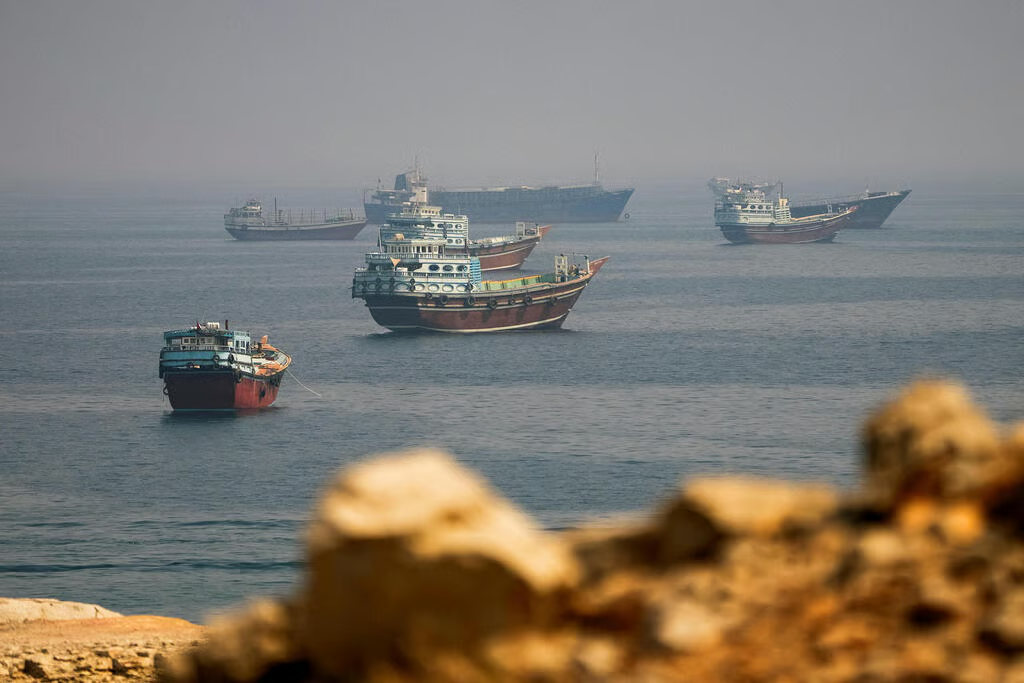
The Strait of Hormuz has once again become the focus of global attention after Iran issued a warning regarding the movement of US warships operating in one of the world’s most strategically important waterways. The warning came amid heightened tensions following reports of a vessel struck in Hormuz, adding another layer of uncertainty to an already fragile regional security situation.
For decades, the Strait of Hormuz has served as one of the most critical maritime passages for global energy supplies. Every day, millions of barrels of crude oil and liquefied natural gas travel through this narrow channel connecting the Persian Gulf with international markets. Any military activity, diplomatic dispute, or shipping incident in the area immediately captures worldwide attention because of its potential impact on global trade, oil prices, and geopolitical stability.
Recent developments have intensified concerns among governments, shipping companies, and financial markets alike. Iran’s latest statements regarding naval movements suggest that maritime tensions remain far from resolved, even as diplomatic discussions continue in the background. According to Reuters, Iran warned that changes to U.S. naval routes in the Strait could increase regional risks following the recent shipping incident. (Reference: Reuters, August 4, 2026.)
Why the Strait of Hormuz Matters
The Strait of Hormuz is widely regarded as one of the world’s most important maritime chokepoints.
Its strategic importance includes:
- Around one-fifth of global oil exports pass through the Strait.
- Major Gulf producers rely on the waterway for energy exports.
- International shipping companies use the route daily.
- Global energy prices often react immediately to any disruption.
Because so much of the world’s energy supply depends on uninterrupted navigation through the Strait, even isolated security incidents can trigger global economic consequences.
Iran’s Warning to US Warships
Iranian military officials stated that foreign naval vessels should avoid altering established navigation routes inside the Strait of Hormuz without proper coordination.
According to Iranian authorities, unexpected changes in military vessel movements may increase the risk of misunderstandings or accidental confrontations.
The warning follows heightened regional military activity and comes shortly after reports that a commercial vessel was struck in Hormuz, raising concerns about maritime safety.
Although Iran did not announce any immediate military action, its statement reflects the continuing sensitivity surrounding foreign naval operations near its coastline.
The Recent Struck in Hormuz Incident
The latest maritime incident has attracted international concern after reports confirmed that a commercial ship was struck while passing through the Strait of Hormuz.
Investigations into the incident remain ongoing, and officials have not publicly identified the exact source or circumstances behind the strike.
Nevertheless, the event has highlighted several ongoing concerns:
- Maritime security
- Commercial shipping safety
- Military presence in regional waters
- Protection of global energy supplies
Shipping operators have increased monitoring while governments continue evaluating the security situation.
Rising Regional Tensions
The warning regarding US warships comes during a period of elevated military and political tensions throughout the Middle East.
Recent months have seen:
- Military deployments by several nations
- Increased naval patrols
- Diplomatic disagreements
- Regional security negotiations
- Commercial shipping disruptions
These developments have created an environment where even routine naval movements are closely monitored by multiple countries.
Impact on Global Shipping
Shipping companies are among the first to respond whenever security risks emerge in the Strait of Hormuz.
Many international carriers now:
- Review voyage plans regularly.
- Coordinate closely with naval authorities.
- Purchase additional insurance coverage.
- Implement enhanced onboard security measures.
Although commercial traffic continues through the Strait, operators remain cautious because unexpected incidents can affect schedules and operating costs.
Oil Markets React Quickly
Energy markets closely watch every development involving the Strait of Hormuz.
Whenever tensions rise, traders immediately evaluate the possibility of supply disruptions.
Possible market impacts include:
Higher Oil Prices
Any interruption to exports may reduce available global supply.
Increased Market Volatility
Investors often respond rapidly to geopolitical uncertainty.
Shipping Costs
Insurance premiums and freight rates may rise if security concerns persist.
Because the Strait handles such a large share of international energy trade, even the perception of increased risk can influence global commodity prices.
Role of US Warships in the Gulf
The United States has maintained a naval presence in the Persian Gulf for decades.
The primary objectives include:
- Protecting freedom of navigation.
- Supporting regional allies.
- Securing commercial shipping lanes.
- Deterring potential attacks on international vessels.
American naval operations frequently involve patrols, escort missions, and cooperation with allied maritime forces.
Iran, however, has consistently argued that foreign military activity near its territorial waters contributes to regional instability.
Diplomatic Challenges Continue
The maritime warning arrives at a time when diplomatic relations between Washington and Tehran remain uncertain.
Public statements from both governments have differed regarding possible negotiations.
While some officials continue expressing optimism about diplomatic engagement, others maintain that significant disagreements remain unresolved.
Key issues include:
- Regional security
- Maritime navigation
- Sanctions
- Military activities
- Nuclear-related concerns
These unresolved topics continue influencing both diplomatic discussions and military planning.
International Response
Countries around the world continue urging restraint.
Major importers of Gulf energy supplies recognize that prolonged instability could affect:
- Global inflation
- Fuel prices
- Manufacturing costs
- International shipping
- Financial markets
As a result, many governments continue encouraging dialogue while monitoring developments closely.
Possible Future Scenarios
Several outcomes remain possible over the coming weeks.
Diplomacy Improves
If communication between Washington and Tehran progresses, regional tensions could gradually decline.
Continued Military Presence
Both countries may continue maintaining strong naval deployments while avoiding direct confrontation.
Additional Maritime Incidents
Further shipping disruptions could increase insurance costs and affect global trade.
Stable Navigation
Despite political disagreements, commercial shipping could continue operating normally if security conditions improve.
Why Businesses Are Watching Closely
The private sector has significant financial exposure to developments in the Strait of Hormuz.
Industries closely monitoring events include:
- Oil producers
- Airlines
- Shipping companies
- Manufacturers
- Commodity traders
Even small disruptions may affect transportation costs worldwide.
What Experts Are Monitoring
Security analysts continue watching several important indicators:
- Naval movements
- Commercial shipping traffic
- Official government statements
- Energy prices
- Diplomatic developments
- Maritime safety reports
Each new development helps determine whether tensions are increasing or gradually easing.
Conclusion
Iran’s latest warning regarding US warships underscores the continuing sensitivity surrounding military operations in the Strait of Hormuz. Coming shortly after the recent struck in Hormuz incident, the statement highlights how quickly maritime security issues can influence diplomacy, military planning, and global markets.
While commercial shipping continues through one of the world’s busiest energy corridors, uncertainty remains. Governments, businesses, and financial markets will continue watching developments closely as regional tensions evolve. Whether diplomacy ultimately prevails or security concerns deepen will shape not only the future of the Gulf region but also the stability of global energy supplies and international trade.