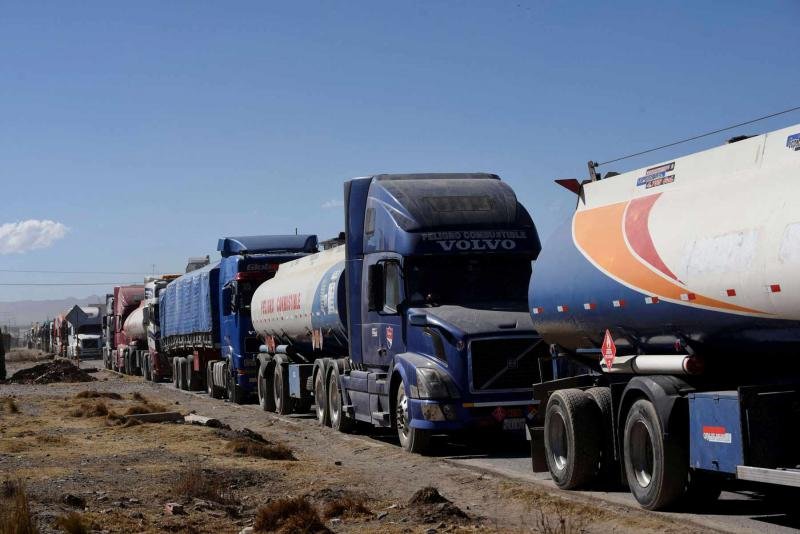
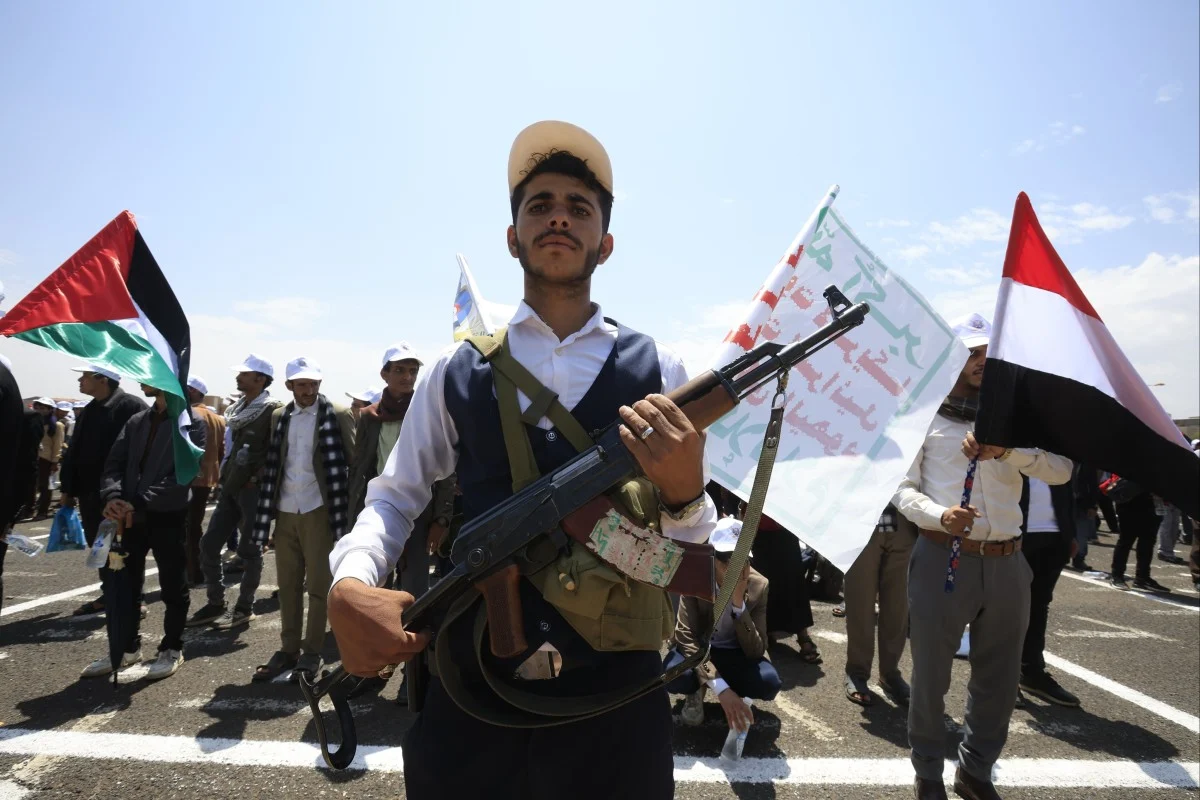
For decades, the United States has played a major role in the Middle East, influencing regional politics, security, trade, and diplomacy. From military alliances and counterterrorism operations to energy security and peace negotiations, Washington has remained deeply involved in one of the world’s most strategically important regions.
However, growing debates among policymakers, analysts, and scholars have led many to ask whether America Must Let Go of its long-standing commitment to the Middle East. Supporters of a reduced U.S. presence argue that changing global priorities, rising competition with China, and the growth of domestic energy production justify a strategic shift. Others believe that reducing American engagement could create instability, encourage rival powers to expand their influence, and threaten global economic security.
This analysis explores both perspectives, examining the potential benefits, risks, and broader implications of a changing U.S. strategy.
Why the Debate Has Intensified
The question of whether America Must Let Go of the Middle East has become more prominent as global politics evolve. Over the past two decades, the United States has spent significant financial and military resources on conflicts and security operations across the region.
At the same time, American strategic priorities have expanded to include competition in the Indo-Pacific, cybersecurity, emerging technologies, and economic resilience. These developments have encouraged policymakers to reconsider how national resources should be allocated.
Supporters of a strategic shift argue that future challenges increasingly lie outside the Middle East.
Arguments Supporting Reduced U.S. Involvement
1. Shifting Strategic Priorities
Many analysts believe the United States should devote greater attention to the Indo-Pacific, where economic competition and military modernization increasingly shape international relations.
Reducing commitments in the Middle East could allow Washington to redirect military assets, diplomatic efforts, and financial resources toward emerging challenges.
2. Greater Energy Independence
The United States has significantly increased domestic oil and natural gas production over the past decade.
Although global energy markets remain interconnected, supporters argue that America is less dependent on Middle Eastern oil than in previous decades.
As a result, some believe large-scale military deployments designed primarily to secure energy supplies may no longer be necessary.
3. Reducing Military Costs
Maintaining overseas military operations requires substantial investment.
Advocates who argue America Must Let Go suggest that reducing permanent deployments could lower defense expenditures while allowing increased investment in infrastructure, education, research, and advanced technology.
4. Encouraging Regional Responsibility
Another argument suggests regional governments should assume greater responsibility for their own security.
Supporters believe local partnerships, diplomacy, and multilateral cooperation can become stronger when regional nations lead security initiatives themselves.
Arguments Against Withdrawal
While some favor reducing American involvement, many experts warn against a rapid disengagement.
Maintaining Regional Stability
The Middle East remains critical to international trade, energy transportation, and maritime security.
Instability in the region can affect:
- Global oil prices
- Shipping routes
- International investment
- Inflation
- Supply chains
Because of these interconnected risks, many policymakers argue continued U.S. engagement remains essential.
Counterterrorism Concerns
Although terrorist organizations have suffered major setbacks, extremist groups continue operating in several areas.
Security analysts argue that intelligence sharing, regional partnerships, and targeted operations remain important tools for preventing future threats.
Reducing cooperation too quickly could create security gaps.
Protecting Long-Term Alliances
The United States has maintained close relationships with several Middle Eastern countries for decades.
These partnerships include:
- Defense cooperation
- Intelligence sharing
- Counterterrorism coordination
- Economic investment
- Technology collaboration
Some experts believe maintaining these alliances strengthens regional stability and American influence.
The Growing Influence of Other Global Powers
One important question is what happens if America Must Let Go of the Middle East while other major powers increase their engagement.
Countries including China and Russia have expanded diplomatic, economic, and security relationships across the region.
Infrastructure investment, energy cooperation, and arms agreements have become increasingly important elements of regional competition.
Many analysts argue that reducing U.S. involvement could accelerate this trend.
Economic Implications
The Middle East remains central to global commerce despite changes in energy production.
Major shipping lanes continue transporting:
- Oil
- Natural gas
- Consumer goods
- Industrial materials
Any disruption affecting these routes can influence international markets regardless of where energy is produced.
Consequently, American policymakers continue monitoring developments closely.
Diplomatic Opportunities
Some observers suggest that reducing military involvement does not necessarily mean abandoning diplomacy.
Instead, future American engagement could emphasize:
- Peace negotiations
- Economic partnerships
- Humanitarian assistance
- Technology cooperation
- Climate initiatives
- Regional development
This approach could maintain influence while lowering military commitments.
Balancing National Interests
The debate surrounding whether America Must Let Go reflects broader questions about balancing domestic priorities with international responsibilities.
Government leaders must consider:
- National security
- Economic stability
- Alliance commitments
- Military readiness
- Budget priorities
- Public opinion
Finding the appropriate balance remains one of the most complex challenges in foreign policy.
Possible Future Scenarios
Several outcomes remain possible.
Gradual Strategic Reduction
The United States could slowly reduce military deployments while maintaining diplomatic and intelligence partnerships.
Continued Regional Presence
Washington may decide that ongoing security commitments remain necessary due to continuing geopolitical risks.
Flexible Engagement
Rather than choosing complete withdrawal or permanent expansion, policymakers could adopt a flexible approach that adjusts military presence according to changing regional conditions.
Public Opinion
American public opinion regarding overseas military involvement has evolved over time.
Some citizens favor concentrating more resources on domestic priorities, while others believe maintaining international leadership remains essential for national security.
The debate continues across political parties, academic institutions, and foreign policy organizations.
Conclusion
The question of whether America Must Let Go of the Middle East has no simple answer. Supporters of a reduced American role emphasize changing strategic priorities, domestic investment, and greater regional responsibility. Critics argue that continued engagement helps preserve stability, supports long-standing alliances, and protects global trade.
Ultimately, future U.S. policy is likely to involve careful adjustments rather than dramatic changes. As international competition evolves and regional dynamics shift, Washington will continue balancing national interests with its long-standing commitments abroad.
Whether the United States reduces, maintains, or reshapes its presence, decisions made today will influence the geopolitical landscape of the Middle East and the broader international system for years to come.