Donald Trump has issued a strong warning to Iran, stating that the country would face devastating consequences if it targets U.S. naval vessels. His remarks come amid rising tensions in the Strait of Hormuz, a critical global shipping route.
The statement has intensified geopolitical concerns and placed renewed focus on ‘Project Freedom’, a strategic initiative aimed at safeguarding international waters and protecting global trade.
Why the Strait of Hormuz Matters
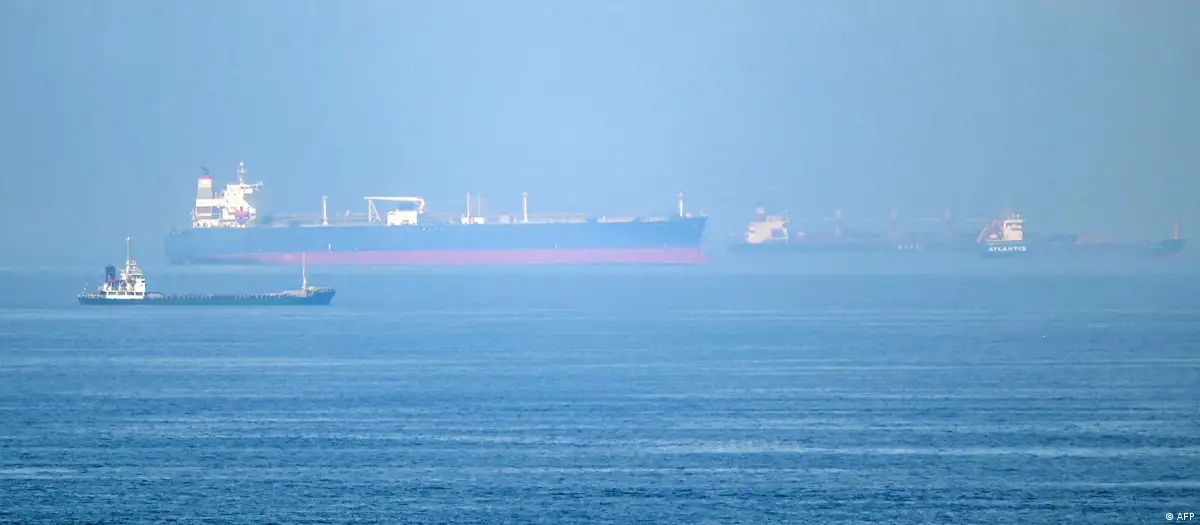
The Strait of Hormuz, located between the Persian Gulf and the Gulf of Oman, serves as one of the world’s most vital oil transit chokepoints. A significant portion of global oil supply passes through this narrow waterway.
Key facts about the Strait of Hormuz, include:
- Nearly 20% of global oil shipments move through it
- It connects major oil-producing nations to international markets
- Any disruption can trigger global economic instability
Given its importance, tensions in the Strait of Hormuz, have immediate worldwide implications.
Trump’s Warning and Strategic Messaging
Donald Trump made it clear that the United States would respond forcefully to any threat against its ships. His statement emphasized deterrence and aimed to prevent escalation.
According to Trump:
- The U.S. will protect its naval assets at all costs
- Any attack will trigger a decisive military response
- The administration will maintain freedom of navigation
The warning aligns with broader objectives under ‘Project Freedom’, which focuses on securing maritime routes.
What Is ‘Project Freedom’?
‘Project Freedom’ represents a strategic framework designed to ensure safe passage for international shipping, particularly in high-risk regions like the Strait of Hormuz,.
Key elements of ‘Project Freedom’ include:
- Deployment of naval forces to protect shipping lanes
- Coordination with allied nations
- Surveillance and intelligence gathering
- Rapid response to emerging threats
The initiative highlights the importance of maintaining stability in critical global trade routes.
Iran’s Position and Regional Tensions
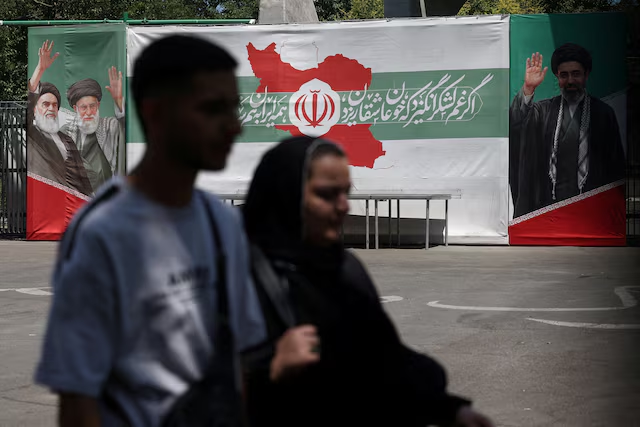
Iran has consistently emphasized its control over regional waters and has responded cautiously to U.S. statements. While it has not confirmed any plans to target U.S. ships, tensions remain high.
Regional dynamics include:
- Ongoing disputes over maritime boundaries
- Concerns about sanctions and economic pressure
- Military presence from multiple nations in the region
The situation in the Strait of Hormuz, remains highly sensitive.
Global Economic Implications
Any disruption in the Strait of Hormuz, could have immediate economic consequences. Markets closely monitor developments in the region due to its impact on oil supply.
Potential effects include:
- Rising oil prices
- Increased shipping costs
- Market volatility
- Global economic uncertainty
‘Project Freedom’ aims to minimize these risks by ensuring uninterrupted trade.
International Reactions
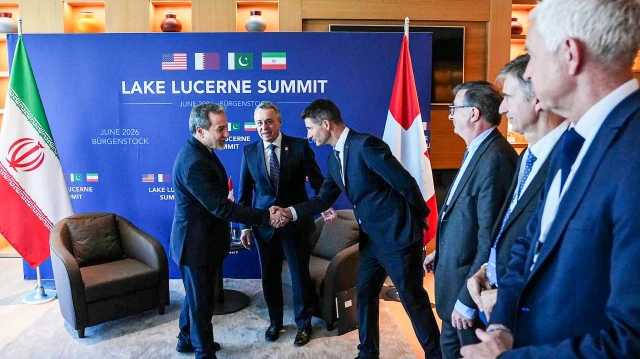
World leaders and international organizations have responded cautiously to the escalating rhetoric. Many have called for restraint and diplomatic engagement to avoid conflict.
Common concerns include:
- Risk of military escalation
- Impact on global trade
- Safety of international shipping
- Need for diplomatic solutions
The role of ‘Project Freedom’ remains central in discussions about maintaining stability.
Military Preparedness and Strategic Balance
The United States continues to maintain a strong naval presence in the region, reinforcing its commitment to protecting shipping routes.
Military considerations include:
- Strategic positioning of naval fleets
- Coordination with allied forces
- Monitoring of regional activities
- Preparedness for rapid response
The focus remains on deterrence rather than direct confrontation.
What Happens Next?
The situation continues to evolve as diplomatic efforts attempt to reduce tensions. Both sides face pressure to avoid escalation while protecting their strategic interests.
Possible developments include:
- Increased diplomatic negotiations
- Strengthening of ‘Project Freedom’ operations
- Continued monitoring of the Strait of Hormuz,
- Efforts to stabilize regional relations
The coming weeks will be critical in determining the direction of the conflict.
Conclusion: A High-Stakes Geopolitical Moment
Donald Trump has set a firm tone with his warning, placing the Strait of Hormuz, at the center of global attention. As ‘Project Freedom’ continues to shape U.S. strategy, the balance between deterrence and diplomacy will play a crucial role.
The world now watches closely as leaders navigate one of the most sensitive geopolitical challenges, where any misstep could have far-reaching consequences.