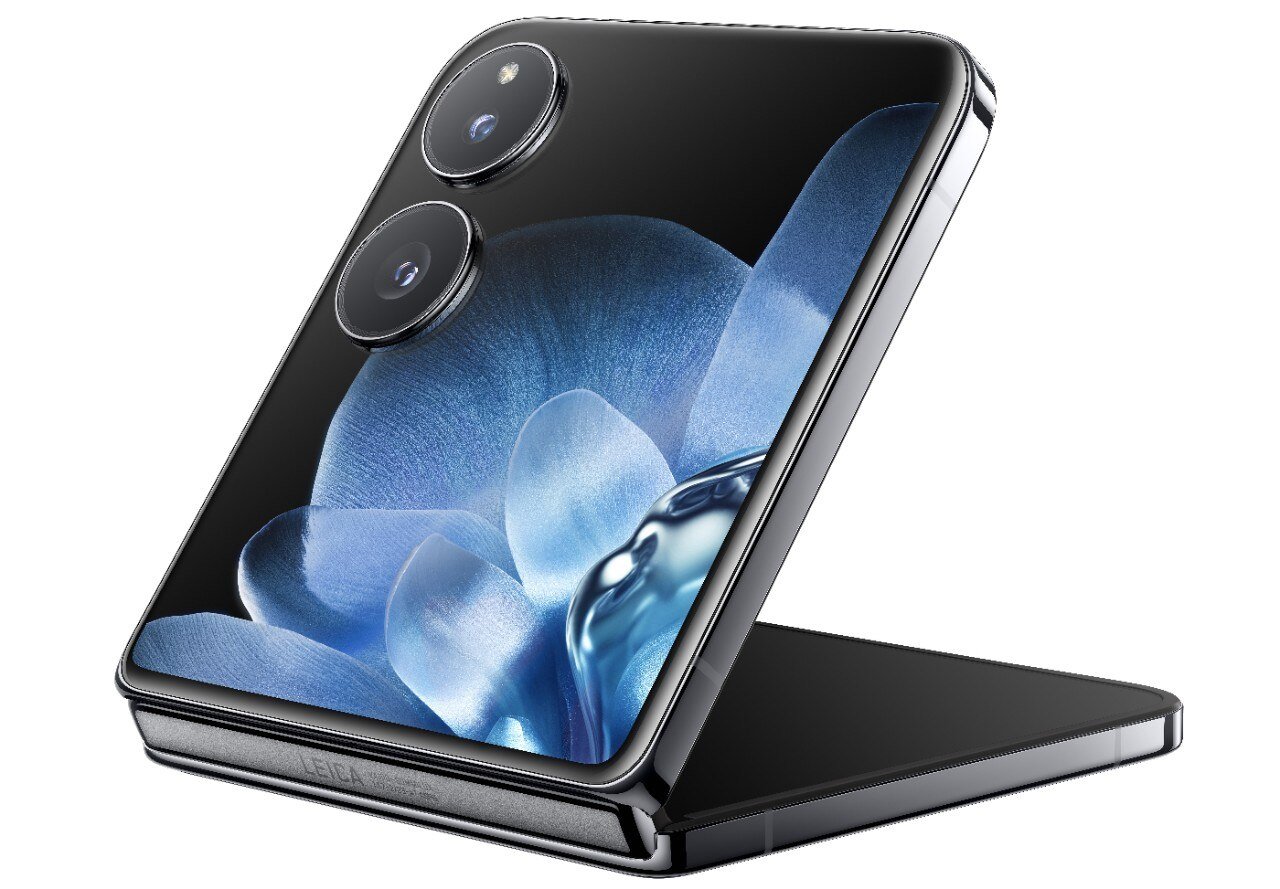
China memory chip technology is entering a new phase after ChangXin Memory Technologies, better known as CXMT, announced that it will supply its latest LPDDR6 DRAM for Xiaomi’s upcoming 18 Fold smartphone.
The development matters because LPDDR6 is the next generation of low-power memory technology for mobile devices. Xiaomi is expected to launch the new Xiaomi foldable phone in September, giving CXMT a high-profile opportunity to demonstrate its latest memory technology in a flagship consumer device.
More importantly, the announcement shows how quickly China’s semiconductor companies are trying to close the gap with established memory manufacturers such as Samsung Electronics and SK hynix.
This is no longer simply a story about one smartphone.
It is becoming a story about China’s ambitions in the global semiconductor industry.
Why the Xiaomi Foldable Phone Matters
Foldable smartphones require sophisticated hardware because manufacturers must balance performance, battery efficiency, heat management and physical space.
The upcoming Xiaomi foldable phone will combine CXMT’s LPDDR6 memory with Xiaomi’s internally developed Xring O3 processor.
Xiaomi says the Xring O3 uses a 3-nanometre manufacturing process and supports LPDDR6 memory. The processor is part of the company’s broader attempt to gain greater control over key components rather than relying entirely on outside chip suppliers.
That makes the 18 Fold an important showcase.
If the device performs well, Xiaomi can demonstrate that a Chinese-designed processor and Chinese-supplied memory can work together inside a premium smartphone.
What Is LPDDR6?
LPDDR stands for Low Power Double Data Rate memory.
Smartphones use this type of memory because it can deliver high performance while consuming relatively little power.
That balance becomes increasingly important as phones perform more demanding tasks.
Modern smartphones now handle advanced photography, gaming, artificial intelligence, multitasking and increasingly sophisticated on-device processing.
LPDDR6 is designed to provide another step forward in mobile memory performance and efficiency.
For CXMT, moving into this technology represents a significant development.
CXMT Is Moving Faster Than Many Expected
One of the most striking parts of the story is the speed of CXMT’s development.
The company only began mass-producing its previous-generation LPDDR5 memory less than a year ago.
Now it says it has started mass production of LPDDR6.
That rapid progression is one reason the latest China memory chip development has attracted attention from the global semiconductor industry.
CXMT has also supplied LPDDR6 samples for mobile devices, servers and smart cars, suggesting that its ambitions extend well beyond smartphones.
The company is therefore attempting to build a broader customer base for its memory technology.
China Is Trying to Reduce Dependence on Foreign Chips
For years, China has depended heavily on foreign companies for some of the world’s most advanced semiconductor technologies.
That dependence has become a major strategic issue amid growing U.S.-China technology tensions.
Washington has introduced restrictions designed to limit China’s access to certain advanced semiconductors and chipmaking equipment.
China has responded by investing heavily in domestic semiconductor development.
The rise of CXMT is part of that larger effort.
Instead of depending entirely on overseas memory suppliers, Chinese electronics manufacturers increasingly have a domestic alternative.
The Xiaomi foldable phone is an important example of how that domestic ecosystem can work.
The Real Competition Is Bigger Than Xiaomi
Samsung and SK hynix remain major forces in the global DRAM market.
Micron is another important competitor.
These companies have spent decades developing advanced manufacturing processes and enormous semiconductor research operations.
CXMT is now attempting to challenge them.
That does not mean China has suddenly surpassed all three companies.
The technology gap remains an important issue.
However, the pace of CXMT’s development indicates that the gap may be narrowing faster than some industry observers previously expected.
That could eventually change the balance of the global memory market.
CXMT’s Numbers Are Getting Attention
The company’s latest financial results provide another reason investors are watching.
CXMT reported that its revenue jumped 874% year over year to 150.3 billion yuan, equivalent to roughly $22.36 billion, according to Reuters.
The company also swung into profit during the first half of 2026, benefiting from strong demand for memory products and favorable pricing conditions.
Those numbers highlight how quickly the business is expanding.
However, the semiconductor industry is notoriously cyclical.
Strong prices today do not guarantee the same conditions tomorrow.
CXMT will therefore need to maintain both technological progress and production efficiency.
AI Is Quietly Driving the Memory Market
Although the headline involves a smartphone, the bigger memory story is connected to artificial intelligence.
AI systems require enormous amounts of high-performance memory.
Data centers need advanced memory for servers and accelerators, while smartphones increasingly use local AI processing.
That creates demand across several different markets.
CXMT says it has shipped LPDDR6 samples for smartphones, servers and smart cars.
Therefore, the company’s expansion could eventually extend far beyond consumer electronics.
The smartphone market may simply be one of the most visible places where consumers notice the change.
Xiaomi Is Building More of Its Own Technology
The memory deal also fits into Xiaomi’s broader semiconductor strategy.
Earlier this week, Xiaomi launched its Xring O3 processor and highlighted its move toward greater control over smartphone chip design.
Reuters reported that Xiaomi has invested more than 20 billion yuan, around $3 billion, in chip development and expanded its semiconductor design team to more than 3,000 people.
That investment is significant.
Instead of treating the processor as something purchased from another company, Xiaomi is developing more of the technology itself.
Now it is also working with a Chinese memory supplier for the upcoming foldable device.
That creates a much stronger domestic technology chain.
The Foldable Phone Market Is Becoming More Competitive
Foldable smartphones are no longer a niche experiment.
Major manufacturers are competing to make thinner, faster and more durable devices.
Huawei has been a particularly strong competitor in China’s premium foldable market.
Xiaomi is trying to strengthen its position with the 18 Fold.
The company expects the new device to arrive in September, putting it directly into a competitive premium market.
For Xiaomi, the hardware inside the phone may therefore be just as important as its exterior design.
The combination of the Xring O3 processor and LPDDR6 memory could become one of the device’s major selling points.
What Does This Mean for Samsung and SK hynix?
The rise of CXMT creates another competitive challenge for established memory manufacturers.
Samsung and SK hynix remain global leaders, with extensive experience in advanced DRAM production.
However, China’s enormous domestic technology market provides CXMT with a potentially powerful customer base.
Xiaomi is only one major Chinese electronics company.
Other smartphone manufacturers, server companies and technology businesses could eventually become customers as well.
If CXMT continues improving its production capabilities, it could gain a larger share of the global memory market.
That possibility makes the latest China memory chip development important beyond China.
A New Chapter in the Global Chip War
The semiconductor competition between China and the United States has traditionally focused on advanced processors, AI chips and manufacturing equipment.
Memory is becoming another important battlefield.
The ability to produce high-quality DRAM at scale matters because memory is fundamental to modern computing.
Phones need it.
Servers need it.
Cars need it.
AI systems need it.
Consequently, stronger domestic memory production could give China greater technological independence.
At the same time, it could intensify competition throughout the global semiconductor supply chain.
CXMT Faces a Political Challenge Too
The technology story comes at a politically sensitive moment.
CXMT has also filed a lawsuit against the U.S. Department of Defense after being included on a U.S. list of companies Washington says are linked to China’s military.
CXMT disputes the designation and says its products are intended for civilian and commercial applications.
The legal dispute adds another layer to the company’s expansion.
Even if CXMT succeeds technologically, restrictions and geopolitical tensions could influence where it can sell products and which equipment it can access.
Therefore, the company’s future will depend on more than engineering.
It will also depend on international trade policy.
Could China Become a Major Memory Power?
That is the bigger question.
China has already developed major semiconductor companies across several areas.
CXMT’s progress suggests that domestic memory manufacturing is becoming another important part of that ecosystem.
The company still faces challenges.
Advanced manufacturing requires enormous investment.
Production yields must remain high.
Technology must continue evolving.
And international restrictions can complicate access to equipment and materials.
Nevertheless, the combination of government support, domestic demand and private investment gives Chinese memory companies significant resources to continue expanding.
What Consumers Could Notice
For ordinary smartphone buyers, semiconductor competition can sound distant.
However, it can eventually affect the devices people use every day.
Better memory can contribute to faster multitasking.
It can support more demanding applications.
It can improve the ability of smartphones to perform AI functions locally.
It can also help manufacturers design thinner and more capable devices.
The Xiaomi foldable phone therefore represents more than another premium handset.
It is also a demonstration of how rapidly the underlying technology ecosystem is changing.
Why This Story Matters Now
The announcement comes at an important moment for the global chip industry.
AI demand is increasing the importance of memory.
Smartphone companies are searching for ways to control costs and supply chains.
China is trying to reduce dependence on foreign semiconductor technology.
Meanwhile, American restrictions are continuing to shape the competitive environment.
Against that background, CXMT putting LPDDR6 into a major Xiaomi product is a significant development.
It shows that China’s semiconductor ambitions are moving from laboratory development toward mass-market products.
The Bigger Battle Behind One Foldable Phone
The most important part of this story may not be the Xiaomi 18 Fold itself.
Instead, it is what the phone represents.
A Chinese smartphone company is preparing to launch a flagship device using a new generation of memory supplied by a Chinese memory manufacturer and paired with a processor designed by Xiaomi.
That combination illustrates how China’s domestic semiconductor ecosystem is becoming more integrated.
The process will not happen overnight.
Global leaders still have enormous advantages.
However, the direction is becoming increasingly clear.
China wants to build more of the technology that powers its electronics industry at home.
And the China memory chip industry is becoming a major part of that strategy.
Conclusion
The arrival of CXMT’s LPDDR6 memory inside Xiaomi’s upcoming Xiaomi foldable phone is much more significant than a routine supplier announcement.
It represents another step in China’s effort to build a stronger domestic semiconductor industry.
CXMT has moved rapidly from LPDDR5 production to LPDDR6, while Xiaomi is simultaneously expanding its own chip-design capabilities.
The companies still face serious competition from Samsung, SK hynix, Micron and other global technology leaders.
There are also major geopolitical risks.
Nevertheless, the latest development shows that China’s semiconductor industry is becoming increasingly capable of producing advanced components for high-end consumer devices.
The Xiaomi 18 Fold will eventually become another smartphone on store shelves.
But the technology inside it could tell a much bigger story.
The global memory-chip race is getting more competitive and China wants a much larger place at the table.
Frequently Asked Questions
What is the latest China memory chip development?
Chinese memory manufacturer CXMT has announced that it will supply LPDDR6 DRAM for Xiaomi’s upcoming 18 Fold smartphone, scheduled for release in September 2026.
What is the Xiaomi foldable phone using?
The Xiaomi 18 Fold is expected to use Xiaomi’s Xring O3 processor together with LPDDR6 memory supplied by CXMT.
What is LPDDR6?
LPDDR6 is a newer generation of low-power DRAM designed for mobile devices and other applications requiring high performance with efficient power consumption.
Is CXMT bigger than Samsung?
No. Samsung remains one of the world’s leading memory-chip manufacturers. CXMT is rapidly expanding, but it is still challenging established global leaders.
Why is China’s memory-chip industry important?
Domestic memory production could reduce China’s dependence on foreign suppliers and strengthen its semiconductor supply chain, particularly amid ongoing U.S.-China technology tensions.