Before the first missile is launched or troops are deployed, there is always a silent and often overlooked phase of tension. In this phase, pre-war indicators and geopolitical risk begin to surface, offering subtle warnings that conflict may be approaching. These early signals are not always visible to the public, but they are closely monitored by analysts, governments, and intelligence agencies trying to understand whether a situation could escalate into war.
What Is the Invisible Stage of Conflict?
The invisible stage refers to the period before open conflict, where tensions build quietly beneath the surface. During this time, countries may not officially declare hostility, but their actions begin to reflect rising distrust and strategic positioning.
This stage is characterized by:
- Diplomatic tension and strained relations
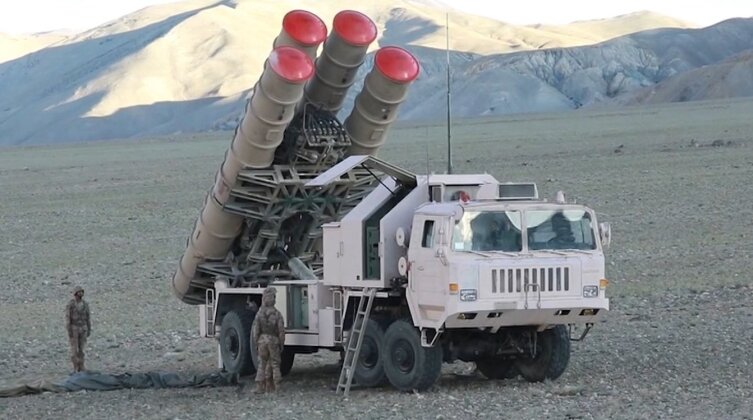
- Strategic military movements without direct confrontation
- Economic pressure through sanctions or trade restrictions
- Increased intelligence and surveillance activities
Although nothing appears openly aggressive, the groundwork for conflict is often being laid.
Understanding Pre-War Indicators
Pre-war indicators are early warning signs that suggest a conflict could be developing. These indicators are critical for policymakers and analysts who aim to prevent escalation before it reaches a breaking point.
Common indicators include:
- Sudden increase in military spending
- Troop mobilization near borders
- Withdrawal from international agreements
- Aggressive political rhetoric
- Formation of new alliances or defense pacts
These signals may seem isolated, but when combined, they often point toward rising tension.
The Role of Geopolitical Risk
Geopolitical risk refers to the potential for political instability to impact global peace, security, and economic systems. It plays a major role during the invisible stage of conflict.
High geopolitical risk can be triggered by:
- Territorial disputes
- Resource competition (oil, water, minerals)
- Ideological differences between nations
- Power struggles among global or regional leaders
As geopolitical risk increases, the likelihood of conflict escalation also rises.
Why These Early Signals Matter
Understanding the invisible stage of conflict is crucial because it provides an opportunity to prevent war before it begins. Early detection allows for diplomatic intervention, negotiation, and de-escalation strategies.
Benefits of recognizing these signals include:
- Preventing military escalation
- Reducing economic disruption
- Protecting civilian populations
- Maintaining global stability
Ignoring these early warnings can lead to rapid and uncontrollable conflict escalation.
How Modern Technology Is Changing Conflict Detection
Today, advanced technologies are making it easier to track pre-war developments. Artificial intelligence, satellite monitoring, and big data analytics are helping experts analyze patterns that were previously difficult to detect.
Modern tools can:
- Monitor troop movements in real time
- Analyze political speeches for aggressive shifts
- Track economic sanctions and trade changes
- Detect cyber activities linked to conflict preparation
These innovations are improving the ability to predict and respond to potential conflicts.
The Danger of Misinterpretation
While identifying pre-war indicators is important, there is also a risk of misinterpretation. Not all signals lead to war, and overreaction can sometimes worsen tensions.
Challenges include:
- Misreading defensive actions as aggressive intent
- Political bias influencing analysis
- Lack of complete or accurate information
- Rapidly changing global dynamics
This is why careful analysis and balanced decision-making are essential.
Conclusion
The invisible stage of international conflict is where the future of peace or war is often decided. By closely observing pre-war indicators and assessing geopolitical risk, nations and organizations can better understand emerging threats and take steps to prevent escalation. In an increasingly complex world, recognizing these early warning signs is not just important it is essential for maintaining global stability.