Venezuela opposition 2026 developments are drawing international attention after opposition leader María Corina Machado returned to the country and renewed pressure for democratic change. Her return comes at a pivotal moment: former President Nicolás Maduro was captured by US forces in January, acting President Delcy Rodríguez remains in office, and the country still lacks a confirmed date for new presidential elections.
For millions of Venezuelans, this moment raises an important question: could the country finally move toward a more democratic political system, or will negotiations and institutional delays keep meaningful change out of reach?
The answer will depend on more than the return of one opposition leader. Electoral reforms, political freedoms, economic recovery and the willingness of the interim authorities to accept genuine competition will all help determine Venezuela’s future.
Why Venezuela’s Opposition Is Back in the Spotlight
María Corina Machado has become the most prominent figure in Venezuela’s opposition movement. After spending much of the previous year in hiding and then abroad, she returned to Venezuela on 25 October 2026. Her arrival energized supporters who have spent years demanding political accountability and credible elections.
Machado’s return matters because she represents a wider movement that wants Venezuelans to choose their leaders through a transparent electoral process. Her political movement has challenged the legitimacy of the country’s previous election process and called for a transition that reflects voters’ choices.
However, her return does not automatically mean the opposition has regained control of political institutions. The interim authorities continue to govern, while discussions about electoral and institutional reforms remain incomplete.
The opposition must now turn renewed public attention into concrete progress.
How Venezuela Reached This Political Turning Point
Venezuela’s current political crisis has developed over many years. Under Hugo Chávez and later Nicolás Maduro, the country experienced growing political polarization, economic turmoil and disputes over democratic institutions.
The 2024 presidential election deepened those divisions. Authorities declared Maduro the winner, but the opposition published voting records that it said showed its candidate, Edmundo González Urrutia, had won. International criticism of the election process intensified after the authorities failed to publish a complete set of official voting tallies.
The dispute triggered protests and a harsh government response. Opposition figures faced arrests, restrictions and other pressure, while many Venezuelans continued to demand accountability.
The situation changed dramatically in January 2026, when US forces captured Maduro. Delcy Rodríguez, his former deputy, subsequently became acting president amid an extraordinary political transition.
Yet removing Maduro from power did not immediately resolve the institutional problems that had contributed to the crisis. Venezuela still needs a credible electoral framework, trusted public institutions and guarantees that political opponents can participate without intimidation.
Will Venezuela Hold Free Elections in 2027?
Elections are now central to the debate about Venezuela’s future. Opposition leaders want a credible vote, but the interim authorities have not established a firm timetable.
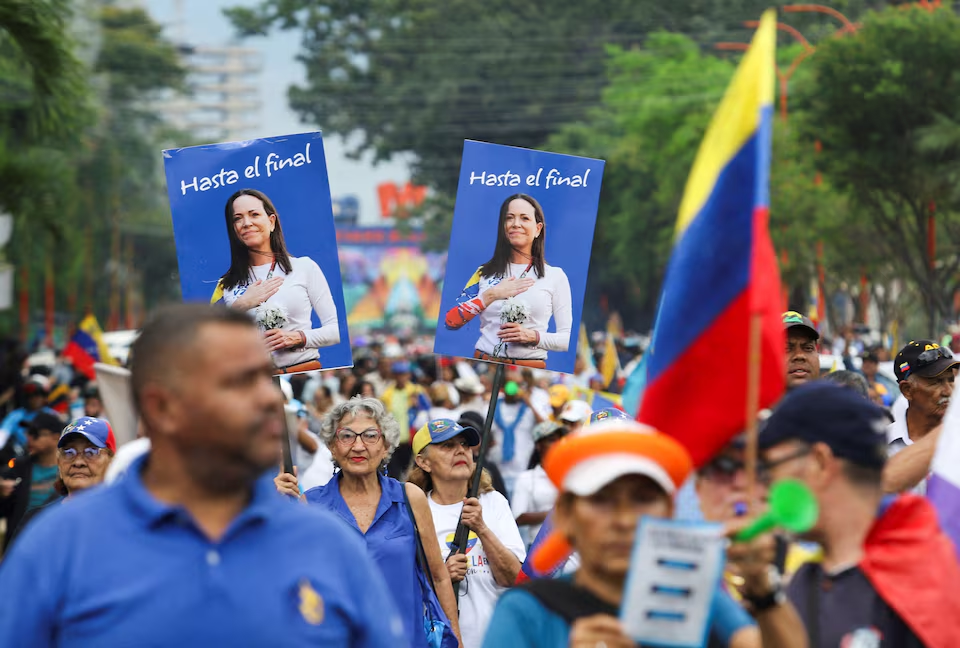
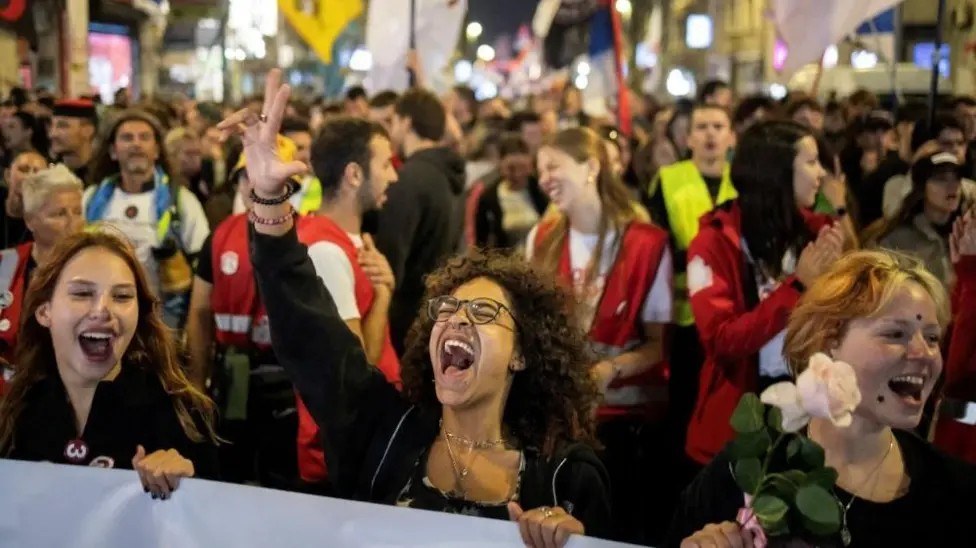
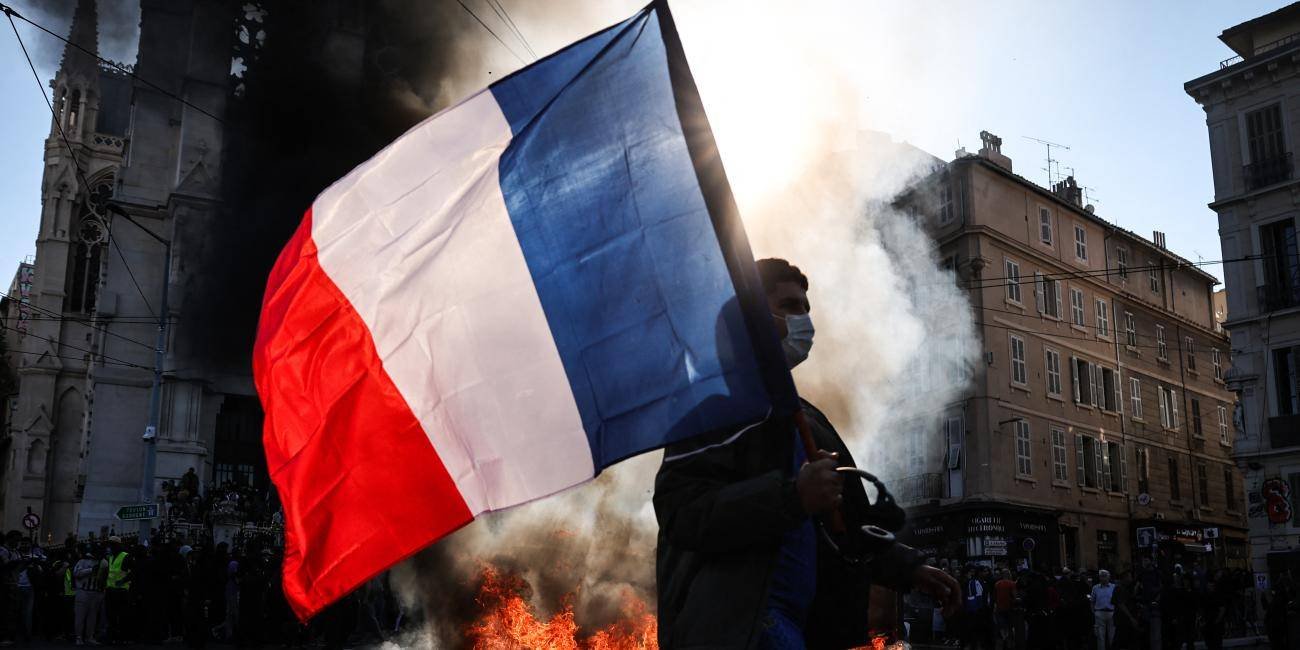
In October, Venezuelans took part in a nationwide opposition protest demanding elections and political changes. The demonstrations showed that public pressure for a democratic transition remains significant.
Machado has argued that a presidential election should take place by July 2027. However, that is her proposed timeline, not a confirmed election date.
Several practical questions remain unresolved:
- Electoral authorities: Can Venezuela establish an election council that operates independently and earns public confidence?
- Judicial independence: Will courts be able to resolve political and electoral disputes fairly?
- Voter registration: Can eligible Venezuelans at home and abroad register and participate effectively?
- Political participation: Will opposition parties and candidates be allowed to compete without arbitrary restrictions?
- Election transparency: Will officials publish complete results and permit independent observation?
These issues matter because holding an election is not enough. Voters must have meaningful choices, campaigns must operate fairly, and results must be transparent and verifiable.
The Opposition Faces a Difficult Political Test
Machado’s return has energized supporters, but the opposition faces a complicated political landscape.
One challenge is coordination. Some opposition representatives are participating in negotiations with the interim government, while Machado’s movement has remained outside those discussions. Although the different groups share an interest in political change, they may disagree over strategy, timing and the concessions they should accept.
Another challenge is access to institutions. A credible election would require changes to the bodies responsible for overseeing voting and resolving disputes. Reforming those institutions could take considerable time, particularly if negotiations stall or political interests clash.
The opposition must also balance pressure with negotiation. Demonstrations can keep public demands visible, while discussions with authorities may help secure practical reforms. Neither approach guarantees success on its own.
Machado’s task is to maintain public support while helping build a political process capable of producing lasting change.
How the United States Could Influence Venezuela’s Future
The United States remains a major player in Venezuela’s transition. Washington has worked with Rodríguez’s interim government, while also facing pressure to ensure that the political process leads toward credible elections.
These priorities do not always align neatly. Economic stabilization and access to Venezuela’s oil sector can offer opportunities for investment and revenue. However, a transition focused primarily on commercial agreements could leave democratic reforms unresolved.
For the opposition, US support could help encourage electoral transparency, political freedoms and institutional reform. But foreign backing cannot substitute for domestic legitimacy. Venezuelans ultimately need a process in which they can freely choose their leaders.
Washington’s decisions will therefore matter not only for the election timetable but also for the balance between economic interests and democratic accountability.
What the Political Crisis Means for Venezuela’s Economy
Political uncertainty has direct consequences for ordinary Venezuelans. Years of economic disruption, inflation, weakened public services and migration have placed enormous pressure on households.
A stable political transition could improve confidence among businesses, workers and international investors. Clear rules, independent institutions and predictable economic policies would make it easier to plan investments and rebuild essential services.
Venezuela’s oil resources could also generate revenue, but oil alone cannot guarantee broad prosperity. The country needs effective public institutions, responsible management of national income and policies that reach ordinary citizens.
A prolonged political dispute, on the other hand, could delay investment and leave families facing continued uncertainty. Even if oil production and commercial activity improve, people may see limited benefits unless the government addresses public services, employment and purchasing power.
For this reason, economic recovery and democratic reform should not be treated as competing goals. Both will shape the country’s long-term stability.
Three Possible Paths for Venezuela in 2027
The next stage of the Venezuela political crisis could follow several different paths.
1. A negotiated democratic transition
The interim authorities and opposition reach an agreement on electoral reforms, voter registration, political freedoms and independent monitoring. A credible election follows, creating a clearer route toward a government with a renewed public mandate.
2. A prolonged transition
Negotiations continue, but disagreements over institutions and election timing slow progress. The authorities retain control while the opposition struggles to convert public support into meaningful political influence.
3. Renewed political confrontation
If the authorities reject substantial reforms or restrict opposition activity, demonstrations and political tensions could intensify. This scenario could further weaken public confidence and complicate economic recovery.
These are possible outcomes rather than predictions. The direction Venezuela takes will depend on decisions made by its leaders, the strength of public pressure and the credibility of any agreement.
What to Watch Next
Several developments will help reveal whether Venezuela is entering a genuinely new political phase.
First, watch for an official election timetable. A clear date would provide a measurable commitment, although the electoral conditions would matter just as much.
Second, look for concrete reforms to the electoral council and judiciary. Announcements alone will not be enough; the institutions must demonstrate independence in practice.
Third, monitor whether opposition parties can organize freely, access media, register candidates and campaign without intimidation.
Finally, watch whether negotiations include the country’s major opposition movements and produce agreements that can be independently assessed.
These signals will help distinguish a meaningful democratic transition from a change in political leadership without deeper institutional reform.
Conclusion: A New Opening, but No Guaranteed Breakthrough
The return of María Corina Machado has placed Venezuela’s opposition back at the center of the national debate. It has energized supporters and increased pressure on interim authorities to explain when and how Venezuelans will be able to choose their next president.
Still, the Venezuela opposition 2026 story is about more than a dramatic return. The country needs credible elections, independent institutions, political freedoms and an economic recovery that improves everyday life.
A new political phase is possible, but it is not guaranteed. The clearest evidence of progress will be practical reforms, a credible election timetable and the freedom for Venezuelans to choose their leaders without fear.
For now, Venezuela stands at a critical crossroads. The decisions made over the coming months could determine whether the current transition becomes a genuine democratic opening or another prolonged period of uncertainty.