The G20 foreign ministers 2026 meeting in Atlanta has exposed a widening gap between the world’s biggest powers as wars, trade disputes and strategic rivalries complicate international cooperation. Diplomats from major economies are discussing some of the world’s most urgent security challenges, yet disagreements over Ukraine, the Middle East, China and maritime routes are making a common position difficult to achieve.
According to reporting by the Associated Press on October 31, foreign ministers are expected to conclude the two-day meeting without a joint communiqué on major security issues. Instead, US Secretary of State Marco Rubio is expected to issue a chairman’s statement summarising the discussions. The outcome highlights a central problem in modern diplomacy: countries can share concerns about global instability while disagreeing sharply about its causes and solutions.
Why Are the G20 Foreign Ministers Struggling to Agree?
The Group of 20 brings together major advanced and emerging economies, including the United States, China, India, Russia, Japan, Brazil and European Union members. Their decisions can influence international trade, energy security, supply chains and responses to geopolitical crises.
However, the group does not operate as a single political alliance. Members have different national interests, security partnerships and views of international law.
The global security divisions on display in Atlanta reflect these competing priorities. Western governments have criticised Russia’s war against Ukraine, while Moscow rejects their position and argues that its own security interests must be considered. At the same time, disagreements over the conflict involving Iran, US trade policies and China’s activities in contested waters create additional obstacles.
When countries cannot agree on the wording of a joint statement, reaching agreement on practical action becomes even harder.
Russia’s War in Ukraine Remains a Major Obstacle
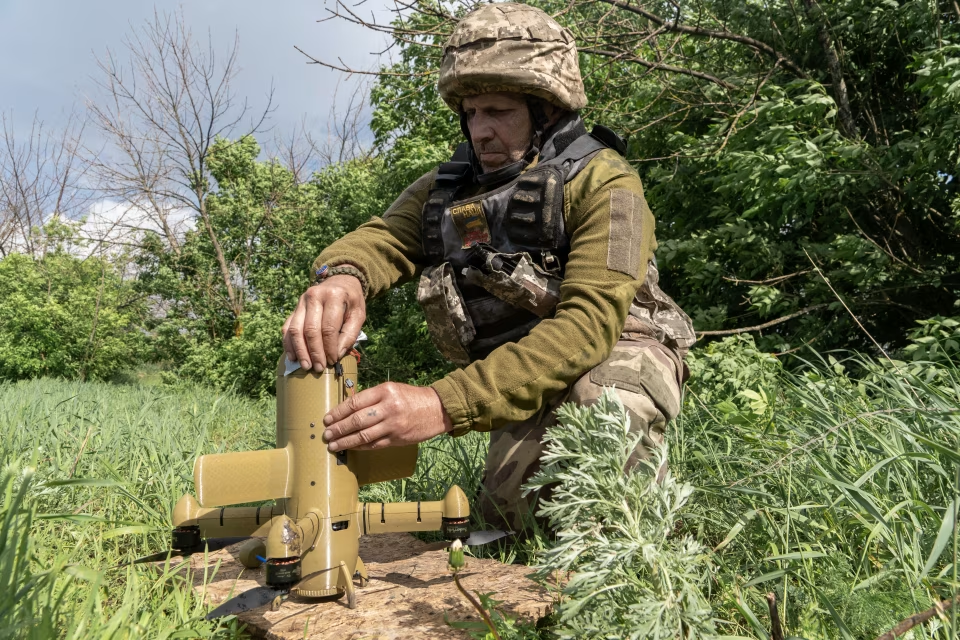
The war in Ukraine continues to divide Russia from many Western governments. European officials attending the meeting have called for support for Ukraine and a lasting peace that respects its sovereignty and territorial integrity.
Russia’s participation has also created visible diplomatic tension. According to the Associated Press, Rubio cancelled the traditional group photograph after European diplomats objected to appearing alongside Russian Foreign Minister Sergey Lavrov.
The dispute was more than a disagreement over a photograph. It reflected the difficulty of holding a cooperative meeting when participants have fundamentally different views of an ongoing war.
Diplomacy still matters because officials need channels to communicate, negotiate and manage risks. However, dialogue alone cannot resolve a conflict when the parties disagree over territory, security guarantees and the conditions for ending hostilities.
The challenge for the G20 is to maintain communication without pretending that these disagreements have disappeared.
How Middle East Tensions Are Affecting Global Security
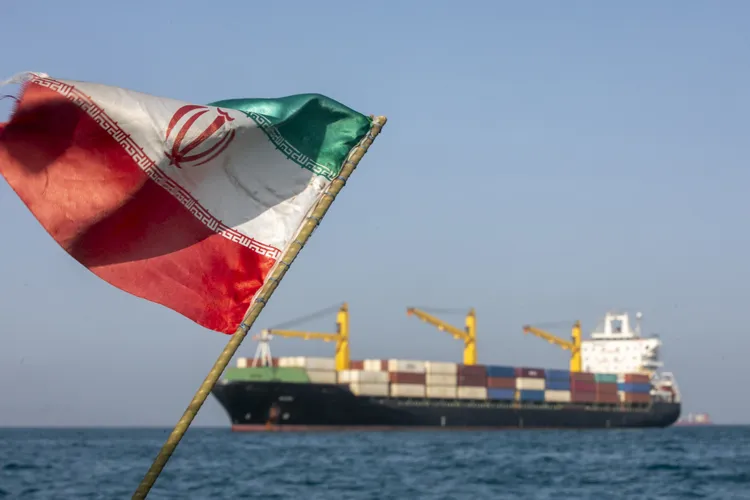
The Middle East is another major source of concern. The conflict involving Iran has raised questions about regional stability, maritime safety and the security of energy supplies.
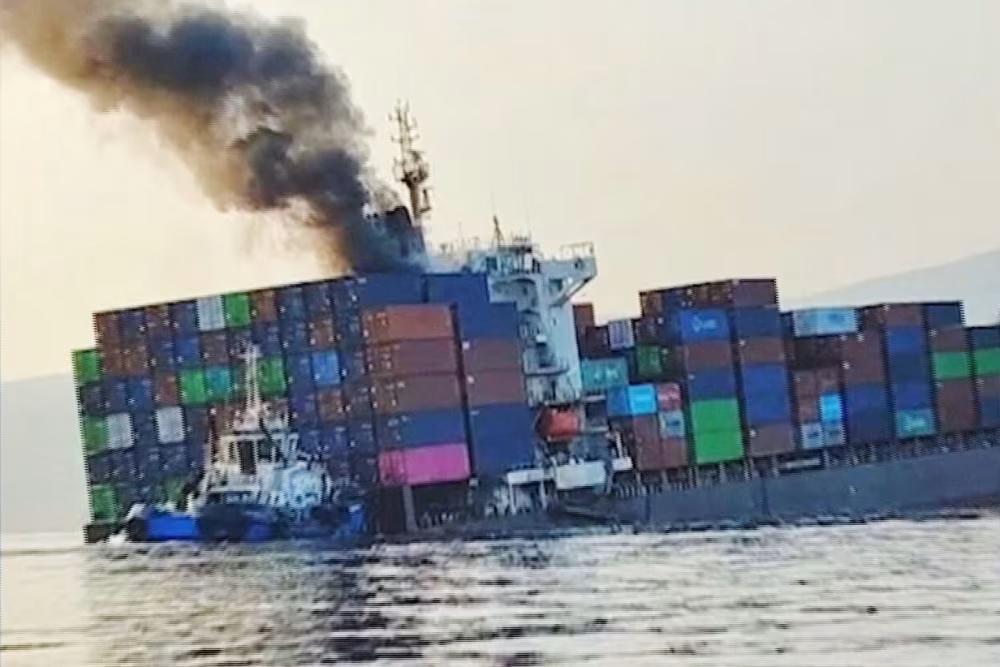
The Strait of Hormuz is particularly important because it connects the Persian Gulf with international shipping routes. Disruption there can affect oil and gas transportation, shipping costs and confidence in energy markets.
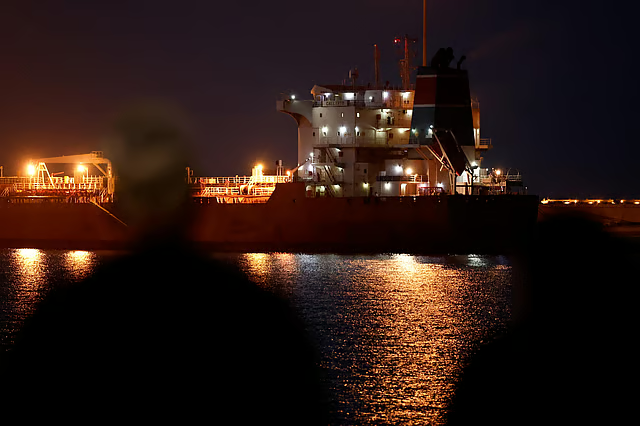
European Union foreign policy chief Kaja Kallas warned during the meeting that instability around the Strait of Hormuz and the Bab el-Mandeb Strait threatens energy security, trade and supply chains. She also highlighted the effects of maritime disruption on fertiliser and agricultural trade.
These risks reach far beyond the countries directly involved. Higher transport and energy costs can put pressure on businesses, raise production expenses and contribute to higher consumer prices.
For that reason, freedom of navigation is not simply a military or diplomatic issue. It is also an economic concern for countries that depend on imported fuel, food and industrial materials.
China and the United States Face Strategic Competition
The relationship between Washington and Beijing presents another challenge for international cooperation.
The United States has sought to build support around concerns about China’s influence over critical minerals and supply chains. These materials are important for advanced manufacturing, clean-energy technologies, electronics and artificial intelligence infrastructure.
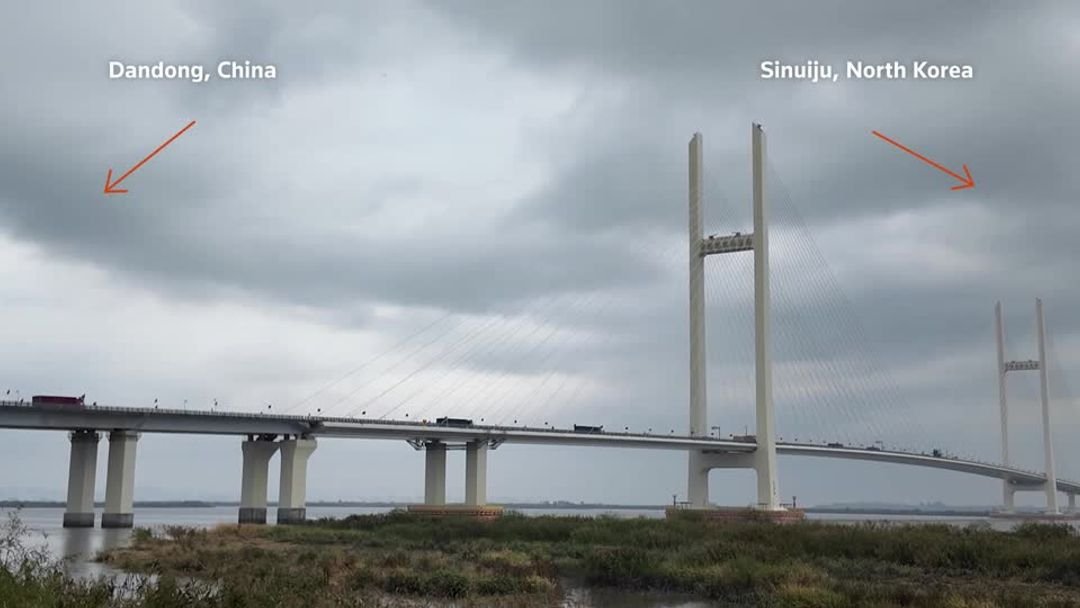
China, meanwhile, remains a major economic power with extensive trade relationships across the world. Many countries want reliable access to Chinese markets while also seeking to reduce strategic dependence on any single supplier.
Disagreements over the South China Sea and other maritime areas add a security dimension to this economic competition.
For G20 members, the challenge is to protect trade and supply chains without turning economic policy into another source of confrontation. Countries may support resilient supply chains in principle but disagree over tariffs, export controls and which nations should be treated as strategic risks.
This makes a unified approach difficult, particularly when governments have different levels of economic dependence on the United States and China.
Why Global Security Divisions Affect Ordinary People
International diplomatic disputes can appear distant from everyday life. In reality, they can influence household budgets, employment and business confidence.
When conflict disrupts oil shipments, fuel prices may rise. Higher energy costs can increase the expense of transport, electricity, manufacturing and food distribution.
Shipping disruptions can also delay deliveries and increase insurance costs for companies moving goods across borders. Businesses may respond by raising prices, reducing investment or changing suppliers.
Developing economies can face additional pressure because many depend on imported energy, fertiliser, machinery or food. When international prices rise, governments may have less room to support households and businesses.
These effects explain why security and economic policy are increasingly connected. Preventing conflict, protecting shipping routes and maintaining stable trade can help reduce the risk of sudden economic shocks.
However, the G20 cannot guarantee lower prices simply by issuing a statement. Any meaningful improvement depends on conditions in conflict zones, international cooperation and decisions made by individual governments.
Why Is South Africa’s Absence Causing Concern?
The meeting has also faced criticism over the US decision not to invite South Africa, despite the country being a G20 member.
The issue has added to questions about inclusion and the role of the G20 as a forum for international cooperation. European Union foreign policy chief Kaja Kallas publicly expressed concern about South Africa’s absence.
The G20 brings together countries with different political systems, development levels and strategic interests. Its value partly comes from giving these countries a place to discuss shared challenges.
When a member is excluded, other governments may question whether the group is operating on the basis of common rules or the preferences of its host.
At the same time, the dispute illustrates a broader problem: even decisions about participation and diplomatic protocol can become entangled with major geopolitical disagreements.
Can the G20 Still Deliver Meaningful Results?
The absence of a joint communiqué does not mean that every discussion has failed. Meetings can create opportunities for bilateral talks, clarify national positions and identify areas where cooperation remains possible.
For example, countries may be able to cooperate on maritime safety, energy resilience, supply-chain security, humanitarian assistance or crisis communication even when they cannot agree on the wider political causes of a conflict.
Smaller agreements can also help build trust over time. However, they require practical follow-up, clear responsibilities and a willingness to implement commitments.
The United States is due to host the G20 leaders’ summit in Miami in December 2026. The foreign ministers’ meeting is therefore an important test of whether governments can prepare common priorities despite their differences.
The coming weeks will show whether discussions in Atlanta lead to specific proposals or whether disagreements continue to dominate the agenda.
What Should the World Watch Next?
Several developments could indicate whether international cooperation is improving:
- Ukraine diplomacy: Watch for new proposals, further talks and practical measures that could reduce fighting.
- Middle East stability: Monitor developments affecting regional security and the safe movement of commercial shipping.
- Energy and trade: Look for steps to protect supply chains and reduce disruption to oil, gas, fertiliser and food transportation.
- US–China relations: Watch for progress or further disputes over tariffs, critical minerals, technology and maritime security.
- The December G20 summit: Assess whether leaders can agree on practical commitments that foreign ministers could not settle in Atlanta.
These developments will help determine whether the G20 can turn diplomatic contact into coordinated action.
Conclusion: A Divided World Needs Practical Cooperation
The G20 foreign ministers 2026 meeting has revealed how difficult it has become for major powers to agree on global security. Conflicts in Ukraine and the Middle East, strategic competition involving China and the United States, and disputes over participation have complicated efforts to establish a common position.
Yet the need for cooperation has not disappeared. Countries continue to share an interest in safe shipping, stable energy supplies, reliable trade and preventing conflicts from spreading.
The most realistic path forward may involve practical agreements on specific problems rather than expecting every country to endorse a single geopolitical position.
For ordinary people, the stakes are significant. International security decisions can affect fuel costs, food prices, jobs and economic stability. The question is whether the world’s largest economies can find enough common ground to reduce these risks, even when their political differences remain unresolved.
Follow TopTenDose for more world news, geopolitics, global economy updates and international affairs.