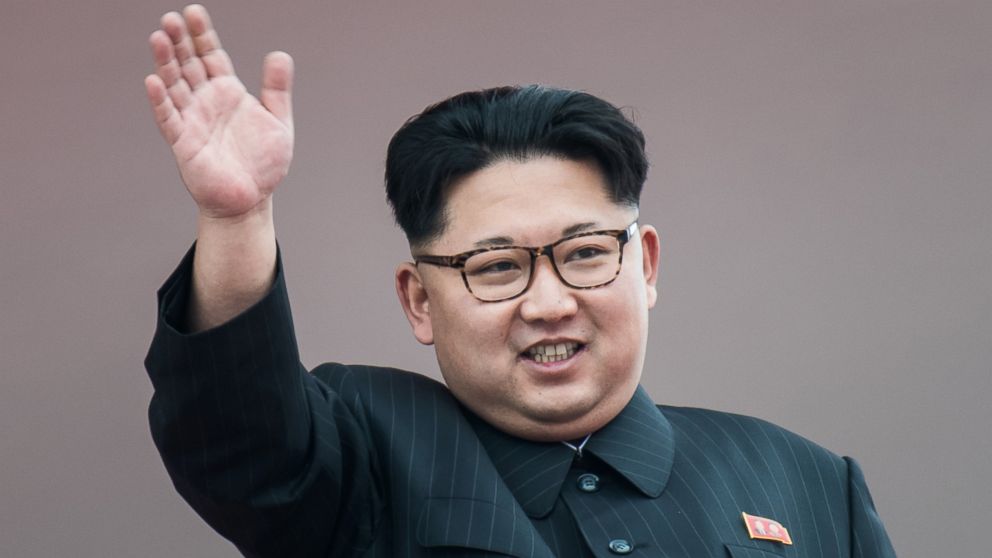
Kim Jong Un is one of the world’s most closely watched political leaders. As North Korea’s leader, he has overseen the country’s government, military and nuclear weapons program while maintaining one of the world’s most tightly controlled political systems.
Since taking power, Kim has sought to strengthen his authority at home while expanding North Korea’s military capabilities and managing relationships with major powers such as China, Russia, South Korea and the United States.
His leadership has also attracted international attention because of North Korea’s nuclear weapons and ballistic missile programs.
But who exactly is Kim Jong Un? How did he become the country’s leader, and what defines his rule?
Who Is Kim Jong Un?
Kim Jong Un was born into North Korea’s ruling Kim family. His father, Kim Jong Il, led the country from 1994 until his death in December 2011.
Kim Jong Un is the grandson of Kim Il Sung, the founder of North Korea and the country’s first leader.
This family connection is central to understanding North Korean politics.
The Kim family has ruled the country since its establishment in 1948, creating a political system centered around the leadership of the family.
Kim Jong Un inherited power from his father when he was still relatively young.
His rise marked the continuation of a leadership system that had already lasted for several decades.
How Did Kim Jong Un Become Leader?
Kim Jong Un became North Korea’s top leader after the death of Kim Jong Il in 2011.
His succession surprised many international observers because relatively little was publicly known about his life and political experience before he took power.
He had reportedly spent part of his education abroad and was gradually introduced into senior positions inside North Korea’s political and military establishment.
Following his father’s death, Kim quickly consolidated his position.
He eventually became the central figure across North Korea’s political, military and party structures.
His formal titles and positions have changed over the years, but his authority has remained concentrated around the country’s ruling Workers’ Party of Korea.
Kim’s Political System
Under Kim Jong Un, North Korea has continued to operate as a highly centralized one-party state.
Political opposition is not permitted in the conventional sense found in democratic systems.
The government maintains extensive control over media, public information and political activity.
The leadership promotes an official ideology that emphasizes national independence, loyalty to the state and the authority of the ruling leadership.
Kim’s government also places strong emphasis on loyalty to the Workers’ Party and the country’s political system.
The Kim Family’s Political Legacy
To understand Kim Jong Un’s position, it is important to understand his family’s history.
Kim Il Sung established North Korea’s political system after World War II and became the country’s dominant leader.
His son, Kim Jong Il, later inherited power.
Kim Jong Un then became the third generation of the family to lead North Korea.
This makes North Korea unusual in modern international politics.
Few countries have maintained such a long-lasting hereditary leadership system under one ruling family.
State propaganda has played a major role in presenting the Kim family as central to the nation’s history and identity.
Kim Jong Un and the Military
Military power is one of the most important parts of Kim Jong Un’s leadership.
North Korea maintains a large military force and has invested heavily in missiles and nuclear weapons.
Under Kim, the country has continued developing ballistic missile technology capable of reaching targets at different distances.
North Korea has also conducted nuclear tests and repeatedly demonstrated its intention to maintain its nuclear capabilities.
The government describes these weapons as essential for national security and deterrence.
The United States, South Korea and other countries have strongly criticized North Korea’s nuclear and missile activities.
Why Does North Korea Want Nuclear Weapons?
North Korea argues that its nuclear weapons are necessary to protect the country from external threats.
The government frequently points to the presence of U.S. military forces in South Korea and Washington’s alliance with Seoul.
North Korean officials have argued that maintaining a powerful military capability helps prevent foreign intervention.
Critics, however, say the nuclear program contributes to regional instability and increases the risk of military confrontation.
The nuclear issue remains one of the most difficult challenges in relations between North Korea and the international community.
Relations With South Korea
Relations between North and South Korea have remained complicated throughout Kim Jong Un’s leadership.
The Korean Peninsula remains technically divided by an armistice rather than a permanent peace treaty following the Korean War.
Tensions have repeatedly increased because of military exercises, missile tests, political statements and border incidents.
At other times, diplomatic engagement has created hopes for improved relations.
Kim has participated in periods of diplomacy, including high-profile meetings with South Korean officials.
However, long-term reconciliation has remained difficult.
Kim Jong Un and the United States
Relations between Kim Jong Un and the United States have also experienced dramatic changes.
During periods of heightened tension, North Korean missile and nuclear tests triggered strong responses from Washington.
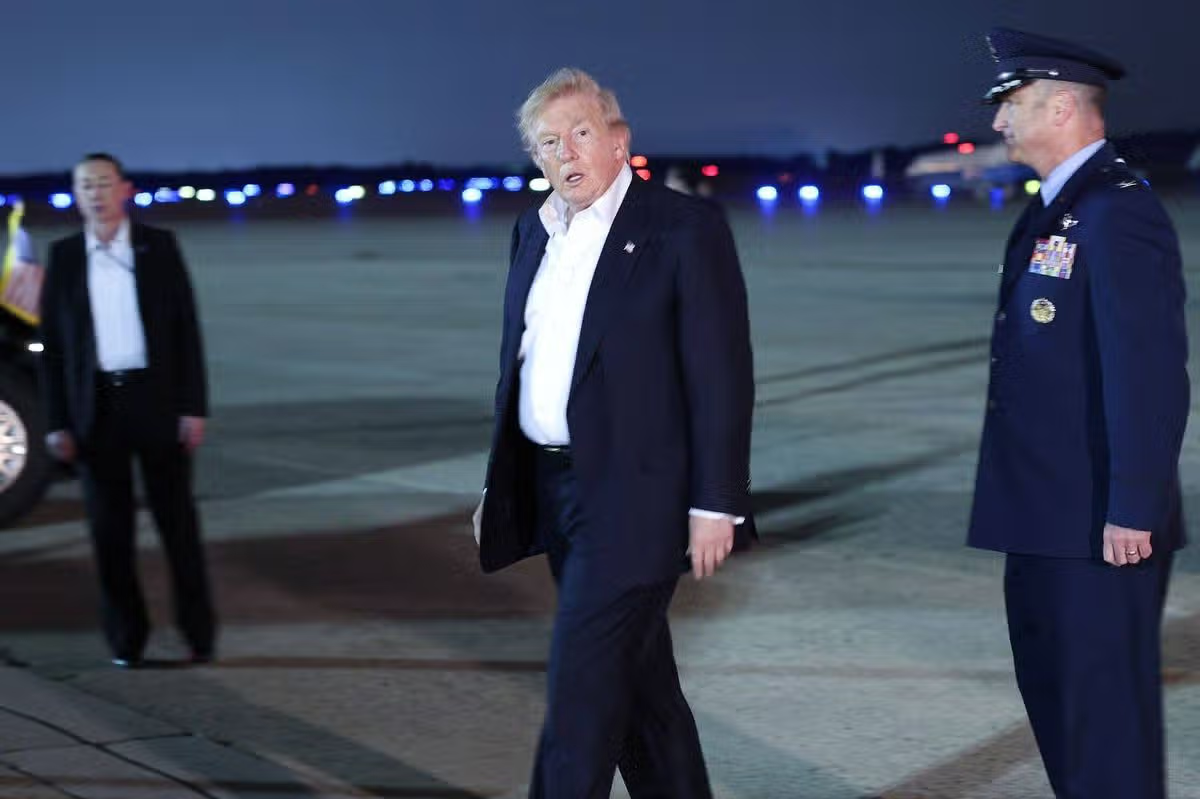
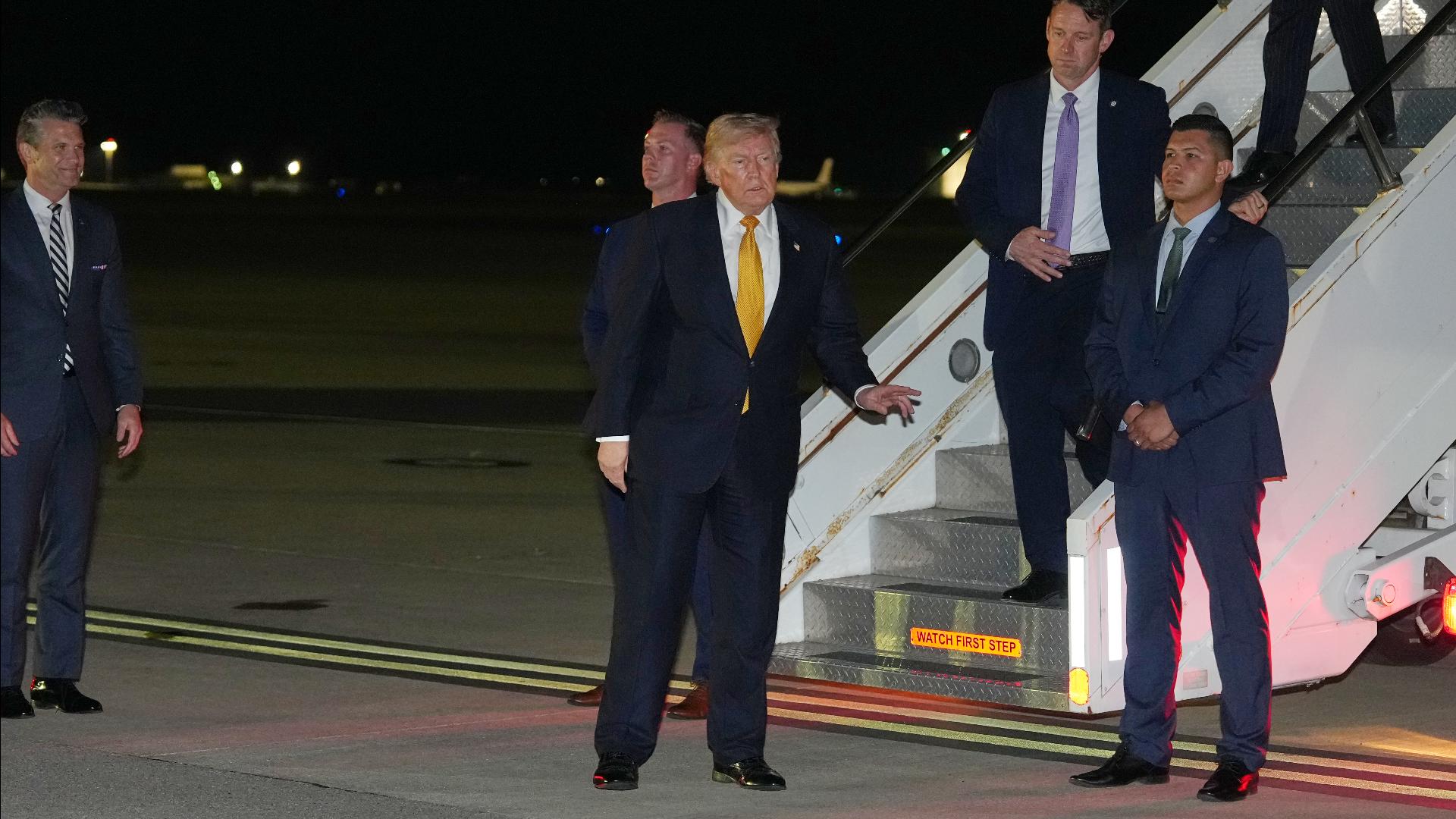
Yet Kim and former U.S. President Donald Trump also held historic meetings in 2018 and 2019.
Those meetings attracted worldwide attention because they represented an unprecedented direct engagement between a sitting U.S. president and a North Korean leader.
Despite the diplomacy, the talks failed to produce a lasting agreement over North Korea’s nuclear program.
The issue remains unresolved.
Relationship With China
China is North Korea’s most important economic partner and a major diplomatic player in the region.
The two countries share a border and have maintained close historical ties.
China has also played a significant role in international discussions about North Korea.
However, the relationship has not always been simple.
North Korea has sought to maintain its independence and avoid becoming overly dependent on any single foreign power.
Kim has therefore attempted to balance relations with China while strengthening other partnerships.
Growing Relationship With Russia
Relations between North Korea and Russia have become increasingly important in recent years.
The two countries have expanded political and strategic cooperation.
Russia’s growing importance in North Korea’s foreign policy reflects wider changes in international relations.
Kim has sought stronger ties with countries willing to cooperate with Pyongyang despite Western sanctions and diplomatic pressure.
The relationship has attracted considerable attention from the United States and its allies.
Kim Jong Un’s Leadership Style
Kim Jong Un has developed a leadership style that combines traditional North Korean political practices with efforts to project a modern image.
North Korean state media frequently presents Kim inspecting factories, military facilities, farms and infrastructure projects.
These appearances are designed to show him as an active leader involved in national development and defense.
At the same time, his government maintains strict political control.
The combination of economic development messaging, military strength and centralized political authority defines much of Kim’s leadership approach.
Economic Challenges
Despite its military capabilities, North Korea faces serious economic challenges.
International sanctions have restricted access to global markets and financial systems.
The country has also faced difficulties related to food security, energy supplies and infrastructure.
The government has attempted to improve domestic production and develop strategic industries.
However, North Korea’s economy remains relatively isolated from the global economic system.
This isolation makes economic development particularly challenging.
Life Inside North Korea
Reliable information about everyday life in North Korea can be difficult to obtain because the country restricts independent media and foreign access.
The government tightly controls information available to its citizens.
International organizations and researchers have raised concerns about human rights conditions, political prisoners, restrictions on freedom of expression and access to information.
North Korean authorities reject many international criticisms and argue that outside governments use human rights issues as a political tool.
The limited flow of independent information makes it difficult to obtain a complete picture of life inside the country.
Why Kim Jong Un Matters Globally
Kim Jong Un’s importance extends far beyond North Korea’s borders.
His decisions can affect security across Northeast Asia and influence relations between major global powers.
North Korea’s nuclear arsenal and missile capabilities make the country a significant security concern for the United States, South Korea and Japan.
At the same time, its relationships with China and Russia give Pyongyang important diplomatic connections.
This means Kim operates within a complex international environment.
What Does the Future Hold?
The future direction of Kim Jong Un’s leadership remains difficult to predict.
North Korea continues to emphasize military strength while also pursuing economic development.
Diplomatic relations could change depending on developments involving Washington, Seoul, Beijing and Moscow.
The nuclear issue will likely remain central to international discussions.
Any major change in North Korea’s leadership, economic conditions or foreign relationships could have significant consequences for the wider region.
Conclusion
Kim Jong Un is more than simply the head of the North Korean government. He represents the third generation of a ruling family that has dominated the country’s political system for decades.
As North Korea’s leader, Kim has strengthened the country’s military capabilities, expanded its nuclear and missile programs and developed relationships with major powers.
His government continues to maintain strict political control while presenting national security and independence as central priorities.
At the same time, North Korea faces major economic challenges and remains largely isolated from the international community.
Kim’s leadership will continue to attract global attention because decisions made in Pyongyang can influence security across Asia and relations among some of the world’s most powerful countries.
Understanding Kim Jong Un therefore requires looking beyond his public appearances. His position is rooted in the history of the Kim family, the structure of North Korea’s political system, its military strategy and its complicated relationships with the outside world.
For these reasons, Kim Jong Un remains one of the most consequential and closely monitored leaders in international politics.