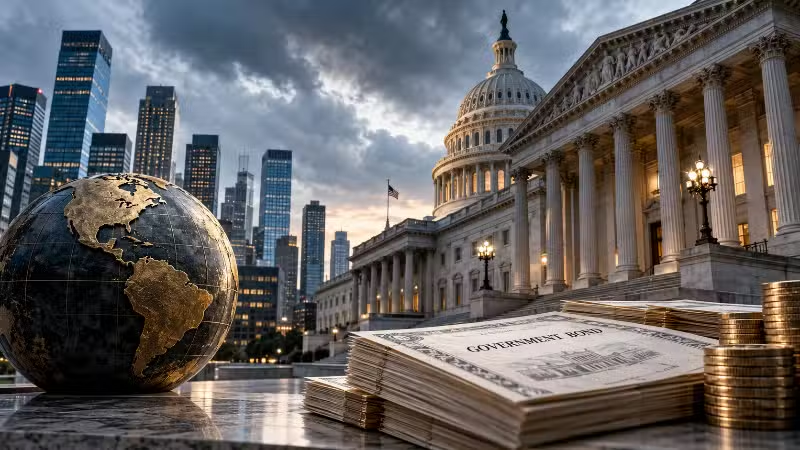
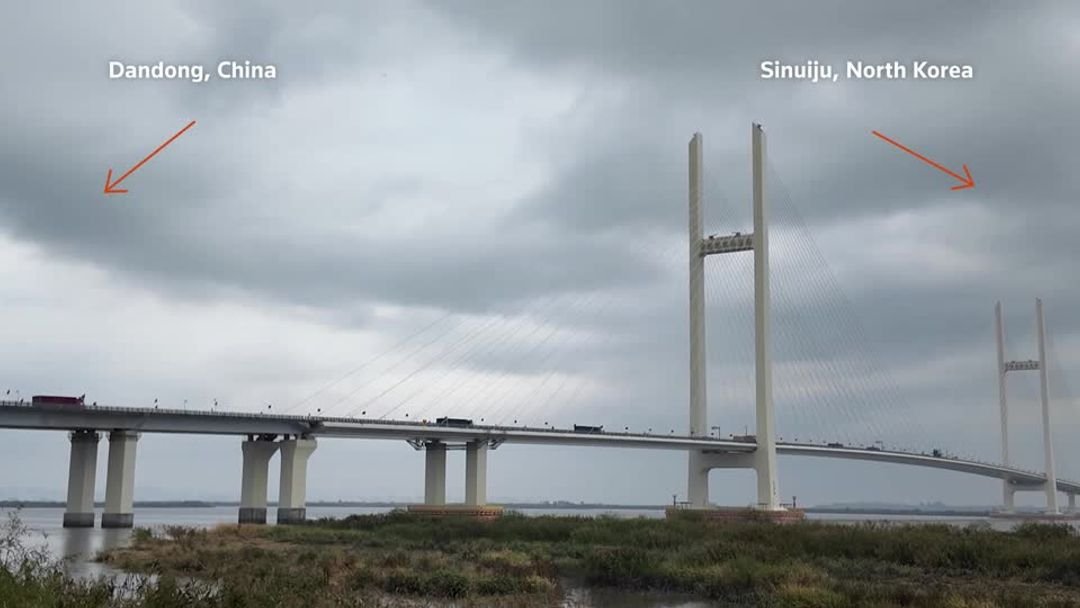
The international political landscape is experiencing significant changes in 2026. Traditional partnerships, economic competition, regional conflicts and emerging diplomatic relationships are transforming the way countries interact with one another. Governments are increasingly focusing on national security, economic independence, technological development and strategic cooperation to protect their interests in an uncertain world.
The changing nature of Global Politics 2026 demonstrates that international influence is no longer concentrated exclusively among a small number of powerful countries. Emerging economies, regional organisations and middle powers are becoming increasingly active in international decision-making.
From the expansion of BRICS to the changing priorities of NATO, the growing importance of the Quad and the economic cooperation promoted by ASEAN, countries are developing new partnerships to address shared challenges.
Understanding these developments is essential for anyone interested in world affairs, international economics and modern diplomacy. The evolution of International Relations is influencing everything from global trade and energy markets to military security, technology and economic development.
1. A Changing Global Political Order
For several decades, international politics was heavily influenced by the United States, European powers, Russia and China. These countries continue to play important roles, but the distribution of international influence is becoming more complex.
Emerging economies are demanding greater representation in international institutions. Countries in Asia, Africa, Latin America and the Middle East are seeking more opportunities to influence decisions affecting their economies and populations.
This changing environment is often described through the concept of a multipolar world. Instead of depending on one dominant centre of power, multiple countries and regional organisations influence global developments.
In Global Politics 2026, governments are increasingly balancing relationships with different international partners rather than relying on a single strategic alliance.
This does not mean that traditional powers have lost their influence. Instead, international decision-making is becoming more competitive, interconnected and complicated.
2. BRICS and the Growing Influence of Emerging Economies
BRICS has become an important platform for economic and diplomatic cooperation among emerging economies.
Originally established around Brazil, Russia, India, China and South Africa, the grouping has expanded its membership to include countries such as Egypt, Ethiopia, Iran, the United Arab Emirates and Indonesia.
Its expanding membership gives the organization a broader geographical and economic presence.
BRICS countries have discussed several important issues, including:
- Greater representation of emerging economies in international financial institutions.
- Cooperation in international trade and investment.
- Stronger financial and payment connections.
- Energy security and economic development.
- Cooperation in science, technology and artificial intelligence.
In September 2026, BRICS finance officials called for reforms to international development financial institutions, including the International Monetary Fund and World Bank, arguing for stronger representation of developing economies.
The grouping has also discussed improving cross-border payment systems and expanding practical economic cooperation.
However, BRICS members do not share identical political and economic interests. Differences between individual countries can make common decision-making difficult.
Nevertheless, BRICS represents an important development in International Relations, particularly for countries seeking a stronger voice in global economic governance.
3. NATO and the Future of International Security
The North Atlantic Treaty Organization (NATO) remains one of the world’s most important military and political alliances.
With 32 member countries in 2026, NATO provides a framework for collective defense, military coordination and political consultation among European and North American members.
Russia’s war against Ukraine has continued to influence European security priorities. NATO members have focused on defense preparedness, military capabilities, infrastructure protection and cooperation with partner countries.
The alliance also faces questions about defense spending, burden-sharing and the future of transatlantic relations.
For European governments, security involves more than military equipment. It includes energy independence, cybersecurity, protection of critical infrastructure and the security of international supply chains.
The future of NATO will therefore remain an important factor in Global Politics 2026, especially as European countries consider their long-term security arrangements.
4. The Quad and Strategic Cooperation in the Indo-Pacific
The Quadrilateral Security Dialogue, commonly known as the Quad, brings together the United States, India, Japan and Australia.
Its importance has increased as the Indo-Pacific has become a major center of international economic and strategic competition.
The Quad focuses on several areas:
- Maritime security and freedom of navigation.
- Infrastructure development.
- Critical and emerging technologies.
- Cybersecurity cooperation.
- Supply-chain resilience.
- Regional stability and disaster response.
On 31 October 2026, foreign ministers from the four countries met in Atlanta. Discussions also concerned plans for a leaders’ summit in Manila in November.
The Quad does not operate as a traditional mutual-defense alliance. Its members cooperate on shared regional interests while maintaining their own foreign policies.
This flexible approach illustrates how modern International Relations increasingly involve partnerships built around particular issues rather than complete political or military alignment.
5. ASEAN’s Growing Importance in Asian Diplomacy
The Association of Southeast Asian Nations (ASEAN) is another significant organization influencing regional cooperation.
Its members work together on economic development, regional stability, trade and diplomatic engagement.
ASEAN has become increasingly important because Southeast Asia occupies a strategic position in international trade and maritime transportation.
The region connects major manufacturing centers with important shipping routes and international markets.
In November 2026, attention has focused on the ASEAN summit in Manila, where leaders are addressing issues involving energy security, artificial intelligence, regional conflicts and maritime disputes.
ASEAN also faces important challenges.
Its members have different political systems, economic priorities and relationships with major powers. These differences sometimes make it difficult to reach a unified position on sensitive international issues.
Nevertheless, the organization provides an important diplomatic platform where countries can discuss disagreements and pursue practical cooperation.
6. China and the United States: Competition and Cooperation
Relations between the United States and China remain among the most influential factors in global politics.
Both countries have significant economic, technological and military capabilities. Their relationship affects international trade, investment, technology development and regional security.
Competition between Washington and Beijing is particularly visible in:
Trade: Tariffs, market access and industrial policies influence international businesses and supply chains.
Technology: Semiconductor production, artificial intelligence and advanced computing have become important areas of strategic competition.
Security: Developments in the Indo-Pacific, Taiwan Strait and South China Sea remain significant diplomatic and security concerns.
Finance: The international financial system continues to be influenced by the importance of the US dollar and China’s expanding economic relationships.
However, competition does not eliminate the need for cooperation. Both countries have interests in global financial stability, climate issues, trade and international economic development.
For other countries, maintaining productive relationships with both powers can be a major diplomatic challenge.
This competition is one of the defining features of Global Politics 2026.
7. Middle Powers Are Becoming More Influential
Middle powers are countries that possess meaningful economic, diplomatic or regional influence without having the same global capabilities as the largest powers.
Examples include Türkiye, Saudi Arabia, Indonesia, South Korea, Australia, Brazil and South Africa.
These countries increasingly participate in diplomatic negotiations, regional security discussions and international economic partnerships.
Their strategies often involve maintaining relationships with multiple powerful countries simultaneously.
For example, India maintains important relationships with the United States, Russia, Europe and countries in the Gulf. Saudi Arabia has developed economic and diplomatic relationships with both Western and Asian partners.
Türkiye also occupies an important geographical position connecting Europe, Asia and the Middle East.
Such approaches demonstrate that countries do not always need to choose one permanent political or economic partner.
Instead, they can cooperate with different countries depending on the issue.
8. Wars and Regional Conflicts Are Reshaping Alliances
Armed conflicts remain among the most significant influences on international politics.
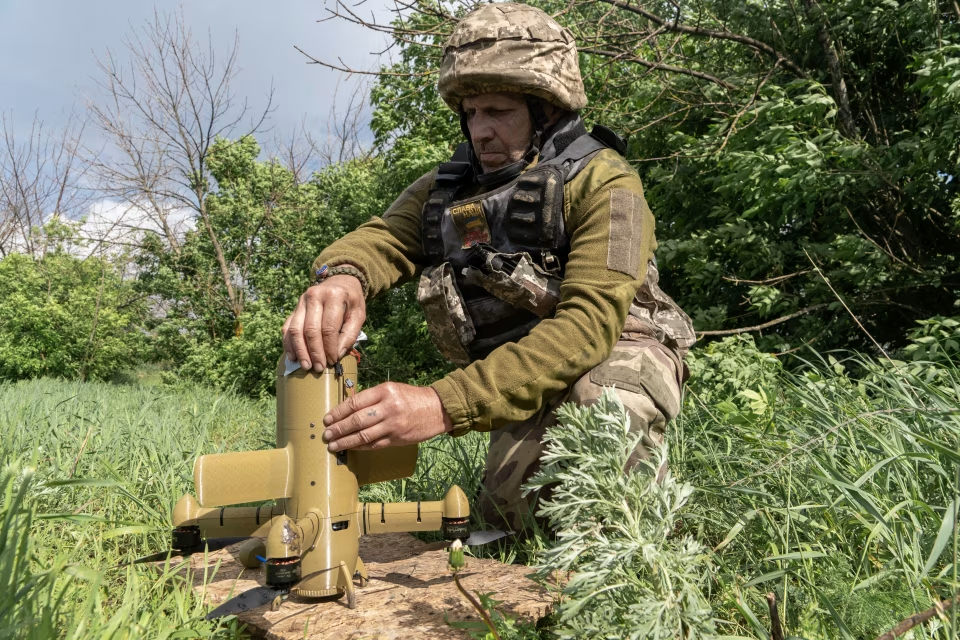
The Russia-Ukraine war has affected European defense planning, energy markets, international sanctions and diplomatic relations.
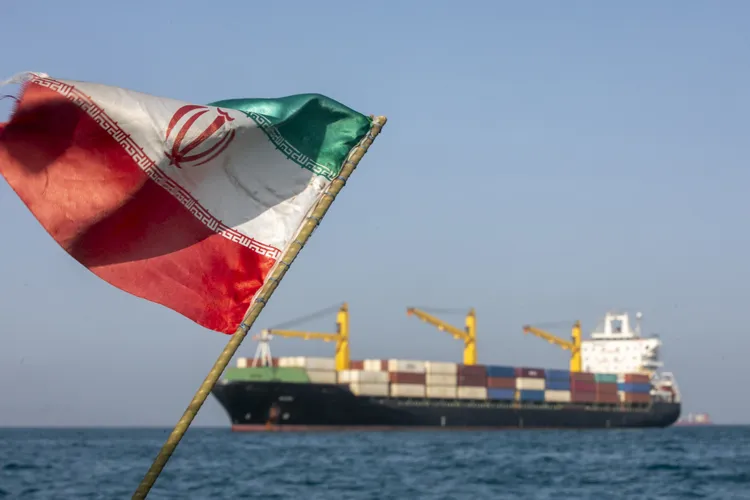
Meanwhile, tensions involving Iran, Israel and other regional actors in the Middle East have created concerns about energy supplies, maritime transportation and regional stability.
These conflicts have encouraged governments to reconsider their defense partnerships and economic dependencies.
Wars also create consequences beyond the countries directly involved.
International businesses can experience higher transportation costs, disrupted supply chains and uncertainty in investment decisions.
Developing economies may face additional pressure from energy prices, food costs and financial instability.
Diplomatic cooperation, humanitarian assistance and international negotiations therefore remain important tools for reducing the wider consequences of conflict.
9. Economic Partnerships Are Becoming as Important as Military Alliances
Modern alliances are not limited to military cooperation.
Economic relationships have become essential components of international strategy.
Countries are developing partnerships involving infrastructure, energy, manufacturing, agriculture, digital technology and financial services.
Regional trade agreements can provide businesses with access to new markets while helping governments diversify their economic relationships.
The Regional Comprehensive Economic Partnership (RCEP), for example, connects major Asia-Pacific economies through a framework for trade and economic cooperation.
Other initiatives focus on transportation corridors, port development, energy networks and digital infrastructure.
These arrangements can influence how international businesses select suppliers, invest in new markets and manage geopolitical risks.
For developing countries, economic partnerships can provide opportunities to attract foreign investment, improve infrastructure and expand exports.
However, governments must also consider debt sustainability, transparency, domestic industries and the long-term costs of international agreements.
10. Technology and Artificial Intelligence Are Changing International Relations
Technology has become an important element of modern geopolitical competition.
Artificial intelligence, semiconductors, cybersecurity, telecommunications and digital infrastructure are now central to national economic and security strategies.
Governments increasingly recognize that technological capabilities can influence industrial productivity, military systems and international competitiveness.
Countries are therefore investing in research, digital education, semiconductor manufacturing and technology partnerships.
Artificial intelligence also creates international policy questions.
These include data protection, intellectual property, digital privacy, cybersecurity and the responsible use of automated systems.
Countries that develop strong technological industries may gain greater influence in international economic and political discussions.
However, international cooperation is also necessary to address cybersecurity threats and establish responsible technology standards.
The growing importance of technology shows that future International Relations will involve much more than traditional diplomacy and military cooperation.
11. What These Changes Mean for Pakistan and South Asia
The changing international environment creates important opportunities and challenges for Pakistan and other South Asian countries.
Pakistan maintains strategic, economic and diplomatic relationships with China, the United States, Gulf countries, Türkiye and other international partners.
Its geographical position also connects South Asia with Central Asia, the Middle East and important regional trade routes.
Economic stability, energy security, infrastructure development and regional trade will remain important considerations for Pakistan’s foreign policy.
South Asia also faces challenges involving political tensions, border security, climate change and economic development.
Greater regional cooperation could create opportunities in transportation, agriculture, electricity, education and international trade.
For Pakistan, maintaining balanced diplomatic relationships while strengthening domestic economic capacity will be important in navigating the changing international environment.
12. The Future of Global Political Alliances
The future international system will likely involve several overlapping partnerships rather than one unified political structure.
Some countries will cooperate on defense, while maintaining different economic relationships. Others will work together on climate policy, technological development or international trade without sharing identical political positions.
This flexibility creates opportunities for diplomatic engagement but can also make international negotiations more complicated.
Several developments deserve attention in the coming years:
- The expansion and practical cooperation of emerging economic groupings.
- The future of US-China economic and technological competition.
- Changes in European defence and security arrangements.
- The influence of middle powers in regional diplomacy.
- The development of international AI and cybersecurity policies.
- Greater cooperation on energy security and climate finance.
The effectiveness of these partnerships will depend on whether countries can turn diplomatic discussions into measurable economic and security outcomes.
Conclusion
The international political system is changing, and emerging alliances are becoming increasingly important in determining how countries cooperate and compete.
BRICS, NATO, the Quad and ASEAN represent different approaches to international cooperation. Each organization has its own priorities, membership structure and political challenges.
At the same time, countries such as India, Saudi Arabia, Türkiye, Brazil and Indonesia are developing broader diplomatic and economic relationships.
The story of Global Politics 2026 is therefore not simply about competition between powerful countries. It is also about the growing influence of emerging economies, regional organizations and middle powers.
The future of International Relations will depend on how effectively governments manage disagreements, protect economic interests and cooperate on shared global challenges.
For businesses, policymakers and ordinary citizens, understanding these changes is increasingly important. Decisions made through international alliances can influence employment, energy prices, trade opportunities, technological development and regional security.
As the world moves towards a more interconnected and complex political environment, diplomacy and international cooperation will continue to play an essential role in shaping the future.