The Middle East has long been one of the world’s most strategically important regions. It is home to major energy resources, international shipping routes, and several key political alliances. Whenever tensions rise between the United States and Iran, governments, businesses, investors, and ordinary citizens across the globe pay close attention.
The recent US-Iran Standoff has renewed discussions about what could happen next. Although no one can predict the future with certainty, experts often analyze different outcomes based on diplomacy, military strategy, economic trends, and regional politics.
Instead of assuming one outcome, it is more useful to examine several Possible Future Scenarios. Some could lead to greater stability, while others might increase uncertainty throughout the Middle East and beyond.
This article explores these possibilities in a balanced, fact-based way, helping readers understand the opportunities and risks that may lie ahead.
Understanding the US-Iran Standoff
The relationship between the United States and Iran has experienced decades of political disagreements, economic sanctions, diplomatic negotiations, and periods of heightened military tension.
The US-Iran Standoff is not centered on a single issue. It involves several interconnected factors, including:
- Regional security
- Nuclear negotiations
- Economic sanctions
- Maritime security
- Military presence
- Diplomatic relations
- Strategic alliances
Because many countries have economic or security interests in the region, developments between Washington and Tehran often receive worldwide attention.
Even when direct conflict does not occur, uncertainty alone can influence energy markets, international trade, and financial investment.
Why the Middle East Remains Important
The Middle East plays a critical role in the global economy for several reasons.
Energy Production
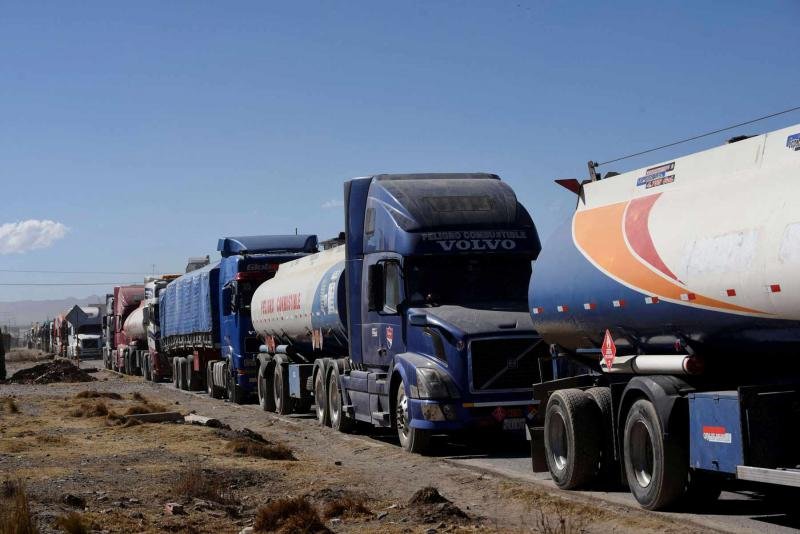
Many of the world’s largest oil and natural gas producers are located in this region. Changes in regional stability can influence global energy prices within days.
International Shipping
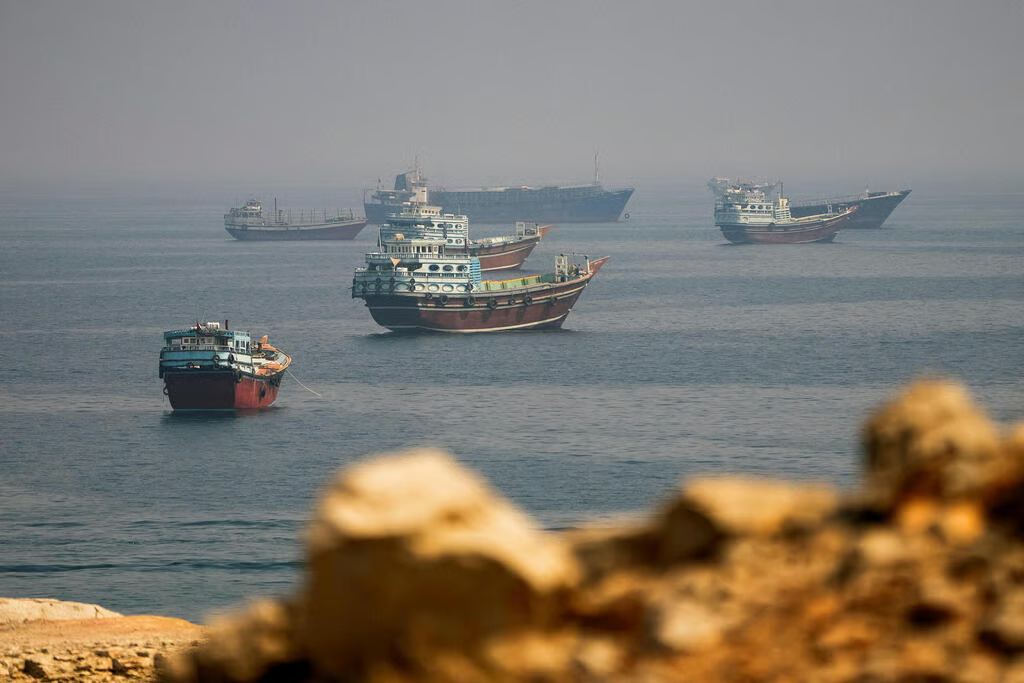
Important shipping routes connect Europe, Asia, and Africa through Middle Eastern waters. Any disruption could affect international trade and transportation.
Strategic Geography
The region connects three continents and hosts numerous military bases, commercial ports, and international transportation hubs.
Global Diplomacy
Many international organizations and governments actively work to prevent conflicts from expanding because instability in the Middle East can have worldwide consequences.
What Will Shape the Future?
Several important factors will determine what happens after the current US-Iran Standoff.
Diplomatic Negotiations
One of the strongest influences is diplomacy.
If negotiations continue successfully, tensions could gradually decrease, allowing greater regional cooperation and economic stability.
Diplomatic engagement may also reduce uncertainty for international businesses and financial markets.
Regional Cooperation
Neighboring countries have an important role in maintaining stability.
Regional cooperation on security, trade, and infrastructure projects could help reduce long-term tensions and encourage economic development.
Countries often recognize that prolonged instability benefits very few people.
International Partnerships
Major global powers continue to monitor developments closely.
International organizations and diplomatic partners may encourage dialogue while supporting peaceful solutions whenever possible.
This cooperation could influence how quickly tensions ease or whether disagreements continue.
Possible Future Scenarios for the Middle East
Rather than predicting one outcome, analysts usually examine several realistic scenarios.
Scenario 1: Diplomatic Progress
The most optimistic Possible Future Scenarios involve renewed diplomatic engagement.
In this outcome:
- Communication channels remain open.
- Regional tensions gradually decrease.
- Economic cooperation improves.
- International investment increases.
- Energy markets become more stable.
- Trade expands across the region.
A peaceful environment would benefit governments, businesses, and ordinary citizens alike.
Scenario 2: Continued Political Tension
Another possibility is that the US-Iran Standoff continues without major military escalation.
In this situation:
- Diplomatic disagreements remain.
- Economic sanctions continue.
- Regional uncertainty persists.
- Oil prices experience periodic volatility.
- Investors remain cautious.
Although challenging, this scenario would still be less disruptive than a large-scale regional conflict.