A dramatic geopolitical flashpoint unfolded across Eurasia as unexpected military friction erupted between Kyiv and Tehran. Following an unprecedented long-range strike targeting a vessel in the Caspian Sea, Ukraine has apologized to Iran during high-level diplomatic phone calls. In an effort to prevent a dangerous multi-front escalation, Ukrainian officials urgently requested Iran not to attack Ukrainian territory or assets in retaliation.
The emergency diplomatic maneuvering highlights how rapidly modern conflicts can spill over traditional geographic boundaries. With Tehran threatening military countermeasures and demanding financial restitution, Kyiv moved quickly to clarify its stance.
This comprehensive report breaks down the Caspian Sea strike, the high-stakes phone call between foreign ministers, the technological dimensions of the attack, and the broader geopolitical consequences for international security.
1. The Trigger: A Uniquely Dangerous Attack in the Caspian Sea
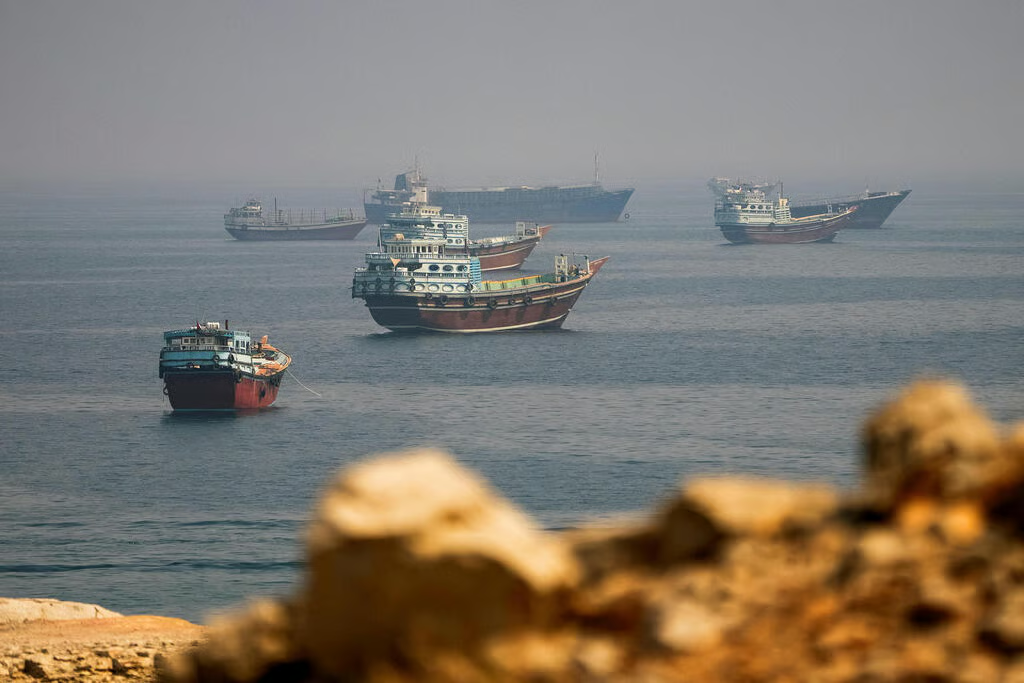
The tension began when a strike targeted an Iranian-flagged merchant ship, identified in reporting as the cargo vessel Ana, operating along Caspian maritime routes.
The Caspian Sea has traditionally been regarded as a secure rear area for regional logistics. However, the long-range strike demonstrated that even distant maritime routes are no longer immune to modern drone operations.
┌────────────────────────────────────────────────────────────────────────┐
│                      CASPIAN SEA INCIDENT TIMELINE                     │
├────────────────────────────────────────────────────────────────────────┤
│ 1. Incident Occurs: Strike hits Iranian cargo vessel Ana in Caspian.   │
│ 2. Tehran Reacts: Iranian FM declares attack a violation of UN Charter.│
│ 3. Military Alert: IRGC considers medium-range missile response (MRBM).│
│ 4. Diplomatic Outreach: Ukrainian FM Sybiha places call to Araghchi.   │
│ 5. De-escalation Request: Kyiv requests Iran not to attack or escalate.│
└────────────────────────────────────────────────────────────────────────┘
Initial reports confirmed that at least one Iranian sailor was killed during the strike, while several other crew members sustained injuries. Ukrainian diplomatic sources initially suggested the vessel was carrying military components, including drone technology and missile parts.
In contrast, Tehran forcefully denied these accusations, maintaining that the vessel was carrying purely civilian cargo. Iranian Foreign Minister Seyed Abbas Araghchi quickly contacted international bodies and regional counterparts, describing the incident as an unacceptable breach of international law and a direct threat to Iranian national security.
2. Diplomatic Firefighting: How Ukraine Has Apologized to Iran
Recognizing the immense danger of opening a direct confrontation with Tehran, Ukrainian Foreign Minister Andrii Sybiha initiated an emergency telephone call with Iranian Foreign Minister Abbas Araghchi.
During the direct conversation, Ukraine has apologized to Iran for the unintended casualty and damage, emphasizing that Kyiv had no intention of targeting civilian shipping or initiating hostility against Iranian sovereignty.
“Ukraine has no intention of attacking Iranian ships or civilians. Our military operations are carried out solely to defend our national sovereignty against aggression.” Andrii Sybiha, Foreign Minister of Ukraine
             ┌──────────────────────────────────────────┐
             │       KYIV'S DIPLOMATIC STRATEGY         │
             └────────────────────┬─────────────────────┘
                                  │
         ┌────────────────────────┴────────────────────────┐
         ▼                                                 ▼
┌─────────────────────────┐               ┌─────────────────────────┐
│  Immediate Apology      │               │  De-escalation Request  │
│  • Express regret       │               │  • Urge Iran not to     │
│  • Cite operational error│              │    launch missiles      │
│  • Emphasize defense    │               │  • Prevent regional war │
└─────────────────────────┘               └─────────────────────────┘
The Ukrainian government clarified that its military apparatus remains focused strictly on its primary regional conflict. By expressing formal regret and framing the Caspian Sea engagement as an operational miscalculation, Kyiv sought to disarm Tehran’s military justification for immediate retaliation.
3. Tehran’s Response: Demanding Restitution while Threatening Retaliation
While Foreign Minister Araghchi acknowledged the diplomatic call, Tehran made it clear that a verbal apology alone would not resolve the issue. Iranian military leadership, particularly within the Islamic Revolutionary Guard Corps (IRGC), began posturing for potential retaliatory strikes.
According to security intelligence leaks, Iranian defense units prepared medium-range ballistic missiles (MRBMs) capable of reaching targets up to 2,000 kilometers away. This range comfortably encompasses the entirety of Ukrainian territory.
                     ┌──────────────────────────────────┐
                     │ Caspian Sea Vessel Strike        │
                     └────────────────┬─────────────────┘
                                      │
                                      ▼
                     ┌──────────────────────────────────┐
                     │ IRGC Threatens Ballistic Response│
                     └────────────────┬─────────────────┘
                                      │
                                      ▼
             ┌────────────────────────┴────────────────────────┐
             │                                                 │
             ▼                                                 ▼
┌─────────────────────────┐                       ┌─────────────────────────┐
│ Financial Demands       │                       │ Diplomatic Conditions   │
│ • Full compensation     │                       │ • Formal guarantees     │
│ • Maritime guarantees   │                       │ • No future strikes     │
└─────────────────────────┘                       └─────────────────────────┘
Iran’s Diplomatic Terms
-
Financial Compensation: Tehran demanded full monetary restitution for the loss of life and physical destruction suffered by the cargo vessel Ana.
-
Formal Guarantees: Iranian officials required clear written assurances that Ukrainian forces will refrain from targeting Iranian assets in international or regional waters.
-
Strict Warning: Iranian leadership emphasized that any future strikes against Iranian citizens or sovereign interests would trigger an immediate military response.
“Any attack on our citizens or interests is unacceptable. Compensation is required. If goodwill is demonstrated, Iran will not seek further escalation.” Abbas Araghchi, Foreign Minister of Iran
4. Strategic Necessity: Why Kyiv Urged Iran Not to Attack
The primary objective of Ukrainian diplomacy during this crisis was convincing Iran not to attack or open a secondary front of conflict. Ukraine’s air defense architecture is already heavily burdened by ongoing daily engagements. Introducing Iranian medium-range ballistic missiles into the conflict would create severe operational challenges.
| Defense Domain | Ukrainian Operational Reality | Impact of Iranian Ballistic Retaliation |
| Air Defense Capacity | Stretched across key urban centers and frontlines. | Severe strain on interceptor inventory (Patriot, NASAMS). |
| Maritime Focus | Securing Black Sea commercial corridors. | Risk of Caspian & international waters becoming active battle zones. |
| Diplomatic Alignment | Maintaining Western military and economic aid. | Risk of alienating neutral or mediating nations. |
Strategic Risks of Escalation with Iran:
-
Depletion of Interceptor Stocks: Countering ballistic missiles requires specialized, high-cost interceptors. Facing additional ballistic threats would deplete stockpiles needed for frontline defense.
-
Economic Disruption: A direct retaliatory missile exchange could target infrastructure, causing further economic damage.
-
Geopolitical Complexity: Opening a direct military confrontation with Iran could complicate diplomatic negotiations with Western allies and regional partners.
5. The Caspian Sea: A New Maritime Conflict Zone
The strike on the cargo vessel Ana highlights how long-range strike capabilities are transforming regional geography. The Caspian Sea, bordered by five nations—Iran, Russia, Kazakhstan, Turkmenistan, and Azerbaijan—has historically served as a peaceful commercial trade corridor.
                                      ▲ N
                                      │
              CASPIAN SEA MARITIME CORRIDOR
       ┌──────────────────────────────┴────────────────────────┐
       │     [ Northern Ports: Commercial Trade Hubs ]         │
       └──────────────────────────────┬────────────────────────┘
                                      │
  =================== CASPIAN SEA SHIPPING LANES ===================
    ◄--- Merchant Vessels ---►   ◄--- Energy Supply Transit ---►
  ==================================================================
                                      │
       ┌──────────────────────────────┴────────────────────────┐
       │     [ Southern Ports: Iranian Shipping Terminals ]    │
       └───────────────────────────────────────────────────────┘
The introduction of long-range strike drones into the Caspian basin represents a significant shift in regional security:
-
Asymmetric Reach: Unmanned aerial vehicles (UAVs) can now project force thousands of kilometers beyond traditional battlefields.
-
Commercial Vulnerability: Unarmed merchant ships operating in enclosed seas face high risks when passing through contested security environments.
-
Multi-National Sensitivity: Any strike within the Caspian basin impacts the economic interests of all littoral states, risking broader diplomatic friction.
6. The Broader Geopolitical Context and International Reaction
The international response to the incident was swift. European diplomats, alongside regional mediators in Oman and Turkey, worked behind the scenes to encourage restraint from both sides.
Washington also monitored the situation closely. U.S. media outlets reported that American officials advised against actions that could spark a wider Middle Eastern escalation.
┌────────────────────────────────────────────────────────────────────────┐
│                        GLOBAL DIPLOMATIC POSTURE                       │
├────────────────────────────────────────────────────────────────────────┤
│ • United States: Urges restraint to prevent wider Middle East conflict.│
│ • European Union: Supports de-escalation & protection of maritime trade│
│ • Regional Partners: Mediating backchannel talks between Kyiv & Tehran│
│ • Iranian Military: Maintains high readiness pending financial terms. │
└────────────────────────────────────────────────────────────────────────┘
Key Diplomatic Developments:
-
Omani Backchannels: Omani diplomats facilitated discreet communications between Ukrainian and Iranian representatives to establish ground rules for de-escalation.
-
EU Statements: European Union foreign policy officials emphasized the importance of upholding international maritime law and preventing the spread of regional hostility.
-
Restitution Negotiations: Technical teams are reportedly assessing the financial damage to the Ana to establish a framework for compensation.
7. Lessons Learned: Managing Asymmetric Escalation
This incident demonstrates how modern warfare can unexpectedly draw in third-party nations. As long-range drone technology becomes widespread, the risk of accidental strikes on neutral or commercial assets increases significantly.
┌────────────────────────────────────────────────────────────────────────┐
│                      DE-ESCALATION CHECKLIST                           │
├────────────────────────────────────────────────────────────────────────┤
│ 1. Formal Apology: Delivered via direct diplomatic channels.          │
│ 2. Public Clarification: Explicit confirmation of no hostile intent.   │
│ 3. Restitution Agreement: Establishing terms for financial damages.    │
│ 4. Operational Controls: Enhanced targeting verification for drones.  │
└────────────────────────────────────────────────────────────────────────┘
By acting swiftly, Ukrainian diplomatic officials managed to defuse an immediate military threat. However, the incident serves as a stark reminder of how fragile international security remains when high-tech warfare intersects with sensitive global trade routes.
8. Summary & Key Strategic Takeaways
-
Diplomatic Apology Delivered: Ukraine has apologized to Iran for the Caspian Sea vessel incident, stating the attack was an operational mistake rather than an intentional act of aggression.
-
Urging Restraint: Kyiv explicitly requested Iran not to attack or launch ballistic missiles in order to avoid initiating a wider regional war.
-
Iran Demands Restitution: Tehran agreed to withhold immediate military retaliation on the condition that full financial compensation is paid for the damaged ship and loss of life.
-
Caspian Sea Security Vulnerability: The incident underscores how long-range drone technology has turned previously peaceful maritime zones into potential security flashpoints.
-
Active International Mediation: Western and Middle Eastern diplomatic backchannels played a crucial role in preventing an immediate ballistic missile response.