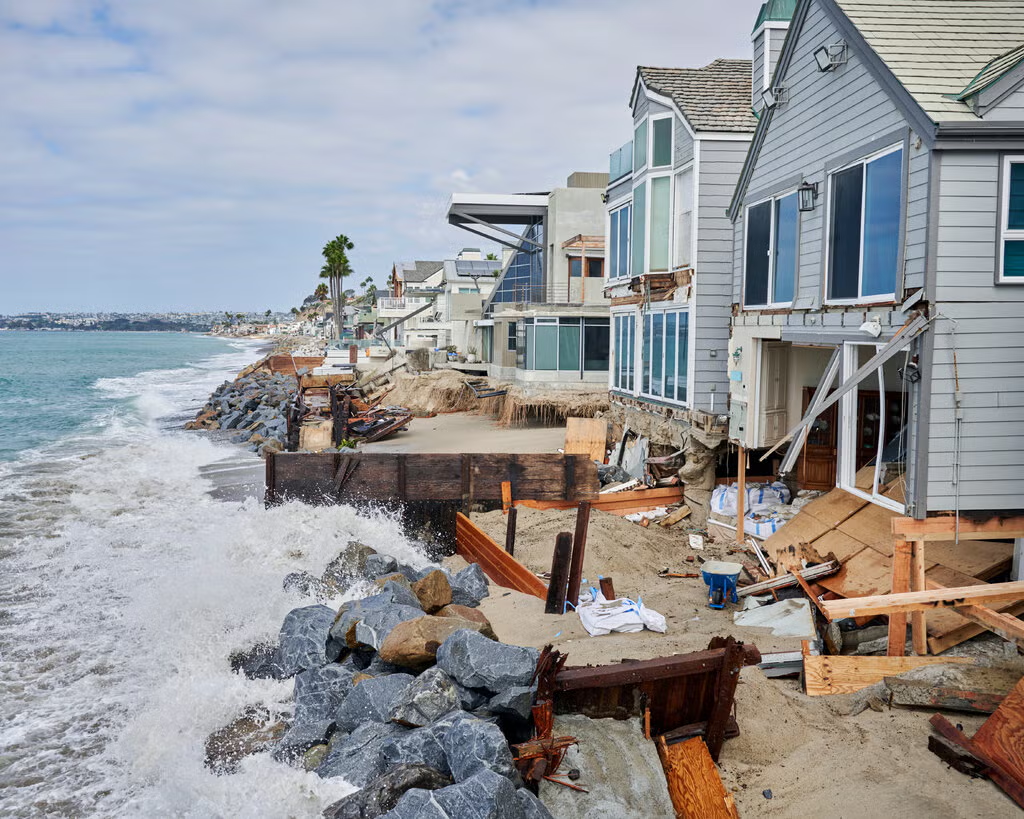
The California rising sea levels problem is becoming increasingly visible as powerful waves strip beaches of sand, damage coastal properties and expose infrastructure to greater risk.
On September 25, Reuters reported that parts of Southern California were already experiencing severe coastal damage. In Malibu, the Pacific Ocean opened a sinkhole near a beachfront property, while waves in Dana Point destroyed one home and forced the city to vacate or restrict occupancy at 16 others.
The damage comes as California enters a period of heightened concern about California coastal erosion 2026.
Scientists are watching the combination of El Niño, unusually warm Pacific waters, higher temporary sea levels and powerful storm waves.
The concern is not simply that beaches are getting smaller.
It is that the ocean is beginning to threaten places where homes, roads, railways and other critical infrastructure have already been built.
California’s Beaches Are Losing Sand
California’s beaches have always changed.
Waves naturally move sand along the coastline, while storms can temporarily remove large amounts of beach material.
But the current situation is attracting attention because several forces are occurring at the same time.
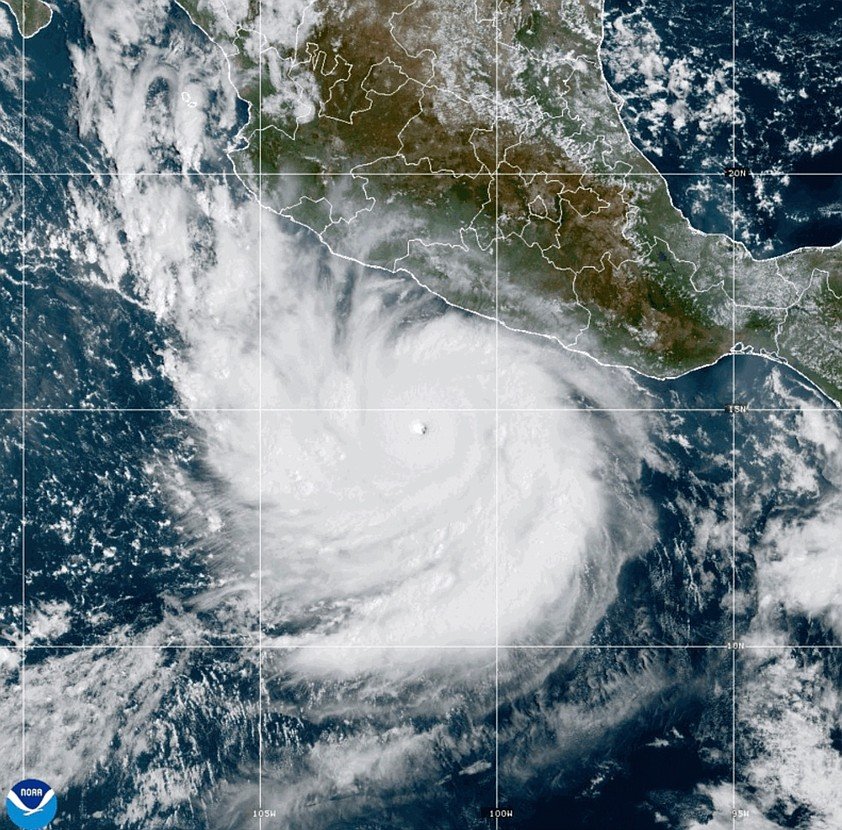
Eastern Pacific cyclones and hurricanes have generated large swells that reached Southern California even though the storms themselves did not make landfall there.
Those waves pushed farther onto beaches and removed sand from coastal areas.
Reuters reported that beaches in parts of Southern California have been dramatically transformed, with some locations showing very little sand between the ocean and coastal infrastructure.
Dana Point Home Destroyed by Waves
One of the clearest examples of the danger is in Dana Point.
Along Beach Road, waves destroyed a home and forced officials to vacate or restrict occupancy at 16 other properties.
The situation demonstrates how coastal erosion can move from an environmental issue to a direct housing and safety problem.
Once the protective beach in front of a property disappears, waves can reach structures with much greater force.
That can undermine foundations, damage roads and create dangerous conditions around buildings.
Malibu Sinkhole Highlights the Risk
Malibu has also experienced serious coastal damage.
According to Reuters, the Pacific Ocean opened a sinkhole near a beachfront property in the city.
Officials have also closed roads and restricted access in areas affected by coastal damage.
These incidents show why coastal erosion cannot simply be viewed as a problem for beaches.
When erosion reaches developed areas, it becomes an infrastructure problem as well.
El Niño Could Make the Situation Worse
One of the biggest concerns for the coming months is El Niño.
El Niño changes ocean and atmospheric conditions across the Pacific.
For California, it can contribute to temporarily higher sea levels and stronger coastal wave conditions during storms.
Reuters reported that sea levels along the California coast were already about six inches higher because of the developing El Niño pattern, with researchers warning that the temporary increase could reach about 12 inches or more during the winter.
That matters because waves do not need to become dramatically larger to cause more damage when the underlying ocean level is already higher.
A Higher Ocean Changes the Starting Point
Imagine a beach during a normal winter storm.
The waves approach the coast from a certain starting water level.
Now raise that water level by several inches.
The same storm can push water farther inland.
That can allow waves to reach dunes, roads, buildings and other structures that would normally have greater protection from the beach.
This is one reason temporary El Niño related sea level increases are important when combined with long term sea level rise.
Climate Change Adds Another Layer
Scientists studying California’s coast say climate change is adding another long-term pressure.
Warmer ocean conditions can influence storms and wave patterns, while long-term sea-level rise gradually raises the baseline from which coastal flooding occurs.
However, it is important to distinguish long-term climate trends from individual weather events.
The current California damage is not caused by one factor alone.
Powerful waves, storms, El Niño, natural coastal erosion and long-term sea-level changes are interacting.
Reuters quoted coastal researchers saying that climate change can amplify some of these conditions.
The Coming Winter Is a Major Concern
Scientists are particularly concerned about the upcoming winter.
Patrick Barnard, research director at the University of California, Santa Cruz’s Center for Coastal Climate Resilience, told Reuters that conditions are lining up for an unusually hazardous winter for California’s coastline.
The concern is based on several factors occurring simultaneously.
These include:
- Higher temporary sea levels
- Strong Pacific storm waves
- El Niño conditions
- Reduced beach sand
- Coastal erosion
- Long-term sea-level rise
- Valuable infrastructure located near the shoreline
When these factors combine, relatively ordinary coastal storms can create more serious consequences.
Why Losing Beach Sand Matters
Beach sand provides more than recreational space.
It can act as a natural buffer between waves and coastal development.
A wide beach gives waves more distance over which to lose energy before reaching buildings.
A narrow beach provides much less protection.
That means losing sand can increase the exposure of homes and infrastructure even if the buildings themselves have not moved.
This is one reason researchers are closely monitoring beaches across Southern California.
California Has Built Millions of Dollars of Infrastructure Near the Ocean
The coastline contains some of California’s most valuable infrastructure.
Roads, railways, wastewater facilities, homes, hotels and public spaces are often located close to the ocean.
Moving such infrastructure inland is not always practical.
Coastal geomorphologist Adam Young of the Scripps Institution of Oceanography told Reuters that some infrastructure can potentially be relocated, but major facilities such as wastewater plants, highways and railways can be extremely expensive to move.
That creates a difficult long term question.
What happens when the coastline moves closer to infrastructure that was designed for a different shoreline?
The Railroad Problem
Rail infrastructure provides a useful example.
Rail lines need stable routes and cannot easily be moved around changing coastlines.
In parts of California, discussions have already focused on whether some rail infrastructure may eventually need to move farther inland.
But relocation can cost billions of dollars.
That means governments must make decisions years before erosion becomes an immediate emergency.
Coastal Property Faces a New Calculation
California’s coastal housing market is also exposed to these changes.
Beachfront property has historically commanded enormous prices because of its location.
But the same location that creates value can also create risk.
If erosion removes the beach, damages access roads or threatens a building’s foundation, property owners can face expensive repairs.
Insurance can also become more complicated when the probability of coastal damage increases.
That means California coastal erosion 2026 could eventually become a financial story as well as an environmental one.
Can Seawalls Stop the Ocean?
Seawalls and other coastal defenses can protect some properties.
However, they do not necessarily solve every problem.
A wall may protect a particular structure while changing how waves interact with nearby sand.
In some locations, hard coastal defenses can also contribute to the loss of beach area over time.
That creates a difficult balance between protecting existing buildings and preserving beaches.
Sand Nourishment Is Another Option
Another strategy involves adding sand to beaches.
Governments can bring in additional sand to restore part of the beach that storms have removed.
This can provide temporary protection and preserve recreational beaches.
However, large quantities of sand can be expensive to transport and place.
Storms can then remove the newly added material.
As a result, beach nourishment may need to be repeated.
Sometimes the Answer Is Moving Back
Scientists increasingly discuss another strategy: managed retreat.
Instead of continually trying to hold the coastline in exactly the same position, communities can move vulnerable structures farther inland.
That approach can be politically and financially difficult.
Homeowners may not want to abandon valuable properties.
Businesses may depend on coastal tourism.
Communities may also have emotional and cultural connections to their beaches.
But where erosion becomes impossible to control economically, moving infrastructure may eventually become part of the conversation.
California’s Coastline Has Always Changed
It is important to remember that erosion itself is not a new phenomenon.
California’s coastline has naturally changed for thousands of years.
Waves constantly move sediment.
Storms reshape beaches.
Cliffs collapse.
Sand moves between different parts of the coastline.
The modern problem is that humans have placed valuable infrastructure directly in areas where the coastline naturally changes.
As one coastal researcher told Reuters, the challenge is not simply that erosion exists. It is that development has been built in vulnerable locations.
Why 2026 Is Getting Attention
The current situation is unusual because the effects are highly visible.
Homes have been damaged.
A home in Dana Point was destroyed.
Some properties have been vacated or had their occupancy restricted.
Beaches have lost large amounts of sand.
Roads and access points have been closed.
And researchers are warning that the coming winter could bring additional hazards.
That makes California rising sea levels more than a distant environmental projection.
For coastal communities, the consequences are already appearing.
What Could Happen During a Major Winter Storm?
The most concerning scenario would involve several hazards arriving at the same time.
For example:
Higher sea level + high tide + powerful waves + strong storm = greater coastal flooding and erosion risk.
If a large storm arrives when beaches have little remaining sand, waves can reach structures more easily.
If that happens during an exceptionally high tide, water can travel even farther inland.
Repeated storms could then prevent beaches from recovering between events.
Southern California Is Not the Only Area at Risk
Although much of the current attention is focused on Southern California, coastal erosion is not limited to one city.
California has an enormous coastline stretching from the Mexican border to Oregon.
Different areas face different geological and infrastructure challenges.
Some communities have beaches that naturally recover after storms.
Others have cliffs, seawalls, roads or railways immediately adjacent to the ocean.
That means the future impact will vary significantly from one location to another.
What Happens to California’s Famous Beaches?
California’s beaches are a major part of the state’s identity and economy.
Tourism, surfing, recreation and coastal businesses all depend on accessible beaches.
If beaches become narrower or disappear temporarily, communities can lose more than scenic views.
They can lose tourist revenue, public recreation space and natural protection against waves.
That is why coastal erosion has consequences far beyond individual homeowners.
The Bigger Question: Can California Adapt?
California has the scientific expertise and financial resources to monitor its coastline.
The harder question is how communities will respond when scientific warnings conflict with the enormous value of coastal property.
Possible strategies include:
- Beach nourishment
- Dune restoration
- Improved coastal monitoring
- Seawalls in selected locations
- Relocating vulnerable infrastructure
- Stronger building standards
- Improved flood planning
- Managed retreat
- Long-term coastal zoning
No single solution will work everywhere.
Different sections of California’s coastline have different geological, economic and environmental conditions.
What Residents Should Watch
People living near vulnerable coastal areas should monitor official warnings during major storms.
Important signs include:
- Rapid beach erosion
- Waves reaching roads
- Cracks near cliffs
- Damage to seawalls
- Sinkholes
- Flooded access routes
- Collapsing walkways
- Coastal property damage
- Evacuation or closure notices
Residents should also avoid entering restricted areas because erosion can make seemingly stable ground dangerous.
What Happens Next?
The coming months will provide an important test for California’s coastline.
Researchers will monitor sea levels, wave conditions, beach sand and storm activity.
Communities will have to decide whether to repair damaged infrastructure, reinforce vulnerable locations or consider longer-term relocation.
The decisions made now could influence how California’s coastline looks decades from today.
Conclusion
The California rising sea levels story is becoming increasingly difficult to ignore.
Powerful waves have already damaged coastal properties, destroyed a home in Dana Point and contributed to severe erosion across parts of Southern California. Malibu has experienced a sinkhole near beachfront property, while some communities have restricted access to vulnerable areas.
The immediate damage is being driven by a combination of storms, powerful Pacific swells, El Niño and natural coastal erosion.
But the longer-term concern is bigger.
As sea levels rise, the ocean begins from a higher baseline. When powerful waves and high tides arrive on top of that higher water level, vulnerable beaches and infrastructure can face greater pressure.
Scientists are now watching the coming winter closely.
If El Niño produces the expected higher temporary sea levels and large Pacific waves arrive repeatedly, California could see more beach erosion, flooding and infrastructure damage.
The question is no longer simply whether California’s coastline will change.
It always has.
The bigger question is how much of the coastline’s homes, roads, railways and public spaces can safely remain where they are as the ocean continues to reshape the edge of the state.
Frequently Asked Questions
What is happening to California’s coastline in 2026?
Parts of California’s coastline are experiencing severe erosion after powerful Pacific swells removed large amounts of beach sand. Some homes and coastal infrastructure have already been damaged.
What is causing California coastal erosion in 2026?
The current erosion is linked to powerful waves from Eastern Pacific storms and hurricanes, El Niño conditions, higher temporary sea levels and natural coastal processes. Long-term sea-level rise adds another layer of risk.
Are California rising sea levels destroying homes?
Rising sea levels increase long-term coastal exposure, but the immediate 2026 destruction reported in Southern California has involved powerful waves, storm swells and erosion. Reuters reported that waves destroyed a home in Dana Point and damaged other properties.
Could El Niño make California coastal erosion worse?
Yes. Researchers expect El Niño to temporarily raise sea levels along the California coast and contribute to conditions that can produce powerful waves and increased erosion.
Which California areas are being affected?
Southern California has experienced significant coastal damage, including areas around Malibu, Dana Point, Long Beach, Encinitas and Carlsbad.
Can California stop coastal erosion?
Some areas can use beach nourishment, coastal defenses or other protective measures. However, no single method can permanently stop natural coastal change, and some infrastructure may eventually need to be relocated.
Why are California beaches important for flood protection?
Wide beaches can provide a natural buffer between waves and coastal infrastructure. When storms remove sand, waves can reach buildings, roads and other structures more easily.