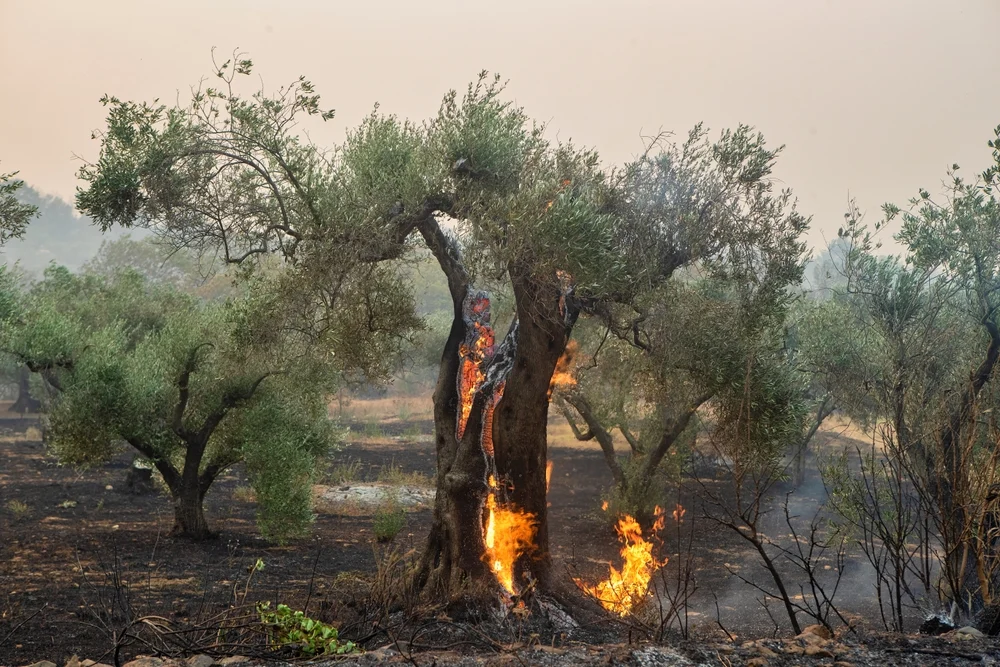
Europe’s traditional summer holiday season is facing an increasingly difficult challenge as destructive wildfires spread across several countries during one of the continent’s busiest travel periods.
From France and Greece to Croatia, Spain and Belgium, fires have affected communities and tourist regions, forcing evacuations and putting pressure on emergency services. The situation is changing the way travelers think about destinations that have traditionally been among Europe’s most popular summer escapes.
The Europe wildfire crisis is no longer simply an environmental story. It has become a tourism, transportation, economic and public-safety issue.
With thousands of residents and visitors affected by fires this summer, the summer travel season is being reshaped by a combination of extreme heat, dry conditions, evacuation warnings and uncertainty over whether some destinations will remain accessible.
Recent reporting indicates that more than 576,000 hectares have burned across Europe this year, while fires in several countries have caused deaths, injuries and large-scale displacement.
Wildfires Reach Popular Tourist Regions
One of the biggest concerns is the location of the fires.
Many European wildfire emergencies are occurring close to areas that attract millions of tourists every year. Coastal communities, islands, forests and countryside destinations are particularly vulnerable because hotels, holiday homes and tourist attractions can be located close to vegetation.
France has been among the countries heavily affected. Recent fires have destroyed approximately 50,000 hectares in affected areas, damaged homes and forced around 220,000 people to evacuate, according to Reuters. The French government has also announced financial support for businesses, including companies in the tourism sector affected by the fires.
The consequences extend beyond people whose homes are directly threatened.
Tourists may have to leave hotels, cancel excursions or change their travel routes when authorities issue evacuation orders.
France’s Tourism Industry Feels the Pressure
France remains one of the world’s most important tourism destinations, making wildfire disruption particularly significant.
Southern and southwestern areas attract visitors for beaches, wine regions, countryside resorts and cultural attractions.
When fires approach these locations, the tourism industry can suffer even if a hotel or attraction is not directly damaged.
Travelers may cancel bookings because they are concerned about smoke, road closures or the possibility of evacuation.
Restaurants, tour operators, transport companies and small businesses can also lose income when visitors decide to stay away.
The French government has responded with measures including tax relief for businesses affected by the fires. That response highlights how the Europe wildfire crisis is becoming an economic issue as well as an environmental emergency.
Greece Faces a Similar Challenge
Greece is another country where tourism and wildfire risks increasingly overlap.
The country’s islands and coastal regions are among Europe’s most popular summer destinations.
Recent fires have affected areas near Athens and other tourist locations. On Salamina, a wildfire killed two people, while authorities have continued monitoring other fires as weather conditions change.
The challenge for Greece is especially complicated because the country’s tourism economy depends heavily on the summer months.
A single major wildfire can create uncertainty for visitors who have already booked flights, hotels and transportation.
Even when a fire is contained, smoke, damaged roads and emergency restrictions can continue affecting travel.
Croatia’s Coastal Tourism Also Faces Risk
Croatia has become one of Europe’s most popular summer destinations, particularly along its Adriatic coastline.
However, wildfire emergencies have also affected Croatian tourist regions.
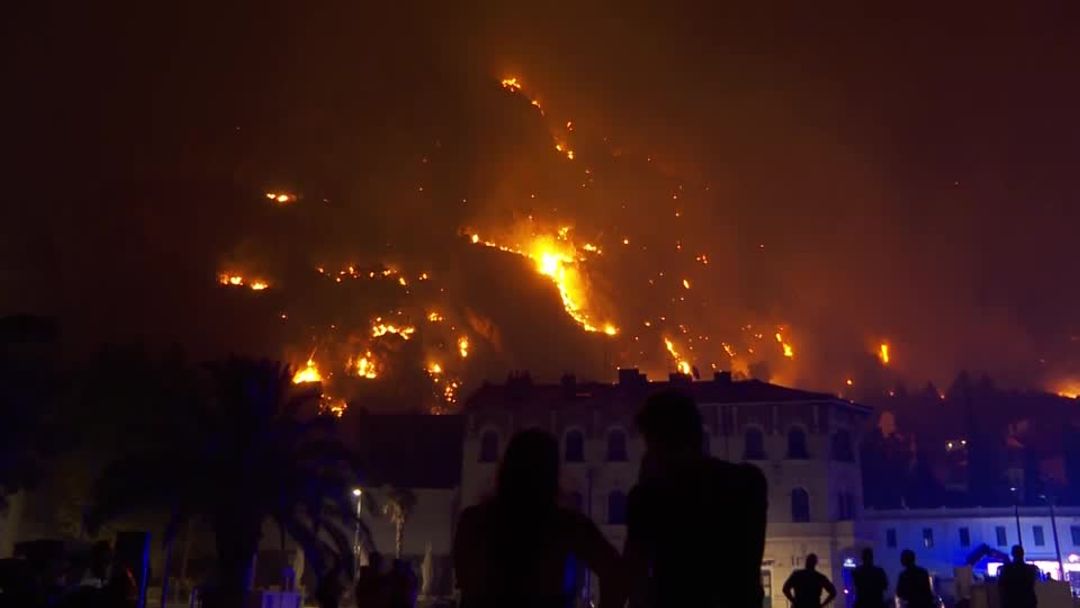
A fire near the coastal city of Omis recently resulted in evacuations and injuries, demonstrating how quickly a wildfire can move from a rural area toward a tourist population. Reuters reported that around 1,000 people were evacuated in the Omis area, with several people hospitalized.
For visitors, such incidents create an uncomfortable question: Should a holiday continue when emergency conditions are developing nearby?
That decision can be difficult because wildfire conditions can change rapidly with wind and temperature.
Tourists Are Changing Their Travel Plans
The summer travel season has traditionally been associated with predictable patterns.
Travelers often book European holidays months in advance, choosing July and August because of school vacations, warm weather and long daylight hours.
But extreme heat and wildfire risks are encouraging some travelers to reconsider those patterns.
Instead of visiting the hottest southern regions during peak summer, travelers may increasingly choose northern European destinations or travel during spring and autumn.
This could eventually create a major shift in Europe’s tourism calendar.
Hotels and airlines may also need to adapt if travelers begin avoiding the hottest weeks of the year.
The Problem Is Bigger Than Fire
Wildfires are only one part of the changing European summer.
Extreme heat can create additional health risks for tourists, especially older travelers and people with existing vulnerabilities.
High temperatures can also place pressure on electricity networks, water supplies and transportation systems.
When extreme heat combines with drought, vegetation becomes much easier to ignite.
That creates conditions in which a small fire can develop into a major emergency.
Recent reporting has linked the current European wildfire situation to extreme heat, drought and longer-term climate pressures.
Transportation Can Become Unpredictable
Travelers affected by wildfires may face more than canceled accommodation.
Roads can close when fires threaten nearby communities.
Rail services may be suspended in affected areas.
Flights can also face delays when smoke reduces visibility or when airports operate under emergency conditions.
Tour operators may cancel excursions because roads or tourist sites are inaccessible.
This means travelers need to think beyond their hotel reservation.
A destination may technically remain open while individual roads, beaches, hiking trails or attractions are temporarily closed.
Insurance Is Becoming More Important
The changing risk environment also puts greater importance on travel insurance.
Travelers should understand whether their policies cover evacuation, trip cancellation, accommodation changes and transportation disruption caused by natural disasters.
Not every policy offers identical protection.
Tourists traveling to wildfire-prone regions should read the conditions before departure rather than assuming every emergency expense will automatically be covered.
This is becoming especially relevant as wildfire alerts can change quickly.
Tourism Businesses Face a Difficult Balance
Hotels and tourism companies face their own challenge.
They need to continue serving customers while prioritizing safety.
A hotel located outside an evacuation zone may remain open even when nearby areas are affected.
However, managers must constantly monitor emergency announcements and be prepared to act if conditions worsen.
Small tourism businesses can be particularly vulnerable.
A family-owned restaurant, tour company or guesthouse may not have the financial reserves needed to survive weeks of reduced bookings.
The French government’s decision to provide support for affected tourism businesses shows how seriously authorities are beginning to treat the economic consequences.
Could Europe’s Tourism Map Change?
The long-term question is whether repeated wildfire emergencies will change where people choose to spend their summer holidays.
For decades, Mediterranean destinations have benefited from warm weather, beaches and predictable summer demand.
But if extreme heat and wildfire risks become more frequent, travelers could gradually change their preferences.
Northern Europe could benefit from this shift.
Countries with cooler summer climates may become increasingly attractive to tourists looking for comfortable temperatures and lower wildfire risks.
Meanwhile, southern destinations could see greater demand during the shoulder seasons of April, May, September and October.
Travelers Need Better Preparation
The Europe wildfire crisis does not mean tourists should avoid Europe altogether.
Most European destinations remain open, and a wildfire in one region does not automatically mean an entire country is unsafe.
However, travelers should prepare differently.
Before leaving, visitors should check local emergency warnings, wildfire maps and transportation updates.
They should also know the location of their accommodation and understand what evacuation routes are available.
Travelers should avoid entering restricted areas simply to take photographs or observe a wildfire.
Emergency instructions should always take priority over holiday plans.
Climate Risk Could Become a Tourism Issue
The relationship between climate change and tourism is becoming increasingly difficult to ignore.
As heatwaves and droughts intensify, wildfire seasons can place additional pressure on destinations already dealing with water shortages and extreme temperatures.
The European wildfire situation therefore raises a broader question about the future of mass summer tourism.
Can traditional tourist destinations continue accommodating millions of visitors during increasingly extreme summers?
The answer may depend on how quickly governments, businesses and communities invest in prevention and adaptation.
European officials are already facing calls to place greater emphasis on wildfire prevention rather than relying primarily on emergency firefighting.
Europe May Need a New Summer Travel Model
The biggest change may not happen overnight.
Instead, travel habits could gradually evolve.
Tourists may book later to monitor weather conditions.
Families may choose cooler destinations.
Travelers may avoid the peak heat of July and August.
Hotels may promote autumn packages more aggressively.
Airlines and tour operators could eventually expand services during traditionally quieter months.
Such changes could create both winners and losers within Europe’s tourism industry.
What Tourists Should Do Now
People planning European holidays should not panic, but they should remain flexible.
Before traveling, tourists should:
- Check official wildfire warnings.
- Monitor local weather conditions.
- Confirm hotel and transportation arrangements.
- Review travel insurance coverage.
- Avoid restricted areas.
- Keep important documents accessible.
- Follow evacuation instructions immediately.
- Have an alternative route or destination when possible.
These simple steps can make a major difference during an emergency.
The Future of Europe’s Summer Holidays
The summer travel season is unlikely to disappear, but it may look different in the years ahead.
Europe remains home to some of the world’s most attractive destinations, and millions of people will continue visiting its beaches, cities and historic sites.
However, travelers are increasingly being asked to consider risks that were once treated as rare exceptions.
Wildfires, extreme heat and drought are becoming important factors in travel planning.
For tourism businesses, this means preparing for a more unpredictable environment.
For governments, it means investing in prevention, emergency services and infrastructure.
And for travelers, it means accepting that flexibility may become an essential part of the European summer holiday.
Conclusion
The Europe wildfire crisis is changing more than forests and landscapes. It is beginning to reshape how tourists plan holidays, how businesses protect their income and how governments prepare for the future.
Fires across France, Greece, Croatia, Spain and other parts of Europe have demonstrated the vulnerability of popular tourist regions during periods of extreme heat and drought.
The impact on the summer travel season could extend well beyond individual evacuations.
If wildfire risks continue increasing, travelers may increasingly move toward cooler destinations and shoulder-season holidays.
Europe’s tourism industry now faces a new reality: summer weather can no longer be viewed only as an advantage.
For millions of travelers, the next European holiday may depend not only on beautiful beaches and historic cities, but also on wildfire warnings, weather forecasts and emergency preparedness.
The continent’s tourism industry will need to adapt and travelers may need to adapt with it.