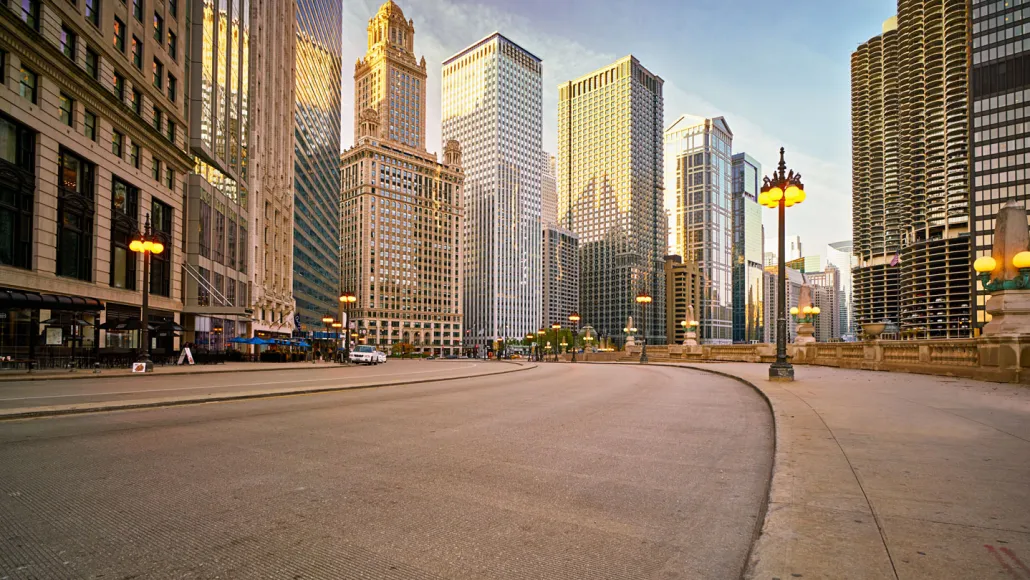
A city can be several degrees hotter than the countryside surrounding it.
The reason is not simply the weather.
Concrete buildings absorb heat. Roads store solar energy. Dark rooftops become extremely hot under direct sunlight. Vehicles and air-conditioning systems also release additional heat into urban environments.
As a result, walking through a densely built neighborhood can feel dramatically hotter than visiting a shaded park just a few streets away.
This phenomenon has helped create growing interest in the idea of cool cities.
Instead of relying entirely on air conditioners to protect people from extreme temperatures, urban planners are increasingly examining how streets, buildings, parks and public spaces can be designed to reduce heat exposure in the first place.
In other words, the future of urban cooling may not depend only on machines.
It could also depend on how cities are built.
What Is a “Cool City”?
A cool city is not necessarily a city with a cold climate.
Instead, the term describes an urban environment designed to reduce excessive heat and improve outdoor comfort.
That can involve trees, shade structures, reflective materials, green spaces, better building designs and other strategies.
The goal is relatively simple:
Make urban areas safer and more comfortable during extreme heat.
This matters because heat can become particularly dangerous in densely populated areas.
According to the U.S. Environmental Protection Agency, the urban heat-island effect occurs when developed areas become warmer than nearby rural areas because buildings, roads and other infrastructure absorb and re-emit heat.
Therefore, changing the physical environment can become an important part of climate adaptation.
Why Cities Become Hotter
Imagine a large city on a sunny summer afternoon.
Thousands of buildings surround you.
Roads cover the ground.
Parking areas absorb sunlight.
Tall structures reduce natural airflow.
There may be relatively little vegetation.
Consequently, enormous amounts of heat can become trapped within the urban environment.
This is known as the urban heat island effect.
The problem becomes more noticeable at night.
Concrete and asphalt absorb heat throughout the day.
Then, they gradually release that heat after sunset.
As a result, some neighborhoods remain uncomfortable long after the sun has disappeared.
Trees Could Become Urban Cooling Infrastructure
One of the simplest urban heat solutions is also one of the oldest: trees.
Trees provide shade.
At the same time, they release water through a natural process called evapotranspiration, which can help cool the surrounding environment.
A tree-lined sidewalk can therefore feel considerably different from an exposed sidewalk under direct sunlight.
Furthermore, trees provide benefits beyond temperature reduction.
They can improve public spaces, support biodiversity and make walking areas more attractive.
However, planting trees is not as simple as putting them wherever space is available.
Cities need to consider water availability, root systems, maintenance and the types of trees that can survive local conditions.
Shade May Matter More Than Temperature
One interesting aspect of urban cooling is that people do not experience temperature alone.
Radiant heat from the sun can make an outdoor environment feel much hotter.
For example, two sidewalks can have similar air temperatures while feeling completely different.
One may sit beneath a large tree.
The other may remain exposed to direct sunlight.
As a result, urban planners are increasingly interested in creating shade rather than simply lowering the temperature of the entire city.
This could include trees, covered walkways, awnings and purpose-built shade structures.
Cool Roofs Can Reflect Heat
Roofs are another important part of the urban environment.
Traditional dark roofs can absorb substantial amounts of sunlight.
By contrast, reflective or “cool” roofing materials can reflect more solar energy and remain cooler.
The U.S. Department of Energy notes that cool roofs can reduce roof temperatures and lower cooling demand in appropriate climates.
Therefore, changing the surface of a building can potentially reduce heat entering the structure.
The concept becomes particularly interesting when thousands of buildings adopt similar strategies.
What About Cool Pavements?
Roads and sidewalks cover enormous areas of modern cities.
Consequently, researchers are examining materials and designs that could reduce heat absorption.
Some approaches involve lighter-colored or reflective surfaces.
Others explore permeable materials that allow water to move through the surface.
However, no single pavement solution works everywhere.
Local climate, maintenance requirements, pedestrian safety and material performance all matter.
Therefore, cities need to test different approaches rather than assuming one material will solve the entire problem.
Green Spaces Can Change Neighborhoods
Parks provide another important cooling strategy.
A large green space can offer shade, vegetation and areas where people can escape heavily built-up environments.
Moreover, parks can provide recreational benefits.
They give residents places to walk, exercise and gather.
However, access matters.
A giant park on the edge of a city does not necessarily help people living in neighborhoods with little shade.
For this reason, smaller green spaces distributed throughout urban areas can also be important.
The “Pocket Park” Approach
A pocket park is a relatively small green space inserted into an urban neighborhood.
For example, an unused piece of land could become a shaded public space.
A former parking area might become a small garden.
An underused corner could receive trees, seating and shade.
As a result, residents may gain a cooler place without waiting for a massive new park.
This approach can be especially useful in older neighborhoods where large areas of unused land are difficult to find.
Water Can Help, But It Is Not a Universal Answer
Water features can provide cooling through evaporation.
However, using water as an urban heat solution can create problems in areas facing water shortages.
Therefore, cities need to consider local resources carefully.
A water-intensive cooling project may not make sense in an already drought-prone region.
Instead, planners may combine limited water features with shade, vegetation and reflective surfaces.
The most effective solution is often a combination rather than a single technology.
Building Design Can Make a Major Difference
Urban cooling does not stop at streets.
Buildings themselves can be designed to reduce heat exposure.
External shading can block sunlight before it reaches windows.
Better insulation can reduce heat entering indoor spaces.
Ventilation can also improve comfort when outdoor conditions permit.
Furthermore, building orientation can influence how much direct sunlight reaches walls and windows.
This means architects can contribute to cool cities before construction even begins.
Could Streets Be Designed for Heat?
Traditional streets are often designed primarily for vehicles.
However, extreme heat is encouraging planners to think differently.
A heat-conscious street might include wider shaded sidewalks, trees, reflective surfaces and comfortable public seating.
At the same time, pedestrian areas could receive greater protection from direct sunlight.
This approach could make walking more attractive during hot weather.
It could also help people who cannot rely on private vehicles.
Public Transport Stops Need Cooling Too
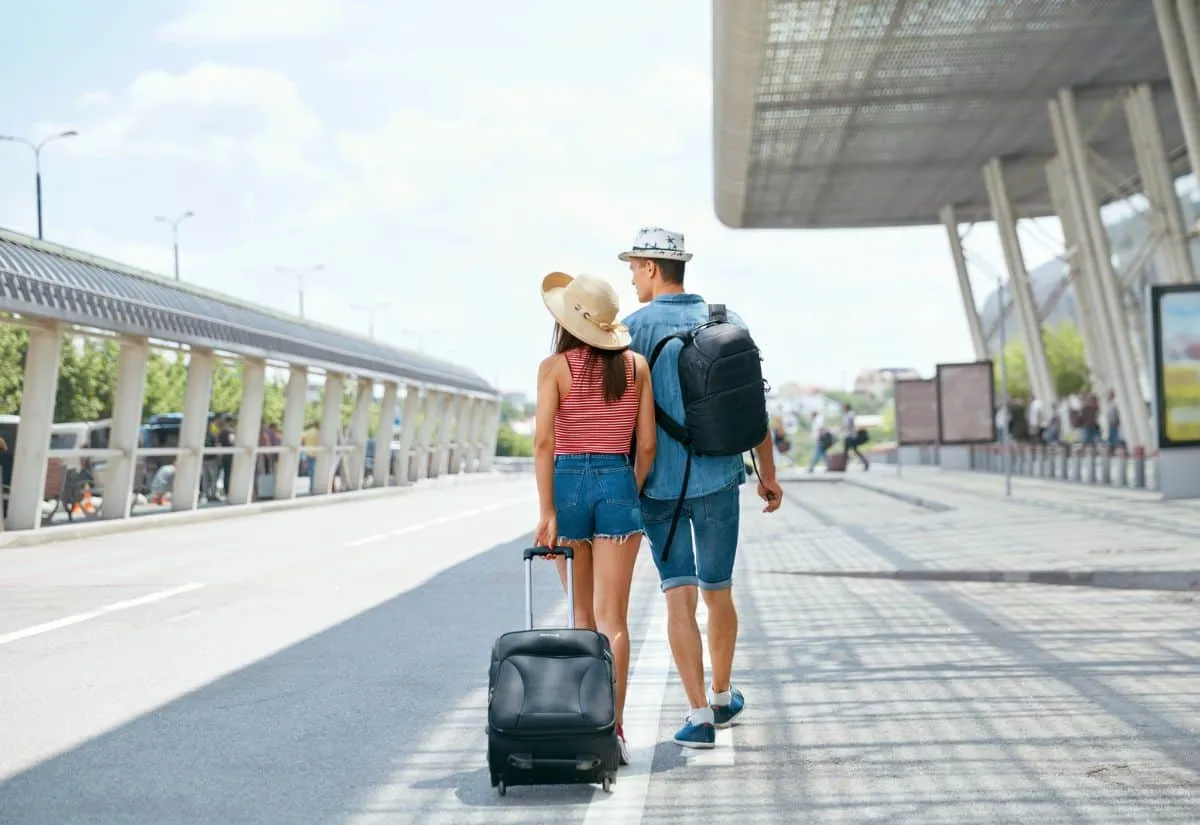
Consider a person waiting for a bus on a hot afternoon.
A bus stop without shade can become extremely uncomfortable.
Therefore, transit infrastructure should also be included in urban heat planning.
Covered shelters can provide protection from direct sunlight.
Trees can provide additional shade where appropriate.
In addition, some cities could explore reflective materials and improved ventilation.
Small improvements at thousands of transit stops could make a significant difference to daily commuters.
The Heat Problem Is Not Equal Everywhere
One of the most important aspects of urban heat is that temperatures and exposure can vary significantly within the same city.
A wealthy neighborhood may have mature trees, parks and shaded streets.
Another neighborhood may have extensive asphalt, limited vegetation and fewer public cooling spaces.
As a result, heat can become an issue of urban inequality.
People who spend more time outdoors because of their jobs may also face greater exposure.
Children, older adults and other vulnerable groups can face additional risks during extreme heat.
Therefore, urban cooling strategies should prioritize the places and populations that need them most.
Cool Cities Could Become a Public Health Strategy
Extreme heat is not simply an inconvenience.
It can create serious health risks.
The U.S. Centers for Disease Control and Prevention warns that extreme heat can lead to heat-related illnesses and that some groups face greater risks.
Consequently, urban cooling can become part of public-health planning.
A shaded street may encourage people to walk without experiencing as much direct heat.
A cooler building can reduce indoor heat exposure.
A nearby green space can provide a place to escape heavily built-up surroundings.
Technology Could Make Cities Smarter
Technology may also become part of future urban heat solutions.
Cities can use sensors to monitor temperatures across different neighborhoods.
For example, sensors could identify streets that become particularly hot during the afternoon.
Satellite imagery can also help researchers study urban surfaces and vegetation.
Meanwhile, computer models can help planners test different cooling strategies.
A city could potentially compare what happens if it plants trees, changes pavement or adds shade structures.
As a result, urban planning could become more data-driven.
AI Could Help Design Cooler Streets
Artificial intelligence could eventually assist with urban heat planning.
An AI system could analyze temperature measurements, building locations, traffic patterns, tree coverage and population density.
Then, it could identify areas where additional shade or vegetation might produce the greatest benefit.
For example, an algorithm could recommend planting trees along a particular pedestrian route.
Similarly, it could identify bus stops where shade improvements would benefit large numbers of commuters.
However, AI should support urban planners rather than replace them.
Local knowledge remains essential.
The Future City May Look Different
If cities seriously prioritize heat reduction, streets could gradually change.
More trees could appear along sidewalks.
Parking areas could include shade.
Roofs could become more reflective.
Buildings could use better external shading.
Public spaces could contain more vegetation.
Meanwhile, pedestrian routes could be designed around comfort rather than simply movement.
The result would not necessarily look like a futuristic city.
Instead, it could look surprisingly natural.
Why “Cool Cities” Are More Than a Climate Trend
The idea of cool cities connects several major urban challenges.
It involves climate adaptation.
It involves public health.
It involves transportation.
It involves architecture.
It also involves quality of life.
For example, a shaded pedestrian route can help reduce heat exposure while simultaneously making walking more pleasant.
A tree-lined street can provide shade while improving the appearance of a neighborhood.
A green public space can provide recreation while helping manage heat.
Therefore, the best urban heat solutions can deliver several benefits at once.
What Cities Should Avoid
There is no universal solution.
A city should not simply copy another city’s strategy without considering local conditions.
For example, a water-intensive cooling project may be unsuitable in a dry climate.
Planting trees without considering long-term maintenance can also create problems.
Reflective materials may perform differently depending on the surrounding environment.
Therefore, successful cooling plans require local testing and long-term maintenance.
The Real Challenge Is Scale
Creating one cool street is relatively easy.
Creating an entire cool city is much harder.
Thousands of roads need to be redesigned.
Millions of buildings may require upgrades.
Trees need years to mature.
Public budgets are limited.
Nevertheless, cities do not need to transform everything overnight.
They can begin with the hottest and most heavily used areas.
Then, successful strategies can gradually expand.
A Cooler City Could Also Be a Better City
Perhaps the biggest advantage of urban cooling is that it can improve everyday life.
People want streets where they can walk comfortably.
They want parks where children can play.
They want public transport stops where they can wait without standing under intense sunlight.
At the same time, businesses benefit when public areas become more pleasant.
Restaurants can use outdoor spaces.
Shops can attract pedestrians.
Communities can use public areas for social activities.
As a result, cooling projects can become investments in the overall quality of urban life.
Conclusion
The future of cool cities may not depend on one revolutionary invention.
Instead, it could emerge from hundreds of relatively simple changes.
More trees.
More shade.
Cooler roofs.
Smarter pavements.
Better buildings.
More green spaces.
Improved public transport infrastructure.
Together, these measures can form a broader network of urban heat solutions.
The most important change may be conceptual.
For decades, cities often treated heat as something people simply had to endure.
Now, urban planners increasingly have an opportunity to design environments that respond to heat more intelligently.
The city of the future may therefore not simply be smarter.
It may be cooler, greener and more comfortable for the people who live there.
Frequently Asked Questions
What are cool cities?
Cool cities are urban areas that use design, vegetation, materials, buildings and infrastructure to reduce heat exposure and improve outdoor comfort.
What are the best urban heat solutions?
Common strategies include trees, shade, cool roofs, reflective surfaces, green spaces, better building design and heat-aware public infrastructure.
Why do cities become hotter than rural areas?
Buildings, roads and other urban surfaces can absorb and re-release heat, creating the urban heat-island effect.
Can trees really cool cities?
Yes. Trees provide shade and can contribute to cooling through evapotranspiration. However, their effectiveness depends on species, location, water availability and long-term maintenance.
Can AI help create cool cities?
Potentially. AI can analyze large quantities of environmental and urban data and help planners identify areas where cooling interventions may have the greatest impact.