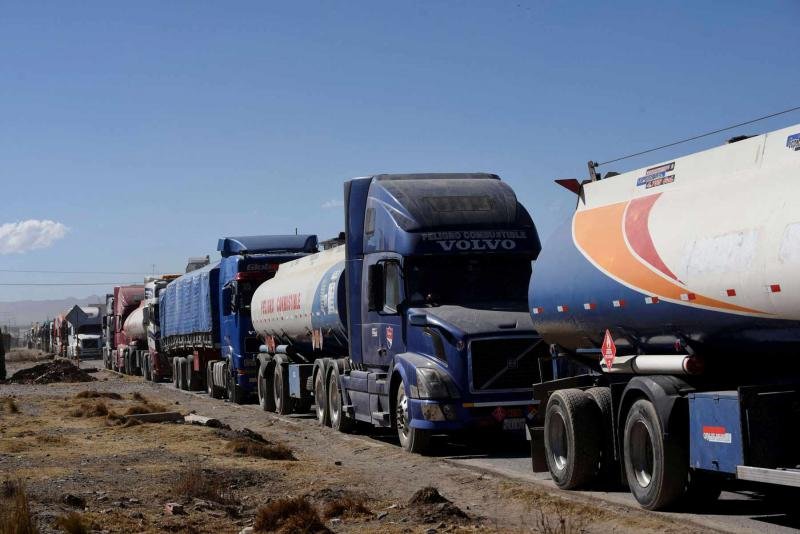
The global diesel shortage 2026 is becoming one of the most important economic consequences of the Iran war, and the pressure could continue well into 2027.
While most attention has focused on crude oil and gasoline, diesel is creating a different problem. Trucks, ships, farming equipment, construction machinery and factories all depend heavily on diesel fuel.
Reuters reported this week that a global diesel shortage linked to the wars in Iran and Ukraine is unlikely to ease before next year. U.S. diesel prices have already moved above $6 a gallon, while inventories have fallen to exceptionally low levels.
That means the Iran conflict is no longer only a story about oil tankers and Middle Eastern shipping routes.
It is becoming a story about how the world moves food, goods and raw materials.
Why Diesel Matters More Than People Realize
Diesel rarely receives as much attention as gasoline.
However, the global economy depends heavily on it.
Long-haul trucks use diesel to transport goods between cities and countries. Farmers use it to operate tractors and harvesting machinery. Construction companies rely on diesel-powered equipment.
Ships also consume large quantities of fuel.
Therefore, when diesel becomes scarce or expensive, the impact can spread through the entire supply chain.
A higher diesel price can eventually mean higher transportation costs, higher production expenses and more expensive consumer goods.
That makes the global diesel shortage 2026 potentially more significant than a simple fuel-price increase.
The Iran War Is Making the Problem Worse
The Iran conflict has disrupted important energy routes across the Middle East.
Shipping through the Strait of Hormuz has fallen dramatically compared with normal levels. At the same time, security risks around the Red Sea have complicated alternative shipping routes.
These disruptions do not necessarily remove every barrel of oil from the world market.
Instead, they make transportation slower, riskier and more expensive.
Refiners then have to compete for available supplies while shipping companies face higher costs and insurance risks.
That pressure eventually reaches refined products such as diesel.
Diesel Stocks Are Running Low
The biggest concern is not simply today’s price.
It is the amount of fuel sitting in storage.
Reuters reported that U.S. diesel inventories had fallen to about 107.9 million barrels by September 11, the lowest level for that date since records began in 1982.
The Energy Information Administration also expects U.S. distillate stocks to remain below the five-year average through much of 2026 and into 2027.
That leaves relatively little room for a major new supply disruption.
If another refinery outage, shipping disruption or geopolitical escalation occurs, fuel markets could tighten quickly.
Why Truck Drivers Could Feel It First
The trucking industry is particularly sensitive to diesel prices.
A truck can travel hundreds of thousands of miles in a year, consuming enormous quantities of fuel.
Even a relatively small increase in diesel prices can therefore add thousands of dollars to operating costs.
Transport companies have several options.
They can absorb the additional expense.
They can raise freight rates.
Or they can pass some of the cost to customers.
The third option is what eventually concerns consumers.
When transporting products becomes more expensive, retailers and manufacturers can face higher costs.
Farmers Are Also Exposed
Agriculture depends heavily on diesel.
Tractors, harvesters, irrigation equipment and trucks all consume fuel.
That makes the timing of the current shortage especially important.
Farmers in the Northern Hemisphere are entering a major harvest period.
Higher fuel costs can increase the cost of harvesting crops and transporting them to storage facilities and markets.
If the shortage continues, agricultural businesses could face another increase in operating expenses.
That does not automatically mean food prices will surge everywhere.
However, fuel is an important part of the cost structure behind modern food production.
Europe Has Its Own Fuel Problem
The United States is not alone.
European fuel markets are also dealing with tighter inventories and disruptions connected to the wider global energy situation.
Europe imports significant amounts of energy and relies heavily on international shipping.
If crude and refined-product transportation becomes more expensive, European refiners and consumers can feel the impact.
The situation becomes more complicated when countries compete for the same cargoes.
A shortage in one major market can therefore influence prices elsewhere.
The Ukraine War Is Adding Another Supply Problem
The diesel shortage is not caused by the Iran war alone.
The Ukraine war is also disrupting energy infrastructure and refined-product supplies.
The two conflicts are occurring in different regions, but they are affecting the same interconnected energy market.
That combination is important.
If only one major producer or shipping route were disrupted, other suppliers might compensate.
When several energy systems experience problems at the same time, the spare capacity becomes much smaller.
Why Refineries Matter
Crude oil is not the same thing as diesel.
Refineries must process crude into usable fuels.
That means the world can have enough crude oil in theory while still experiencing shortages of specific refined products.
This distinction is crucial.
If refineries cannot obtain the right crude grades, operate at normal capacity or move finished fuel efficiently, diesel supplies can tighten.
The current crisis therefore involves production, refining, transportation and storage.
The Cost Is Spreading Beyond Fuel Stations
Consumers may notice diesel prices indirectly.
A supermarket does not need to sell diesel for higher diesel prices to affect its business.
The food inside the store may have travelled by truck.
The packaging may have been manufactured somewhere else.
The warehouse may use diesel-powered equipment.
The delivery truck may consume diesel.
As a result, higher fuel costs can move through multiple stages of the supply chain.
That creates inflationary pressure even when gasoline prices receive most of the public attention.
Could the Shortage Last Into 2027?
According to Reuters, industry indicators suggest the global diesel shortage may not ease before 2027.
That does not mean every country will run out of diesel.
Instead, it means global inventories could remain unusually tight for an extended period.
Prices could therefore remain vulnerable to sudden geopolitical or supply shocks.
A diplomatic breakthrough in the Iran war could improve the situation.
Likewise, restored shipping routes and increased refinery output could gradually rebuild inventories.
But storage tanks take time to refill.
What Would End the Pressure?
Several developments could ease the diesel squeeze.
The first would be a reduction in Middle Eastern shipping risks.
A stable agreement between Iran and the United States could reduce uncertainty around energy transportation.
Improved security in the Red Sea would also help.
Higher refinery utilization could increase supplies of finished fuel.
Finally, rebuilding inventories would provide a buffer against future disruptions.
None of these changes would happen instantly.
The Bigger Lesson From the Iran War
The Iran war fuel crisis shows why modern energy markets are interconnected.
A conflict does not have to destroy every oil field to create a global economic problem.
It can disrupt shipping.
It can increase insurance costs.
It can reduce refinery supplies.
It can force tankers to take longer routes.
It can drain fuel inventories.
Eventually, those effects reach businesses and consumers.
What Happens Next?
The next few weeks could be particularly important.
Diplomatic discussions between Washington and Tehran are taking place around the United Nations General Assembly, while Iran has indicated that it could reopen the Strait of Hormuz under certain conditions.
At the same time, Saudi Arabia has begun restoring crude flows through its East West Pipeline, which could improve global supply conditions.
Those developments could reduce some energy pressure.
However, the diesel shortage has its own momentum because inventories are already low.
Conclusion
The global diesel shortage 2026 is becoming one of the clearest examples of how the Iran war is affecting the world beyond the battlefield.
The problem is not simply the price of crude oil.
Diesel is the fuel that keeps trucks moving, farms operating, ships transporting goods and construction equipment running.
With inventories already under pressure and analysts expecting the global shortage to continue into 2027, the economic consequences could last longer than the military headlines.
A diplomatic agreement could eventually improve energy markets.
But until supply chains normalize and fuel inventories recover, diesel will remain one of the most important economic consequences of the conflict.
The Iran war may have started as a geopolitical crisis.
Its next major chapter could be felt at fuel pumps, farms, warehouses, factories and supermarkets around the world.
Frequently Asked Questions
What is causing the global diesel shortage in 2026?
The shortage is being driven by a combination of geopolitical conflicts, including the Iran and Ukraine wars, tight inventories, refinery constraints and disrupted energy transportation.
Could the diesel shortage last into 2027?
Reuters reports that industry indicators suggest the global diesel shortage may not ease before 2027.
Why is diesel so important?
Diesel powers trucks, agricultural machinery, construction equipment, ships and many industrial operations.
Will the Iran war make diesel more expensive?
The conflict is contributing to fuel-market pressure, but actual prices will depend on crude supplies, refinery output, shipping conditions and inventories.
Could food prices be affected?
Higher diesel costs can increase transportation and agricultural expenses, which can add pressure to food supply chains.