The Iran Hormuz reopening offer has introduced a major new development in the Iran war as U.S. and Iranian officials face renewed pressure to find a diplomatic solution at the United Nations.
A senior Iranian official told Reuters on September 22 that Iran could reopen the Strait of Hormuz within seven days if the United States reduces military pressure and lifts its blockade on Iranian ports.
The proposal comes as President Donald Trump warned Iran at the UN General Assembly while also saying his representatives had held discussions with Iranian mediators.
That creates an unusual situation.
Military threats are continuing, but diplomatic channels are also active.
For global markets, the stakes are enormous because Hormuz is one of the world’s most important energy and shipping routes.
Iran’s Seven-Day Proposal
According to the Iranian official cited by Reuters, Tehran could reopen Hormuz within seven days if Washington takes steps toward reducing military pressure and lifting its port blockade.
The official said Iran wants the United States to formally demonstrate that it is prepared to pursue diplomacy before agreeing on a timeline.
Iran also delivered a proposal through mediators to the United States on September 16.
The Iranian delegation is currently in New York for the UN General Assembly and has authority to pursue diplomatic discussions, according to the official.
This does not mean an agreement has been reached.
It means a potential negotiating framework is now being discussed publicly.
Why Seven Days Matters
A reopening within seven days would be significant for global shipping.
The Strait of Hormuz connects the Persian Gulf with the Gulf of Oman and the wider Indian Ocean.
Major energy exporters depend on the route.
When shipping through the strait falls, oil companies, tanker operators and refiners have to search for alternatives.
That creates higher costs and uncertainty.
A credible reopening could therefore change market expectations very quickly.
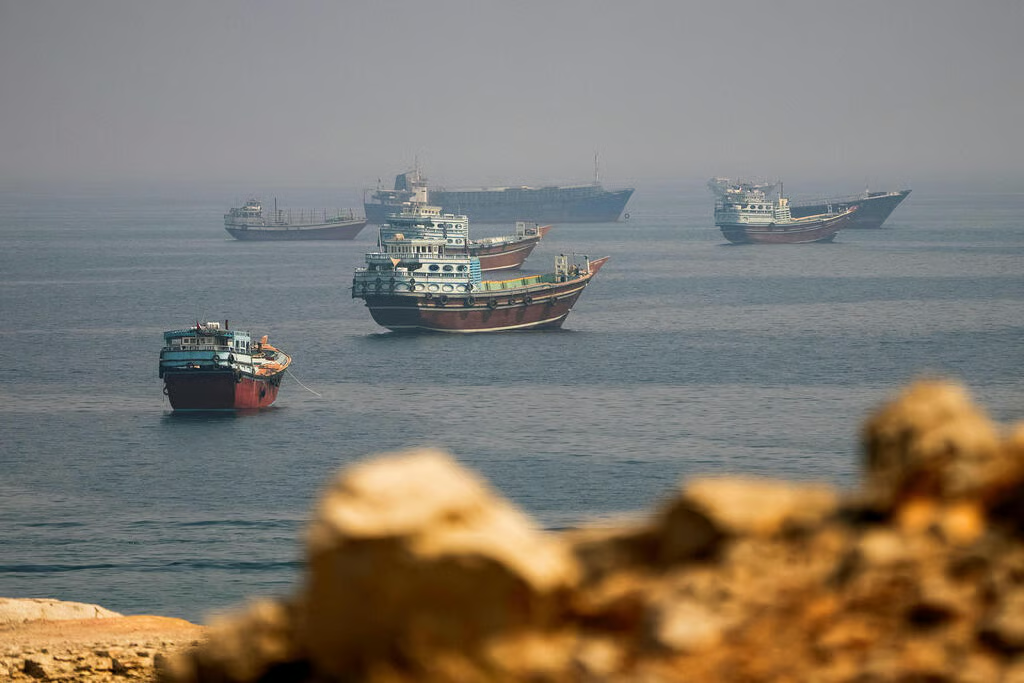
Hormuz Traffic Has Collapsed
The current situation remains far from normal.
Reuters reported that only five commodity vessels crossed Hormuz on one recent Saturday, while no crossings were recorded the following Sunday in Kpler tracking data. The previous weekend had recorded 31 crossings.
Before the war, more than 130 vessels a day passed through the strait.
The difference illustrates the scale of the disruption.
Even without a formal declaration that the waterway is closed, commercial shipping has been heavily affected.
Oil Markets Are Watching Every Diplomatic Signal
The diplomatic developments are already affecting energy markets.
On September 23, Brent crude was around $99 a barrel in early trading, while WTI was around $90, as markets responded to increased Gulf supply and hopes for negotiations.
Saudi Arabia has also started restoring crude flows through its East-West Pipeline after the September 11 attack that disrupted the route.
These developments have given traders some reason to expect improved supply conditions.
However, the market remains extremely sensitive to any military escalation.
Trump Sends Mixed Signals
President Trump delivered a strong warning to Iran during his UN General Assembly speech.
Reuters reported that Trump warned he could “annihilate” Iran if there were no agreement to end the war.
At the same time, Trump said his envoys Steve Witkoff and Jared Kushner had held productive talks with Iranian mediators and suggested that a deal could be possible.
That combination is important.
Washington is maintaining military pressure while diplomatic contacts continue.
Whether those two tracks can coexist long enough to produce an agreement remains uncertain.
Iran’s Conditions Matter
The Iranian proposal is conditional.
Tehran wants Washington to reduce military pressure and lift its blockade on Iranian ports.
Iran has also said the United States needs to make its diplomatic intentions official.
Therefore, reopening Hormuz is not being presented as an unconditional gesture.
The proposal is part of a broader negotiation over the terms needed to stop the conflict.
Why the UN Is So Important
The United Nations General Assembly has brought many of the key players into the same international environment.
Iranian officials are in New York.
U.S. officials are there as well.
Diplomats from European and regional countries are also attempting to influence the direction of the conflict.
That creates opportunities for indirect negotiations.
The Iranian official told Reuters that the UN gathering could provide an opportunity for Washington to return to diplomacy through mediators.
Saudi Arabia Has Its Own Interests
Saudi Arabia is watching the diplomatic situation closely.
The kingdom has faced attacks connected to the wider regional conflict and has also experienced disruptions to its oil-export infrastructure.
Saudi Arabia restarted its East-West Pipeline this week, although Reuters reported that restoring full capacity could take six to eight weeks because three pumping stations were damaged.
A more stable regional environment would therefore have implications for both Saudi security and energy exports.
Yemen Adds Another Complication
The Iran war is not confined to Iran and U.S. forces.
Yemen has become another major part of the conflict.
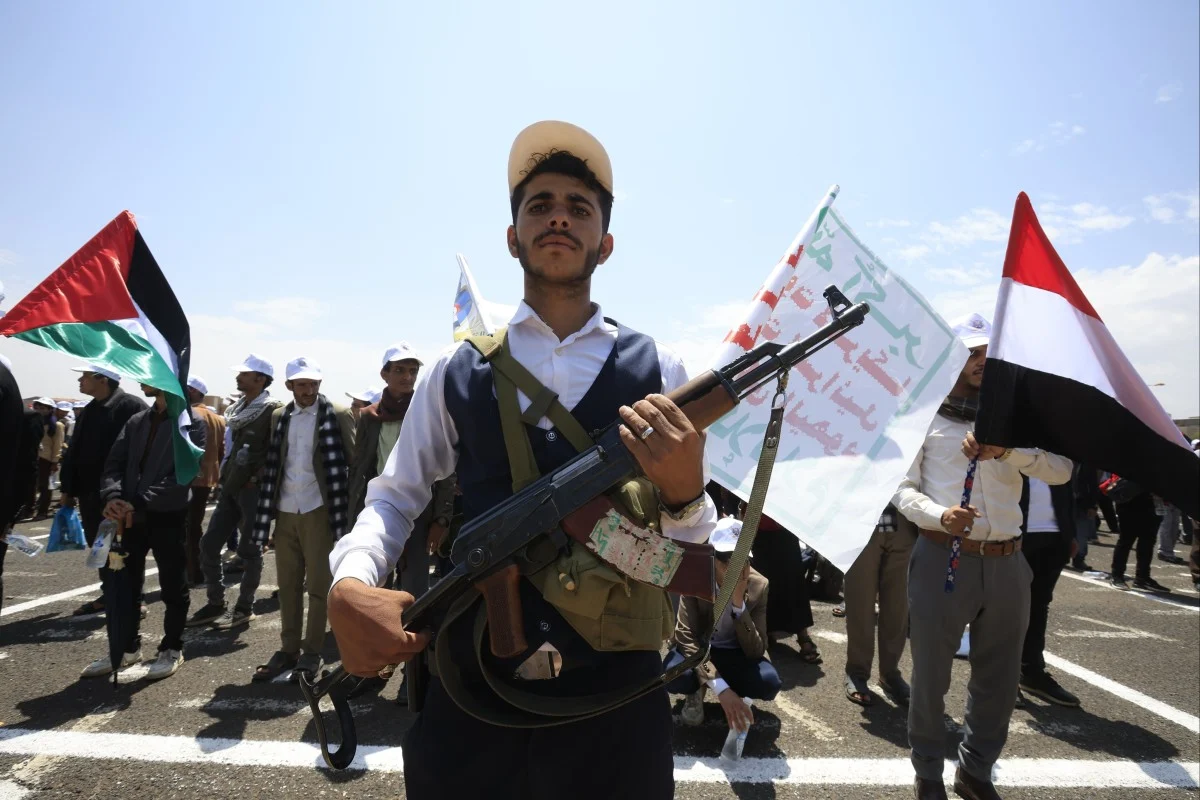
Iran-backed Houthi forces have increased pressure along the Red Sea coast, while Saudi-backed Yemeni forces have fought to prevent further Houthi advances.
The renewed fighting has added another threat to international shipping.
AP reported that the escalation in Yemen has caused significant casualties and displacement since mid-August.
This means even a reduction in Hormuz tensions would not automatically eliminate every maritime risk in the region.
What Would Happen If Hormuz Reopened?
A genuine reopening could produce several immediate effects.
First, tanker operators could regain access to a major shipping route.
Second, insurance and freight risks could decline if the security situation improves.
Third, Asian refiners could receive more predictable Gulf supplies.
Fourth, traders could reduce some of the risk premium built into energy prices.
However, the market would still need evidence that the reopening was durable.
A temporary reduction in fighting would not necessarily be enough.
China Is Also Watching
China has a major interest in the outcome.
Asian countries account for a large share of Gulf energy demand.
Reuters reported that Asian crude imports are recovering but remain about 13% below pre-conflict levels in September.
A sustained reopening of Hormuz could therefore help Asian refiners restore more normal purchasing patterns.
For China and other major Asian importers, stable shipping is as important as the headline oil price.
Could a Deal Happen Quickly?
The diplomatic process could move quickly if both sides agree on basic conditions.
But major obstacles remain.
The United States wants an end to the conflict and security guarantees.
Iran wants military pressure reduced and its ports reopened.
Regional governments want safer shipping.
Energy companies want predictable routes.
Those interests overlap in some areas but remain different in others.
Therefore, the seven-day reopening proposal should be viewed as a negotiating position rather than a guaranteed outcome.
What Traders Will Watch Next
Markets will likely watch several signals.
The first is whether U.S. and Iranian representatives continue talks.
The second is whether military activity decreases.
The third is whether commercial ships begin returning to Hormuz.
The fourth is whether Saudi and other Gulf exports continue recovering.
The fifth is whether fighting around Yemen’s Red Sea coast expands or declines.
Together, those developments will determine whether the diplomatic optimism becomes a real change in shipping conditions.
The Bigger Meaning of the Proposal
The Iran Hormuz reopening offer matters because it connects diplomacy directly to a physical global trade route.
The proposal is not simply about politics.
It is about whether thousands of ships can safely move energy and other goods through one of the world’s most important maritime chokepoints.
That makes the negotiations important for countries far beyond the Middle East.
Conclusion
The Iran Hormuz reopening offer has created a new diplomatic opening in the Iran war.
A senior Iranian official says Tehran could reopen the Strait of Hormuz within seven days if Washington reduces military pressure and lifts its blockade on Iranian ports.
At the same time, President Trump has issued strong warnings against Iran while acknowledging diplomatic discussions through his representatives.
Nothing has been finalized.
The war remains active, shipping remains disrupted and Yemen continues to create additional regional risks.
However, the possibility of a negotiated reopening gives markets and governments a new development to watch.
If diplomacy produces a durable agreement, Hormuz could gradually return to normal operations and ease some of the pressure on global energy markets.
If negotiations fail and military activity resumes, shipping disruptions could continue.
For now, the next seven days could become an important test of whether the diplomatic track can produce a measurable change on the water.
Frequently Asked Questions
What is the Iran Hormuz reopening offer?
A senior Iranian official told Reuters that Iran could reopen the Strait of Hormuz within seven days if the United States reduces military pressure and lifts its blockade on Iranian ports.
Has Iran reopened Hormuz?
No. The proposal is conditional and does not mean that the strait has already returned to normal commercial operations.
Are Trump and Iran negotiating?
Diplomatic contacts are taking place through intermediaries. Trump has said his representatives held talks with Iranian mediators, while Iran says its delegation in New York has authority to pursue diplomacy.
Why is Hormuz so important?
The Strait of Hormuz is a critical maritime route connecting Gulf energy producers with international markets. A major disruption can affect oil, shipping costs and global energy security.
Could reopening Hormuz lower oil prices?
It could reduce some supply and shipping risk if the reopening is credible and sustained. However, prices also depend on production, inventories, Red Sea security and the wider diplomatic situation.
Is the Iran war over?
No. As of September 23, 2026, fighting, threats and military tensions remain active while diplomatic contacts continue.