The Russia Ukraine strikes October 2026 escalation has entered a more dangerous phase after Moscow threatened to intensify attacks across Ukraine following Kyiv’s warning that it would expand strikes against Russian oil refineries.
Russia’s Defence Ministry said on October 4 that Russian forces would step up attacks on military facilities, defence-industry sites and related infrastructure in Kyiv and elsewhere in Ukraine. The announcement followed Ukrainian President Volodymyr Zelenskiy’s warning that Ukraine would increase attacks on Russian refineries in response to Russia’s intensified strikes on Ukrainian infrastructure.
The development is important because the two sides are increasingly targeting infrastructure connected to the other side’s ability to sustain the war.
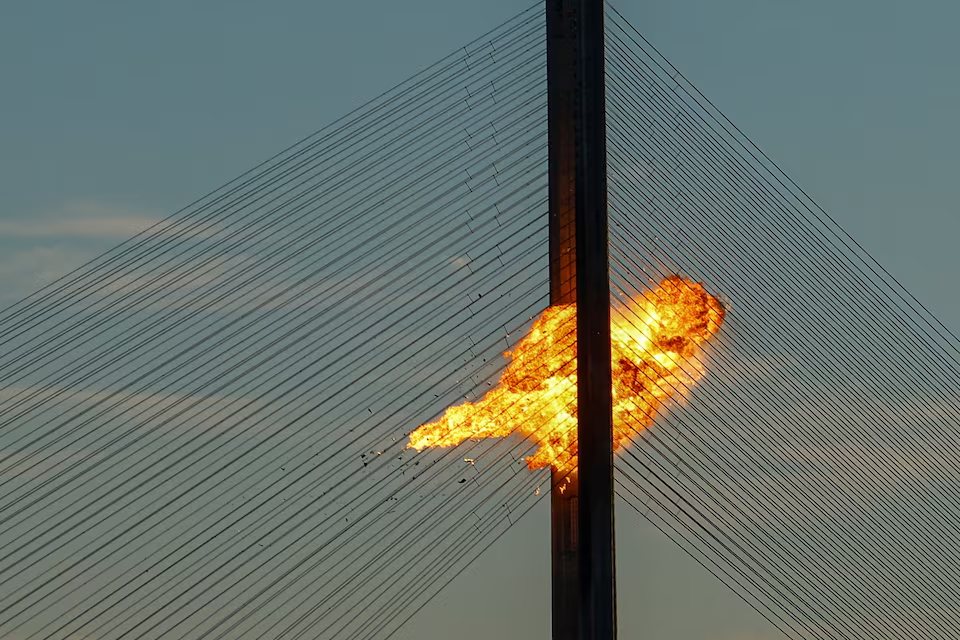
Russia has intensified attacks around Kyiv, including strikes affecting bridges and energy-related infrastructure.
Ukraine, meanwhile, is focusing on Russian energy facilities because oil refineries generate revenue and produce fuel needed by the Russian economy and military.
The result is a dangerous cycle:
Russia attacks Ukrainian infrastructure → Ukraine targets Russian energy facilities → Moscow threatens more strikes → Kyiv promises further retaliation.
And the escalation is happening just as winter approaches.
What Russia Threatened to Do
Russia’s Defence Ministry said its forces would intensify strikes on Kyiv and other Ukrainian regions.
According to Reuters, Moscow said the expanded campaign would focus on military facilities, defence-industry sites and related infrastructure. Russia described its recent attacks as retaliation for Ukrainian attacks inside Russia.
The announcement came shortly after Zelenskiy gave Reuters an interview in which he said Ukraine would respond to Russian attacks by increasing strikes against Russian energy facilities.
Both governments deny deliberately targeting civilians.
However, infrastructure in and around major Ukrainian cities has increasingly become part of the conflict.
That raises concerns about what could happen if the latest cycle of retaliation continues.
Why Kyiv Is Targeting Russian Oil Refineries
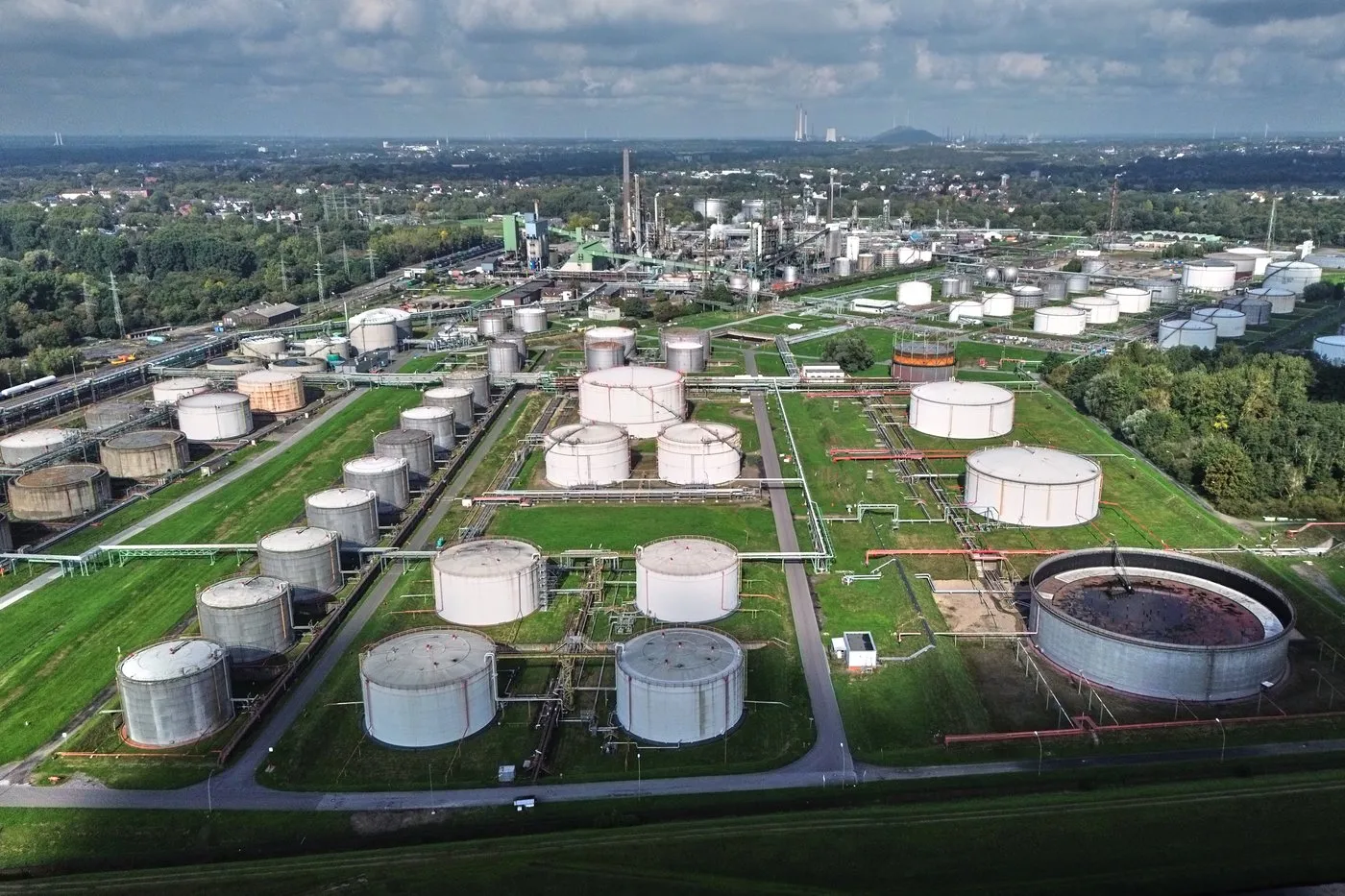
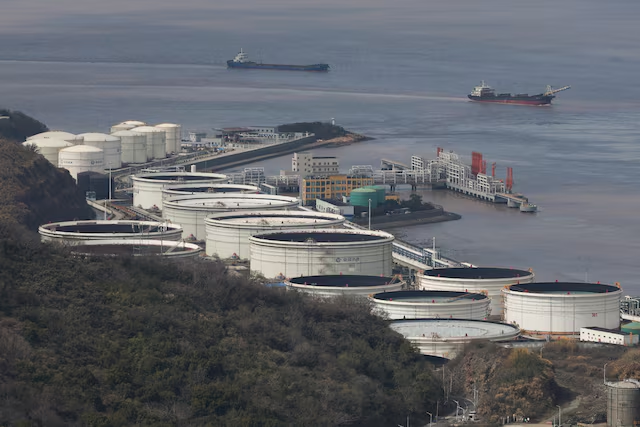
The Ukraine attacks Russian oil refineries strategy is not new, but Zelenskiy’s latest comments suggest Kyiv intends to intensify it.
Zelenskiy told Reuters that Ukraine would respond to Russian attacks on Ukrainian energy infrastructure by targeting Russian energy facilities, particularly oil refineries.
His argument is that Russian oil infrastructure helps generate revenue for Moscow’s war effort.
Refineries are also strategically important because they turn crude oil into usable products such as:
- Diesel
- Gasoline
- Jet fuel
- Heating fuels
- Industrial petroleum products
Disrupting refinery operations can therefore create pressure beyond the immediate physical damage.
It can affect fuel availability, transportation and government revenue.
Russia’s Recent Campaign Has Focused on Kyiv Infrastructure
The escalation comes after a series of attacks on Kyiv.
Reuters reported that Russia has recently targeted infrastructure in the Ukrainian capital, including bridges across the Dnipro River. The attacks have disrupted transportation in a city of around 3 million people.
On October 1, Russian drones struck a school and a major bridge in Kyiv, according to Ukrainian officials.
Authorities said students were inside a shelter when the school was hit and no pupils were injured.
The bridge attacks are particularly significant because Kyiv depends on its crossings over the Dnipro for movement between the city’s eastern and western areas.
Repeated attacks could create major transportation problems if bridges remain damaged or restricted.
Winter Is Making the Escalation More Dangerous
Timing matters.
Ukraine is heading toward another winter in which electricity, heating and transportation infrastructure will be critical.
Russia has repeatedly targeted Ukrainian energy infrastructure during the war, while Ukraine has sought to damage Russian energy assets.
If attacks intensify before winter, the consequences could extend beyond military facilities.
Damage to power stations, heating infrastructure, fuel facilities, railways or bridges could affect millions of civilians.
That is why Ukrainian officials have repeatedly emphasized the importance of air defence before the winter season.
Ukraine Says It Will Not Target Civilians
Zelenskiy told Reuters that Ukraine would respond to Russian attacks on Ukrainian energy infrastructure by targeting Russian energy facilities.
At the same time, he said Ukraine would not respond by indiscriminately attacking civilian objects.
This distinction is central to Kyiv’s public justification for the refinery campaign.
Russia has similarly said its strikes are aimed at military or military-related infrastructure rather than civilians.
Both sides, however, accuse the other of attacks that endanger civilian populations.
The competing claims make independent verification of individual battlefield incidents especially important.
The Oil Refinery War Has Global Consequences
The conflict is no longer only a military issue.
Russian refinery disruptions can affect international fuel markets.
Russia is one of the world’s major energy producers, and disruptions to its refining capacity can reduce the availability of diesel and other petroleum products.
That matters because diesel markets are already under pressure.
China has suspended some fuel exports.
The G7 is coordinating the release of emergency oil and fuel reserves.
Middle Eastern energy shipments remain vulnerable.
Against that background, additional Russian refinery disruptions could create another source of pressure.
Putin Has Already Warned About Russia’s Energy Supplies
Russian President Vladimir Putin said on October 1 that Russia would not supply diesel to global energy markets until sanctions against Moscow are lifted.
That statement adds another layer to the energy story.
If Russian refinery capacity is disrupted while Moscow is also restricting diesel exports, international buyers could face tighter supplies.
This could become particularly important for Europe and other regions that depend on global diesel markets.
It also means that the consequences of refinery attacks can extend far beyond Russia and Ukraine.
How Much Damage Can Refinery Attacks Cause?
The impact depends on the facility involved.
A refinery is not a single machine.
It is a complex industrial system containing multiple processing units.
Damage to one part may reduce capacity without shutting down the entire facility.
A major fire or successful strike against critical processing equipment can have a much larger effect.
Repairs can also take time if specialized equipment is damaged.
That is why refinery attacks are strategically important even when they do not completely destroy a facility.
Russia Could Respond by Expanding Its Target List
This is the central concern behind Moscow’s latest warning.
Russia said it would increase attacks on military facilities, defence-industry sites and related infrastructure.
If the Russian campaign expands, Ukraine could face more pressure on:
- Energy infrastructure
- Railways
- Bridges
- Defence factories
- Military logistics
- Communications infrastructure
- Industrial facilities
That could make the coming weeks particularly difficult.
Kyiv’s Counterstrategy Is Based on Economic Pressure
Ukraine’s refinery campaign has a different objective.
Rather than attempting to match Russia’s larger missile and drone arsenal directly, Kyiv can use long-range strikes to attack strategically valuable infrastructure inside Russia.
Oil refineries are attractive targets because they connect the military conflict with Russia’s economy.
If refinery operations are interrupted, Russia may have to:
- Redirect crude supplies.
- Import refined products.
- Increase domestic fuel subsidies.
- Repair damaged facilities.
- Adjust exports.
- Move fuel through longer or more expensive routes.
Even temporary disruptions can therefore create economic costs.
The Conflict Is Becoming an Energy War
The latest developments show how closely military operations and energy markets have become connected.
Russia needs fuel for its economy and military.
Ukraine needs electricity, heating and transportation.
Both countries therefore have strong incentives to protect their own energy infrastructure while attempting to disrupt the other’s.
This creates a parallel conflict alongside the conventional battlefield.
The question is no longer only:
Who controls more territory?
It is also:
Who can keep its economy and energy system functioning under attack?
The Donbas Battlefield Is Also Changing
The escalation in energy infrastructure comes alongside continued fighting in eastern Ukraine.
Zelenskiy told Reuters that a Ukrainian counteroffensive, code-named “Vivaldi,” had recaptured around 140 square kilometres of territory in the eastern Donbas region and remained ongoing.
Russia disputes the Ukrainian battlefield narrative and continues to demand control of the Donbas as a condition for a potential peace settlement.
The battlefield situation therefore remains an important factor behind the wider escalation.
If either side believes it can improve its position militarily, incentives for negotiations may weaken.
Peace Talks Are Becoming More Difficult
The latest escalation is also significant because the United States has been attempting to revive negotiations.
Reuters reported that the Trump administration has sought to restart talks aimed at ending the conflict.
However, Zelenskiy said he had seen no indication that Russian President Vladimir Putin was interested in peace negotiations or a ceasefire covering energy infrastructure.
That does not mean diplomacy has ended.
It does mean the military situation is making diplomacy more difficult.
Every new strike creates another potential obstacle to a ceasefire.
The United States Is Caught Between War and Energy Prices
Washington also has an economic reason to watch the refinery campaign closely.
U.S. President Donald Trump has previously urged Ukraine to avoid attacking Russian oil installations, arguing that such strikes can contribute to higher global diesel prices.
Zelenskiy’s latest comments show that Kyiv does not intend to stop the refinery campaign simply because of concerns about international fuel prices.
That creates a difficult policy problem for Washington.
The United States wants to support Ukraine while also avoiding a major global energy shock.
Those objectives can sometimes conflict.
Europe Is Increasing Its Support for Ukraine
Germany’s Chancellor Friedrich Merz arrived in Kyiv amid the latest escalation.
Germany announced more than €1.3 billion in additional assistance, including around €1 billion in military support and €350 million for energy infrastructure repairs, according to reporting from AP.
Berlin also signed agreements with Kyiv covering security cooperation and defence-industry projects.
The support is particularly important as Ukraine prepares for winter.
More military assistance could strengthen Ukraine’s ability to defend its cities.
Energy funding could help repair infrastructure damaged by Russian attacks.
Why Kyiv’s Bridges Matter
The recent attacks on bridges in Kyiv may have a strategic purpose beyond immediate disruption.
The Dnipro divides the city.
Major bridges connect important residential, commercial and government areas.
If crossings are repeatedly attacked, transportation can become slower and more difficult.
That can affect:
- Emergency services
- Public transportation
- Military logistics
- Civilian commuting
- Delivery networks
- Economic activity
Even when a bridge is not completely destroyed, repeated strikes can create significant disruption.
Could the Conflict Trigger Another Oil Shock?
It is possible.
The global oil market is already dealing with several major uncertainties.
The Middle East remains unstable.
China has restricted some fuel exports.
The G7 is releasing emergency reserves.
OPEC+ is managing production carefully.
Russia is restricting some diesel supplies.
If Ukrainian attacks significantly reduce Russian refining capacity at the same time that other fuel markets remain tight, diesel prices could rise.
That would affect transportation and potentially food prices.
However, the size of any market reaction will depend on how much refinery capacity is actually disrupted and how quickly alternative supplies become available.
Three Possible Outcomes
Scenario 1: Retaliation Remains Limited
Russia could continue striking military and infrastructure targets while Ukraine continues attacking selected energy facilities.
The conflict would remain intense without producing a major new global energy shock.
Scenario 2: The Energy War Escalates
If Ukraine significantly expands attacks on Russian refineries and Moscow responds with larger attacks on Ukrainian energy infrastructure, fuel and electricity disruptions could increase.
This would make the coming winter more difficult for Ukraine and could put additional pressure on global diesel markets.
Scenario 3: Diplomacy Interrupts the Cycle
The most positive outcome would be renewed negotiations leading to an agreement on energy infrastructure.
A temporary ceasefire covering energy facilities could reduce the immediate risk of further escalation.
But current statements from both sides suggest that such an agreement remains difficult.
What the World Should Watch Next
The next few weeks could provide important clues about the direction of the conflict.
Key indicators include:
- Russian missile and drone attacks on Kyiv
- Ukrainian strikes against Russian refineries
- Russian refinery operating rates
- Global diesel prices
- Russian diesel exports
- Damage to Ukrainian energy infrastructure
- Air-defence deliveries to Ukraine
- U.S. diplomatic efforts
- European military assistance
- Any negotiations over energy infrastructure
These indicators will help determine whether the latest escalation becomes a sustained new phase of the war.
Why October Could Become a Critical Month
The Russia Ukraine strikes October 2026 escalation is occurring at a particularly sensitive moment.
Winter is approaching.
Energy infrastructure is becoming more important.
Global fuel markets are already under pressure.
And both sides are signaling that they are prepared to continue striking infrastructure connected to the other’s war effort.
That combination increases the possibility of a wider economic impact.
The conflict could therefore become more expensive not only for Russia and Ukraine, but also for international consumers.
The Bigger Picture
The latest escalation demonstrates that modern warfare increasingly extends beyond traditional battlefields.
Oil refineries can become military targets.
Bridges can become strategic targets.
Energy grids can become instruments of pressure.
Railways can determine whether troops and supplies reach the front.
And fuel prices can become a global consequence of attacks thousands of kilometres away.
That is why the latest Russia-Ukraine escalation deserves attention even from people outside Europe.
Conclusion
The Russia Ukraine strikes October 2026 escalation has created a dangerous new cycle.
Russia has threatened to intensify attacks on Kyiv and other Ukrainian regions after Zelenskiy said Ukraine would increase attacks on Russian oil refineries. Moscow says its strikes are aimed at military, defence-industry and related infrastructure, while Kyiv says its refinery campaign is a response to Russian attacks on Ukrainian energy systems.
The consequences could extend beyond the battlefield.
Repeated attacks on Russian refineries could reduce fuel-processing capacity.
Russian restrictions on diesel exports could tighten international markets further.
More attacks on Ukrainian bridges and energy infrastructure could make the coming winter harder for millions of people.
At the same time, the United States and European governments are trying to balance military support with efforts to prevent a broader energy and economic shock.
For now, there is no clear sign that the cycle of retaliation is ending.
Instead, both sides are signaling that they are prepared to increase pressure on the other’s strategic infrastructure.
The biggest question is what happens next.
If refinery attacks and infrastructure strikes continue to escalate, the Russia-Ukraine war could increasingly become an energy war with consequences far beyond Ukraine and Russia.
Frequently Asked Questions
What is happening in Russia Ukraine strikes October 2026?
Russia has threatened to intensify attacks on Kyiv and other parts of Ukraine after President Volodymyr Zelenskiy said Ukraine would increase attacks on Russian oil refineries.
Why is Ukraine attacking Russian oil refineries?
Ukraine says Russian energy facilities help finance Moscow’s war effort and provide fuel for the Russian economy and military. Zelenskiy said Ukraine would respond to Russian attacks on Ukrainian energy infrastructure by targeting Russian energy facilities.
What did Russia say about further strikes?
Russia’s Defence Ministry said it would step up attacks on military facilities, defence-industry sites and related infrastructure in Kyiv and elsewhere in Ukraine.
Could refinery attacks increase global oil prices?
They could contribute to higher fuel prices if significant refining capacity is disrupted, particularly because global diesel markets are already facing supply pressures.
Are civilians being targeted?
Russia and Ukraine both deny deliberately targeting civilians. However, infrastructure strikes in populated areas can create significant risks for civilians and disrupt essential services.
Why is winter important?
Energy infrastructure becomes particularly important during winter because Ukraine needs reliable electricity and heating. Further attacks could increase humanitarian and economic pressure.
Could this affect diesel prices?
Yes. Russia is a major energy producer, and refinery disruptions or restrictions on diesel exports could tighten international fuel markets. Putin said Russia would not supply diesel to global markets until sanctions are lifted.
Is there still a possibility of peace talks?
Yes. The United States has continued efforts to revive negotiations. However, Zelenskiy said he had seen no indication that Moscow was currently interested in peace talks or an energy-infrastructure ceasefire.