The G7 oil reserve release 2026 has become one of the biggest emergency responses to the global fuel-price shock. The Group of Seven countries agreed to coordinate the release of 100 million barrels of crude oil and diesel through the International Energy Agency (IEA) over four months, with a substantial amount of diesel expected to reach the market during the first 20 days.
The announcement comes as oil and diesel markets face severe supply disruptions.
The conflict involving Iran has disrupted energy flows through the Middle East, while attacks on energy infrastructure and shipping routes have created additional uncertainty.
At the same time, Ukraine’s attacks on Russian oil facilities have added pressure to refined-fuel supplies.
The result has been a global fuel market in which diesel prices have reached extremely high levels.
Now the G7 is trying to change that equation.
But there is a major question:
Will releasing 100 million barrels actually bring fuel prices down, or will it only provide temporary relief?
What Is the G7 Oil Reserve Release?
The G7 consists of the United States, United Kingdom, Canada, France, Germany, Italy and Japan.
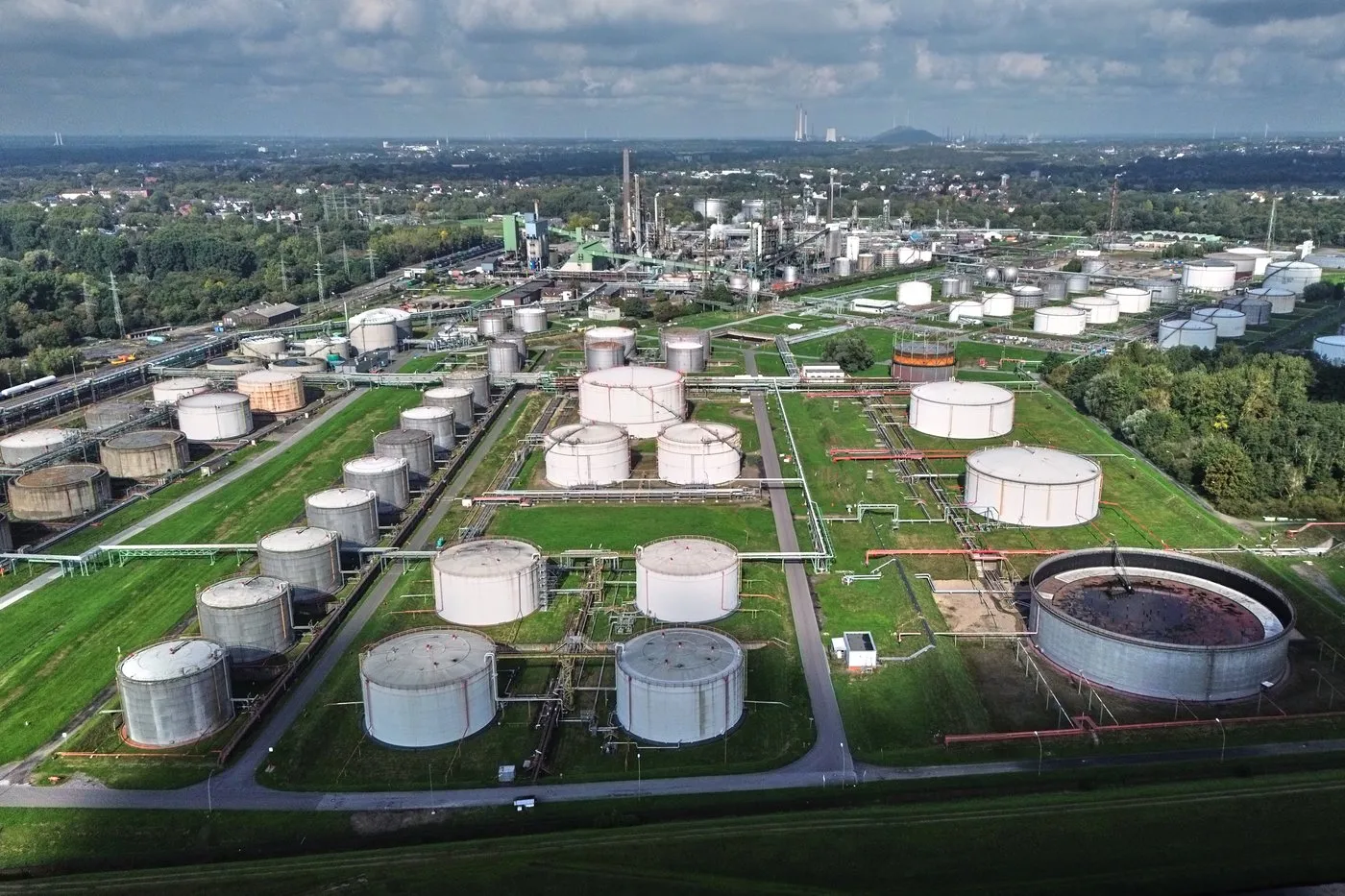
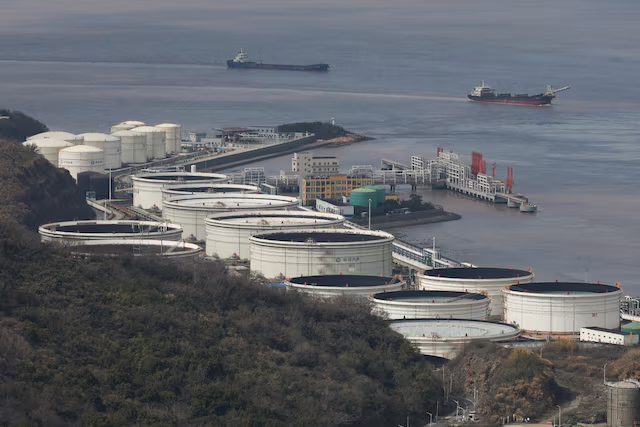
On October 2, the group agreed to coordinate the release of 100 million barrels of oil and fuel products through the IEA. The plan will begin immediately and run for four months.
The exact breakdown between crude oil, diesel and other petroleum products has not been disclosed.
However, the G7 said it would front-load a substantial diesel release during the first 20 days.
That is important because diesel has become one of the most severely affected parts of the global fuel market.
The release is designed to increase available supplies and reduce immediate pressure on prices.
Why Are Fuel Prices So High?
The current energy shock has several causes.
The biggest factor is disruption to oil flows from the Middle East.
The conflict involving Iran has affected production, transportation and shipping through strategically important waterways.
The Strait of Hormuz is particularly important because it carries a major share of global energy shipments.
At the same time, attacks on commercial vessels have increased shipping risks.
Russia’s refining infrastructure has also faced disruption from Ukrainian attacks.
Together, these problems have reduced the amount of reliable fuel available to international markets.
Why Diesel Is the Biggest Problem
Crude oil receives most of the headlines, but diesel is arguably the more immediate problem.
Diesel powers:
- Trucks
- Agricultural machinery
- Construction equipment
- Mining operations
- Ships
- Industrial machinery
- Backup generators
When diesel becomes expensive, the effects spread throughout the economy.
A trucking company pays more to move goods.
Farmers pay more to operate machinery.
Factories pay more for transportation and backup power.
Shipping companies face higher operating costs.
Eventually, some of those costs can reach consumers.
That is why the G7 is prioritizing diesel in the early stage of the reserve release.
How Much Is 100 Million Barrels?
The number sounds enormous.
And it is.
But the global oil market is also enormous.
The G7’s 100-million-barrel release is spread across several months rather than being dumped into the market in a single day.
The agreement calls for implementation over four months, with the diesel component heavily front-loaded.
That means the release should be viewed as a temporary supply bridge rather than a permanent solution.
It can help markets during a period of disruption.
It cannot permanently replace lost production or damaged infrastructure.
The Important Connection to the March IEA Release
There is an important detail behind the headline.
The G7’s October commitment takes into account oil-stock commitments that had already been made earlier in 2026.
In March, the 32-member IEA agreed to release 400 million barrels from strategic reserves in response to the energy disruption.
IEA Executive Director Fatih Birol said members had released about two-thirds of that earlier amount by late September.
The October G7 decision therefore involves implementing the remaining commitments while coordinating the release through the IEA.
This distinction matters.
The announcement does not necessarily mean the world suddenly received an entirely new 100-million-barrel reserve on top of every previous commitment.
Will the Release Push Oil Prices Lower?
The market has already provided an early answer.
Oil prices moved lower after the G7 announcement.
By October 5, Brent crude was around $101.59 per barrel, while U.S. West Texas Intermediate was around $90.12. Reuters reported that increased Middle Eastern exports and the G7 stock release were helping offset concerns about further damage to Gulf energy infrastructure.
However, prices remained above $100 for Brent.
That tells us something important.
The reserve release can reduce immediate supply anxiety, but it has not eliminated the underlying energy crisis.
Why Oil Has Not Crashed
If 100 million barrels are coming onto the market, why aren’t oil prices collapsing?
Because the market is dealing with multiple supply problems simultaneously.
The G7 release adds supply.
But Middle Eastern production and shipping remain vulnerable.
Russian refining capacity remains under pressure.
Shipping costs remain elevated.
And geopolitical risks continue.
Therefore, traders are pricing not just today’s supply but also the risk of future disruptions.
That risk premium can keep crude prices elevated even when governments release emergency stocks.
Middle Eastern Exports Are Also Recovering
There is another factor helping the market.
Middle Eastern crude exports increased during the final week of September.
Reuters reported that exports were above pre-war levels on four of seven days during that week, despite continued attacks on vessels passing through the Strait of Hormuz.
That is significant.
The market is receiving additional crude from the region at the same time that G7 countries are releasing emergency stocks.
Together, those developments have reduced some of the immediate supply pressure.
However, shipping remains more expensive and less efficient than before the conflict.
Saudi Arabia Is Cutting Oil Prices
Saudi Arabia has also taken a surprising step.
Saudi Aramco cut its November selling prices for Asian buyers.
The reduction pushed Arab Light crude to a discount of around $5 per barrel against the Oman-Dubai benchmark average, according to Reuters.
The move appears partly designed to compensate Asian buyers for extremely high shipping costs and defend Saudi market share.
This creates another downward force on prices.
The result is an unusual market environment:
Governments are releasing reserves while major producers are adjusting prices to keep buyers.
What Does the 100 Million Barrels Oil Release Mean for Diesel?
The effect could be more significant for diesel than crude.
The G7 specifically said a substantial diesel release would happen within the first 20 days.
That is important because diesel markets have been particularly tight.
If additional diesel becomes available quickly, wholesale prices could fall.
That could eventually reduce costs for:
- Trucking
- Agriculture
- Shipping
- Construction
- Manufacturing
However, the impact will depend on where the reserves are located and how quickly the fuel reaches the markets that need it most.
Could Gasoline Prices Also Fall?
Possibly.
Although diesel is receiving special attention, additional crude and petroleum products can improve overall market conditions.
Refineries need crude oil to produce gasoline, diesel and other products.
If crude availability improves, refiners may be able to increase production.
That could reduce pressure on gasoline prices.
However, gasoline prices are affected by seasonal demand, refinery capacity, transportation costs and local taxes.
Therefore, the G7 announcement does not guarantee cheaper gasoline everywhere.
What About Consumers?
Consumers may eventually benefit.
Lower wholesale fuel prices can feed through to petrol stations.
Cheaper diesel can reduce transportation costs.
Lower transportation costs can also help reduce pressure on food and manufactured-goods prices.
But the process takes time.
A government reserve release does not immediately change the price consumers pay at the pump.
Retail prices depend on:
- Wholesale fuel costs
- Refining margins
- Transportation
- Taxes
- Currency movements
- Local market conditions
Therefore, consumers should not expect the entire 100-million-barrel release to translate immediately into cheaper fuel.
Could the G7 Release Reduce Inflation?
It could help.
Energy is one of the most important components of inflation.
When fuel prices rise, transportation becomes more expensive.
Businesses can then pass higher costs to customers.
If fuel prices decline, some of that pressure can reverse.
The G7 reserve release therefore has an economic goal beyond simply lowering oil prices.
It is also intended to protect households and businesses from a broader inflation shock.
The G7 itself said its measures were designed to stabilize immediate energy supplies and shield households and businesses from price shocks.
The United States Has a Political Problem
High fuel prices are particularly sensitive in the United States.
The Trump administration has faced pressure over rising energy costs ahead of the November midterm elections.
Reuters reported that the administration had pressured European governments to release emergency diesel stocks and had considered restricting U.S. diesel exports if allies did not act.
That political pressure helped accelerate the G7 discussions.
The agreement also included a commitment by G7 countries to avoid energy export restrictions between themselves.
That is significant because restrictions could make an already tight market even tighter.
Why Export Restrictions Are Dangerous
Imagine a country has fuel but decides to keep it entirely at home.
That might protect its own consumers.
But if several countries do the same thing simultaneously, international markets can experience a severe shortage.
The G7 therefore committed to refraining from energy export restrictions among its members and called on producers to avoid bans that could worsen market tensions.
This is an important part of the agreement.
The G7 is not only adding supply.
It is also trying to keep existing supplies moving across borders.
China’s Fuel Export Decision Makes the Situation More Complicated
China recently suspended fuel exports to destinations beyond Hong Kong and Macau for October.
That means one major energy power is moving in the opposite direction from the G7’s attempt to keep fuel markets supplied.
China’s decision is focused on protecting domestic fuel inventories.
But it removes some gasoline, diesel and jet-fuel supplies from international markets.
That could limit the impact of the G7 reserve release.
The global market is therefore seeing two competing strategies:
G7 countries are releasing emergency stocks.
China is retaining more fuel for domestic use.
The Russia-Ukraine Factor
Russia’s refining infrastructure is another important variable.
Ukraine has targeted Russian oil facilities, and Ukrainian President Volodymyr Zelenskiy has said Kyiv plans to intensify attacks on Russian refineries.
If Russian refining capacity remains disrupted, the world could face continued shortages of diesel and other refined products.
That would increase demand for supplies from other regions.
It could also make the G7 reserve release more valuable.
The Strait of Hormuz Remains Critical
The biggest uncertainty may still be the Strait of Hormuz.
The waterway is one of the world’s most important energy routes.
If shipping through the strait returns closer to normal, the global market could receive a major supply boost.
If attacks increase or shipping becomes more difficult, the G7 reserve release could become less effective.
The G7 has specifically called for restoration of navigational rights and the free flow of commerce through the strait.
OPEC+ Is Watching the Market
Oil producers are also responding.
A subgroup of OPEC+ members agreed on October 4 to maintain current production levels through November rather than making a major increase.
That decision means the producer group is not rushing to add a large amount of new crude to the market despite prices above $100.
This limits the amount of additional supply available beyond the G7 stock release.
Japan Raises an Important Question
Japan is a G7 member, but Tokyo has said it does not currently plan another fresh release from its national crude reserves.
Japan has already released significant quantities earlier in 2026.
Chief Cabinet Secretary Minoru Kihara said there were no plans for another release at this stage.
This highlights an important issue.
The headline figure of 100 million barrels does not mean every G7 country will necessarily release the same amount.
The actual contribution will depend on national reserves and previous commitments.
How Long Can the Relief Last?
This is the biggest weakness of emergency stock releases.
Strategic reserves are finite.
Once oil is taken out of storage and sold into the market, those barrels are gone.
Governments eventually need to replenish their inventories.
If the underlying supply problem continues, reserve releases can delay the shortage rather than permanently solve it.
That means the G7’s four-month program is best viewed as a bridge.
The long-term solution is restoring normal production, refining and shipping.
Three Possible Outcomes
Scenario 1: Prices Fall
If Middle Eastern exports continue recovering, Chinese exports restart and the G7 release reaches consumers quickly, oil and diesel prices could decline substantially.
This would be the best outcome for consumers.
Scenario 2: Prices Stabilize
The reserve release could simply prevent prices from rising further.
In this situation, Brent might remain elevated while diesel markets gradually become less stressed.
This may be the most realistic short-term scenario if geopolitical risks remain high.
Scenario 3: Another Supply Shock Hits
If attacks damage additional energy infrastructure or shipping through the Strait of Hormuz deteriorates further, the G7 release could be overwhelmed.
Prices could rise again despite the emergency stocks.
That would demonstrate the limits of strategic reserves.
What Investors Should Watch
The next few weeks will be critical.
Investors should monitor:
- Brent crude
- WTI crude
- Global diesel prices
- G7 reserve releases
- IEA implementation
- Strait of Hormuz shipping
- Middle Eastern crude exports
- Russian refinery output
- Chinese fuel exports
- OPEC+ production
- Global oil inventories
These indicators will determine whether the G7 intervention is working.
What Could Happen to Oil Prices Next?
The immediate pressure is lower than it was before the G7 announcement.
The reserve release has reduced some of the market’s fear about a sudden shortage.
But Brent crude remains above $100.
That means traders still see significant geopolitical risk.
If energy infrastructure remains intact and exports recover, prices could gradually decline.
If another major disruption occurs, the market could quickly reverse direction.
The Bigger Meaning of the G7 Decision
The 100 million barrels oil release is more than an emergency market intervention.
It demonstrates how governments are increasingly treating energy security as a strategic issue.
Oil is not just a commodity.
It affects:
- Food
- Transportation
- Electricity
- Manufacturing
- Trade
- Inflation
- Household budgets
- National security
When prices rise sharply, governments have to decide whether to allow markets to adjust or intervene with strategic reserves.
The G7 has chosen intervention.
Conclusion
The G7 oil reserve release 2026 is a major attempt to stabilize global energy markets during an unusually severe supply shock.
G7 countries agreed to coordinate the release of 100 million barrels of crude oil and fuel products through the IEA over four months, with a substantial diesel release expected during the first 20 days.
The decision has already helped reduce some immediate supply anxiety.
Oil prices moved lower as the G7 announcement coincided with improving Middle Eastern crude exports.
But Brent crude remains above $100 per barrel, showing that the underlying risks have not disappeared.
China’s decision to restrict fuel exports adds another complication.
Russia’s refinery disruptions remain a concern.
The Strait of Hormuz remains vulnerable.
And OPEC+ has not responded with a major production increase.
So the 100 million barrels oil release could provide valuable short-term relief.
But it cannot permanently replace lost production or repair damaged energy infrastructure.
The most important question is therefore not simply how much oil the G7 releases.
It is whether global oil production, refining and transportation can return to something closer to normal before those emergency barrels run out.
For now, the G7 has bought the world some breathing room.
What happens next will depend on whether that breathing room is enough.
Frequently Asked Questions
What is the G7 oil reserve release 2026?
The G7 has agreed to coordinate the release of 100 million barrels of crude oil and fuel products through the IEA over four months, with a substantial diesel release front-loaded into the first 20 days.
Why is the G7 releasing oil reserves?
The goal is to increase available energy supplies, reduce fuel-price pressure and protect households and businesses from further energy shocks.
Is the 100 million barrels a completely new reserve release?
Not necessarily. The October agreement takes into account earlier IEA commitments made in March. The G7 is coordinating the implementation of remaining commitments through the IEA.
Will the oil release lower gasoline prices?
It could reduce wholesale market pressure, but retail gasoline prices also depend on refining costs, transportation, taxes and local market conditions.
Will diesel prices fall?
Diesel is a major focus of the release, and the G7 plans a substantial diesel release during the first 20 days. This could help ease tight diesel markets if the fuel reaches affected regions quickly.
How long will the G7 release last?
The coordinated release is planned over approximately four months.
Why are oil prices still above $100?
Geopolitical risks, Middle Eastern supply disruptions, shipping problems and uncertainty around Russian refining capacity continue to support oil prices.
What happens if another major oil disruption occurs?
The G7 could consider additional measures, but strategic reserves are limited. A prolonged supply crisis could eventually overwhelm emergency stock releases.