The world food prices 2026 story has taken a worrying turn. The United Nations Food and Agriculture Organization (FAO) says its Food Price Index reached 136.0 points in September, the highest level since November 2022. The index increased 1.5% from August and stood 5.8% above its level a year earlier.
The increase is being driven by several pressures at the same time.
Cereal prices jumped.
Sugar prices climbed sharply.
Vegetable oils became more expensive.
Shipping routes remain disrupted.
The Black Sea continues to face trade and logistics problems.
And strengthening El Niño conditions are creating new risks for crops across important agricultural regions.
This combination is raising concerns about a wider global food crisis 2026.
However, there is an important distinction.
The world is not yet experiencing a food-price crisis on the scale of 2022. The FAO index remains 15.1% below its March 2022 record.
The concern is that several supply risks are now moving in the same direction.
Why World Food Prices Are Rising Again
The latest increase is not being caused by one crop or one country.
Instead, several markets are tightening simultaneously.
According to the FAO, the September increase was concentrated in crop-based commodities, particularly cereals, vegetable oils and sugar.
The cereal index increased 5.1% in one month.
Sugar jumped 6.1%.
Vegetable oils increased 0.9%.
Meanwhile, meat prices fell 1.1% and dairy prices were almost unchanged.
That matters because the current food-price increase is broad enough to affect multiple parts of the global food system.
The Biggest Warning Sign Is Wheat
Wheat has become one of the most important indicators to watch.
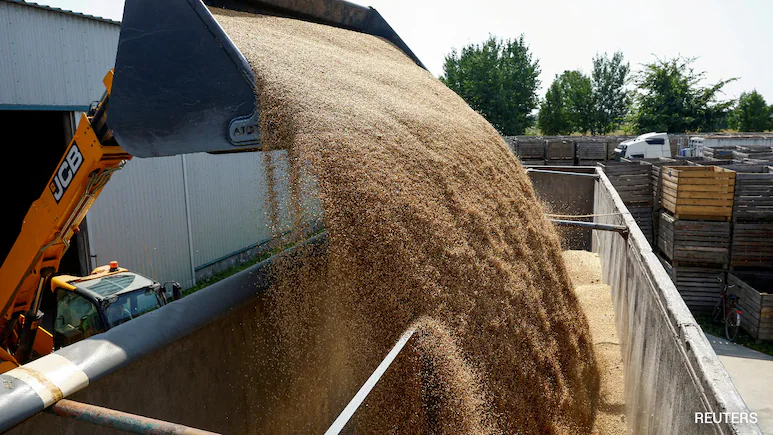
FAO says international wheat prices increased 6.3% in September, reaching their highest level since August 2023. Logistics problems in the Black Sea region forced some importers to look for alternative suppliers. Dry conditions in parts of North America also added pressure before winter wheat planting.
The Black Sea is critical to global grain trade.
Russia, Ukraine and other countries in the region are major suppliers of wheat, corn and other agricultural commodities.
When shipping becomes more difficult, buyers cannot simply assume that grain will move normally.
They may have to find alternative suppliers.
That can increase transportation costs and push international prices higher.
Black Sea Disruptions Are Making Food More Expensive
The Black Sea problem is particularly important because global food markets depend on efficient trade.
Even when enough grain exists globally, transportation problems can create regional shortages.
FAO expects global cereal trade in 2026/27 to decline by 3.5% from the previous record level, to about 505.8 million tonnes.
The organization says wheat and maize exports are likely to fall more than previously expected because of constrained Black Sea shipping routes and insufficient alternative transport capacity.
This creates a dangerous combination:
Food can exist somewhere in the world but still become expensive where consumers need it.
That is why logistics matter almost as much as production.
El Niño Is Becoming the Next Major Threat
The second major risk is weather.
El Niño is strengthening, and that is creating uncertainty for farmers across several regions.
The FAO says El Niño can have different effects on different crops and countries.
For rice, however, the historical relationship is particularly important.
Global rice yields during El Niño events are typically around 1.0% to 1.5% below their expected trend, according to FAO’s Agricultural Market Information System analysis.
That may sound small.
But rice feeds billions of people.
Even a relatively modest reduction in yields can become important when inventories, transportation and prices are already under pressure.
Southeast Asia Is Especially Vulnerable
Southeast Asia is one of the regions investors and food-importing governments are watching closely.
Dry weather linked to El Niño can affect rice production.
It can also affect palm oil production and other agricultural commodities.
FAO reported that vegetable oil prices increased in September, with higher palm oil prices reflecting strong global demand and concerns about dry weather affecting production prospects in Southeast Asia.
That creates another potential chain reaction.
Less production can mean higher prices.
Higher prices can increase food costs.
Higher food costs can then increase inflation.
Indonesia’s Rice Market Shows What Could Happen Next
Indonesia provides an early warning.
Reuters reported that Indonesian retail rice prices reached 15,769 rupiah per kilogram in September, while 2026 rice production is projected at around 34 million tonnes.
The bigger concern is 2027.
El Niño-related drought and a shorter rainy season could reduce Indonesia’s 2027 rice output by as much as 10%, according to the report. Around 30% of Indonesian paddy fields lack proper irrigation, leaving many farms more exposed to dry conditions.
This does not mean Indonesia is facing a national food shortage.
Instead, it demonstrates how weather risks can affect prices well before an actual supply crisis develops.
Sugar Is Suddenly Becoming a Major Problem
Sugar is another major warning sign.
The FAO Sugar Price Index jumped 6.1% in September, reaching its highest level since April 2025.
The increase was linked to expectations of tighter global supplies during the 2026/27 season.
Thailand faces lower production expectations.
India is dealing with below-normal rainfall.
Brazil has experienced heavy rains in its key Centre-South growing region.
The European Union is also expected to produce less sugar beet because of reduced planting and adverse weather.
These problems are occurring simultaneously.
That is why sugar has become one of the fastest-rising components of the global food index.
Brazil’s Sugar Harvest Is Under Pressure
Brazil is the world’s largest sugar exporter, making its harvest especially important for international markets.
Reuters reported that unusually wet conditions in Brazil’s Centre-South region, associated with a strong El Niño, have delayed harvesting and affected sugar production.
Some mills are continuing to favor ethanol production because wet conditions have reduced sugar concentration in sugarcane.
Analysts cited by Reuters expect Centre-South sugar production could finish below the earlier 40-million-tonne estimate, potentially falling below 38 million tonnes if rainfall persists.
That could put additional pressure on global sugar prices.
Maize Prices Are Rising Too
Corn is another critical commodity.
FAO says global maize prices increased 5.6% in September, reaching their highest level in more than three years.
Lower-than-expected U.S. yields reduced supply expectations.
Brazil also has less export availability.
Black Sea trade disruptions are adding another layer of uncertainty.
Maize is particularly important because it is not only food.
It is also used for animal feed and biofuel production.
That means higher corn prices can spread through several markets at once.
Food and Fuel Are Now Connected
One of the most important features of the current crisis is the connection between food and energy.
Farmers need fuel.
Trucks need diesel.
Ships need fuel.
Fertilizer production depends heavily on energy.
Food processing requires electricity and transportation.
When oil and fuel prices rise, agricultural costs can increase as well.
FAO’s chief economist Maximo Torero warned that disruptions in the Strait of Hormuz and Black Sea, combined with climate shocks, are putting pressure on energy, transport and food commodities.
If those pressures persist, they can eventually reach consumer food prices, particularly in countries that depend heavily on imported food and energy.
The Strait of Hormuz Adds Another Risk
The Strait of Hormuz is not a farming region.
Yet it matters to food prices.
The waterway is one of the world’s most important energy routes.
If shipping through the region becomes more expensive or unreliable, the cost of moving agricultural products can increase.
Fuel prices can also rise.
That creates a double pressure on food markets:
Higher transportation costs + higher agricultural input costs.
The impact can be especially serious for countries that import both food and energy
Why Poorer Countries Face Greater Risks
The effects of rising international commodity prices are not equal everywhere.
Wealthier countries can sometimes absorb higher food and transportation costs.
Poorer countries have less room to do so.
Countries that import large quantities of wheat, rice, cooking oil or fuel can be particularly vulnerable.
A higher global commodity price can quickly become a higher local retail price.
That is why the current global food crisis 2026 concerns are particularly important for food-importing economies.
The Good News: Global Food Supplies Are Not Collapsing
There is an important reason not to panic.
FAO still forecasts 2.979 billion tonnes of global cereal production in 2026.
That would be the second-largest cereal harvest on record, even though it is 2.1% below 2025’s level.
Global cereal stocks are also forecast at around 950 million tonnes at the close of the 2026/27 seasons.
The projected cereal stocks-to-use ratio is 31.7%, only slightly below the previous season’s 32.0%.
So the current situation is not simply a story of the world running out of food.
It is a story about higher prices, tighter trade and greater uncertainty.
That distinction is crucial.
Why the Current Situation Is Different From 2022
The March 2022 food-price shock followed Russia’s invasion of Ukraine and created enormous uncertainty across grain, fertilizer, energy and shipping markets.
Today, the situation has some similarities.
There are war-related trade disruptions.
Energy markets are under pressure.
The Black Sea remains strategically important.
Weather risks are increasing.
But global agricultural inventories and production capacity provide a stronger buffer than during some previous shocks.
FAO’s current cereal-stock projections show that global supplies remain substantial.
The risk is therefore not necessarily a sudden worldwide food shortage.
The bigger risk is a prolonged period of expensive food.
Could Food Prices Keep Rising?
Yes, but several conditions would have to remain unfavorable.
The biggest risks include:
- Continued Black Sea shipping disruption
- Stronger-than-expected El Niño effects
- Lower U.S. corn yields
- Reduced Brazilian sugar and grain exports
- Drought in Southeast Asia
- Higher fertilizer prices
- Higher fuel and freight costs
- Additional geopolitical disruptions
If several of these occur simultaneously, international food prices could rise further.
What Happens If El Niño Gets Stronger?
A stronger El Niño would not automatically create a global food shortage.
Its effects vary by crop and region.
Some agricultural areas can receive more rainfall while others become drier.
However, the uncertainty itself can affect markets.
Traders may price in the possibility of lower harvests before farmers know the final crop outcome.
That can push futures prices higher.
Farmers may also change planting decisions.
Importers may buy earlier.
Governments may increase strategic purchases.
All of those actions can amplify market movements.
What Consumers Could See Next
Consumers may not immediately see the full effect of the FAO index.
International commodity prices do not move directly into supermarket prices overnight.
There are several stages:
Commodity price → shipping → processing → wholesale market → retailer → consumer
Each stage can delay or amplify the final impact.
However, if elevated commodity prices continue for months, consumers could increasingly notice higher prices for:
- Bread
- Rice
- Cooking oil
- Sugar
- Meat and animal-feed products
- Packaged foods
- Restaurant meals
The effect will vary significantly by country.
Food Inflation Could Become a Bigger Economic Problem
Food inflation creates a difficult problem for governments and central banks.
When food becomes more expensive, households have less money available for other purchases.
That can weaken consumer demand.
At the same time, central banks may face pressure to keep monetary policy tighter if food and energy costs push overall inflation higher.
The problem becomes even more complicated when energy prices are rising at the same time.
That is why the food-price story is no longer just an agricultural story.
It is also an economic story.
India Is Watching the El Niño Risk
India is particularly important because it is one of the world’s biggest agricultural producers and consumers.
A Reuters report said India’s government has warned that a strong El Niño could hurt winter crops while geopolitical tensions and high crude prices could contribute to imported inflation.
The country’s monsoon performance and irrigation conditions will therefore remain important indicators for global food markets.
If Indian production remains strong, it could help stabilize some international markets.
If weather causes significant losses, global buyers may need to compete for supplies from elsewhere.
The World Still Has a Buffer
The global food system has become more resilient in several ways.
Agricultural technology has improved.
Brazil and Russia have become important exporters.
Global inventories remain substantial.
Farmers have become better at adapting to weather variability.
Reuters previously reported that near-record inventories and the rise of major exporters have strengthened the world’s ability to absorb a major El Niño event.
That provides an important cushion.
But resilience does not mean immunity.
A long-lasting combination of extreme weather, war-related disruptions and expensive energy could still produce a serious food-price shock.
Three Possible Scenarios for World Food Prices
Scenario 1: Prices Stabilize
If Black Sea shipping improves, weather conditions remain manageable and global production stays strong, food prices could stabilize.
The September increase would then represent a temporary spike rather than the beginning of another major food crisis.
Scenario 2: Food Inflation Continues
If El Niño strengthens and trade disruptions continue, cereals, sugar and vegetable oils could remain expensive.
Consumers would gradually feel the pressure through higher grocery and restaurant prices.
Scenario 3: A Broader Global Food Shock
The most serious scenario would involve several problems at once.
A major crop failure could occur alongside Black Sea disruptions, high energy prices and tighter shipping capacity.
That could produce a much more serious global food crisis 2026.
For now, there is no evidence that this worst-case scenario has arrived.
But the warning signs deserve attention.
What Investors and Consumers Should Watch
Several indicators could reveal where the market is heading.
1. El Niño Strength
Weather forecasts will show whether drought risks are increasing in major agricultural regions.
2. Black Sea Shipping
Any improvement or deterioration in grain transportation could quickly affect wheat and maize prices.
3. U.S. Corn Production
Lower yields could keep corn prices elevated.
4. Southeast Asian Weather
Rice and palm oil markets are particularly sensitive to weather conditions in the region.
5. Brazilian Sugar Production
Brazil’s Centre-South harvest will remain critical for global sugar supply.
6. Oil and Freight Prices
Higher energy and transportation costs can increase the cost of moving food around the world.
7. Global Cereal Stocks
Large inventories provide protection against short-term production shocks.
Is the World Heading Toward Another Food Crisis?
The answer is not yet.
The latest FAO data show that food prices are rising rapidly, but global cereal production and stocks remain relatively strong.
The real concern is the direction of travel.
Food prices have risen for three consecutive months.
Cereal prices are increasing.
Sugar is climbing quickly.
Weather risks are intensifying.
Black Sea logistics remain fragile.
Energy and transportation markets are also under pressure.
That combination means the global food system is becoming more vulnerable.
The Bigger Picture
The latest food-price increase demonstrates how interconnected the global economy has become.
A war can affect shipping.
Shipping can affect fuel prices.
Fuel can affect fertilizer and transportation.
Weather can affect harvests.
Lower harvests can increase commodity prices.
Higher commodity prices can increase inflation.
And inflation can eventually affect household budgets around the world.
The current world food prices 2026 story is therefore much bigger than the FAO’s monthly index.
It is a warning about what happens when geopolitical and climate risks collide with global supply chains.
Conclusion
The world food prices 2026 increase is one of the clearest signs that global agricultural markets are entering a more uncertain period.
The FAO Food Price Index reached 136.0 points in September, its highest level since November 2022.
Cereal prices increased 5.1%.
Sugar prices jumped 6.1%.
Vegetable oil prices also increased.
At the same time, Black Sea trade remains disrupted and El Niño is creating additional uncertainty for crops across important producing regions.
The situation is serious, but it is important not to overstate it.
Global cereal production is still expected to be the second-highest on record.
Large inventories provide a buffer.
So the world is not currently facing a repeat of the worst food shortages seen during the 2022 shock.
However, the risks are moving in the wrong direction.
If El Niño becomes more damaging, Black Sea disruptions persist and energy and shipping costs remain elevated, food prices could climb further.
For consumers, the biggest danger may not be an empty supermarket.
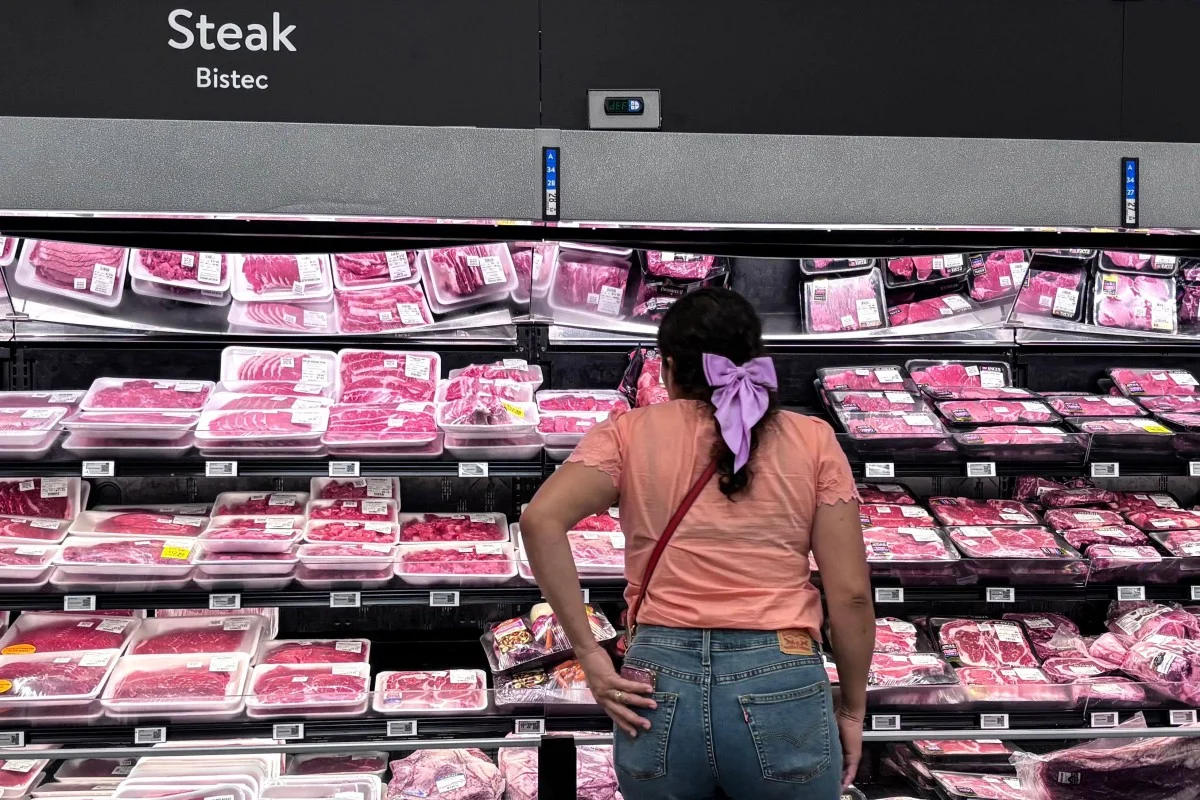
It may be a supermarket where everything costs more.
That is why the next few months could be critical for the global food system.
Frequently Asked Questions
What are world food prices 2026?
The world food prices 2026 trend refers to international food commodity prices during 2026. In September, the FAO Food Price Index reached 136.0 points, its highest level since November 2022.
Why are global food prices rising?
The latest increase is being driven by higher cereal, sugar and vegetable oil prices, combined with shipping disruptions, adverse weather and geopolitical risks.
What is causing the global food crisis 2026 concerns?
The main concerns include El Niño, Black Sea trade disruptions, higher energy and freight costs, lower crop expectations in some regions and geopolitical instability.
Is El Niño causing food prices to rise?
El Niño is contributing to uncertainty around crop production. The FAO says the weather pattern is particularly important for rice and agricultural production in South and Southeast Asia.
Are wheat prices rising?
Yes. FAO reported that world wheat prices increased 6.3% in September, reaching their highest level since August 2023.
Are sugar prices rising?
Yes. The FAO Sugar Price Index increased 6.1% in September and reached its highest level since April 2025.
Is the world running out of food?
No. FAO still forecasts nearly 2.979 billion tonnes of cereal production in 2026 and substantial global stocks. The current concern is rising prices and supply-chain uncertainty rather than an immediate global food shortage.
Could food prices rise further?
Yes. A stronger El Niño, continued Black Sea disruptions, weaker harvests or higher energy and shipping costs could push food prices higher.
What should consumers watch?
Consumers should watch the prices of wheat, rice, cooking oil, sugar and fuel, along with developments involving El Niño, Black Sea shipping and major agricultural producers.