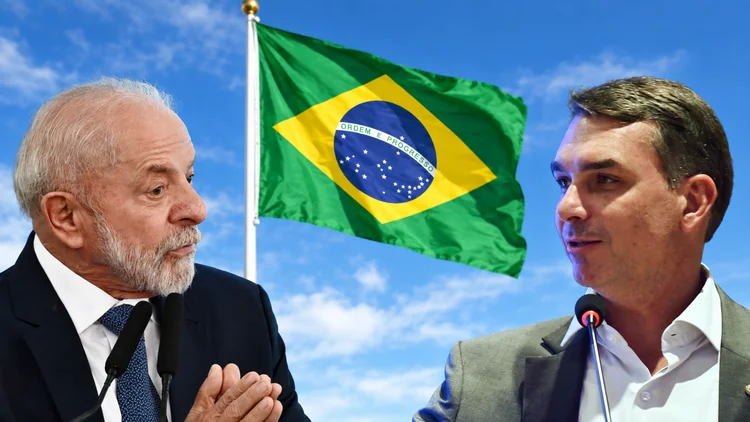
The Brazil Election 2026 has delivered a major political development for Latin America. President Luiz Inácio Lula da Silva has secured another presidential term after defeating Senator Flávio Bolsonaro in a closely contested runoff. The result keeps Brazil under left-wing leadership, but it also reveals a deeply divided electorate and a stronger conservative presence in Congress.
Brazil matters far beyond its borders. As Latin America’s largest economy and one of the world’s most influential emerging markets, its decisions affect regional trade, international diplomacy, environmental policy and relations with major powers. The outcome will therefore influence the direction of Latin American Politics as governments across the region navigate changing political alliances and economic pressures.
The central question is no longer who will become Brazil’s next president. It is how Lula will govern a divided country and what his new administration will mean for the rest of the region.
Brazil Election 2026: What Happened?
Brazil held the first round of its general election on October 4, 2026. Neither leading presidential candidate secured the majority required to avoid a runoff.
Senator Flávio Bolsonaro finished ahead of Lula in the first round, but the contest moved to a second vote on October 25.
Lula then secured victory with approximately 51.8% of valid votes, compared with 48.2% for Bolsonaro. The result gave Lula a historic fourth presidential term, although his new mandate begins in January 2027.
The narrow margin demonstrates how divided Brazilian society remains. Millions of voters supported Lula, while a similarly large number backed Bolsonaro’s campaign and its conservative political agenda.
The election also strengthened the right in Congress. This creates an important political challenge for Lula because winning the presidency does not automatically provide the legislative support required to pass major reforms.
Lula’s Next Presidency: Major Priorities and Challenges
Lula returns to office with several major responsibilities. His government must address economic pressures, public security, social inequality and Brazil’s international position.
His political programme has emphasised social protection, industrial development, environmental protection and stronger international cooperation.
However, delivering these priorities will require negotiations with lawmakers who may disagree with his administration.
1. Economic Growth and Government Spending
Brazil’s economic future will be one of the most closely watched issues of the next administration.
The country has significant agricultural, industrial, energy and mineral resources. It also has a large domestic consumer market. Nevertheless, high borrowing costs, public debt and pressure on government finances remain important concerns.
A Reuters report published on November 12 said Lula’s first post-election fiscal package could save up to 60 billion reais in 2027, equivalent to approximately 0.5% of GDP. The measures include limits on tax benefits and mechanisms to restrain spending growth.
The proposal illustrates the difficult balance facing the government: maintaining social and development programmes while reassuring investors about public finances.
Businesses will also watch interest rates, inflation, taxation and infrastructure spending. These decisions could influence investment across Brazil and its trading partners.
2. Public Security and Political Stability
Crime and public security were important issues during the election campaign.
Brazil faces challenges involving organised criminal networks, drug trafficking, violence and pressure on law-enforcement institutions. Voters have different views about how the government should respond.
Bolsonaro’s campaign placed strong emphasis on tougher security policies. Lula’s administration will face pressure to demonstrate progress while balancing law enforcement, civil liberties and social development.
The issue could also influence relations between federal authorities and state governments, particularly because security responsibilities are distributed across different levels of government.
3. The Environment and Amazon Protection
Brazil’s environmental policies will remain important to international climate discussions.
The Amazon rainforest plays a major role in global biodiversity, carbon storage and climate regulation. Decisions involving deforestation, illegal mining, land use and Indigenous rights therefore attract international attention.
Lula has made environmental protection a central part of his political agenda. His next administration will face pressure to maintain enforcement while balancing agricultural production, infrastructure development and economic growth.
International investors and trading partners will also watch environmental standards because sustainability requirements increasingly influence access to global markets.
A Stronger Conservative Congress Could Limit Lula’s Plans
One of the most important consequences of the election is the changing balance of power in Brazil’s legislature.
The presidential result favoured Lula, but congressional elections strengthened right-wing and centrist forces. The new legislature is expected to begin its work in February 2027.
This political arrangement could make major reforms difficult.
Lula may need to negotiate with conservative and centrist lawmakers on taxation, public spending, judicial institutions, security and environmental legislation.
The stronger opposition could also increase political disagreements between the presidency and Congress.
According to analysis published by Harvard’s David Rockefeller Center for Latin American Studies on November 12, Lula’s victory did not represent a wider political shift to the left. The right remains influential, and the president faces a divided electorate alongside limited fiscal flexibility.
This means Brazil’s political direction will depend not only on presidential decisions but also on legislative negotiations and institutional relationships.
What Does Brazil’s Election Mean for Latin American Politics?
Brazil’s political influence extends throughout South America. Its decisions can shape regional cooperation, trade negotiations and diplomatic responses to international crises.
The 2026 result could affect neighbouring countries in several ways.
Regional Cooperation and Mercosur
Brazil is a central member of Mercosur, the South American trade bloc that also includes Argentina, Paraguay and Uruguay.
Lula has supported regional cooperation and stronger economic relationships among developing countries. His continued presidency provides an opportunity to maintain that diplomatic approach.
However, differences between governments across the region could complicate negotiations.
Countries with more conservative administrations may prioritise different economic and diplomatic policies. As a result, regional integration will require practical agreements on trade, infrastructure, customs and investment rather than relying only on political similarities.
Relations with Venezuela and Cuba
Brazil’s approach to Venezuela and Cuba will also influence regional diplomacy.
Lula has generally supported diplomatic engagement and has criticised certain forms of external pressure on governments in the region.
The Bolsonaro political movement has taken a more confrontational position toward the governments of Cuba and Venezuela.
These differences could affect Brazil’s participation in regional discussions about democracy, political rights, migration and economic sanctions.
Brazil will need to balance diplomatic engagement with its relationships with neighbouring governments and international partners.
A Changing Political Landscape
Latin America has experienced changing political trends, with conservative and right-wing movements gaining influence in several countries.
Brazil’s election adds another dimension to this regional picture. Lula’s victory maintains a major left-wing government in South America’s largest economy, while the strength of the opposition demonstrates that conservative politics remains highly influential.
The result does not establish a single political direction for the entire region. Instead, it highlights the diversity of political preferences and economic priorities across Latin American countries.
The United States and China Will Watch Brazil Closely
Brazil’s international relationships are another important part of the election’s significance.
China and the United States are among Brazil’s most important economic partners. Both countries have interests in Brazilian agricultural exports, minerals, energy, manufacturing and infrastructure.
China is a major destination for Brazilian commodities, including soybeans and iron ore. The United States remains an important partner in investment, technology and trade.
Lula has generally supported a foreign policy that maintains relationships with multiple global powers rather than placing Brazil firmly within one geopolitical camp.
His continued presidency suggests that Brazil will retain an interest in strategic autonomy and cooperation with the Global South.
However, economic realities will limit the room for dramatic changes. Brazil depends on international markets, foreign investment and stable commercial relationships.
For this reason, its government will need to balance diplomatic priorities with practical economic interests.
What Investors and Businesses Should Watch
Brazil’s political transition creates important questions for domestic and international businesses.
Investors will pay attention to several developments:
- Fiscal policy: Whether the government can control public spending and maintain confidence in its financial plans.
- Interest rates: Whether economic conditions allow borrowing costs to decline.
- Infrastructure: Whether transport, electricity and logistics projects receive greater investment.
- Agriculture: How trade relationships and environmental regulations affect exports.
- Energy: Whether renewable energy and oil-and-gas investment expand.
- Technology: Whether Brazil strengthens its digital economy and industrial innovation.
The country’s large domestic market and natural resources continue to offer commercial opportunities. However, political negotiations, regulation and economic uncertainty will influence investment decisions.
Conclusion: Brazil’s Future Will Influence the Region
The 2026 Brazilian election has produced a historic presidential result, but it has not resolved the country’s political divisions.
Lula returns to office with a renewed mandate, while a stronger conservative Congress will shape the limits of his administration. Economic management, public security, environmental protection and international relations will all test the government’s ability to build political agreements.
For Latin America, Brazil’s direction matters because the country has significant economic weight and diplomatic influence. Its approach to regional trade, relations with major powers and cooperation with neighbouring governments could shape important developments throughout the continent.
The coming years will show whether Brazil can turn its political mandate into economic progress and stronger regional cooperation. One thing is clear: the consequences of the Brazil Election 2026 will extend well beyond Brasília and remain central to the future of Latin American Politics.