The Renewable Energy Future is becoming one of the most important issues shaping the global economy, international politics and energy security. As geopolitical conflicts, rising fuel prices and climate concerns expose the weaknesses of traditional energy systems, countries are increasingly turning towards solar power, wind energy and other renewable sources.
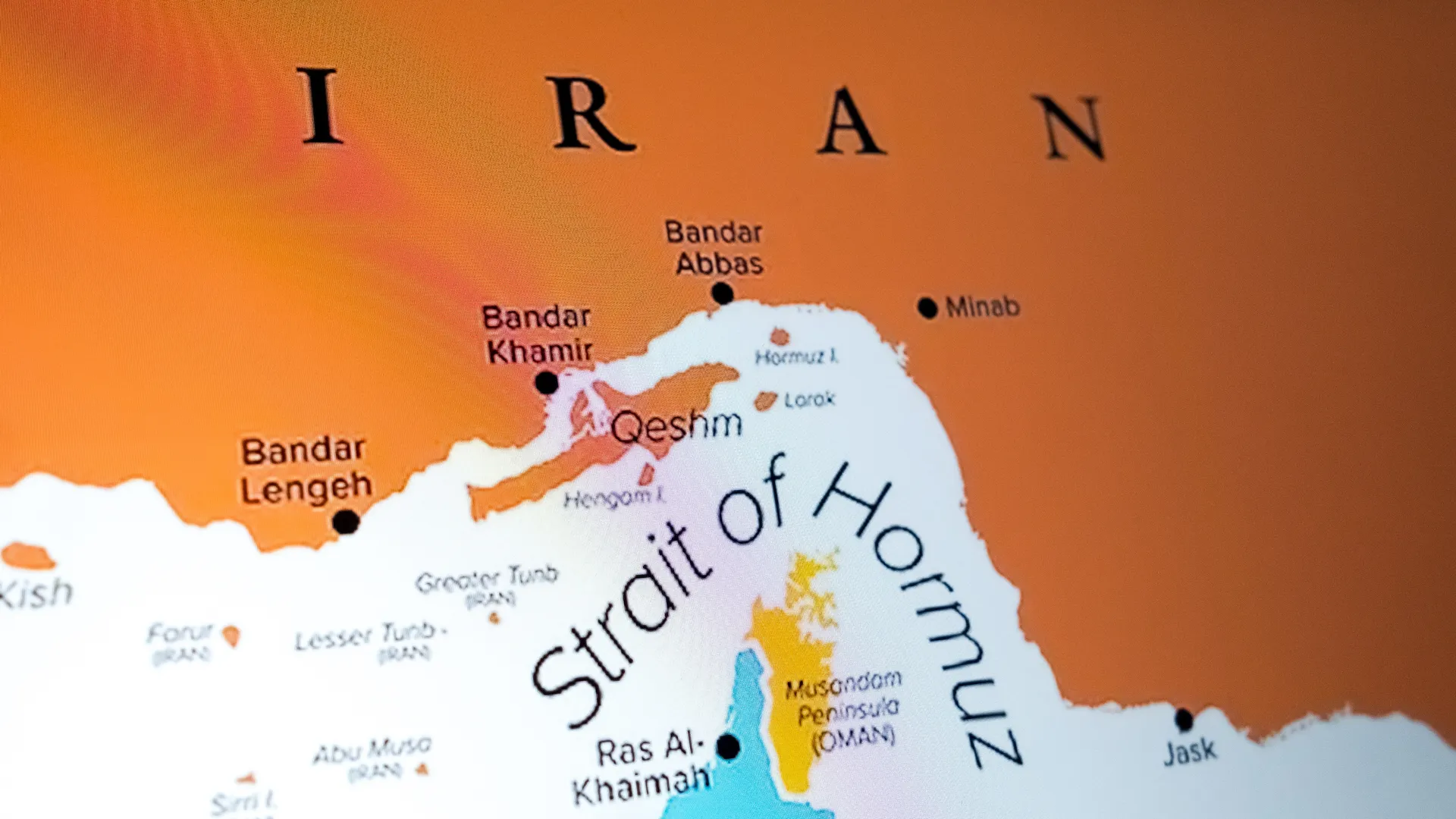
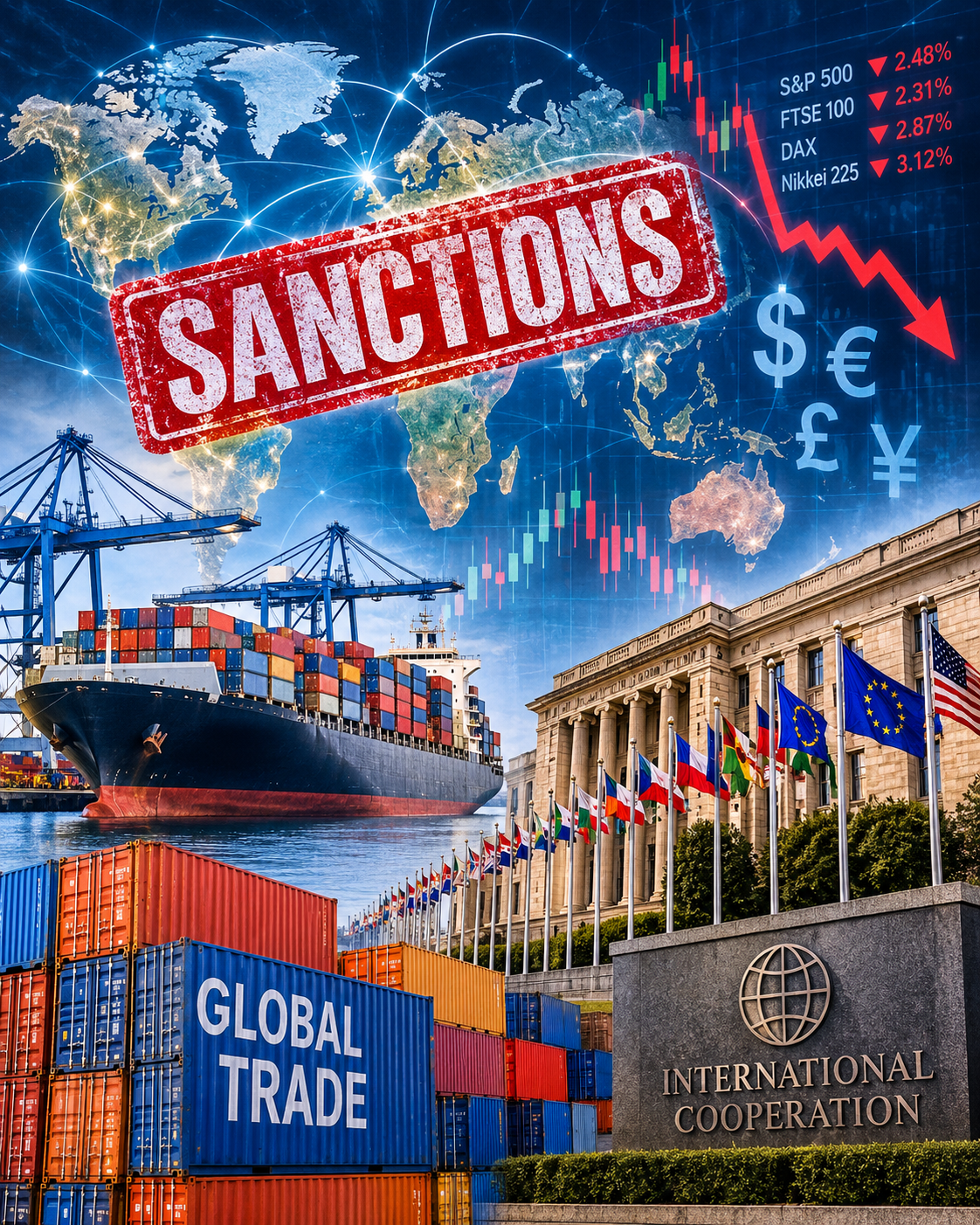
For decades, many economies have depended heavily on imported oil, natural gas and coal. This dependence has created economic vulnerabilities, particularly when wars, sanctions or shipping disruptions affect international energy markets. The Strait of Hormuz, for example, remains a critical route for global oil and gas transportation. Any major disruption can affect fuel prices and economic stability across the world.
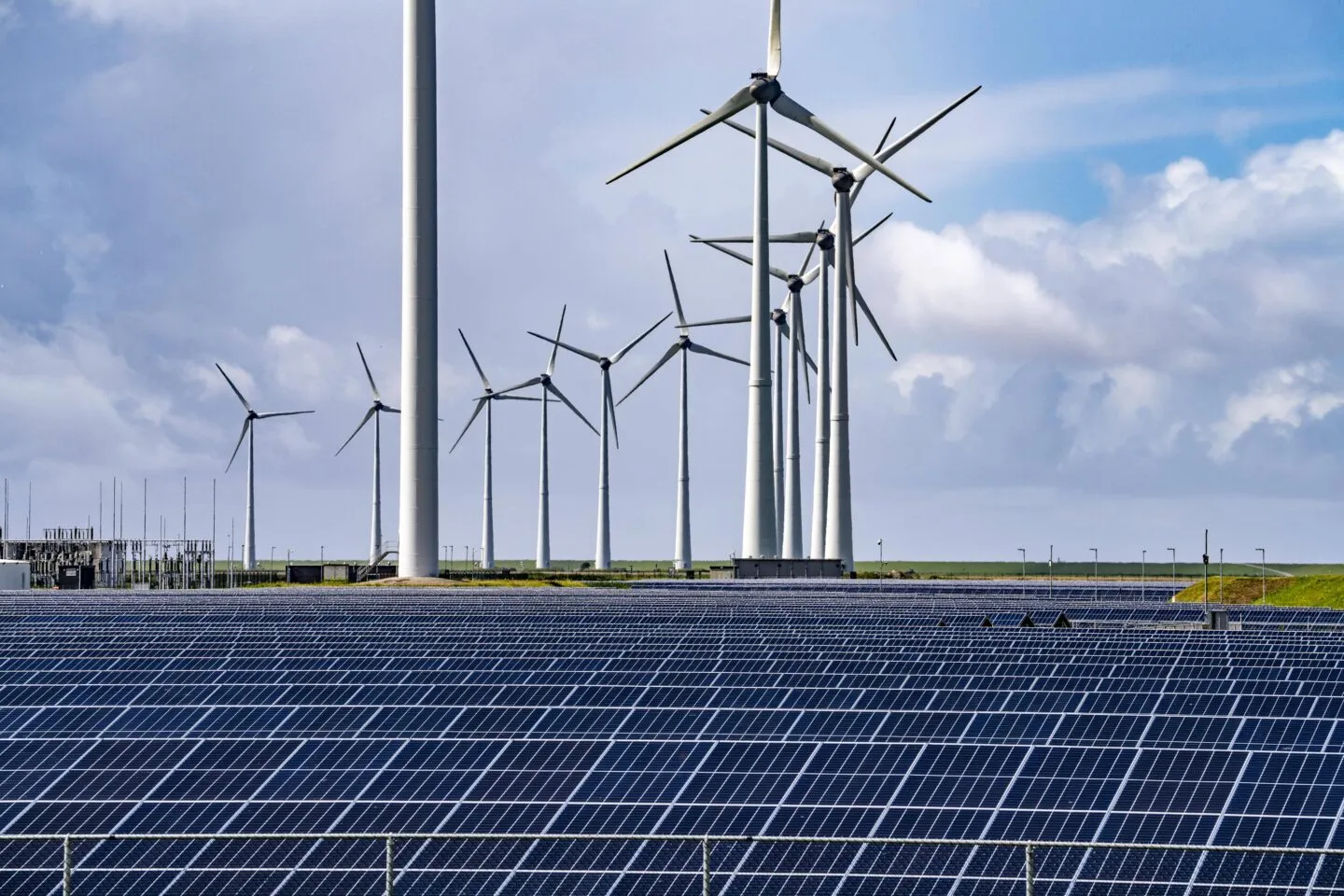
However, renewable energy offers an alternative. Solar panels and wind turbines can generate electricity using resources that are naturally available in many countries. As technology improves and installation costs become more competitive, governments and businesses are investing in cleaner energy systems.
According to the International Energy Agency’s (IEA) November 2026 report, global renewable electricity capacity is projected to expand by more than 4,770 gigawatts between 2026 and 2031. Renewables could account for more than 80% of all new global power capacity additions during this period.
The figures demonstrate that the Global Energy Transition is accelerating. But can solar and wind eventually reduce the world’s dependence on fossil fuels?
1. Renewable Energy Future: Why the World Is Changing Its Energy Strategy
Traditional energy sources have supported industrial development for generations. Oil powers transportation, natural gas supports electricity generation and heating, while coal remains important in several large economies.
Nevertheless, dependence on fossil fuels creates serious economic and strategic risks.
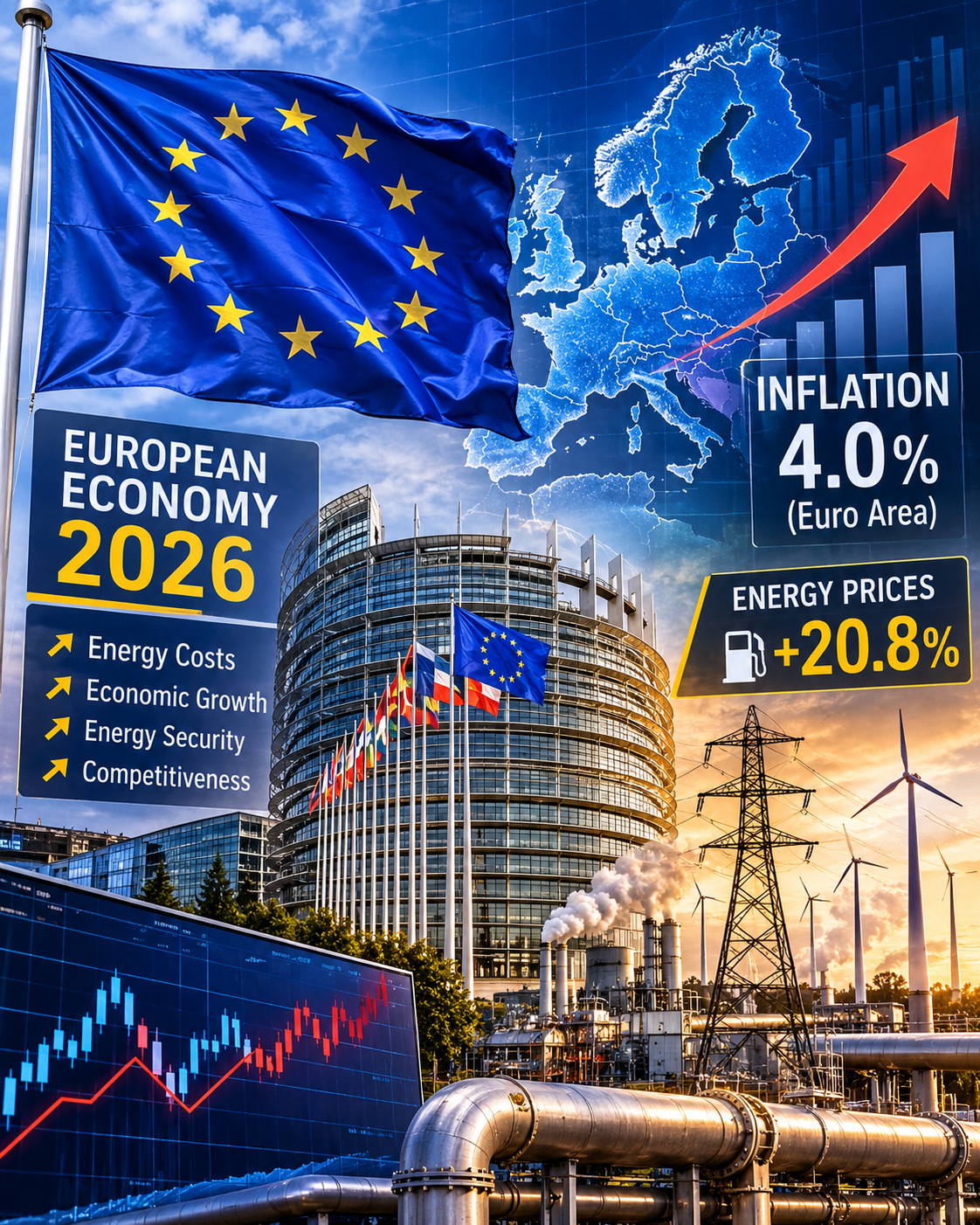
Countries that import large quantities of energy can experience financial pressure whenever international prices increase. A conflict in an oil-producing region or a disruption to a major shipping route can quickly affect transportation costs, manufacturing expenses and household electricity bills.
Renewable energy provides an opportunity to reduce these vulnerabilities.
The main advantages include:
- Greater domestic electricity production.
- Reduced dependence on imported fossil fuels.
- More predictable operating costs after installation.
- New employment opportunities in clean-energy industries.
- Lower greenhouse gas emissions during electricity generation.
- Improved energy access in remote communities.
Renewables are not a complete replacement for fossil fuels yet. However, they can reduce the amount of conventional fuel required to meet growing electricity demand.
2. Solar Power Is Becoming a Global Energy Leader
<text> </text>
Solar power has experienced extraordinary growth because photovoltaic technology has become increasingly affordable and accessible.
Solar panels convert sunlight into electricity without burning fuel. They can operate on residential rooftops, commercial buildings, industrial facilities and large solar farms.
The IEA’s Global Energy Review 2026 reported that worldwide solar photovoltaic capacity additions exceeded 600 GW in 2025, while total installed solar capacity reached approximately 2,800 GW.
The same report identified solar as the leading contributor to new renewable electricity capacity.
Several factors explain this expansion:
Lower installation costs: Technological improvements and large-scale manufacturing have made solar installations more competitive.
Residential adoption: Families and businesses can install rooftop systems to reduce dependence on conventional electricity supplies.
Industrial investment: Large factories and commercial facilities are increasingly using solar installations to manage electricity expenses.
Government incentives: Tax benefits, financing programmes and renewable-energy targets are encouraging investment.
Solar power also offers opportunities for countries with abundant sunshine. Nations in Africa, the Middle East and South Asia could increase domestic electricity generation by developing large solar projects.
However, solar production depends on daylight and weather conditions. Consequently, battery storage, electricity networks and alternative generation sources remain essential.
3. Wind Energy Is Strengthening the Global Electricity Supply
Wind power is another major contributor to the renewable-energy revolution.
Modern wind turbines convert the movement of air into electricity. They can operate on land or offshore, where stronger and more consistent winds may provide higher generation potential.
Wind energy has several advantages:
- It generates electricity without consuming fossil fuels.
- It can supply large quantities of power to national grids.
- Offshore projects can access strong coastal wind resources.
- It can complement solar generation.
- It reduces exposure to imported fuel prices.
The IEA’s renewable-energy analysis expects global onshore wind capacity to increase substantially by 2031. Wind and solar together are expected to provide more than 80% of global electricity generation growth during the forecast period.
Their combined contribution is particularly important because solar and wind often produce electricity at different times. Solar generates most strongly during daylight, while wind production can continue throughout the day and night depending on local conditions.
Combining both technologies can therefore create a more diversified electricity supply.
Nevertheless, wind projects face challenges involving land availability, environmental assessments, transmission infrastructure, permitting and community acceptance.
4. Can Renewable Energy Reduce Global Dependence on Oil and Gas?
This is one of the most important questions in international energy politics.
The answer is yes, but the extent of the reduction depends on how quickly countries transform their electricity, transportation, heating and industrial systems.
Solar and wind primarily generate electricity. They can reduce the need for gas- and coal-fired power generation, but they do not automatically replace oil used in cars, ships and aircraft or gas used in industrial heating.
A broader energy transition requires several developments.
Electric vehicles: Replacing petrol and diesel vehicles with electric alternatives can reduce demand for imported transportation fuels, particularly when electricity comes from renewable sources.
Battery storage: Large battery systems can store excess solar and wind electricity for use when generation falls.
Industrial electrification: Factories can replace some fossil-fuel-powered equipment with electric technologies.
Green hydrogen: Renewable electricity can produce hydrogen for selected industrial applications, although costs and infrastructure remain significant barriers.
Energy efficiency: Better buildings, efficient appliances and modern industrial equipment can reduce overall energy consumption.
The IEA’s November 2026 Renewables report provides an important indication of renewable energy’s security benefits. It estimates that without renewable growth since 2010, global annual fossil-fuel demand would have been around 8% higher in 2025.
This suggests that renewable energy is already reducing the world’s exposure to conventional fuels, even though complete independence remains a distant objective.
5. Global Energy Transition: Which Countries Are Leading?
The transition is not happening equally across the world. Different countries have different resources, financial capabilities, electricity requirements and political priorities.
China
China remains the largest force in renewable-energy manufacturing and deployment. Its solar-panel, battery and wind industries have helped reduce technology costs internationally.
The IEA expects China to account for approximately 53% of global renewable capacity growth between 2026 and 2031.
India
India is emerging as a major renewable-energy market. Rapid electricity-demand growth, expanding solar installations and government investment are supporting its transition.
The IEA expects India to become the second-largest national market for renewable capacity growth during the forecast period.
United States
The United States is expanding solar and battery deployment to meet rising electricity demand, including demand from data centres and advanced industries.
However, federal and state policies, financing conditions and grid infrastructure will influence future progress.
European Union
European countries are investing in wind, solar and other renewable technologies to improve energy security and reduce dependence on imported fossil fuels.
The IEA projects approximately 617 GW of additional renewable capacity in Europe between 2026 and 2031.
Middle East
Oil-producing countries are also investing in renewable energy. Saudi Arabia and the United Arab Emirates are developing solar and other clean-energy projects as they seek to diversify their economies.
These developments demonstrate that renewable energy is no longer limited to countries with ambitious climate policies. Energy security and economic competitiveness are becoming equally important motivations.
6. The Biggest Challenges Facing Renewable Energy
Despite impressive progress, the renewable-energy industry still faces significant obstacles.
Intermittent electricity production
Solar panels cannot generate electricity at night, while wind turbines depend on weather conditions. Electricity systems need storage, flexible generation and improved grid management.
High initial investment
Although operating costs can be relatively low, solar farms, offshore wind projects, batteries and transmission networks require substantial upfront funding.
Electricity grid limitations
Many countries have not modernised their electricity networks quickly enough to accommodate growing renewable capacity.
The IEA estimates that more than 2,500 GW of renewable-energy, storage and large electricity-demand projects are waiting in grid connection queues worldwide.
Critical minerals
Batteries, solar panels, wind turbines and electricity networks require materials such as lithium, copper, nickel and other specialised minerals. Concentrated supply chains can create new international dependencies.
Political uncertainty
Changes in subsidies, taxation, import rules and government energy policies can affect investor confidence and delay projects.
These challenges show why installing more solar panels and wind turbines is only one part of a successful energy transition.
7. Why Battery Storage Will Decide the Future of Renewable Energy
Battery technology could become one of the most important foundations of modern electricity systems.
When solar and wind generation exceeds immediate demand, electricity can be stored and released later. This helps reduce waste and improves the reliability of renewable electricity.
Large battery installations can support electricity networks during periods of high demand. They can also help manage fluctuations in renewable generation.
Other storage technologies may contribute as well, including pumped hydropower, thermal storage and emerging long-duration battery systems.
However, storage is not a complete solution by itself. Countries also need stronger transmission networks, better forecasting, flexible electricity markets and a diverse mix of energy sources.
The future electricity system will increasingly depend on the combination of renewable generation, storage and modern infrastructure.
8. What Does the Renewable Energy Revolution Mean for Developing Countries?
Developing economies have an important opportunity to benefit from the global energy transition.
Countries that currently spend large amounts importing oil, gas and electricity could reduce some of their financial pressure by increasing domestic renewable generation.
Solar power is particularly attractive in regions with abundant sunlight. Small-scale installations can provide electricity to communities that are not connected to reliable national grids.
For countries such as Pakistan, renewable energy could support:
- Lower dependence on imported fuel.
- Reduced pressure on foreign-exchange reserves.
- More affordable electricity over the long term.
- Improved energy access in rural communities.
- New opportunities for solar installation businesses.
- Greater resilience against international energy-price shocks.
However, successful development requires more than importing solar panels. Governments must improve electricity distribution, establish predictable policies, strengthen financing arrangements and manage the financial challenges facing power utilities.
Developing countries also need to invest in technical training and local manufacturing where economically practical.
If these conditions improve, renewable energy could become an important driver of industrial development and economic stability.
9. Renewable Energy Outlook: What Could Happen by 2031?
The IEA’s November 2026 Renewables report forecasts a major expansion in renewable electricity capacity through 2031.
Some important projections include:
- More than 4,770 GW of additional renewable capacity between 2026 and 2031.
- Solar photovoltaic technology accounting for more than three-quarters of renewable capacity expansion.
- Renewable energy increasing from approximately 33% of global electricity generation in 2025 to 43% by 2031.
- Wind and solar contributing more than 80% of global electricity generation growth during the forecast period.
- India becoming the second-largest national market for renewable capacity expansion.
However, the report also highlights a temporary slowdown. Global renewable capacity additions are forecast to decline by 11% in 2026, mainly because of slower solar deployment in China.
This does not mean the energy transition has stopped. Instead, it demonstrates that renewable growth can fluctuate because of policy changes, financing conditions and market developments.
Faster investment in electricity grids, storage and project approvals could accelerate deployment further.
Conclusion: Solar and Wind Could Transform Global Energy Security
The Renewable Energy Future is increasingly connected to economic independence, national security and international competitiveness.
Solar and wind power are already changing electricity markets by providing alternatives to conventional fossil-fuel generation. Their expansion can reduce fuel imports, protect economies against some international price shocks and support cleaner industrial development.
However, renewable energy cannot eliminate global dependence on oil and gas overnight. Transportation, aviation, shipping, heavy industry and heating still require substantial technological changes.
The Global Energy Transition will therefore depend on more than renewable electricity generation. Countries must invest in battery storage, modern grids, energy efficiency, electrification and diversified supply chains.
The nations that build reliable and affordable energy systems will be better positioned to compete in the coming decades.
Solar and wind may not replace every conventional energy source, but they are becoming essential tools for creating a more secure, resilient and sustainable global economy.