Europe enters the final months of 2026 facing a difficult economic balancing act. The European Economy 2026 outlook is being shaped by rising energy costs, renewed inflationary pressure, geopolitical uncertainty and uneven growth across member states. Although the European Union continues to expand, higher fuel and electricity prices are putting pressure on households, businesses and governments.
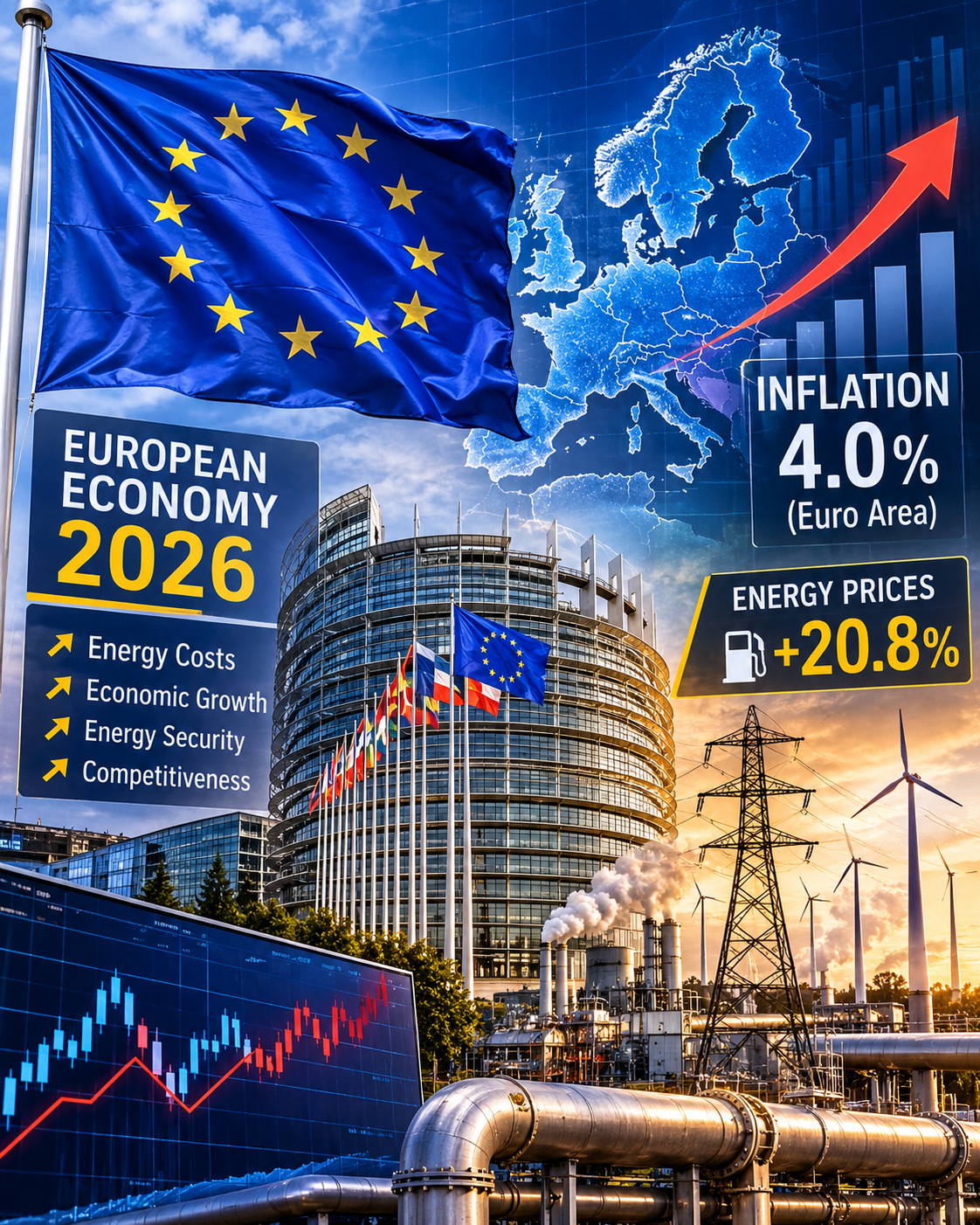
The latest figures highlight the scale of the challenge. Eurostat’s flash estimate shows that euro area inflation reached 4.0% in October 2026, up from 3.8% in September. Energy prices were the main source of pressure, with their annual inflation rate estimated at 20.8%. Meanwhile, preliminary figures show that euro area GDP grew by 0.4% in the third quarter, while EU GDP increased by 0.5%.
These developments raise an important question: can Europe protect its economic recovery while controlling prices and securing affordable energy?
1. European Economy 2026: Growth Continues, but Risks Are Rising
Europe’s economy has demonstrated resilience despite international uncertainty. However, growth remains modest, and the recovery is not equally strong across all countries.
According to Eurostat’s preliminary estimate, the euro area economy expanded by 0.4% during the third quarter of 2026 compared with the previous quarter. The EU recorded slightly stronger growth of 0.5%. Compared with the same period in 2025, GDP increased by 1.3% in the euro area and 1.5% across the EU.
These figures show that economic activity has not stopped. Nevertheless, slower quarterly growth compared with the second quarter suggests that momentum is weakening.
Several factors influence Europe’s economic performance:
- Higher energy and transportation costs.
- Weak industrial competitiveness in some sectors.
- Uncertainty surrounding international trade.
- Expensive borrowing and investment financing.
- Pressure on household purchasing power.
- Geopolitical conflicts affecting business confidence.
Germany, France, Italy and Spain remain particularly important to the wider European outlook because of their economic size and influence on regional trade. Differences in industrial performance, government spending and domestic demand mean that each country faces its own recovery challenges.
The central concern is that prolonged energy inflation could weaken consumer spending and business investment, making sustainable economic growth more difficult.
2. European Inflation: Why Prices Are Rising Again
European Inflation has become one of the biggest economic concerns in 2026. After earlier progress towards price stability, renewed increases in energy costs have pushed inflation higher.
Eurostat’s October flash estimate placed annual euro area inflation at 4.0%. Energy recorded an estimated annual increase of 20.8%, making it the fastest-rising major component. Services inflation stood at 3.3%, while food, alcohol and tobacco inflation reached 1.6%.
This matters because energy costs affect far more than household electricity bills. Businesses use fuel and electricity to manufacture products, operate machinery, transport goods and provide services. When these expenses rise, companies may pass some of the additional costs on to customers.
For ordinary Europeans, the consequences can include:
- Higher petrol and diesel prices.
- More expensive electricity and heating.
- Increased grocery and household expenses.
- Higher transport and delivery charges.
- Reduced disposable income.
- Greater pressure on savings and family budgets.
Inflation also affects people differently. Lower-income households generally spend a larger share of their earnings on essential goods and energy, leaving them with less flexibility when prices increase.
The European Central Bank therefore faces a difficult task: it must prevent inflation from becoming persistent without weakening economic activity through excessive monetary tightening.
3. The Energy Crisis: Europe’s Biggest Economic Vulnerability
Energy security remains a major challenge for Europe. The continent has worked to reduce its dependence on Russian energy since Russia’s full-scale invasion of Ukraine in 2022. However, changing supply routes and expanding alternative energy sources have not eliminated its exposure to international price shocks.
The renewed conflict in the Middle East has added another layer of uncertainty. Disruptions to oil and shipping routes can increase the cost of crude oil, refined fuels, insurance and transportation.
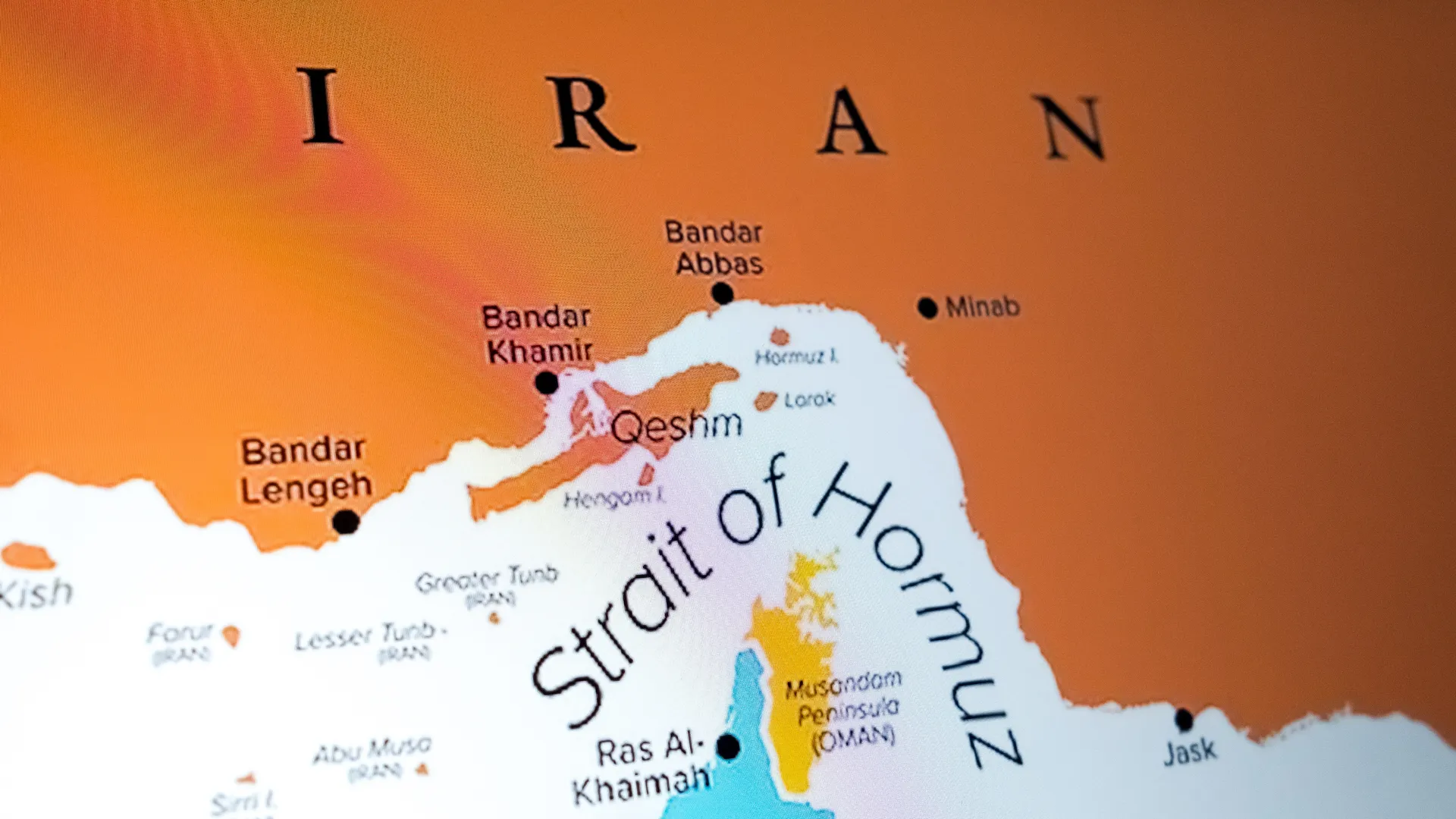
The Strait of Hormuz is especially important because it is a major route for international oil and gas shipments. Any prolonged disruption can affect energy markets far beyond the Middle East, including European economies that rely on imported energy.
Europe also faces risks in the natural gas market. Although its supply network has become more diversified, global competition for liquefied natural gas can increase prices when major exporters or shipping routes experience disruption.
Higher energy costs can affect European industries such as:
- Steel and metal production.
- Chemicals and fertilisers.
- Automotive manufacturing.
- Aviation and maritime transport.
- Food processing.
- Construction and heavy industry.
For these businesses, energy is not simply a household expense. It is a fundamental production cost that influences international competitiveness.
4. Can Renewable Energy Protect Europe’s Economy?
Europe’s long-term energy strategy depends heavily on renewable electricity, energy efficiency and a more diversified supply network.
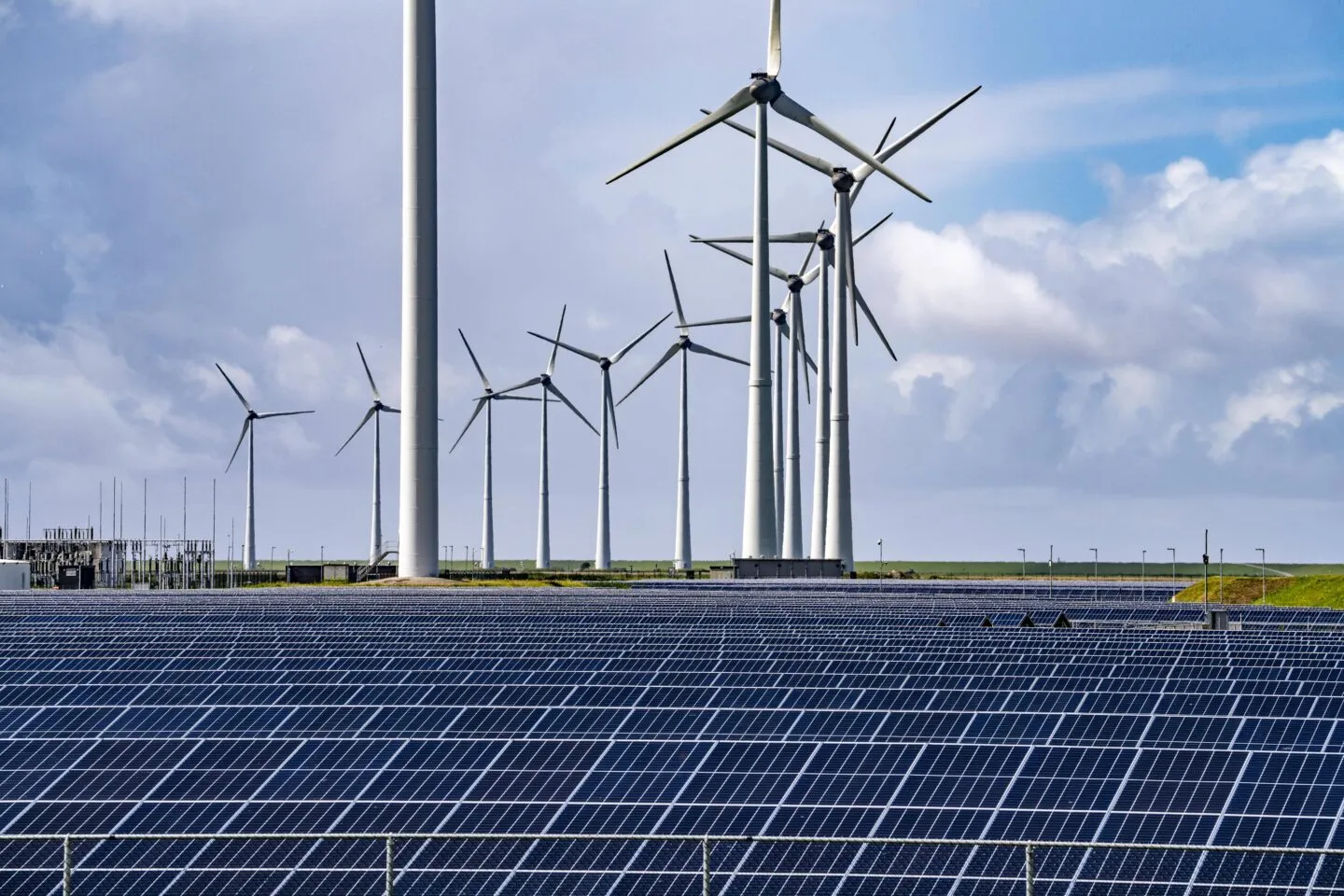
Solar and wind power can reduce exposure to imported fossil fuels because they use domestic natural resources rather than relying entirely on international fuel markets. However, renewable energy cannot solve every problem immediately.
Electricity grids need modernisation, energy storage requires investment, and renewable generation can vary with weather conditions. Europe must also expand connections between countries so that electricity can move more efficiently across borders.
Nuclear energy, hydropower and other low-carbon sources may also contribute to national energy strategies, although countries differ in their policies and investment priorities.
The challenge is to create an energy system that is affordable, reliable and environmentally sustainable.
If Europe accelerates investment in clean energy infrastructure, it could strengthen energy security, create employment and reduce some long-term exposure to global fossil-fuel price shocks.
5. The European Central Bank’s Difficult Decision
The European Central Bank (ECB) plays a central role in managing inflation across the euro area. Its main objective is to maintain price stability, with a medium-term inflation target of 2%.
However, rising energy prices create a complicated policy environment.
When inflation increases because of expensive imported energy, raising interest rates cannot directly increase oil production or reopen disrupted shipping routes. Nevertheless, monetary policy can influence borrowing, spending and the risk that temporary price increases spread throughout the economy.
At its October 29, 2026 meeting, the ECB decided to keep its three key interest rates unchanged. The central bank warned that a larger or longer-lasting energy shock could increase inflation while weakening economic growth.
This creates a difficult choice. Higher interest rates could help contain inflation expectations, but they may also make mortgages, business loans and investment more expensive. Keeping rates lower could support economic activity, but persistent inflation might become harder to control.
The ECB must therefore monitor energy markets, wages, consumer prices and economic activity before making further decisions.
6. Employment, Wages and the Cost-of-Living Crisis
The impact of inflation extends beyond financial markets. European households are also dealing with the challenge of maintaining their standard of living while essential expenses increase.
Workers may seek higher wages to compensate for rising prices. However, businesses facing higher energy, financing and operating costs may find it difficult to increase salaries without raising product prices or reducing other expenses.
This can create a cycle in which wages and prices put pressure on each other.
Employment conditions also matter. If companies reduce investment or postpone expansion because of uncertainty, hiring could slow. Young people entering the labour market may face particular difficulties in countries where unemployment and skills mismatches are already concerns.
Governments can provide targeted support to vulnerable households, but broad subsidies and tax reductions can place additional pressure on public finances. Policymakers must balance immediate cost-of-living relief with long-term budget sustainability.
7. Europe Faces Tough Competition from the United States and China
Europe’s economic challenges are not limited to inflation and energy. The region must also protect its position in an increasingly competitive global economy.
The United States benefits from a large domestic market, major technology companies and significant investment in artificial intelligence. China remains a powerful manufacturing centre, supported by extensive industrial capacity and strong positions in several clean-energy supply chains.
European companies face pressure to remain competitive in areas such as electric vehicles, semiconductors, batteries, robotics and artificial intelligence.
High energy costs can make European manufacturing less attractive compared with locations where electricity and production expenses are lower. If companies move investment elsewhere, Europe could lose jobs, industrial capacity and technological opportunities.
To respond, European policymakers need to improve the business environment, simplify regulations where appropriate, strengthen research and development, and encourage investment in strategic industries.
The future of European growth will depend not only on controlling inflation but also on increasing productivity and developing globally competitive businesses.
8. What Could Drive European Growth in 2027?
Despite the risks, Europe has several opportunities that could support stronger economic performance in the coming years.
Renewable energy investment: Expanding solar, wind, storage and electricity networks could reduce energy vulnerability and create new industries.
Artificial intelligence: Greater use of AI in manufacturing, healthcare, finance and logistics could improve productivity and help businesses reduce operating costs.
Industrial modernisation: Investment in advanced manufacturing, robotics and digital infrastructure could strengthen European competitiveness.
Defence and infrastructure spending: Investment in transport, energy networks and security could support economic activity while addressing strategic needs.
Skills and employment: Training workers for technology, engineering and clean-energy industries could help address labour shortages and improve productivity.
However, these opportunities require stable policies, effective investment and cooperation between European countries. Economic recovery will be harder if governments focus only on short-term problems without addressing structural weaknesses.
9. The November 2026 Economic Forecast Will Be Important
The European Commission’s autumn economic forecast is scheduled for publication on 17 November 2026. It is expected to update the Commission’s earlier assessment of growth, inflation, employment and public finances.
Its projections will be particularly important because the May 2026 forecast anticipated EU economic growth of 1.1% for 2026 and euro area growth of 0.9%, alongside EU inflation of 3.1%. Those estimates were produced before the latest available October inflation figures.
The new forecast should help clarify how much the energy shock has changed Europe’s economic outlook. Businesses, investors and policymakers will be watching closely for updated estimates and the Commission’s assessment of risks heading into 2027.
Conclusion: Europe’s Economic Future Depends on Energy and Competitiveness
The European Economy 2026 faces a defining test. Rising energy prices have pushed inflation higher, while geopolitical uncertainty and global competition continue to challenge the region’s industrial strength.
The latest figures show that Europe is still growing, but the increase in European Inflationhttps://toptendose.com/ demonstrates how quickly external energy shocks can affect household budgets and business costs.
Europe’s long-term success will depend on more than temporary financial support or changes in interest rates. It needs secure energy supplies, stronger industrial investment, affordable electricity, technological innovation and policies that support sustainable growth.
The choices made during the final months of 2026 could shape Europe’s economic direction for years. If European countries can turn the current crisis into an opportunity to modernise their energy systems and strengthen competitiveness, the region may emerge more resilient. If energy insecurity and inflation persist, however, economic growth could remain under pressure well into 2027.