The India Economy 2026 story is attracting international attention as the country continues to expand its influence in global trade, technology, manufacturing and finance. With a large domestic market, a growing services sector and increasing investment in infrastructure, India has become an important force in the world economy. However, its rapid expansion also faces challenges, including political tensions, unemployment, income inequality, energy dependence and international trade uncertainty.
The International Monetary Fund’s October 2026 outlook projects India’s economy to grow by 7% in fiscal year 2026–27. This forecast reflects strong domestic demand and services activity. The Reserve Bank of India’s November bulletin also reports an IMF projection of 7% for India’s 2026 – 27 and 2027 – 28 fiscal years. These figures underline India’s economic momentum, although forecasts can change as global conditions develop.
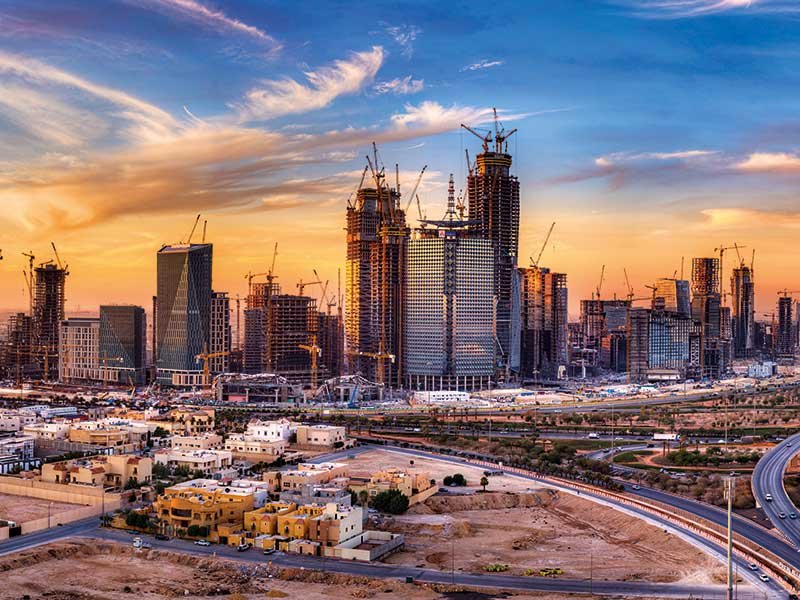
India’s economic direction matters far beyond South Asia. Its performance influences investment decisions, regional supply chains and the wider debate about Asian Economic Growth. The central question is whether India can turn strong headline growth into better jobs, higher household incomes and more balanced development.
1. India’s Economic Growth Is Drawing Global Attention
India has maintained a strong growth trajectory compared with many major economies. Its large consumer market, expanding digital economy and growing services industry provide several sources of economic activity.
The IMF’s October 2026 assessment raised its forecast for India’s fiscal-year growth to 7%, citing stronger domestic demand and robust services activity. The report also noted that India’s growth outlook benefited from demographic factors, a large domestic market and continuing structural reforms.
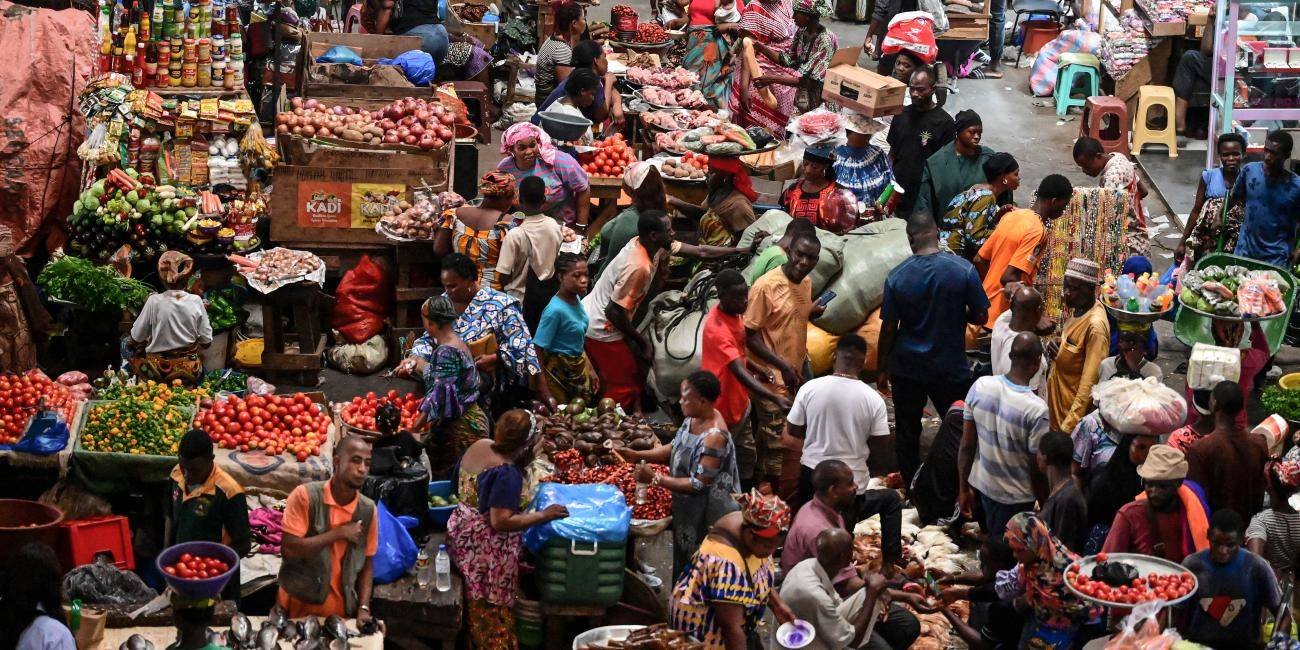
Domestic consumption is an important part of this story. Millions of households purchase goods and services across sectors such as housing, transport, education, healthcare, communications and retail. As incomes and urbanisation change consumer behaviour, businesses gain opportunities to expand.
However, headline GDP growth does not automatically mean that every household benefits equally. The quality of job creation, access to education and the distribution of income will help determine whether economic growth improves living standards across the country.
2. Manufacturing Could Become a Major Growth Engine
Manufacturing is central to India’s ambition to become a larger global production centre. International businesses are reviewing supply chains and looking for ways to diversify production across different countries. India hopes to attract a greater share of this investment.
Electronics, automobiles, pharmaceuticals, renewable-energy equipment, chemicals and industrial machinery offer opportunities for expansion. A stronger manufacturing base could increase exports, create skilled employment and reduce dependence on imported finished products.
Government incentives and infrastructure investment can support this transition. Industrial corridors, improved roads, ports, logistics facilities and more reliable electricity can make production more competitive.
Nevertheless, India must address practical barriers. Manufacturers need dependable infrastructure, predictable regulations, skilled workers and efficient access to land and finance. Smaller suppliers also need support to meet international quality standards.
If India can strengthen these areas, manufacturing could contribute more substantially to long-term economic development.
3. Technology and Artificial Intelligence Are Creating New Opportunities
India’s technology industry remains an important source of exports, investment and skilled employment. Its software services companies, start-ups, digital-payment platforms and engineering workforce connect the country with international markets.
Artificial intelligence is creating another opportunity. Businesses are exploring AI for software development, customer service, financial services, healthcare, manufacturing and logistics. Indian companies can use these technologies to improve productivity and develop new products for domestic and international customers.
The opportunity extends beyond large technology firms. Smaller businesses can use digital payments, cloud services and AI-powered tools to manage operations, reach customers and reduce administrative costs.
However, technological progress also creates difficult questions. Automation may change demand for certain jobs, while workers without digital skills could struggle to compete. India therefore needs stronger vocational education, technology training and responsible AI policies.
The long-term benefit will depend on whether technology raises productivity across the wider economy rather than concentrating gains among a small number of companies.
4. Political Challenges Could Influence Economic Confidence
Economic growth depends partly on political stability, effective institutions and predictable public policy. Investors consider these factors when deciding where to build factories, expand operations or commit long-term capital.
India’s political environment includes debates over federal relations, employment, social policy, regulatory decisions and institutional accountability. These issues can influence public confidence and the business environment.
Political developments also affect the relationship between central and state governments. Since states play important roles in land, infrastructure, education and local regulation, cooperation across different levels of government is essential for successful economic projects.
A further challenge is ensuring that economic opportunities reach different communities and regions. Persistent inequality, uneven access to public services and differences in development between states can create pressure on policymakers.
For international investors, the key questions include regulatory consistency, contract enforcement, taxation, transparency and the speed at which projects receive approvals. Strong institutions and clear rules can help maintain confidence even when political disagreements occur.
5. Employment Remains One of India’s Biggest Economic Tests
India has a large working-age population, which creates an opportunity to expand production and consumption. Yet a large population alone does not guarantee an economic advantage. The country must create enough productive jobs for people entering the workforce.
Employment opportunities vary considerably across sectors. Technology, finance and professional services offer higher-skilled positions, while construction, retail, transport, agriculture and manufacturing employ large numbers of workers.
The challenge is to improve the quality of employment. Many people work in informal or insecure jobs without predictable income, social protection or access to training. Young graduates may also struggle to find work that matches their qualifications.
India needs stronger links between education and industry. Technical colleges, apprenticeships, vocational programmes and partnerships with employers can help workers develop practical skills.
A broader manufacturing and services base could absorb more workers, but businesses must also invest in training and productivity. Without progress on employment, strong GDP growth may not translate into equally strong improvements in household living standards.
6. Trade Relations and Global Competition Matter
India’s position in international trade is becoming increasingly important. It has opportunities to expand exports, attract foreign investment and participate in supply chains that connect Asia, Europe, the Middle East and North America.
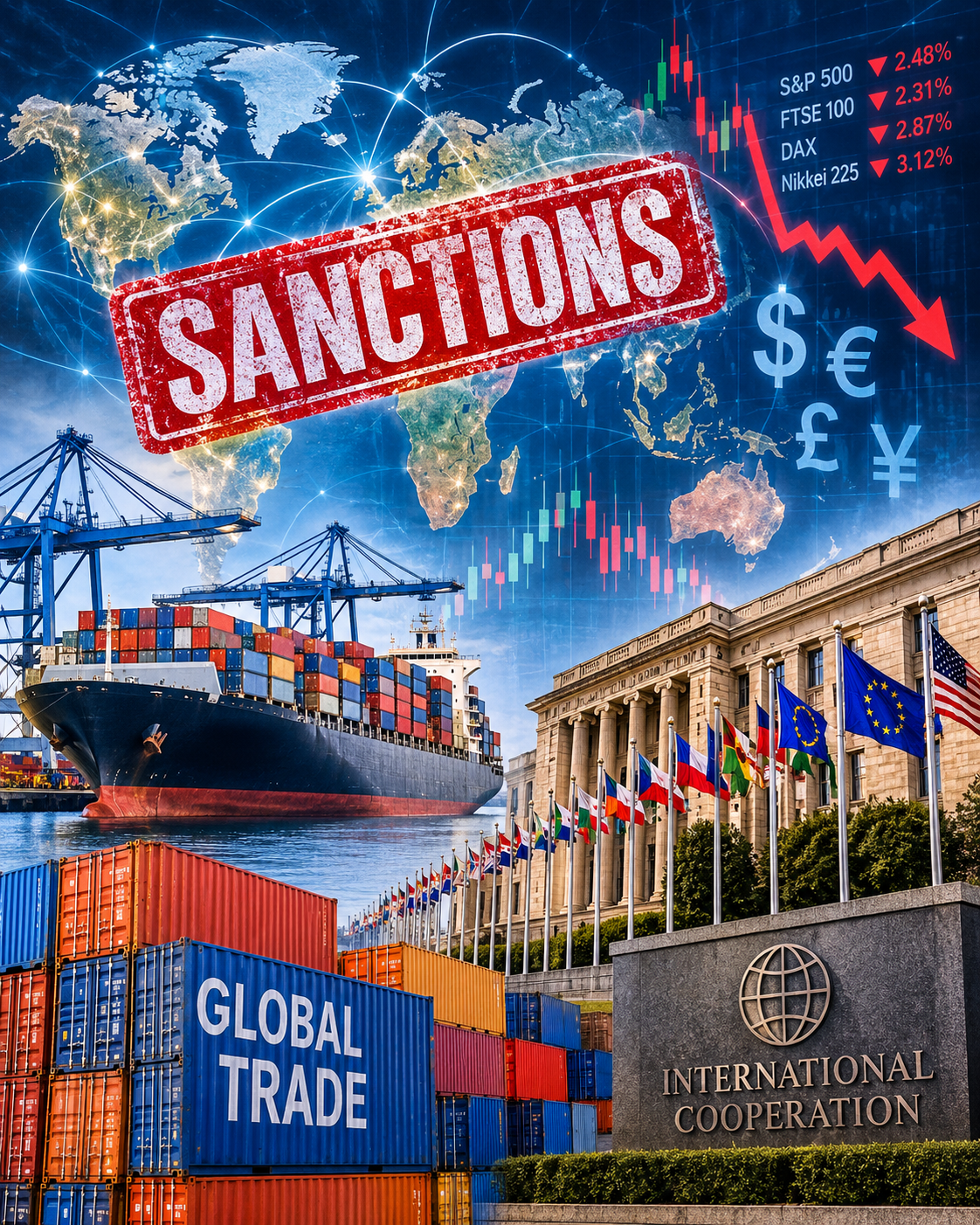
However, trade policy uncertainty remains a risk. Tariffs, changing regulations and geopolitical disagreements can affect exporters and manufacturers. The IMF has warned that prolonged conflict and geopolitical tensions could increase inflationary pressure and strain the external positions of vulnerable economies.
India must also manage its relationships with major economic partners. The United States is an important market for Indian goods and services, while China remains a major regional manufacturing and trading power. Europe, Japan, the Gulf countries and Southeast Asian economies also matter to India’s commercial future.
A diversified trade strategy can reduce reliance on individual markets. Stronger trade agreements, competitive exports and reliable customs procedures can help Indian companies reach more customers.
7. Energy Dependence Is a Major Economic Vulnerability
India’s growing economy requires enormous quantities of energy. Transport, manufacturing, electricity generation and household consumption all depend on reliable and affordable supplies.
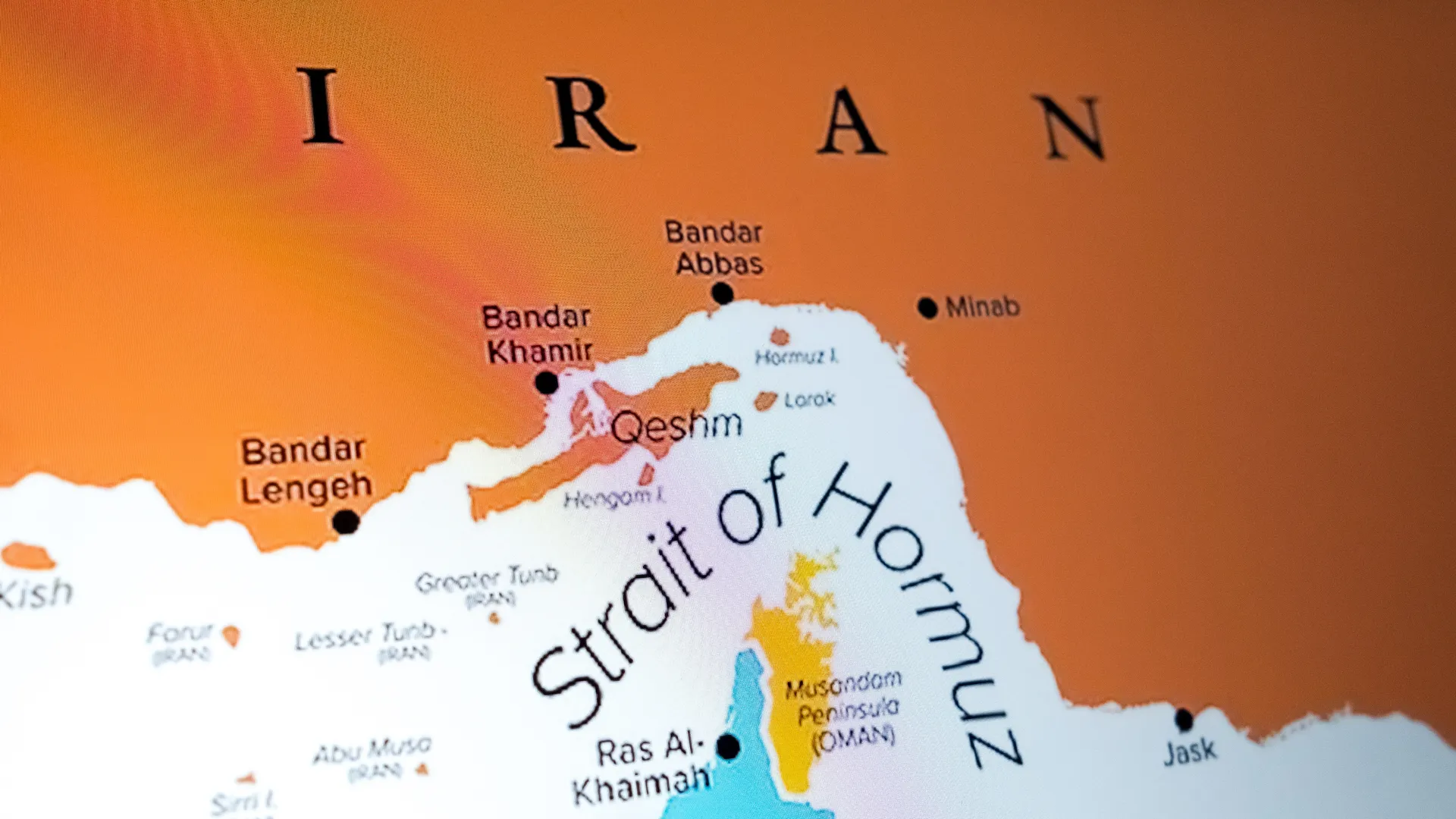
Oil and gas imports expose the country to international price movements. When geopolitical tensions disrupt energy markets, India can face higher import bills, pressure on its currency and increased costs for businesses and consumers.
The World Bank’s April 2026 India Development Update identified the Middle East conflict and disruption to energy supplies as important downside risks to India’s growth outlook. It highlighted energy diversification and prudent economic management as important ways to strengthen resilience.
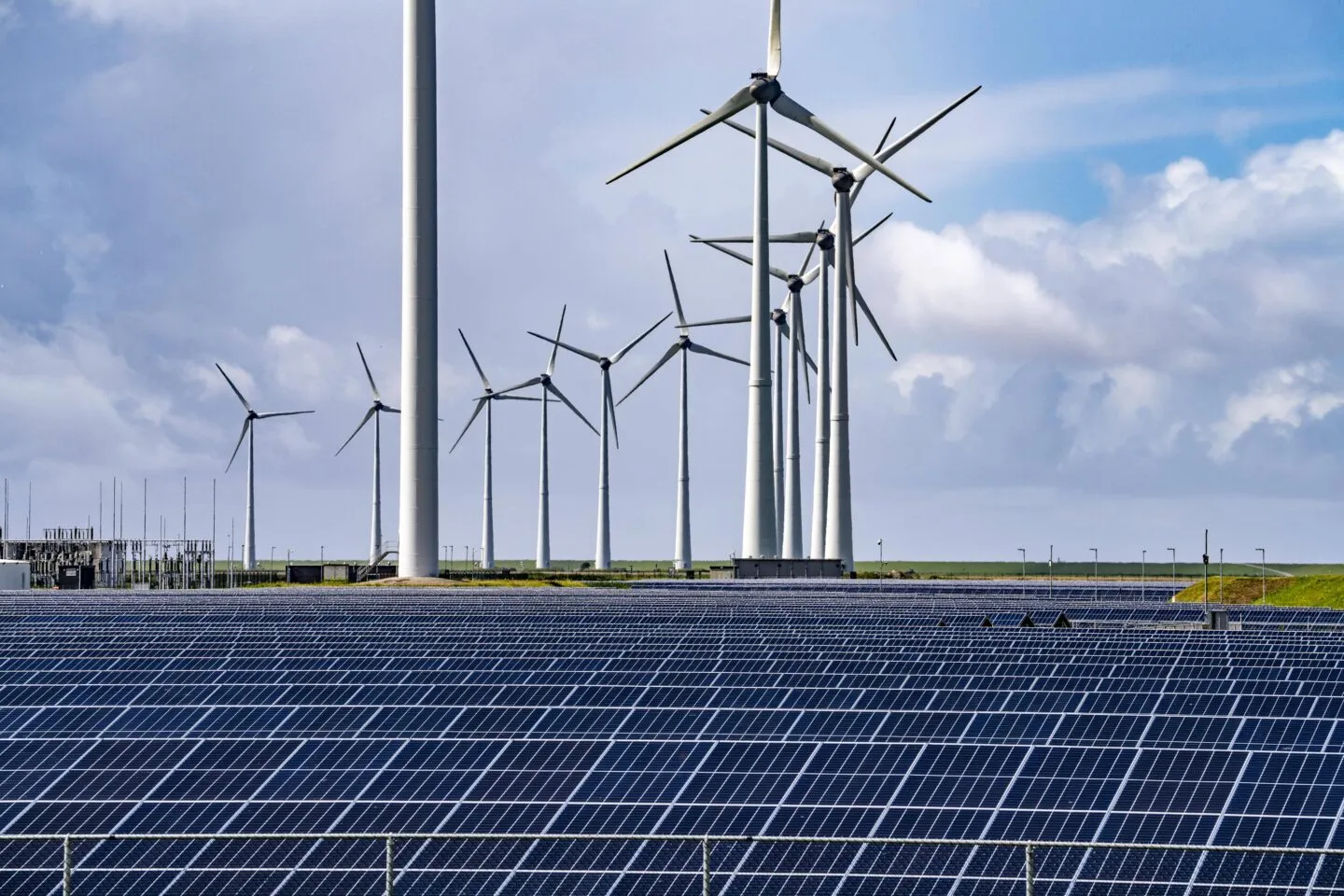
Renewable energy offers a long-term opportunity. Solar and wind power, battery storage, modern electricity networks and improved energy efficiency can help reduce exposure to imported fossil fuels.
However, the transition requires substantial investment. India must expand transmission capacity, improve storage and ensure that electricity remains reliable as renewable energy becomes a larger part of the system.
8. India Is Becoming More Influential in the Global Economy
India’s growing economic importance gives it a stronger voice in international discussions about trade, technology, climate policy and development.
Its large domestic market attracts international companies seeking new customers and production opportunities. Its technology workforce supports global businesses, while its pharmaceutical and manufacturing industries contribute to international supply chains.
India also participates in major international forums, including the G20, BRICS and the Shanghai Cooperation Organisation. These platforms allow it to engage with different economic partners and discuss issues affecting developing and developed countries.
Its position is not without complications. India must balance relationships with countries that have competing geopolitical interests. It also needs to protect its economic interests while managing regional security concerns.
A stronger economy can increase India’s diplomatic influence, but that influence will depend on continued institutional development, economic resilience and the ability to deliver growth at home.
9. What India’s Growth Means for Asian Economic Growth
India’s expansion is an important part of the wider Asian Economic Growth story. Asia includes several major manufacturing, technology and financial centres, and their economies are increasingly connected through trade and investment.
India’s growth can create opportunities for neighbouring countries and regional businesses. Greater demand for energy, raw materials, machinery, technology and consumer products can support trade across the region.
For Pakistan, India and other South Asian economies, the broader regional picture also highlights the importance of transport links, energy cooperation and access to international markets. Political tensions can limit these opportunities, while practical economic cooperation could create benefits for businesses and consumers.
The IMF’s October 2026 outlook projects emerging and developing Asia to grow by 5.1% in 2026, with India projected at 7% on a fiscal-year basis. These figures show the region’s importance to global economic activity, although individual countries face different challenges and growth conditions.
10. What Could Shape India’s Economy in 2027?
Several factors will influence India’s economic performance in 2027.
First, domestic consumption will remain important. Strong household demand can support retail, housing, transport and services, but high inflation could weaken purchasing power.
Second, private investment will matter. Deloitte’s October 2026 India Economic Outlook reported that gross fixed capital formation grew by 11.9% in the first quarter of fiscal year 2026–27, its strongest growth in four years. The report also identified signs of strengthening private investment.
Third, employment and skills will determine how widely the benefits of growth are shared. A growing economy needs workers who can participate in modern manufacturing, digital services and emerging industries.
Finally, energy prices and international trade conditions will remain important risks. A prolonged geopolitical crisis could increase costs, while improved trade conditions and investment confidence could support further expansion.
These are potential drivers, not guaranteed outcomes. India’s future performance will depend on policy decisions, global developments and the ability of businesses to convert investment into productive activity.
Conclusion: Can India Turn Rapid Growth Into Lasting Global Influence?
The India Economy 2026 story reflects a country with significant economic opportunities and complex challenges. Strong domestic demand, technology, manufacturing, infrastructure and international trade provide a foundation for further expansion.
However, economic growth alone cannot solve every problem. India must create productive employment, improve education and skills, manage energy dependence, strengthen institutions and ensure that development reaches a wider share of its population.
Its role in Asian Economic Growth will also depend on how effectively it works with regional and international partners. A more competitive and resilient Indian economy could influence global supply chains, investment decisions and the balance of economic power in the coming years.
The next stage of India’s development will therefore be measured not only by GDP growth, but also by the quality of jobs, the strength of public institutions and improvements in everyday living standards.