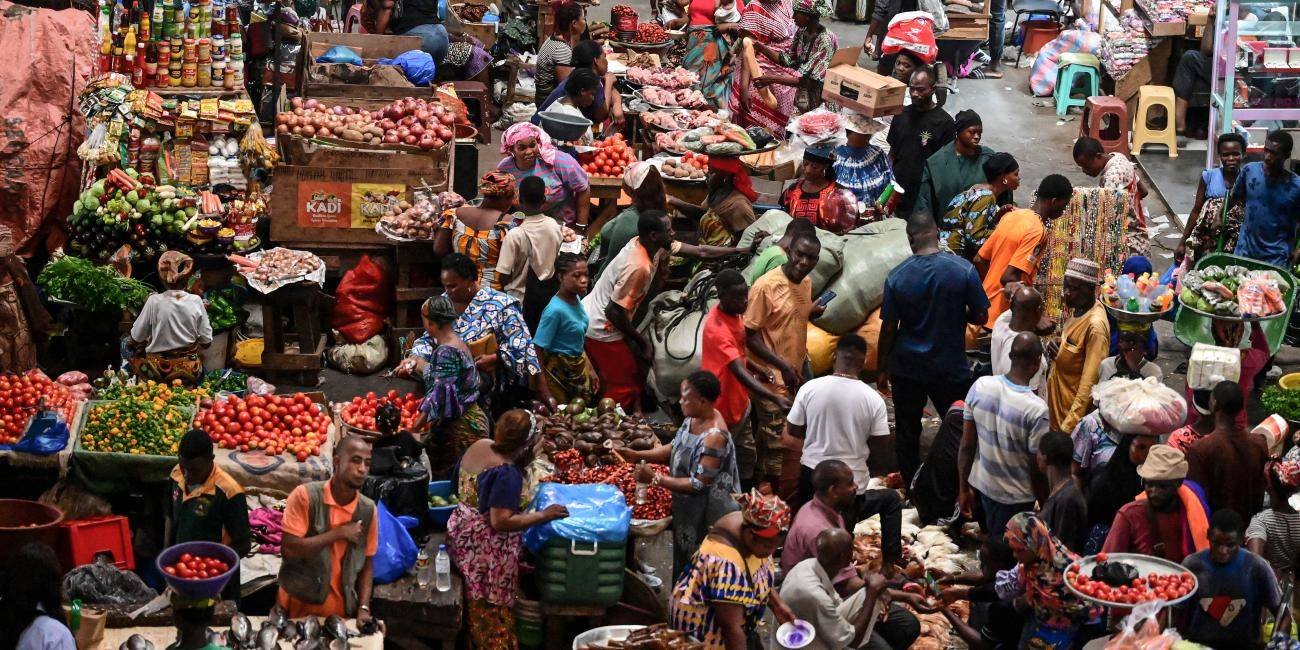
The Global Migration Crisis has become one of the most significant humanitarian, economic and political challenges of 2026. Wars, political instability, poverty, unemployment and climate-related disasters are forcing millions of people to leave their homes in search of safety and better opportunities. At the same time, economic inequality is influencing where people move, which countries they choose and how governments respond.
Migration is not a new phenomenon. People have crossed borders for centuries to find work, reunite with families or escape dangerous conditions. However, the scale and complexity of modern migration have placed increasing pressure on governments, international organisations and humanitarian agencies.
The International Organization for Migration (IOM) estimates that approximately 304 million people were international migrants by mid-2024. Meanwhile, the United Nations High Commissioner for Refugees (UNHCR) reported that 117.8 million people remained forcibly displaced worldwide at the end of 2025. These figures describe different populations: international migrants include people moving for many reasons, while forced displacement refers to people compelled to flee persecution, conflict, violence or serious threats.
The growing International Refugee Crisis raises difficult questions about global responsibility, border policies, humanitarian protection and the future of international cooperation.
1. Global Migration Crisis: Understanding the Numbers
Migration statistics often appear confusing because international migrants, refugees, asylum-seekers and internally displaced people are different categories.
According to UNHCR’s Global Trends 2025 report, the world had approximately 117.8 million forcibly displaced people at the end of 2025. The figure included refugees, asylum-seekers and people displaced within their own countries.
Some important figures illustrate the scale:
- 117.8 million: People forcibly displaced worldwide at the end of 2025.
- 41.6 million: Refugees globally, including Palestine refugees under UNRWA’s mandate.
- 68.7 million: People internally displaced because of conflict or violence.
- 9 million: Asylum-seekers awaiting decisions on their claims.
- 5.4 million: People who fled and sought safety in other countries during 2025.
The numbers show that displacement remains a worldwide challenge, even though the overall total declined compared with the end of 2024. UNHCR attributed much of that reduction to increased returns, including movements involving Afghanistan, Syria and Sudan. However, many people returned to fragile environments where housing, employment, healthcare and security remained uncertain.
Furthermore, most forcibly displaced people do not cross international borders. They remain inside their own countries, often living in temporary shelters or relying on relatives and humanitarian assistance.
2. Wars and Political Conflicts Are Driving Millions from Their Homes
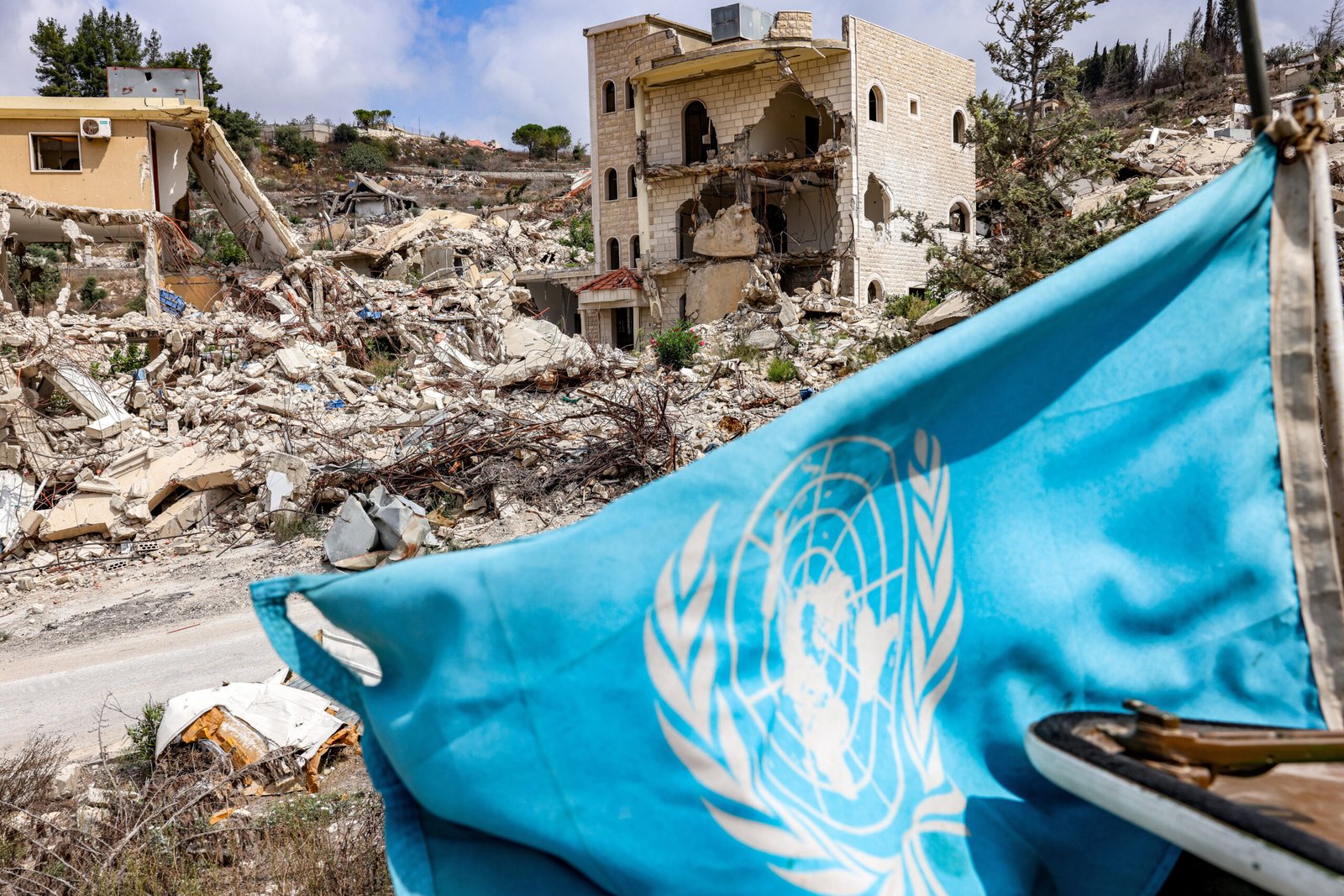
Armed conflict remains one of the strongest drivers of forced migration. When violence destroys homes, schools, hospitals and essential infrastructure, families may have little choice but to seek safety elsewhere.
Several international conflicts demonstrate the scale of the problem.
Sudan: The conflict has created one of the world’s largest displacement emergencies. Violence has forced millions of people from their homes, while neighbouring countries have faced pressure to provide shelter and humanitarian assistance.
Ukraine: Russia’s invasion has displaced millions of Ukrainians, both within the country and across international borders. Many families continue to face uncertainty about returning home.
Syria: Years of conflict have damaged infrastructure, weakened public services and displaced millions. Although some people have returned, reconstruction and economic recovery remain major challenges.
Myanmar: Political instability and violence have contributed to displacement, including the continued vulnerability of Rohingya communities.
Middle East: Conflicts and regional instability continue to create humanitarian risks, particularly for families living in areas affected by violence, damaged infrastructure and restricted access to essential services.
These situations demonstrate that displacement does not end when people cross a border. Refugees often need years of support before they can rebuild their lives.
3. Economic Inequality Is Changing Migration Patterns
War is not the only reason people leave their countries. Economic inequality, unemployment and limited opportunities also influence international migration.
People living in poorer economies may struggle to access quality education, healthcare, stable employment and adequate housing. Meanwhile, wealthier countries can offer higher wages, stronger public services and greater professional opportunities.
The World Bank’s 2026 Poverty, Prosperity and Planet report estimates that approximately 811 million people live in extreme poverty, using the international poverty threshold of $3 per day. It also highlights how inequality and weak job creation continue to limit economic progress.
For many families, migration becomes a way to improve their financial situation.
Common economic reasons include:
- Limited employment opportunities.
- Low wages and rising living costs.
- Poor access to education and professional training.
- Economic instability and currency depreciation.
- Lack of investment in rural communities.
- Unequal access to healthcare and public services.
However, international migration is not equally accessible to everyone. Travel documents, visa requirements, transportation costs and legal procedures can prevent the poorest people from moving abroad. As a result, many migrate within their own countries or move to neighbouring economies instead.
4. The International Refugee Crisis Is Increasing Pressure on Host Countries
Countries that receive large refugee populations face significant responsibilities. They must often provide accommodation, healthcare, education, food assistance and legal protection.
Some countries have hosted displaced communities for many years, placing pressure on local infrastructure and public services.
Türkiye has hosted millions of displaced Syrians and has become an important country in regional migration discussions.
Pakistan has hosted Afghan refugees for decades. Political developments, economic pressures and changing immigration policies have made the situation particularly important for both Afghan communities and Pakistani authorities.
Iran has also hosted large Afghan refugee and migrant populations, reflecting the long-standing movement of people across the region.
Uganda has maintained an open approach to refugees from neighbouring countries, although humanitarian funding and available resources remain major challenges.
Host communities also need support. When schools, hospitals and housing systems are already under pressure, a sudden increase in population can create additional demands.
International assistance should therefore support both refugees and the communities that receive them. Otherwise, humanitarian pressure can deepen existing economic and social difficulties.
5. Dangerous Migration Routes Are Putting Human Lives at Risk
When people cannot access safe and legal migration opportunities, some turn to dangerous routes controlled by smugglers and criminal networks.
The Mediterranean Sea remains one of the most dangerous migration routes. People attempting to reach Europe may travel in overcrowded boats, face severe weather or become stranded at sea.
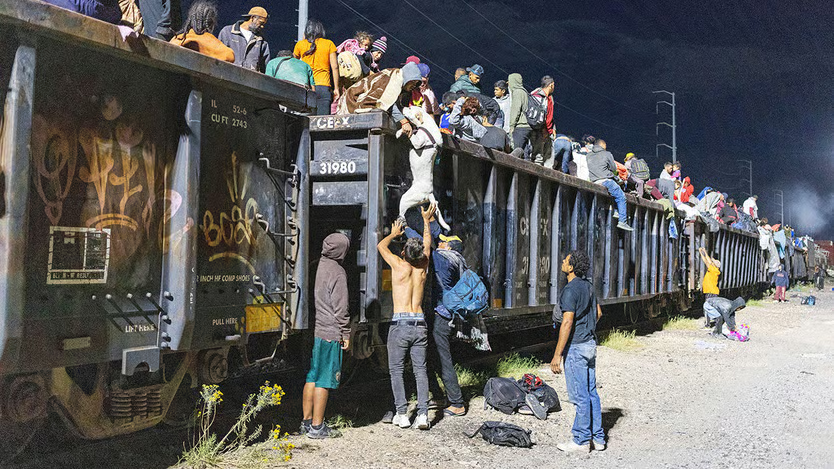
Other dangerous routes include crossings through the Sahara Desert, the Horn of Africa, the Red Sea and parts of Central America.
The human cost is significant. IOM reported that at least 7,667 people died or went missing on migration routes during 2025. The actual number may be higher because some deaths and disappearances are never documented.
These journeys expose vulnerable people to:
- Human trafficking and exploitation.
- Violence and physical abuse.
- Dangerous sea and desert crossings.
- Extortion by criminal networks.
- Detention and unsafe living conditions.
- Family separation and disappearance.
Children and women can face particularly serious protection risks. Governments and international agencies need stronger search-and-rescue operations, anti-trafficking measures and accessible legal pathways to reduce preventable deaths.
6. Climate Change Is Becoming Another Migration Driver
Climate change is adding new pressure to communities already facing poverty and instability.
Floods, droughts, rising temperatures, storms and coastal erosion can destroy homes, reduce agricultural production and threaten livelihoods. When families lose their land or income, they may move to nearby cities or other regions.
Farmers can be especially vulnerable. A prolonged drought may reduce crop yields, while repeated floods can destroy homes, roads and agricultural infrastructure.
However, climate-related movement is not always international migration. Many people relocate within their own countries, and environmental factors often interact with economic, political and security pressures.
For example, a family affected by drought may remain in its village if it receives financial assistance and access to water. Another family facing the same conditions may move because local employment has disappeared.
This is why climate adaptation, disaster preparedness and rural investment are important parts of migration policy.
7. How Migration Affects the Global Economy
Migration can create both economic opportunities and policy challenges.
Workers moving to countries with labour shortages can support industries such as healthcare, construction, agriculture, manufacturing and technology. Migrants also contribute through taxes, consumer spending and entrepreneurship.
Remittances are particularly important for developing economies. Money sent home by migrant workers can help families pay for education, healthcare, housing and small businesses.
The World Migration Report 2026 highlights the importance of migration for development, labour markets and international financial flows.
However, migration can also create difficulties when governments fail to plan for population changes. Rapid arrivals may increase demand for housing, public transport, education and healthcare. Countries of origin may also lose skilled workers when large numbers of trained professionals leave.
The challenge is not simply to increase or reduce migration. Governments need policies that protect workers, prevent exploitation and help migration contribute to sustainable development.
8. Why Governments Are Tightening Immigration Policies
Migration has become a major political issue in many countries. Governments face pressure to manage borders, control irregular arrivals and address public concerns about housing, employment and security.
Some countries have introduced stricter visa requirements, expanded border enforcement or changed asylum procedures. Others have developed agreements with transit countries to manage migration flows.
However, border enforcement alone cannot resolve the causes of displacement.
When wars continue, economies collapse or communities face persecution, people may continue to seek safety regardless of restrictions. Closing one route can also push migrants towards longer and more dangerous journeys.
A balanced approach requires governments to protect their borders while respecting international refugee law and human rights obligations.
It also requires cooperation between countries of origin, transit and destination.
9. What Can the International Community Do?
The Global Migration Crisis requires more than emergency assistance. International organisations and governments must address both immediate humanitarian needs and the deeper conditions that force people to move.
Several priorities deserve attention.
Prevent and resolve conflicts: Diplomatic negotiations, peacebuilding and international cooperation can reduce displacement at its source.
Expand legal migration pathways: Safe and organised routes can reduce dependence on smugglers and dangerous journeys.
Support host countries: International funding should help strengthen schools, hospitals, housing and employment opportunities in communities receiving refugees.
Invest in developing economies: Better education, job creation and infrastructure can reduce economic pressures that encourage people to leave.
Improve climate resilience: Investment in water management, disaster preparedness and sustainable agriculture can help vulnerable communities remain safely in their homes.
Protect migrant workers: Fair recruitment, labour rights and access to legal support can reduce exploitation.
The international community must also ensure that humanitarian funding reaches people who need it. UNHCR’s Global Report 2025 highlighted a major funding shortfall, with available resources falling significantly despite continuing protection needs.
Conclusion: The Future of Global Migration Depends on Global Cooperation
The Global Migration Crisis is not simply a border-management problem. It reflects deeper challenges involving war, economic inequality, climate pressures, political instability and unequal access to opportunities.
The International Refugee Crisis demonstrates how quickly conflict can change the lives of millions of families. At the same time, economic migration shows that people also move because they want employment, education and a more secure future.
Governments cannot solve these challenges through restrictions alone. They need coordinated policies that protect vulnerable people, create safe migration opportunities and address the economic and political conditions driving displacement.
Ultimately, the future of migration will depend on whether countries can build a world where people have genuine opportunities to live safely and earn a decent livelihood without being forced to abandon their homes.