The Strait of Hormuz has become one of the most closely watched shipping routes in the world as conflict in the Middle East threatens international energy supplies. Although this narrow passage lies between Iran and Oman, its importance extends far beyond the region. It connects major oil-producing countries with international markets, making it essential to the Global Oil Supply.
The waterway handles a significant share of internationally traded petroleum. Consequently, military tensions, attacks on vessels, shipping restrictions or a prolonged closure can affect oil prices, fuel costs, transportation, manufacturing and household expenses across multiple continents.
The situation has become particularly serious in 2026. The International Energy Agency (IEA) reports that tanker movements through the Strait have fallen close to a standstill during the current Middle East conflict. At the same time, recent reports of damaged vessels and maritime dangers have raised further concerns about commercial shipping.
Why does this small passage have such enormous economic importance? And what could happen if ships cannot safely use it?
1. Where Is the Strait of Hormuz?
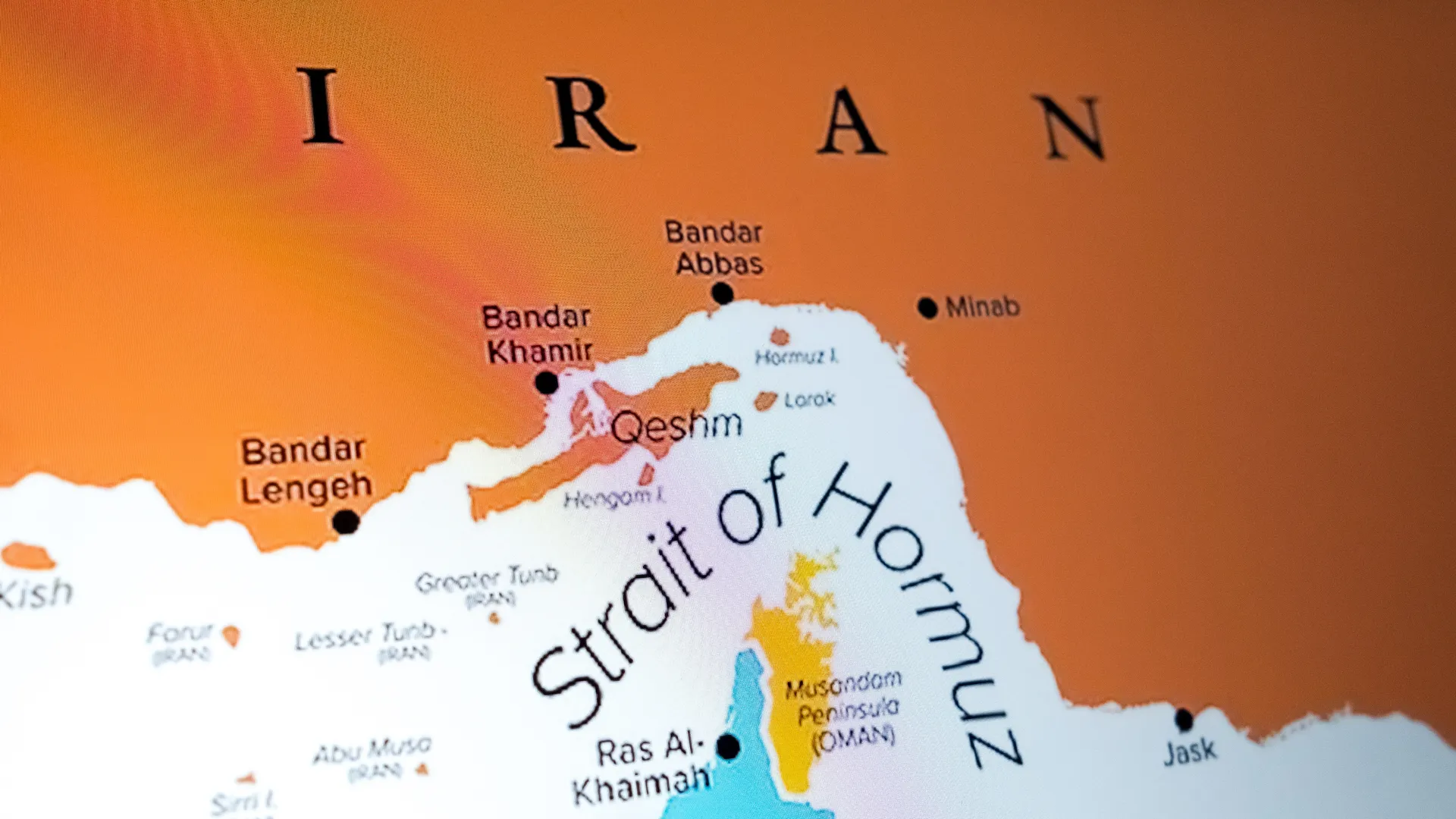
The Strait of Hormuz connects the Persian Gulf with the Gulf of Oman and the Arabian Sea. It separates Iran from the northern coast of Oman and provides the main maritime exit for several major energy-producing countries.
At its narrowest point, the Strait measures approximately 21 nautical miles, or 39 kilometres, across. However, the navigable shipping channels are considerably narrower, leaving commercial vessels operating within a limited maritime corridor.
This geography makes the waterway strategically sensitive. Large oil tankers carrying millions of barrels must pass through designated navigation channels to reach international destinations.
The countries whose energy exports depend heavily on this route include:
- Iran
- Saudi Arabia
- Iraq
- Kuwait
- Qatar
- Bahrain
- United Arab Emirates
Although Saudi Arabia and the UAE have some alternative pipeline infrastructure, most other Gulf producers have limited options for exporting their energy without using the Strait.
According to the IEA’s February 2026 factsheet, approximately 20 million barrels of crude oil and petroleum products passed through the waterway daily during 2025. That represented around one-quarter of global seaborne oil trade.
2. Why the Strait of Hormuz Is Essential to Global Oil Supply
The importance of the Strait comes from the enormous volume of energy transported through it.
Oil-producing countries in the Persian Gulf supply refineries, power stations, transport networks and industrial facilities across the world. When tankers cannot move freely, buyers face uncertainty about whether enough fuel will reach their markets.
The IEA estimates that approximately 80% of the oil and petroleum products transported through the Strait in 2025 were destined for Asian markets.
China, India, Japan and South Korea are among the major destinations. These economies require substantial energy supplies to operate factories, generate electricity, transport goods and support millions of businesses.
However, the consequences do not stop in Asia. Oil is traded internationally, and prices respond to expectations about future availability. A disruption in the Middle East can therefore influence fuel markets even in countries that receive relatively little oil directly through Hormuz.
In other words, the Strait is not just an export route for Gulf producers. It is a critical connection within the international energy system.
3. The 2026 Crisis: Why Shipping Traffic Is Under Pressure
The current crisis has developed alongside the wider military confrontation in the Middle East.
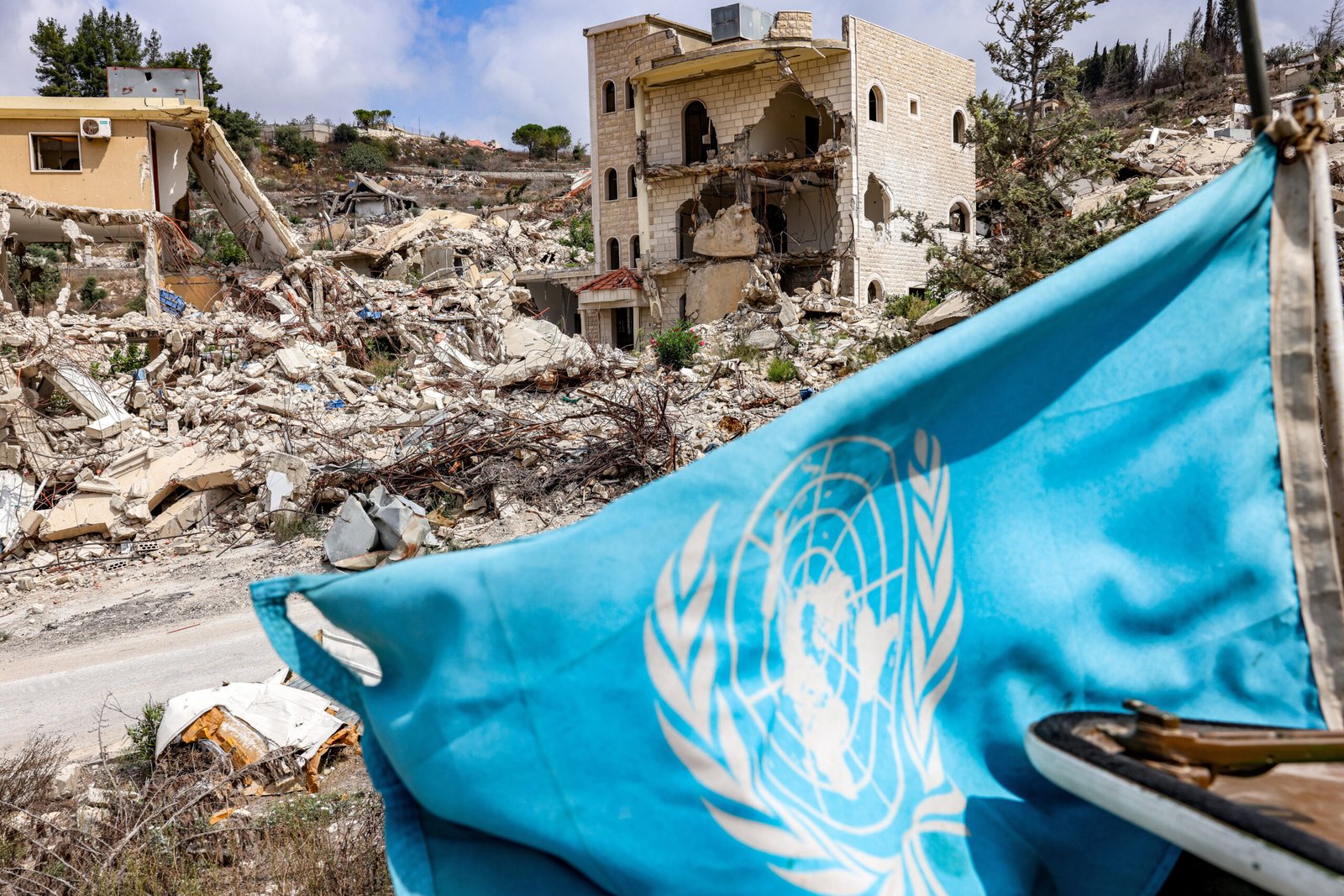
The conflict has increased the risks facing commercial vessels, shipping companies and maritime crews. Attacks, security restrictions and fears of mines have made the passage increasingly dangerous.
In its 2026 report, Sheltering From Oil Shocks, the IEA describes the disruption as the largest supply interruption in the history of the global oil market. It reports that oil flows through the Strait have fallen from approximately 20 million barrels per day before the conflict to near-standstill levels.
The report also explains that Gulf producers have reduced oil production by at least 10 million barrels per day as export routes and storage capacity have come under pressure.
A further warning emerged on November 14, when Reuters reported that Iran’s navy claimed three oil tankers had caught fire after hitting naval mines in the Strait. Iranian state media provided details of the incidents, but Reuters said it could not immediately verify the reports.
These claims should be treated carefully. Nevertheless, the reports demonstrate the serious security concerns surrounding commercial shipping.
For shipping companies, even uncertainty can be expensive. Operators must consider crew safety, insurance availability, vessel routes, cargo schedules and the possibility of further attacks.
4. How a Hormuz Crisis Can Increase Global Oil Prices
Oil prices depend on supply, demand, inventories, production capacity and expectations about future market conditions.
When a major shipping route becomes unsafe, traders worry that fewer barrels will reach international buyers. Even before a complete physical shortage develops, those concerns can push prices higher.
Several factors influence the market:
Reduced oil exports: Gulf producers may struggle to deliver their usual volumes to international customers.
Higher transportation costs: Shipping companies may demand additional payments to cover dangerous routes and longer journeys.
Rising insurance premiums: Insurers may charge more to protect vessels operating in high-risk waters or limit the availability of cover.
Market uncertainty: Traders may increase prices when they expect supply disruptions to continue.
Limited replacement capacity: Other producers cannot necessarily increase output quickly enough to replace missing Gulf exports.
The IEA estimates that alternative pipelines through Saudi Arabia and the UAE could redirect approximately 3.5 million to 5.5 million barrels of crude oil per day. However, this capacity is far below the approximately 20 million barrels of oil and petroleum products that normally passed through the Strait during 2025.
Therefore, alternative routes can reduce some pressure, but they cannot fully replace the waterway.
5. Why Asian Economies Face Significant Risks
Asia is particularly exposed because most oil passing through the Strait is delivered to Asian markets.
China and India are major destinations for Gulf crude. Japan and South Korea also depend on energy imports to support their industrial economies.
A prolonged disruption could create several challenges:
- Higher costs for imported crude oil and refined fuels.
- Increased expenses for electricity generation and manufacturing.
- More expensive transport and international logistics.
- Pressure on national currencies and trade balances.
- Higher inflation for households and businesses.
Japan and South Korea face additional concerns because their domestic energy resources are limited and their industries require reliable imported supplies.
China, meanwhile, must consider the impact on manufacturing, transportation, petrochemicals and broader economic activity.
Although individual countries have strategic reserves and alternative suppliers, replacing large volumes of disrupted energy exports is not an immediate process.
6. The Impact on Europe and the United States
Europe and the United States have different levels of direct dependence on oil passing through Hormuz, but neither economy is completely protected.
Europe imports energy from several regions and has developed alternative supply arrangements. Nevertheless, international oil prices influence fuel costs throughout the continent.
Higher crude prices can increase expenses for airlines, shipping companies, manufacturers and transport operators. Businesses may eventually pass some of these additional costs to consumers.
The United States produces substantial quantities of domestic oil, which provides an important buffer. However, domestic production does not completely isolate American consumers from international oil prices.
Oil is traded in connected global markets. As a result, disruptions in one region can influence prices elsewhere, even when local production remains strong.
Natural gas creates another concern. The IEA estimates that approximately 19% of global liquefied natural gas (LNG) trade passed through the Strait in 2025. Qatar and the UAE depend heavily on this route for their LNG exports.
A prolonged disruption could therefore affect both oil and gas markets.
7. Why Pakistan Could Feel the Economic Impact
Pakistan is particularly vulnerable to international energy price increases because it imports a substantial share of the petroleum and energy resources needed by its economy.
A prolonged Hormuz disruption could create pressure through several channels.
Petrol and diesel prices: Higher international oil prices can increase the cost of imported petroleum products and crude oil.
Electricity generation: Fuel costs can affect electricity production, especially where power generation depends on imported energy resources.
Transportation: Higher diesel and petrol costs can increase the expenses of buses, trucks, agricultural machinery and delivery services.
Food prices: Transportation, fertilizer production and agricultural operations all depend on energy. Rising costs can therefore spread into food markets.
Foreign exchange pressure: A more expensive energy import bill can increase demand for foreign currency and place additional pressure on Pakistan’s external accounts.
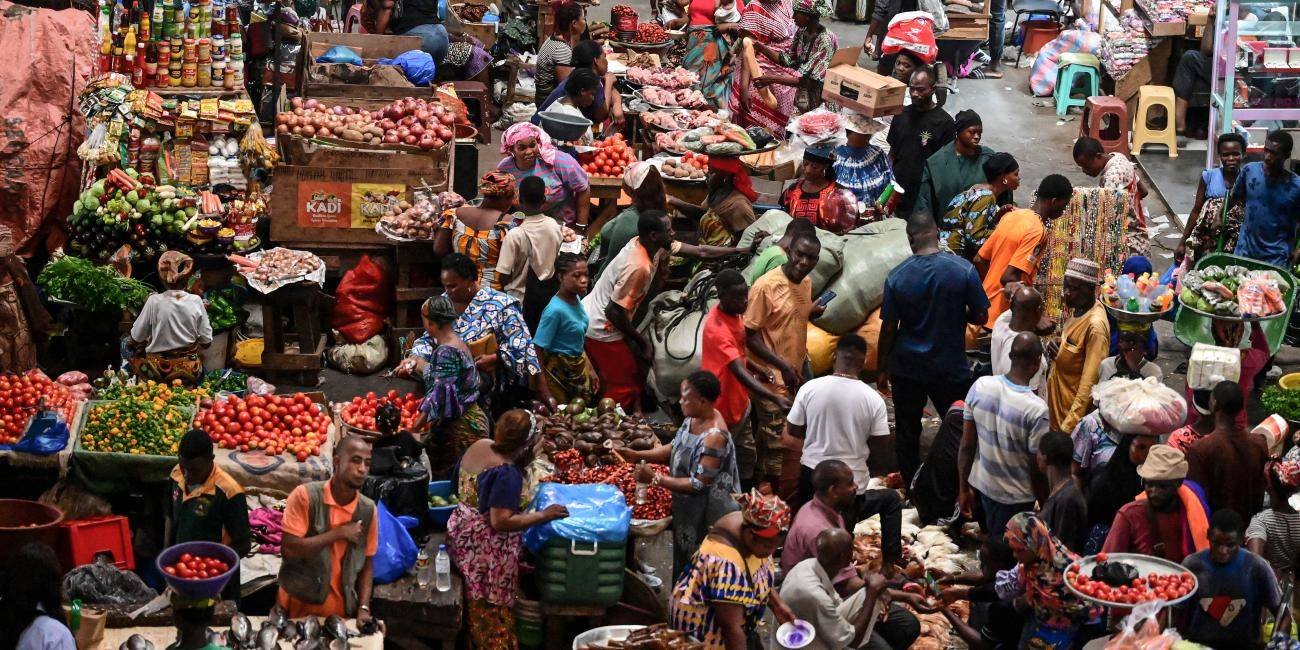
For households, the effects may appear through higher transport fares, electricity costs and the prices of everyday products.
Pakistan’s exposure does not mean that every disruption will automatically produce the same price increase. Government policies, currency movements, existing inventories, supplier arrangements and international oil prices all influence the final impact.
Nevertheless, a prolonged crisis would create another difficult challenge for an economy that must carefully manage its import costs.
8. Can Ships Use Alternative Routes?
Alternative routes exist, but they cannot completely replace the Strait.
Saudi Arabia operates its East-West Pipeline, which transports crude oil towards the Red Sea. The UAE also operates the Abu Dhabi Crude Oil Pipeline, connecting inland oil facilities with the export terminal at Fujairah.
These systems allow some oil to reach international markets without passing through Hormuz.
However, their combined available capacity is estimated at approximately 3.5 million to 5.5 million barrels per day. That is significantly lower than normal oil and petroleum product shipments through the Strait.
Furthermore, pipeline infrastructure cannot solve every problem. Countries such as Kuwait, Qatar, Iraq and Bahrain have limited alternatives for exporting their energy at normal volumes.
The challenge is even greater for LNG. The IEA identifies no alternative export routes capable of replacing the LNG volumes from Qatar and the UAE that normally travel through the Strait.
Consequently, pipelines and alternative ports can help, but they cannot eliminate the consequences of a major maritime disruption.
9. Shipping Insurance, Fertilizers and Global Trade
The crisis affects more than oil tankers.
Commercial shipping depends on insurance, predictable routes, affordable fuel and reliable port operations. When a maritime corridor becomes dangerous, companies face higher operating costs and delays.
A written response by Singapore’s Ministry of Transport on August 4, 2026, reported that industry estimates for war-risk cover on Hormuz transits had risen to between 3.5% and 7.5% of a vessel’s hull and machinery value per transit, compared with approximately 0.10% to 0.25% before the conflict.
The same response reported that container freight rates on the Asia–North Europe route had increased by around 120% compared with pre-conflict levels.
Another important issue is fertilizer. UN Trade and Development (UNCTAD) reported in March 2026 that approximately one-third of global seaborne fertilizer trade, equivalent to around 16 million tonnes, passes through the Strait.
This creates a connection between maritime security and food production. Fertilizer shortages or higher transport costs can affect farmers, agricultural output and food prices, particularly in developing economies.
The crisis can therefore spread from energy markets into agriculture, manufacturing and international commerce.
10. What Could Happen Next?
The future of the Strait depends heavily on regional security, diplomatic negotiations and the ability of commercial vessels to resume safe passage.
Three broad scenarios illustrate the possible consequences.
Scenario One: Shipping gradually resumes
If security conditions improve and vessels regain confidence in using the route, oil exports could recover. This would reduce pressure on energy markets, although damaged infrastructure and disrupted supply chains could take time to repair.
Scenario Two: Restrictions and uncertainty continue
If vessels face ongoing security risks, shipping companies may operate cautiously or avoid the route. Higher insurance costs, delays and reduced exports could continue affecting energy prices and international trade.
Scenario Three: The disruption becomes more severe
A prolonged or wider escalation could further restrict oil and LNG exports. Alternative pipelines and emergency reserves might soften the impact, but they could not fully replace normal shipments.
These are possible outcomes rather than predictions. The actual direction of the crisis will depend on developments on the ground and decisions made by regional and international governments.
Conclusion: Why the World Cannot Ignore the Strait of Hormuz
The Strait of Hormuz demonstrates how a narrow maritime passage can influence the economic stability of countries thousands of kilometres away.
Its importance comes from the concentration of oil and LNG exports moving through a limited shipping corridor. When that route becomes unsafe, the consequences can spread into international fuel markets, shipping insurance, industrial production, agriculture and household budgets.
The current 2026 crisis has highlighted the world’s dependence on a small number of strategic energy routes. It has also exposed the limitations of alternative pipelines, emergency reserves and other short-term solutions.
For countries such as Pakistan, India, China, Japan and South Korea, the situation is especially important because energy security is closely connected to economic stability.
Ultimately, restoring safe and predictable maritime traffic is not simply a regional concern. It is an issue with worldwide consequences for energy security, international trade and the cost of living.