The United Nations 2026 faces one of the most difficult periods in its history. Wars, military tensions, territorial disputes and growing competition between major powers are putting international diplomacy under pressure. From the Russia-Ukraine war to instability in the Middle East and conflicts across Africa, governments are struggling to find lasting political solutions.
The United Nations (UN) was established after the Second World War to prevent another global catastrophe and promote cooperation between nations. However, the world has changed significantly since 1945. New military technologies, cyberwarfare, economic competition and shifting international alliances have created security challenges that traditional diplomatic institutions were not designed to handle.
The question facing world leaders is whether the United Nations can strengthen its role before regional conflicts develop into wider international confrontations. The future of Global Peace and Security may depend on how effectively the organisation responds to these challenges.
Why the United Nations Matters More Than Ever in 2026
The United Nations remains the world’s most widely represented international organisation, providing a platform where countries can discuss disagreements, negotiate agreements and coordinate responses to international crises.
Its work extends beyond preventing wars. The organisation also supports humanitarian assistance, refugee protection, development, international law, nuclear disarmament and peacebuilding.
The UN Security Council has primary responsibility for maintaining international peace and security. It can impose sanctions, authorise peacekeeping operations and approve certain international measures to address threats to peace.
Meanwhile, the General Assembly gives all 193 UN member states an opportunity to participate in international discussions.
This structure is important because smaller countries can raise concerns and participate in diplomatic processes even when they lack the military or economic influence of major powers.
However, having a diplomatic platform does not guarantee that governments will agree or follow its decisions.
The Growing Number of Global Conflicts Is Testing International Diplomacy
The international security environment has become increasingly complicated.
In its July 2026 review of UN peace operations, the Secretary-General reported that the world was experiencing the largest number of conflicts since 1945. The report also stated that interstate conflicts doubled between 2024 and 2025.
The document identified several interconnected problems:
- Greater military competition between countries.
- Conflicts involving multiple international actors.
- Longer-running civil wars and internal instability.
- External involvement that can prolong fighting.
- Increasing pressure on humanitarian and peacebuilding operations.
These developments make diplomatic intervention more difficult.
A conflict may begin as a disagreement between two countries but gradually involve neighbouring states, international alliances and non-state armed groups.
For this reason, the United Nations must focus not only on negotiating peace after violence begins but also on identifying warning signs before tensions become military confrontations.
The Russia-Ukraine War and the Limits of UN Diplomacy
The Russia-Ukraine war remains one of the most important tests of the international security system.
Russia’s invasion of Ukraine in February 2022 created a major challenge for the UN Charter, which establishes principles concerning territorial integrity and the prohibition of the use of force against other states.
The Security Council has struggled to take decisive action because Russia is a permanent member and possesses veto power.
This situation demonstrates one of the organisation’s structural limitations. A permanent member involved in a conflict can prevent certain Security Council decisions from being adopted.
Nevertheless, the United Nations continues to play an important role through humanitarian assistance, diplomatic discussions, international monitoring and support for accountability mechanisms.
The conflict also highlights the importance of negotiations that address sovereignty, security guarantees, territorial questions and international law.
A lasting settlement will require political engagement between the parties and support from relevant international actors. The UN can facilitate diplomacy, but it cannot independently impose a sustainable political agreement on unwilling governments.
Middle East Conflicts Are Increasing Pressure on International Institutions
The Middle East remains another major challenge for international diplomacy.
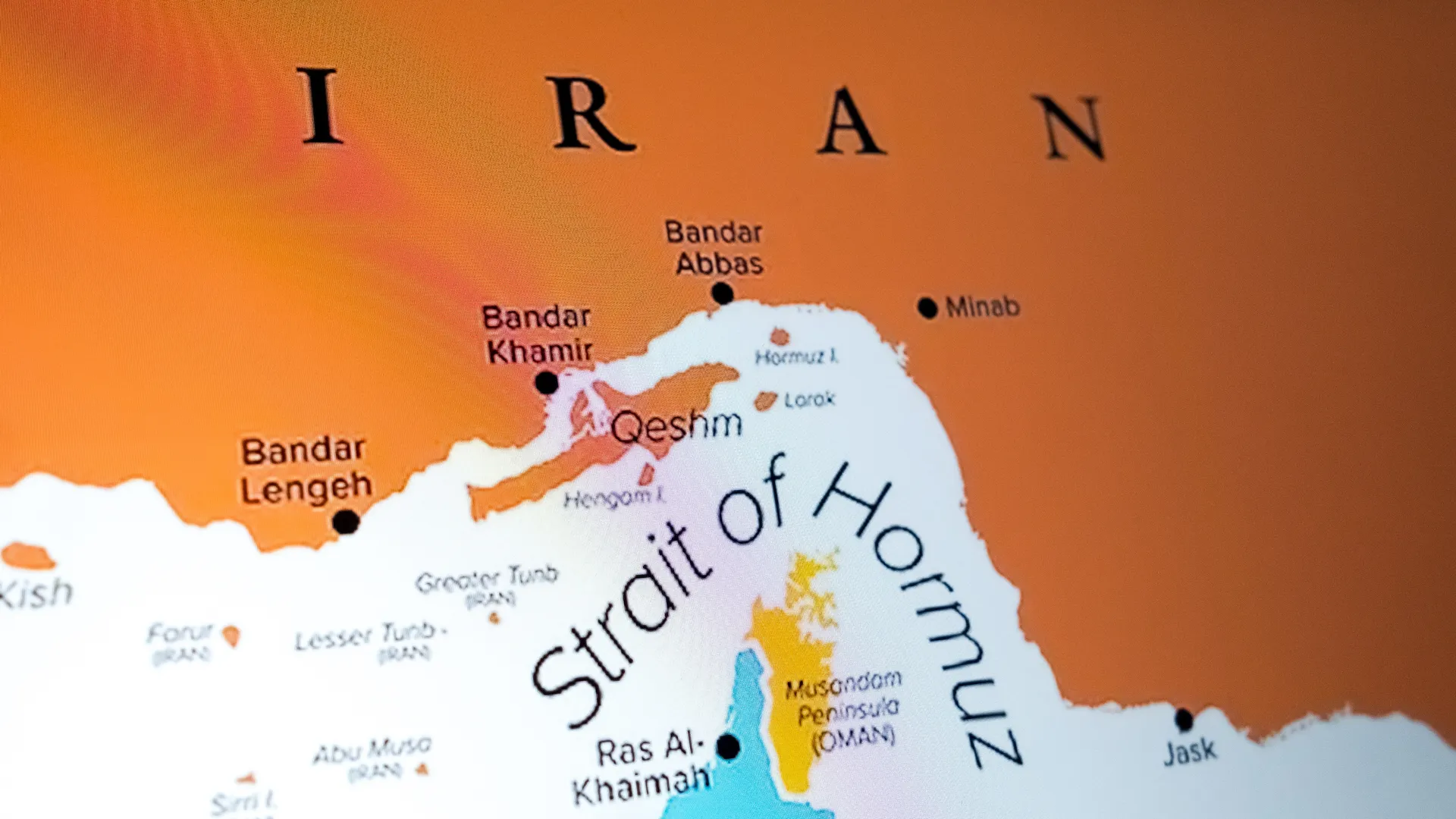
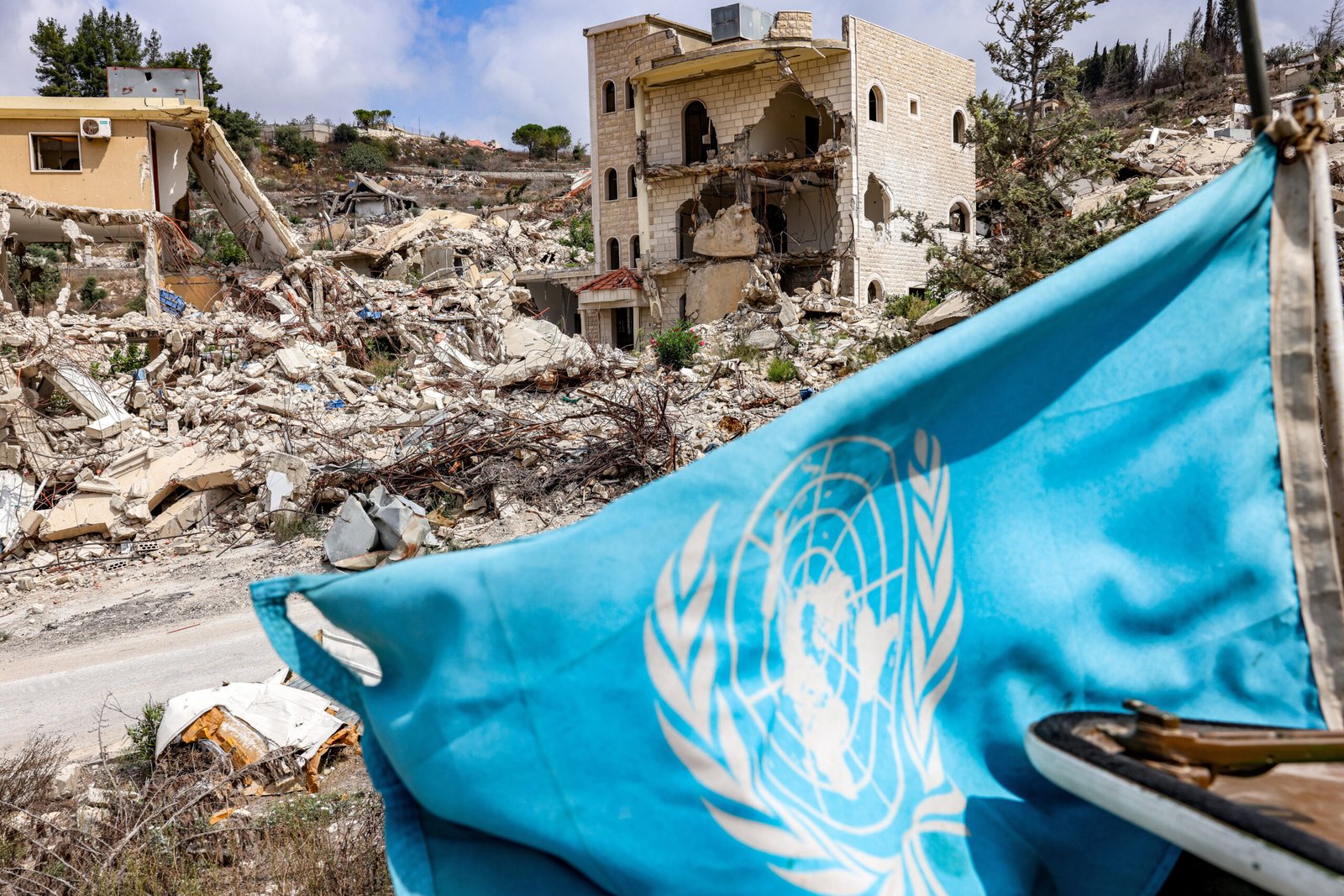
The Israel-Palestine conflict, tensions involving Iran, instability in Lebanon and threats to important maritime routes have created serious regional and international concerns.
These developments affect more than the countries directly involved. They can disrupt oil supplies, international shipping, food markets and global investment.
The United Nations has several instruments for responding to these crises, including humanitarian agencies, special envoys, diplomatic negotiations and Security Council resolutions.
However, disagreements between powerful countries can prevent coordinated action.
The organisation must also balance competing diplomatic priorities, including civilian protection, humanitarian access, state sovereignty and compliance with international law.
The credibility of the international system depends partly on whether its rules are applied consistently, regardless of the political or military influence of the countries involved.
UN Security Council Reform: Why the Current System Faces Pressure
One of the biggest debates surrounding the future of the United Nations concerns reform of the Security Council.
The Council has 15 members, including five permanent members:
- United States
- United Kingdom
- France
- Russia
- China
These five countries possess veto power, allowing any one of them to block a substantive resolution even when most other members support it.
The arrangement reflects the international power structure that emerged after the Second World War. However, critics argue that it does not adequately represent today’s political and economic realities.
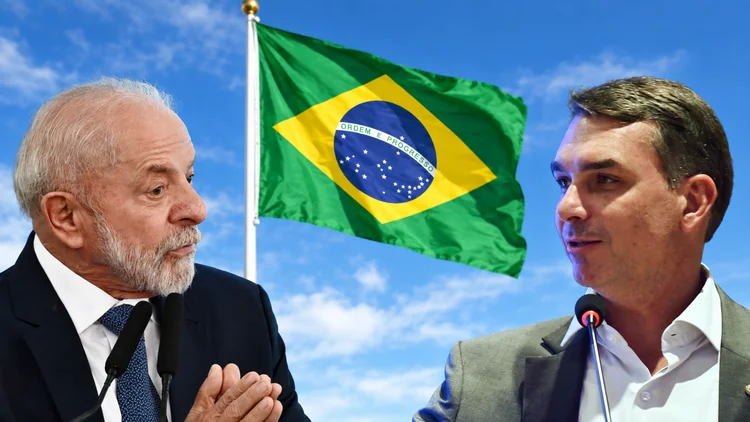
In September 2026, foreign ministers from Brazil, Germany, India and Japan renewed their call for Security Council reform. The G4 countries argued that the Council needs greater representation, including from Africa, Asia-Pacific and Latin America and the Caribbean.
Their proposal reflects a wider debate about whether an institution created in 1945 can effectively address the challenges of a much more complex international system.
Reform remains difficult because changes to the UN Charter require approval through a demanding process, including ratification by all five permanent Security Council members.
Nevertheless, the debate is important because international institutions need legitimacy and broad participation to maintain confidence among member states.
Can UN Peacekeeping Operations Prevent Future Wars?
Peacekeeping is one of the most recognised activities of the United Nations.
UN peacekeepers can help monitor ceasefires, protect civilians under their mandates, support political transitions and create conditions for humanitarian assistance.
However, modern conflicts are often more complex than traditional peacekeeping operations were designed to manage.
Some involve multiple armed groups, foreign military involvement, organised crime, terrorism and competition over natural resources.
In July 2026, the UN Secretary-General submitted a major review of the future of all forms of UN peace operations. The review was presented to the General Assembly in August and included 47 recommendations and commitments across eight areas.
The proposals emphasised:
Preventive diplomacy: Addressing political disputes before they become violent.
Flexible peace operations: Designing missions around the specific conditions of each conflict.
National ownership: Ensuring that local governments and communities have a meaningful role in political solutions.
Regional cooperation: Working more closely with organisations such as the African Union and other regional institutions.
Accountability: Improving the efficiency, transparency and effectiveness of international missions.
The review suggests that peacekeeping must evolve alongside the changing nature of warfare.
Artificial Intelligence and Cyberwarfare Are Creating New Security Risks
International security is no longer limited to traditional military confrontations.
Artificial intelligence, cyberattacks, autonomous systems and digital infrastructure are creating new challenges for governments and international institutions.
Cyber operations can target electricity networks, financial institutions, communications systems and government databases.
Artificial intelligence can also influence military decision-making, intelligence analysis and the speed at which countries respond to potential threats.
These developments create a risk of escalation when governments misinterpret digital activity or receive inaccurate information during an international crisis.
An article published by the Global Observatory on November 13, 2026, highlighted the opportunity for the next UN Secretary-General to prioritise preventive diplomacy around military AI risks.
The analysis proposed stronger communication channels between major powers, voluntary protocols for managing AI-related security incidents and diplomatic exercises to reduce the danger of misunderstandings.
The next Secretary-General is scheduled to take office in January 2027, making technological security an important issue for the organisation’s next leadership.
International cooperation will be essential because cyber threats and advanced military technologies do not respect national borders.
The Role of Regional Organisations in Preventing Wars
The United Nations cannot manage every international security challenge independently.
Regional organisations have an important role because they often understand local political conditions, historical disputes and security concerns more directly.
Examples include:
- African
- Union in African peace and security matters.
- European Union in European diplomatic and security cooperation.
- ASEAN in Southeast Asian regional dialogue.
- Arab League in discussions involving Arab countries.
- Organization of American States in political cooperation across the Americas.
Regional organisations can support mediation, encourage negotiations and help implement peace agreements.
The UN can strengthen these efforts by coordinating international support, providing technical assistance and connecting regional initiatives with broader diplomatic frameworks.
The July 2026 UN peace-operations review specifically emphasised stronger partnerships between the United Nations and regional organisations.
This cooperation could become increasingly important as international conflicts involve more countries and non-state actors.
What Needs to Change for the United Nations to Remain Effective?
Preventing future wars requires more than diplomatic meetings and international declarations.
The United Nations needs practical improvements in several areas.
1. Stronger preventive diplomacy
The organisation should identify warning signs of conflict earlier and support mediation before military confrontations begin.
2. Security Council reform
Greater representation and improved decision-making procedures could strengthen the Council’s legitimacy and effectiveness.
3. Consistent application of international law
The credibility of international institutions depends on whether governments are held to common legal standards.
4. Better humanitarian coordination
Protecting civilians, ensuring access to food and medicine, and supporting displaced populations should remain central priorities during conflicts.
5. Technology and cybersecurity cooperation
Governments need diplomatic channels and international frameworks to address cyberwarfare, autonomous weapons and AI-related military risks.
6. Stronger regional partnerships
Working with regional organisations can improve conflict prevention and make peacebuilding more responsive to local conditions.
These changes would not eliminate international disagreements, but they could improve the ability of governments to manage disputes without resorting to military force.
Conclusion: Can Global Diplomacy Prevent Future Wars?
The United Nations remains an essential institution for international cooperation, but its ability to prevent future wars depends on the willingness of member states to work together.
The conflicts of recent years have exposed serious weaknesses in international diplomacy, particularly when major powers disagree or use their influence to block collective action.
Nevertheless, the UN continues to provide important channels for negotiations, humanitarian assistance, peacekeeping and international cooperation.
The organisation’s future will depend on whether it can adapt to a changing world. Security Council reform, preventive diplomacy, stronger regional partnerships and international cooperation on emerging technologies will all shape its effectiveness.
The United Nations cannot guarantee a world without war. However, stronger diplomatic institutions can create opportunities to prevent escalation, protect civilians and resolve disputes peacefully.
In 2026, the challenge is not simply to preserve the international system created after the Second World War. It is to make that system more effective, representative and prepared for the conflicts of the future.