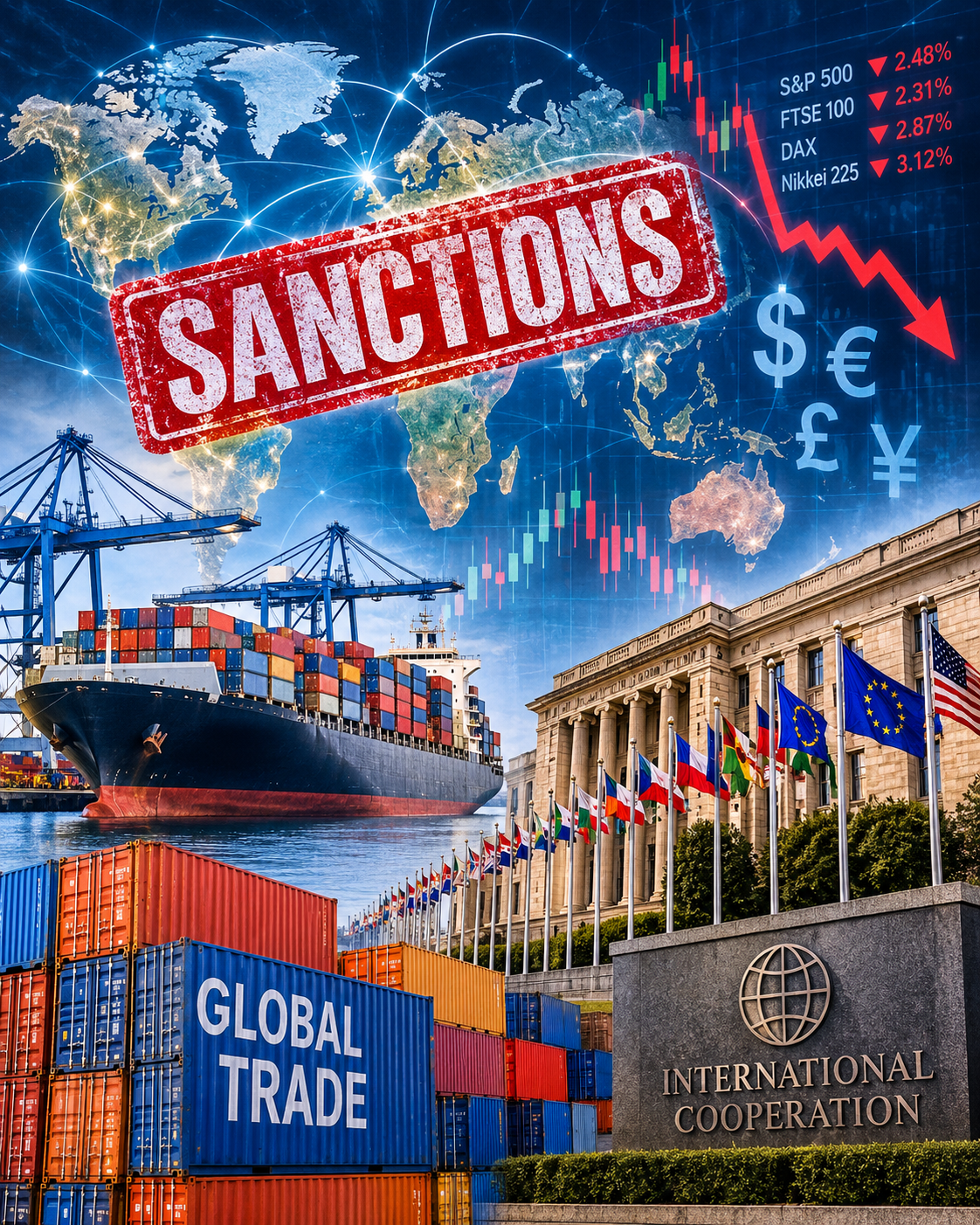
The Global Supply Chain is undergoing a major transformation as geopolitical conflicts change how companies manufacture products, transport goods and serve customers across international markets. From shipping disruptions in the Middle East to trade restrictions between major economies, businesses face growing uncertainty over the movement of raw materials, energy, food, electronics and finished products.
A conflict thousands of kilometres away can delay factory production, increase freight charges and push up prices for consumers. These developments also increase International Business Risks, forcing companies to rethink where they purchase materials, how they transport products and which countries they depend on.
In 2026, international trade has demonstrated considerable resilience, but recent developments show that resilience does not mean the world economy is protected from geopolitical shocks.
Why Geopolitical Conflicts Threaten Global Supply Chains
Modern businesses depend on international networks. A smartphone, automobile or household appliance may contain components manufactured in several countries before final assembly takes place.
This interconnected system helps companies reduce production costs and reach international customers. However, it also creates vulnerabilities when conflict affects an important supplier, transport route or trading relationship.
Geopolitical tensions can disrupt supply chains through several channels:
- Military conflicts that threaten ports, roads, airports and shipping routes.
- Trade restrictions, tariffs and economic sanctions.
- Export controls on sensitive technology and strategic materials.
- Cyberattacks targeting logistics systems and industrial infrastructure.
- Higher energy prices that increase manufacturing and transportation costs.
- Political instability that makes international contracts and investments less predictable.
The result can be delayed deliveries, shortages, higher operating expenses and reduced business confidence.
Middle East Conflict: Shipping Disruptions Affect International Trade
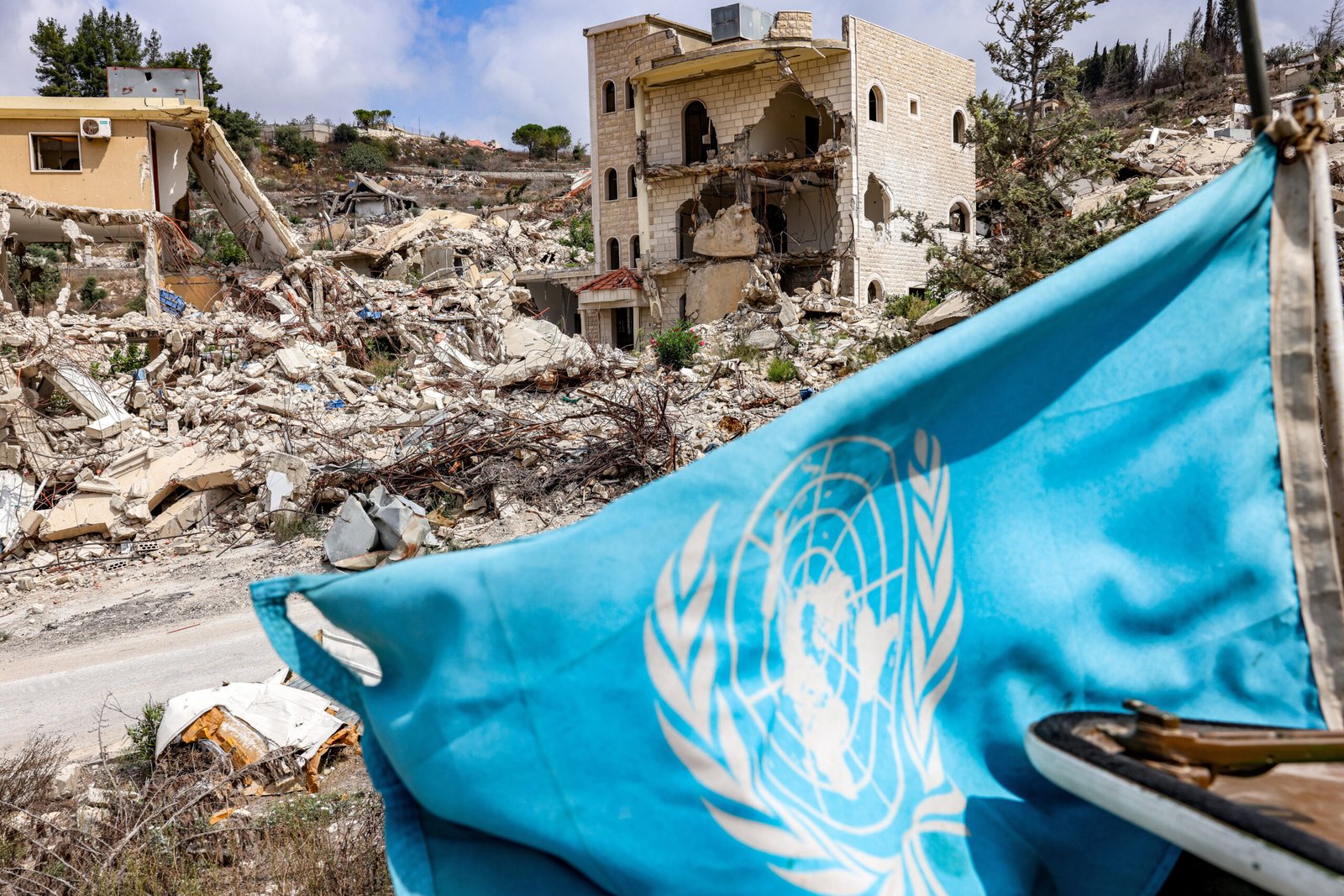
The Middle East remains one of the most important examples of how geopolitical conflict can affect global commerce.
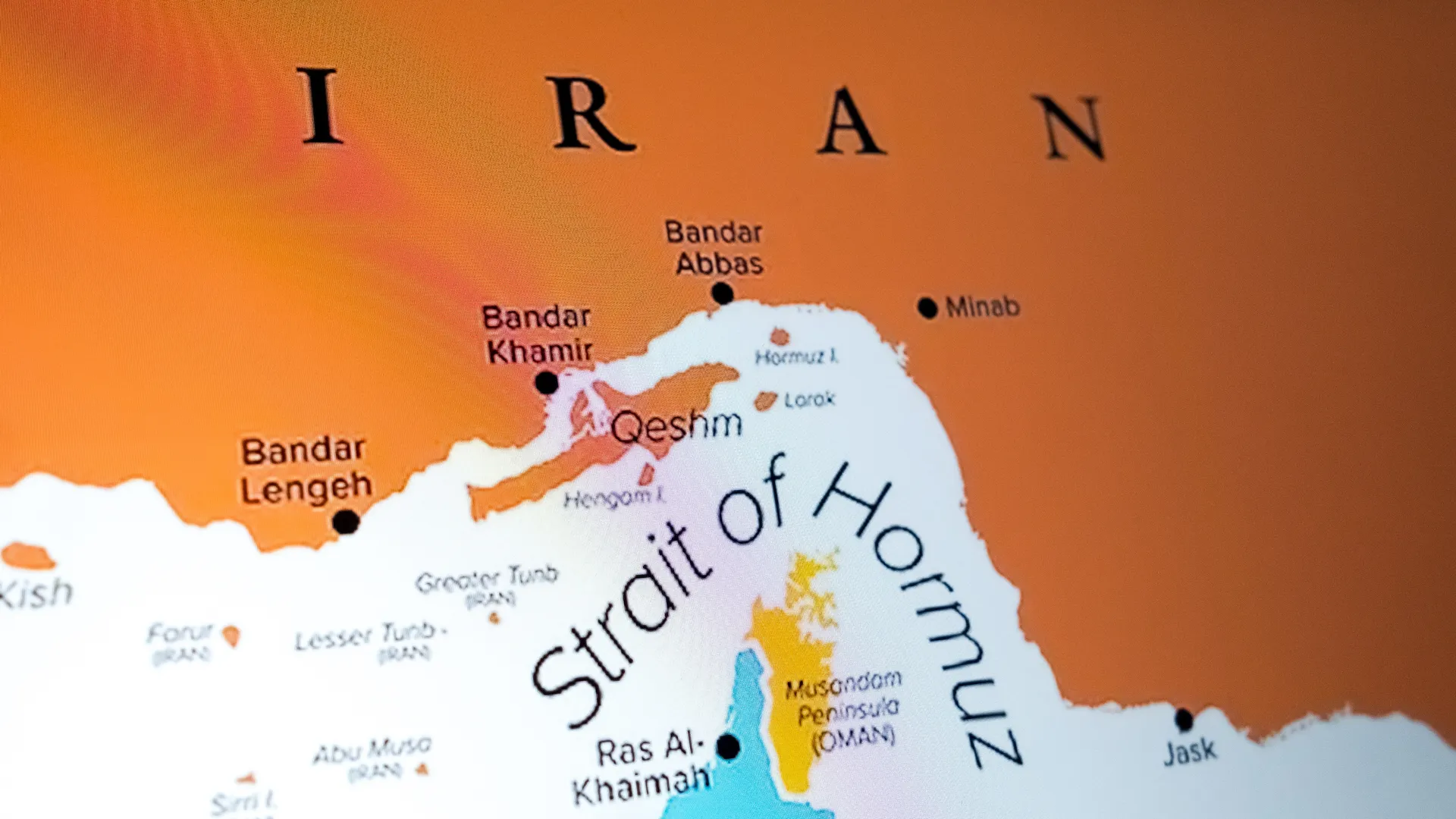
The Strait of Hormuz is a critical route for international energy supplies. Disruption in this narrow waterway can affect oil, liquefied natural gas, shipping insurance and fuel prices.
The effects extend beyond energy companies. Manufacturers, airlines, transport operators, chemical producers and agricultural businesses can all face higher costs when fuel and shipping become more expensive.
Another important development involves the Red Sea shipping corridor.
On November 15, 2026, Reuters reported that forces aligned with Yemen’s internationally recognised government had withdrawn from an area overlooking the strategic Bab el-Mandeb Strait, leaving Iran-aligned Houthi forces in control of the territory. The development increases pressure on a major maritime route connecting Asian and European markets through the Suez Canal.
The Strait of Hormuz and Bab el-Mandeb disruptions illustrate how conflict in one region can create wider problems for international shipping. Companies may need to reroute vessels, accept longer delivery times and pay higher insurance premiums.
Russia-Ukraine War: Energy, Food and Industrial Supply Risks
The Russia-Ukraine war has demonstrated how conflict can affect essential commodities and international manufacturing.
Both countries have important roles in global agricultural and industrial markets. Disruptions to Black Sea shipping, energy exports and trade relationships have affected international buyers and suppliers.
The consequences can include:
Food prices: Reduced availability or more expensive transportation of agricultural products can increase costs for import-dependent countries.
Fertilizer supplies: Natural gas is an important input in fertilizer production. Energy-market disruptions can therefore influence agricultural costs.
Industrial materials: Restrictions and changing trade relationships can force manufacturers to find alternative suppliers.
Energy markets: Changes in oil and gas supply can affect electricity generation, transportation and industrial production.
Businesses that depend on imported grain, fertilizer, metals or energy must consider these risks when planning purchases and setting prices.
US-China Trade Tensions and the Technology Supply Chain
The economic relationship between the United States and China remains central to international manufacturing.
China plays a major role in global production networks, while American companies and technology firms remain important in software, advanced chips, industrial equipment and research.
Trade tensions, tariffs, investment restrictions and export controls can affect businesses operating across both markets.
Semiconductors are particularly important. Modern vehicles, smartphones, medical equipment, artificial intelligence systems and industrial machinery depend on advanced electronic components.
When governments restrict access to certain technologies or materials, companies may need to redesign products, change suppliers or relocate parts of their production.
However, completely separating international supply chains is difficult. Many industries depend on specialised factories, technical expertise and materials that cannot be replaced quickly.
This is why companies increasingly examine both the commercial and geopolitical risks of their international partnerships.
The Economic Cost of Supply Chain Disruptions
Supply chain disruptions affect businesses through several interconnected expenses.
1. Higher Transportation and Insurance Costs
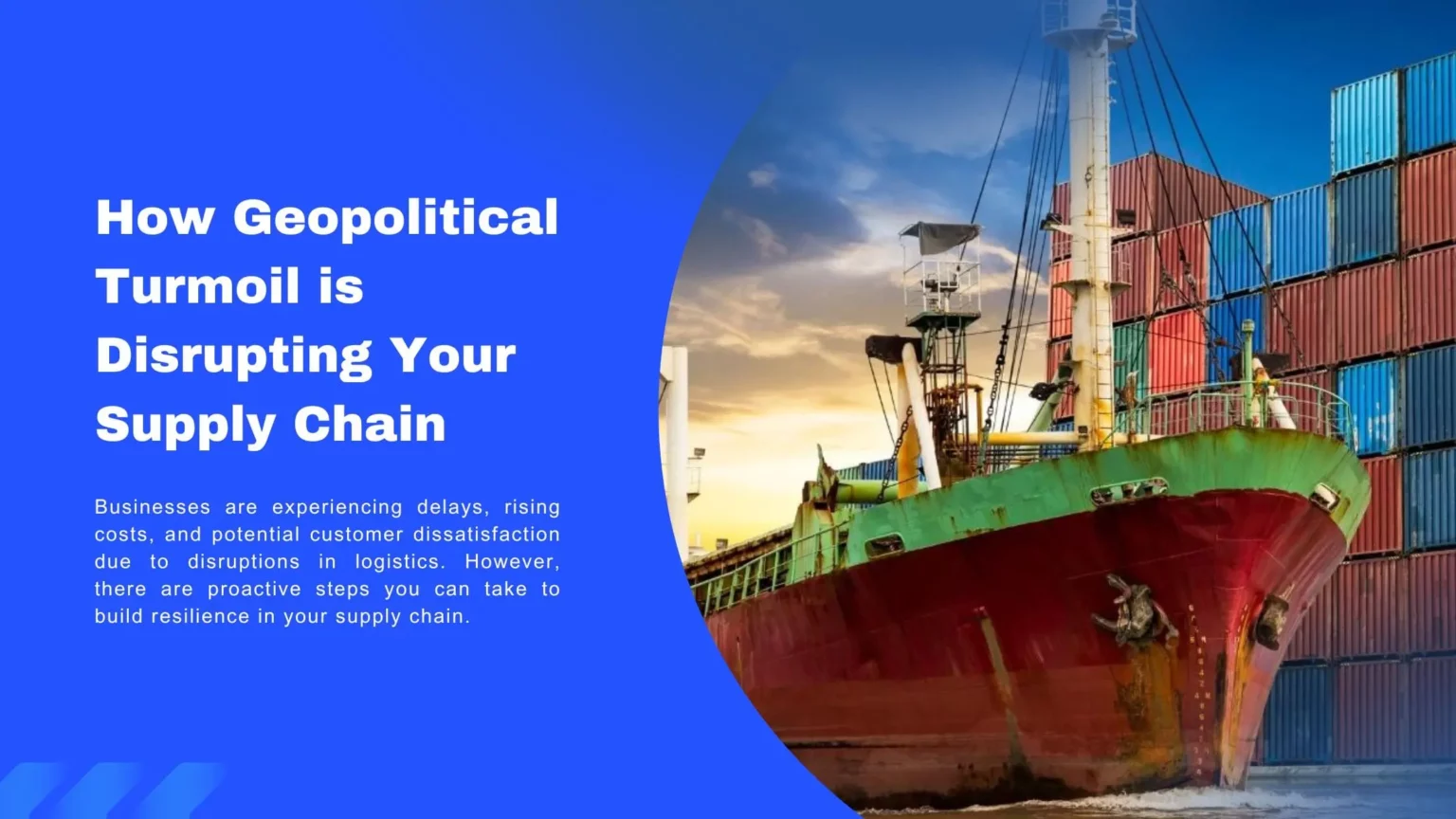
When conflict threatens important shipping routes, shipping companies may avoid dangerous areas and choose longer alternative journeys.
Longer routes consume more fuel and require additional time. Insurance providers may also increase premiums for vessels entering high-risk areas.
These expenses eventually affect importers, manufacturers and customers.
2. Production Delays and Factory Shutdowns
A factory cannot operate normally if it lacks essential components.
For example, an automobile manufacturer may have sufficient workers and machinery but still be unable to complete vehicles because a specific electronic component has not arrived.
Even a relatively inexpensive missing part can interrupt an entire production process.
3. Inflation and Higher Consumer Prices
Companies facing higher energy, transportation and raw-material costs may increase product prices to protect their profit margins.
This creates additional inflationary pressure, particularly in countries that depend heavily on imported fuel, food and industrial materials.
4. Reduced Investment and Business Confidence
Uncertainty makes long-term business planning more difficult.
Companies may delay factory construction, postpone expansion plans or avoid markets where political and regulatory conditions remain unpredictable.
Developing economies can face additional pressure when higher import bills combine with currency depreciation and expensive international borrowing.
Why Companies Are Moving Beyond the Cheapest Supplier
For many years, international businesses focused heavily on reducing production costs. Companies often selected suppliers based on price, delivery speed and manufacturing capacity.
Today, geopolitical uncertainty has encouraged a broader approach.
Businesses increasingly consider the reliability of suppliers, political relationships, transport alternatives and the possibility of sudden trade restrictions.
A November 12, 2026, McKinsey Global Institute report estimated that around 25% of $19 trillion in global imports face significant vulnerabilities involving product criticality, supplier concentration and geopolitical distance.
The research also highlights that approximately 80% of maritime trade passes through geographic chokepoints.
This illustrates why businesses cannot rely entirely on low-cost sourcing. They must also understand where their most important materials come from and what could interrupt their delivery.
How International Businesses Are Building Supply Chain Resilience
Companies are adopting several strategies to reduce exposure to geopolitical disruptions.
Diversifying suppliers: Businesses are developing relationships with suppliers in different countries instead of depending on one major source.
Nearshoring: Some manufacturers are moving production closer to their main customer markets to reduce transportation exposure and delivery uncertainty.
Friendshoring: Companies are exploring suppliers in countries with stronger political and economic relationships.
Strategic inventories: Businesses are maintaining additional stocks of critical materials and components to manage temporary shortages.
Digital supply chain monitoring: Advanced software, artificial intelligence and real-time tracking help companies identify delivery delays, supplier problems and changing transportation conditions.
Alternative transport routes: Companies are preparing backup shipping and logistics arrangements in case important maritime corridors become unavailable.
However, resilience comes with costs. Maintaining additional suppliers, inventories and production facilities can increase expenses. Businesses must balance efficiency with the ability to continue operating during unexpected disruptions.
What Supply Chain Disruptions Mean for Pakistan and Developing Economies
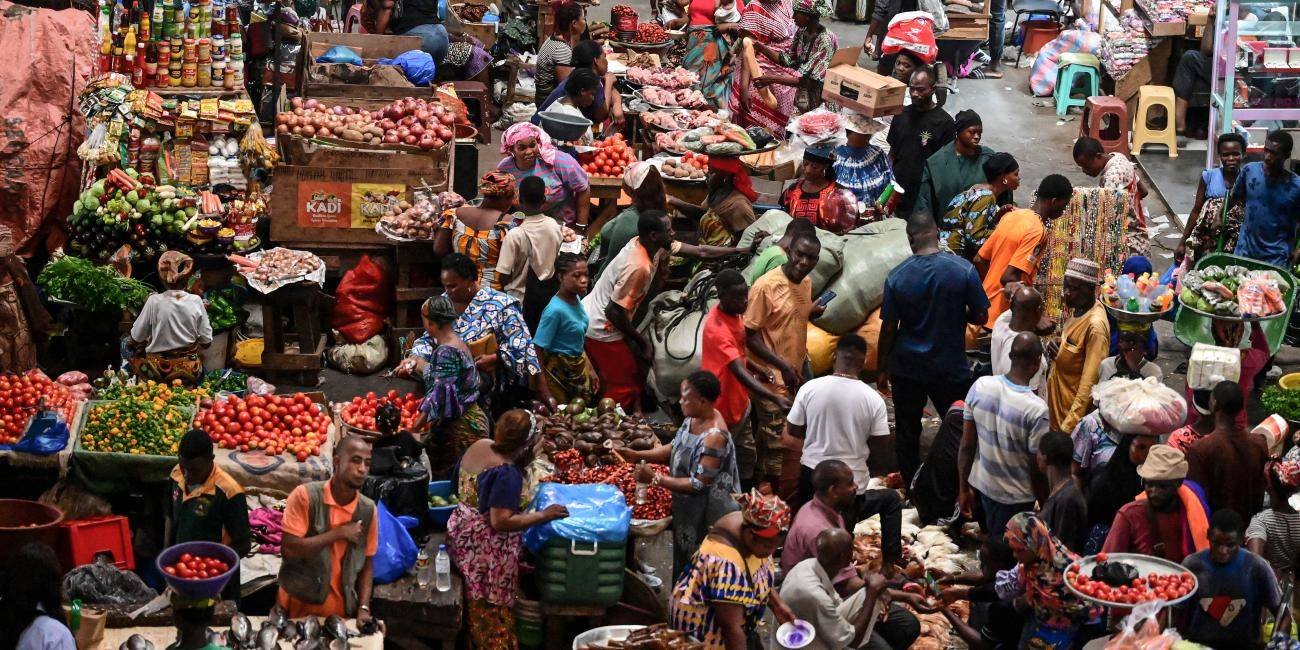
Developing economies are particularly exposed when international conflicts increase the cost of essential imports.
Pakistan, for example, depends on imported petroleum products, energy resources, machinery, industrial inputs and several agricultural supplies.
Higher international oil prices can increase transportation and electricity costs. Disruptions to shipping routes can also affect import schedules and freight expenses.
For Pakistani manufacturers, importers and exporters, these developments can create pressure on production costs, working capital and delivery commitments.
Small and medium-sized businesses may face additional difficulties because they often have less financial flexibility than multinational corporations.
However, there are also opportunities. Businesses that strengthen regional sourcing, improve inventory management, diversify export markets and adopt digital logistics systems may become more competitive.
Governments can support resilience by improving port efficiency, transport infrastructure, trade facilitation and access to foreign exchange.
Will Globalisation End or Simply Change?
Geopolitical conflicts have encouraged governments and companies to reconsider their dependence on international trade networks. However, this does not necessarily mean that globalisation is ending.
International trade has continued to grow despite major disruptions.
The World Trade Organization’s October 8, 2026, outlook raised its forecast for global merchandise trade volume growth to 3.9% for 2026, compared with its earlier March forecast of 1.9%.
The WTO explained that supply chains adapted to disruptions in energy and fertilizer markets, while strong demand for artificial-intelligence-related goods supported trade growth.
Its findings show that businesses and trading partners can adjust when disruptions occur, although the benefits are not shared equally across regions and industries.
The future may involve more diversified production networks, stronger regional trade relationships and greater investment in logistics technology.
Instead of abandoning global trade, many companies are trying to make international operations more flexible and less dependent on individual suppliers or routes.
Conclusion: Supply Chain Security Is Now a Business Priority
Geopolitical conflicts have demonstrated that international business success depends on more than competitive prices and efficient manufacturing. Companies must also understand political developments, transport vulnerabilities, trade restrictions and the reliability of their suppliers.
The Global Supply Chain will continue to evolve as businesses respond to conflicts, economic competition and technological change.
For multinational corporations, building resilience means diversifying suppliers, monitoring risks and preparing alternative transport arrangements. For developing economies such as Pakistan, it means strengthening trade infrastructure and reducing excessive dependence on vulnerable imports.
International trade remains essential to global economic growth. However, businesses that understand and manage International Business Risks will be better prepared to operate in an increasingly uncertain world.