International trade plays an essential role in connecting economies, creating employment opportunities, supporting businesses, and providing consumers with products from around the world. Countries depend on one another for raw materials, technology, energy, agricultural products, and manufactured goods. However, the global trading environment is changing as governments introduce new tariffs, strengthen domestic industries, and reconsider their economic relationships.
In 2026, International Trade 2026 has become an important subject for governments, businesses, investors, and consumers. Geopolitical tensions, economic uncertainty, technological developments, and changing trade regulations are reshaping international markets.
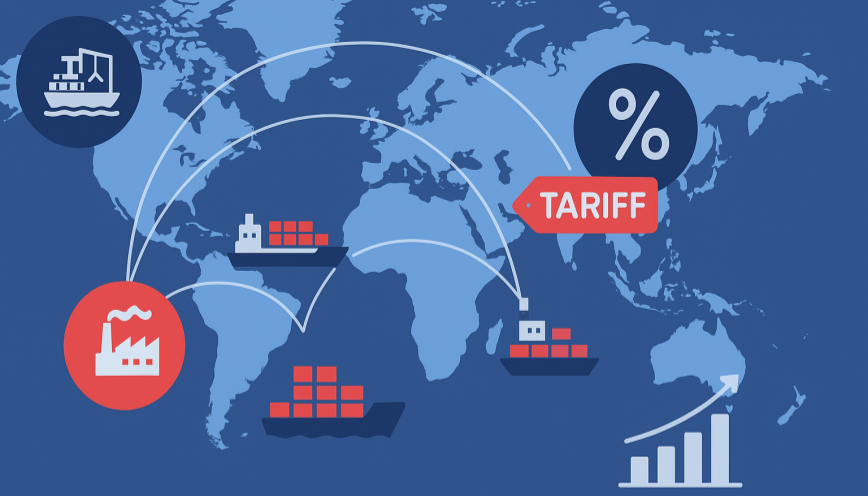
One of the biggest challenges is the growing use of Global Tariff Policies. Governments increasingly use tariffs and other trade restrictions to protect domestic industries, address strategic concerns, and influence international economic relationships.
According to the World Trade Organization (WTO), the global trading system faces significant disruption, while its October 2026 trade outlook examines changing trade patterns across goods, services, and regions.
These developments raise important questions about the future of globalization. Will countries continue supporting open international markets, or will protectionism become a more prominent part of global economic policy?
Understanding these changes is essential for businesses, policymakers, and ordinary consumers.
1. What Is International Trade and Why Does It Matter?
International trade refers to the exchange of goods and services between countries. It allows nations to purchase products they cannot efficiently produce domestically and sell products in which they have competitive advantages.
For example, one country may export agricultural products, while another specializes in manufacturing electronics, automobiles, or industrial machinery.
International trade creates several economic benefits:
- Economic growth: Exports generate revenue and support national industries.
- Employment opportunities: International businesses create jobs in manufacturing, transportation, logistics, and services.
- Consumer choices: People gain access to products from different countries.
- Business expansion: Companies can reach customers beyond their domestic markets.
- Technology transfer: International cooperation helps businesses access modern technologies and expertise.
However, international trade also creates competition. Domestic manufacturers may struggle when foreign companies offer cheaper or more advanced products.
This is one reason governments sometimes introduce tariffs and other protective measures.
2. Why Are Global Tariff Policies Changing in 2026?
Tariffs are taxes imposed on imported goods. Governments use them for several reasons, including generating revenue, protecting domestic businesses, and influencing international trade relationships.
In recent years, trade policy has increasingly become connected to national security, industrial development, and geopolitical competition.
Global Tariff Policies are changing because governments want greater control over important industries and supply chains.
Some major reasons include:
Protecting domestic industries: Governments may introduce tariffs to give local manufacturers more opportunities to compete against foreign companies.
Reducing import dependence: Countries may seek to produce essential goods domestically rather than relying heavily on overseas suppliers.
Addressing trade imbalances: Some governments use tariffs as part of broader efforts to influence imports and exports.
National security: Restrictions may target products considered strategically important, including semiconductors, advanced technology, and critical materials.
Geopolitical competition: Trade measures can become part of broader economic negotiations between countries.
UN Trade and Development (UNCTAD) identified rising tariffs, geopolitical fragmentation, and tighter national regulations among the important forces shaping international trade in 2026.
These developments demonstrate that trade policies are no longer based exclusively on economic efficiency. Political and strategic considerations increasingly influence international commerce.
3. How Tariffs Affect Businesses and Consumers
Tariffs can influence the entire supply chain, from manufacturers and importers to retailers and ordinary customers.
When governments introduce higher import taxes, companies importing foreign products may experience increased operating costs.
For example, consider a business that imports electronic components from another country. If a new tariff increases the cost of those components, the business must decide whether to absorb the additional expense, negotiate with suppliers, or increase product prices.
These decisions can affect consumers in several ways:
- Higher prices for imported electronics and household products.
- Increased costs for vehicles and industrial equipment.
- More expensive raw materials for domestic manufacturers.
- Reduced product choices when certain imports become less competitive.
- Potential changes in employment and business investment.
However, tariffs do not always translate into equal price increases. The final impact depends on exchange rates, supplier pricing, competition, profit margins, and whether alternative products are available.
For some domestic industries, tariffs may provide temporary protection against foreign competition. For other businesses, particularly those relying on imported components, they can increase production costs.
4. Protectionism and the Future of Globalization
Protectionism refers to government policies designed to protect domestic industries from international competition.
These policies can include tariffs, import quotas, subsidies, local-content requirements, and other trade restrictions.
For many years, globalization encouraged countries to reduce trade barriers and expand international economic cooperation.
Businesses established production facilities across different countries to benefit from lower costs, specialized skills, and access to international markets.
However, recent economic and geopolitical developments have encouraged some governments to reconsider this approach.
Protectionist policies are often introduced to support domestic manufacturing, protect employment, and strengthen national economic security.
Nevertheless, excessive protectionism can create challenges.
Higher trade barriers may increase consumer prices, reduce competition, and encourage other countries to introduce retaliatory measures.
When countries repeatedly impose restrictions against one another, international businesses may face greater uncertainty and supply-chain disruptions.
The WTO’s 2026 World Trade Report highlights the importance of maintaining predictable, rules-based international trade while adapting the global trading system to changing economic realities.
5. US-China Trade Competition and Global Markets
The economic relationship between the United States and China is one of the most influential factors shaping international trade.
Both countries play major roles in global manufacturing, technology, investment, and international supply chains.
Trade disagreements between these economies have involved tariffs, technology restrictions, industrial subsidies, and market access.
The United States has emphasized strengthening domestic manufacturing and protecting strategically important industries. China has continued developing its manufacturing capabilities, technology sector, and international trade relationships.
These developments affect businesses beyond the two countries.
For example, companies that purchase components from China or export products to the United States may need to reconsider their production and distribution strategies.
Some businesses are exploring alternative manufacturing locations to reduce their exposure to trade restrictions.
This process is sometimes called supply-chain diversification or the China-plus-one strategy.
For international companies, the challenge is balancing production costs, market access, political risks, and operational reliability.
6. How Global Tariff Policies Affect Developing Countries
Developing countries can face particular challenges when major economies change their trade policies.
Many emerging economies depend on international exports, imported machinery, foreign investment, and access to developed markets.
When tariffs increase, exporters may find it more difficult to compete in important international markets.
Smaller businesses can face additional pressure because they often have fewer resources to manage changing regulations or relocate production facilities.
However, changing trade relationships can also create opportunities.
When companies diversify their supply chains, they may look for alternative manufacturing destinations in Asia, Africa, and other developing regions.
Countries that offer competitive production costs, reliable infrastructure, skilled workers, and stable regulations may attract new investment.
For developing economies, improving trade infrastructure and maintaining competitive export industries can help them benefit from these changes.
7. Pakistan’s Position in International Trade 2026
Pakistan is an important example of how international trade developments affect developing economies.
The country’s economy depends on exports, imports, international investment, and access to overseas markets.
Major export industries include textiles, clothing, rice, leather products, surgical instruments, and sports goods.
Pakistan also imports essential products such as petroleum, machinery, chemicals, industrial equipment, and various raw materials.
Changing Global Tariff Policies can influence the competitiveness of Pakistani exporters, particularly businesses selling products in major international markets.
For example, textile exporters may face challenges if importing countries introduce additional tariffs or stricter market requirements.
At the same time, supply-chain diversification could create opportunities for Pakistani manufacturers seeking new international customers.
Pakistan can strengthen its position through several measures:
- Expanding export markets beyond traditional trading partners.
- Improving product quality and international standards.
- Investing in modern manufacturing technology.
- Reducing transportation and logistics costs.
- Supporting small and medium-sized exporters.
- Developing stronger regional trade relationships.
- Improving access to international digital marketplaces.
Regional cooperation with countries across Asia, the Middle East, and Europe can also create opportunities for Pakistani businesses.
The future competitiveness of Pakistan’s export sector will depend on its ability to improve productivity, maintain reliable supply chains, and respond to changing international trade requirements.
8. The Role of Trade Agreements in Global Competition
Trade agreements are arrangements between countries that establish rules for international commerce.
They can reduce tariffs, improve market access, establish investment protections, and create more predictable trading conditions.
Examples include free trade agreements, regional trade arrangements, and agreements established through the World Trade Organization.
These agreements are important because they help businesses understand the rules governing international markets.
For example, a free trade agreement may reduce import taxes between participating countries, making products more competitive.
Trade agreements can also encourage foreign investment because companies gain greater confidence in market access and regulatory arrangements.
However, negotiating international agreements can be complicated.
Countries may disagree over agricultural subsidies, intellectual property, environmental standards, labor protections, and market access.
In 2026, WTO reform and the future of multilateral trade cooperation remain important subjects as governments navigate changing economic relationships.
9. Technology and Digital Trade Are Transforming International Markets
Technology is changing how companies participate in international trade.
E-commerce platforms, digital payments, artificial intelligence, and automated logistics systems allow businesses to reach customers across borders more efficiently.
Small companies can now sell products internationally without establishing physical stores in every country.
Digital services have also become an important part of global commerce.
Companies can provide software, online education, financial technology, consulting, and other digital services to international customers.
Artificial intelligence can improve several trade-related activities:
- Predicting customer demand.
- Managing international inventory.
- Identifying supply-chain disruptions.
- Improving shipping and delivery schedules.
- Automating customs documentation.
- Analyzing international market trends.
However, digital trade also creates regulatory challenges involving data protection, cybersecurity, taxation, and cross-border information flows.
Countries must develop suitable regulations while maintaining opportunities for international digital business.
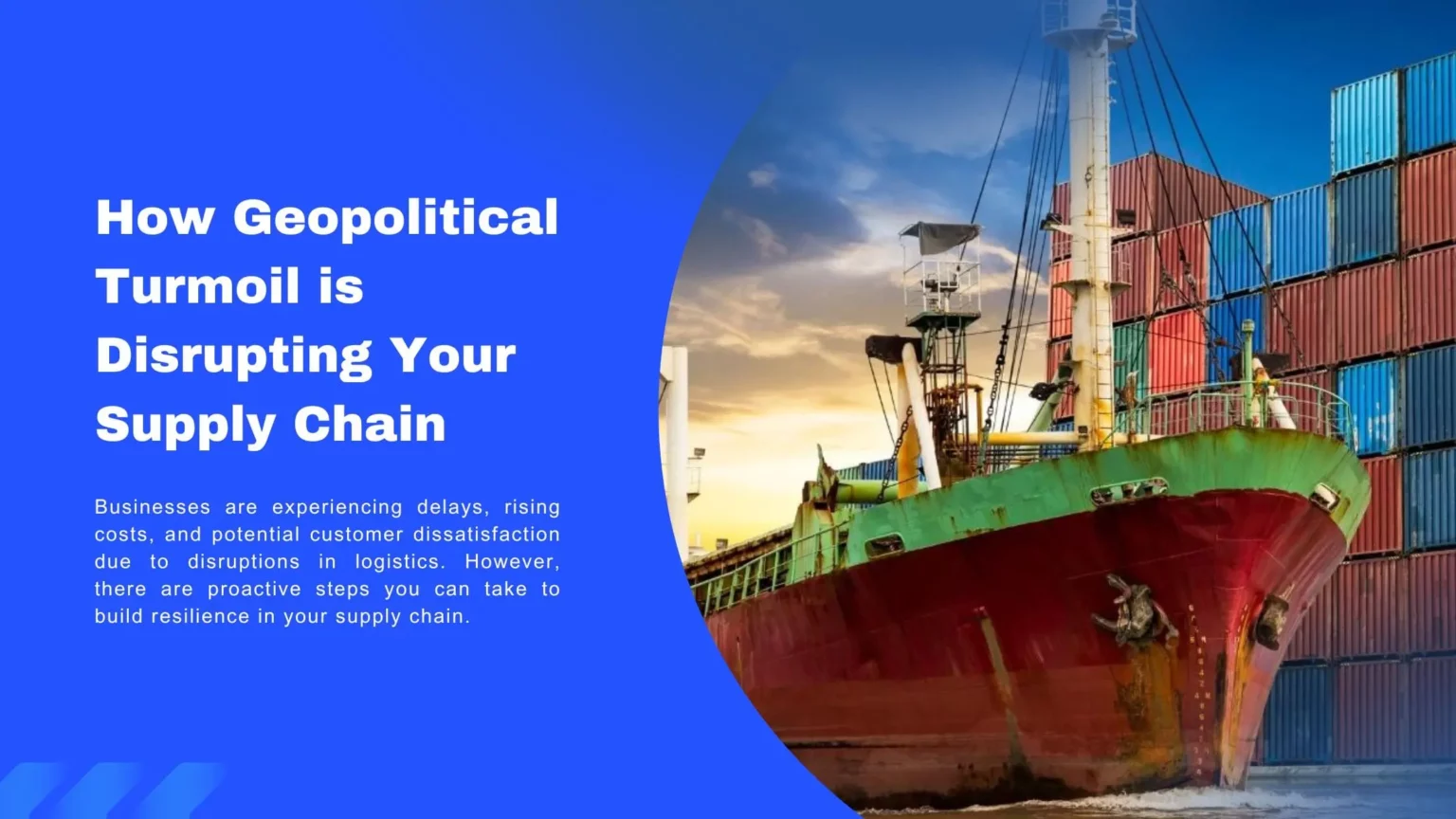
10. Supply-Chain Diversification and Economic Security
Recent global disruptions have encouraged businesses to reconsider their supply-chain strategies.
Previously, many companies focused heavily on reducing production costs by sourcing materials and manufacturing products from a limited number of locations.
However, excessive dependence on individual suppliers or countries can create risks.
Natural disasters, political tensions, shipping disruptions, and sudden trade restrictions can interrupt production.
As a result, businesses are increasingly considering supply-chain diversification.
This approach involves obtaining materials from multiple suppliers and developing alternative manufacturing and transportation routes.
Some companies are also considering nearshoring, which means moving production closer to their main consumer markets.
Others are exploring friend-shoring, where businesses prioritize suppliers located in countries with stronger political or economic relationships.
These strategies may increase resilience, although they can also involve higher costs.
For businesses operating in 2026, the challenge is balancing efficiency with long-term reliability.
11. The Future Challenges of International Trade
International trade will continue evolving as governments respond to economic, political, and technological developments.
Several challenges are likely to remain important.
Rising trade restrictions: Additional tariffs and import regulations may increase uncertainty for international businesses.
Geopolitical tensions: Political disagreements can disrupt trade relationships and transportation networks.
Environmental regulations: Countries are increasingly considering sustainability requirements and carbon-related trade measures.
Digital trade rules: Differences in data protection, technology standards, and digital regulations may create new barriers.
Economic inequality: Smaller economies may struggle to compete with countries that have greater financial and technological resources.
Trade system reform: International institutions must adapt existing rules to address modern economic challenges.
The October 2026 WTO trade outlook provides updated projections for global merchandise and commercial services trade, illustrating the importance of monitoring developments across different sectors and regions.
These challenges show why international cooperation remains important for maintaining stable and predictable markets.