The war between Russia and Ukraine continues to shape European security, international relations, and the global economy. Since Russia launched its full-scale invasion of Ukraine in February 2022, governments around the world have been searching for a diplomatic solution that could bring an end to the conflict. However, disagreements over territory, national sovereignty, military security, and international alliances have made negotiations extremely difficult.
In November 2026, diplomatic efforts have gained renewed attention following US-mediated discussions between Russian and Ukrainian representatives in Abu Dhabi. European governments are also working to secure a stronger role in future negotiations, emphasizing that any agreement affecting the continent’s security must include European participation.
The latest Ukraine Peace Negotiations are therefore about more than ending military hostilities. They also involve determining the future security structure of Europe, Ukraine’s relationship with NATO, and the balance of power between Russia and Western countries.
At the centre of these developments is Russia Ukraine Diplomacy, which continues to influence political decisions across Europe and beyond.
Understanding these negotiations is important because their outcome could affect European defense policies, international trade, energy security, migration, and diplomatic relationships for years to come.
1. What Is Happening in the Ukraine Peace Negotiations?
Diplomatic efforts to end the Russia-Ukraine war have experienced several periods of progress and uncertainty.
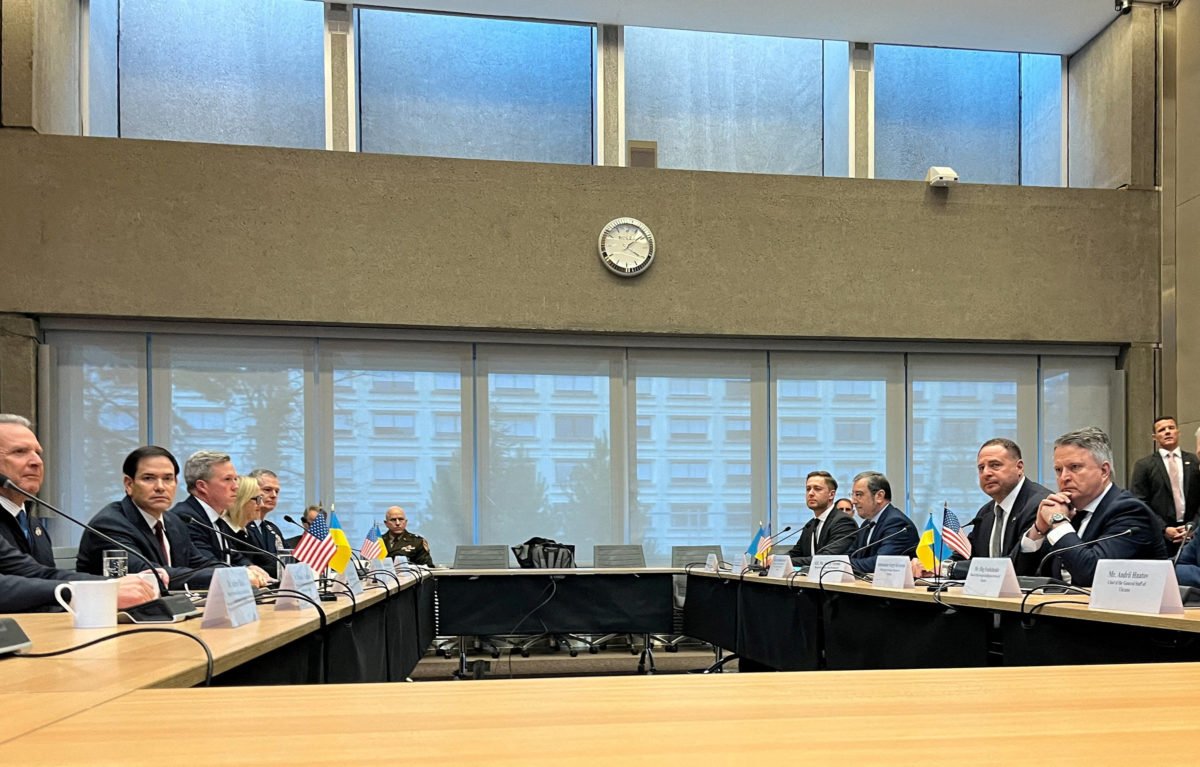
In November 2026, the United States facilitated another round of discussions involving Russia and Ukraine in Abu Dhabi on November 10 and 11. These negotiations followed a nine-month pause in the trilateral format.
The discussions focused on possible arrangements for ending the conflict, security guarantees, humanitarian issues, and Europe’s future security environment.
One important development was an agreement in principle on a major prisoner exchange. Although the discussions produced some humanitarian progress, the two sides remained divided over important political and territorial questions.
According to Reuters, territorial disagreements remained a significant obstacle, particularly Russia’s demand that Ukraine surrender the parts of the Donbas region it does not control. Ukraine has rejected this demand.
The talks demonstrated that diplomatic communication remains possible, but reaching a comprehensive peace agreement will require resolving fundamental disagreements.
The United States has continued exploring ways to bring the parties closer together, while European governments are pushing for a negotiating process that protects Ukraine’s sovereignty and the continent’s security
2. The Role of the United States in Russia Ukraine Diplomacy
The United States remains an important participant in diplomatic efforts to end the war.
US representatives Steve Wykoff and Jared Kushner have been involved in discussions with Russian, Ukrainian, and European officials.
Washington’s diplomatic approach has focused on establishing communication between the parties, identifying possible areas of agreement, and exploring arrangements for long-term European security.
On November 16, Kushner announced that preparations were underway for another multilateral meeting involving relevant international representatives.
He also confirmed discussions with Yuri Ushakov, an adviser to Russian President Vladimir Putin, as well as Ukrainian and European representatives.
The proposed meeting is intended to continue discussions about the peace process and explore opportunities for more direct engagement between Europe and Russia.
However, Washington faces a difficult diplomatic challenge.
Russia and Ukraine have different expectations regarding the terms of a settlement. European governments also have concerns about any agreement that could weaken NATO or compromise Ukraine’s independence.
The United States must therefore balance diplomatic engagement with the security interests of its European allies and the sovereignty concerns of Ukraine.
3. Why Europe Wants a Seat at the Negotiating Table
One of the most important developments in November 2026 is Europe’s effort to establish a formal role in future peace negotiations.
European governments believe that decisions about Ukraine’s future will directly influence the security of the entire continent.
On November 13, European Union leaders agreed on a negotiating format involving five major European countries:
- Germany
- France
- United Kingdom
- Italy
- Poland
The group, commonly referred to as the E5, will work alongside representatives of the European Commission and European Council.
European Commission President Ursula von der Leyen subsequently confirmed that Europe would closely participate in future diplomatic discussions through this format.
The European position is based on the argument that European countries cannot be excluded from negotiations involving their own security arrangements.
Several governments are particularly concerned about Russian proposals concerning NATO’s military presence in Eastern Europe and the broader European security structure.
European leaders also want to ensure that Ukraine has meaningful representation in decisions affecting its territorial integrity and political future.
This diplomatic position demonstrates how the war has strengthened discussions about Europe’s strategic independence and its responsibility for regional security.
4. The Biggest Obstacles to a Peace Agreement
Despite renewed diplomatic activity, several major disagreements continue to prevent a comprehensive settlement.
Territorial disputes
Territory remains one of the most difficult issues in the negotiations.
Russia continues to demand control over Ukrainian territories, including areas of Donbas that remain under Ukrainian administration.
Ukraine rejects territorial concessions that would undermine its sovereignty and constitutional position.
Finding a mutually acceptable arrangement remains extremely difficult.
Security guarantees
Ukraine wants reliable international security guarantees to reduce the possibility of another Russian invasion.
These guarantees could involve military assistance, international monitoring, defense cooperation, and other long-term security arrangements.
Russia, however, has raised objections to Ukraine’s potential NATO membership and the military presence of Western countries in Eastern Europe.
Military restrictions
Questions about Ukraine’s future military capabilities also remain controversial.
Ukraine argues that maintaining strong defensive capabilities is necessary to protect its independence.
Russia has demanded restrictions on Ukraine’s military capacity as part of its broader negotiating position.
Political trust
Years of fighting have created deep mistrust between the two governments.
Even when negotiators identify areas of agreement, implementing and monitoring commitments could become difficult.
These issues demonstrate why diplomatic progress does not automatically mean that a final peace agreement is close.
5. NATO and the Future of European Security
The future of NATO is one of the most sensitive subjects connected to the Ukraine Peace Negotiations.
NATO is a military alliance that includes several European countries, the United States, and Canada.
Since the beginning of the war, NATO members have provided Ukraine with different forms of military, financial, and humanitarian assistance.
Russia has repeatedly objected to NATO expansion and Ukraine’s potential membership in the alliance.
Moscow has also raised broader demands concerning NATO’s military infrastructure in Eastern Europe.
These demands have created concerns among countries such as Poland, Finland, and the Baltic states, which view NATO’s presence as an important part of their national security.
European governments generally argue that each country should have the right to determine its own security arrangements.
For Ukraine, the question of future NATO membership is closely connected to long-term protection against renewed military aggression.
For European countries, the negotiations raise a broader question: how can diplomatic agreements reduce tensions with Russia without weakening existing defense arrangements?
The answer will have significant implications for the future of European security.
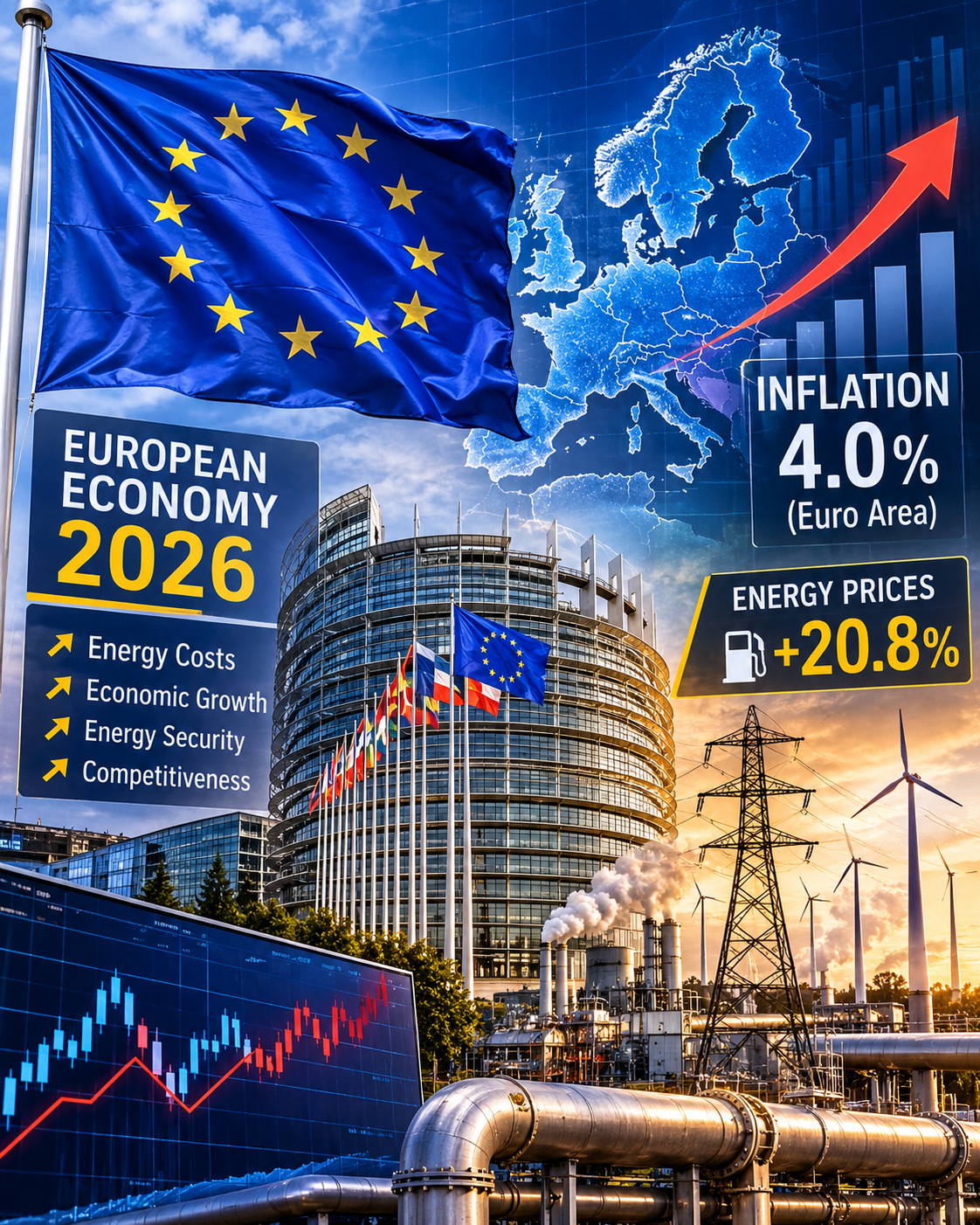
6. How the War Affects Europe’s Economy
The Russia-Ukraine war has had major economic consequences for Europe.
Energy markets, international trade, transportation, food supplies, and government spending have all been affected by the conflict.
Before the war, several European economies depended significantly on Russian natural gas and other energy supplies.
Following the invasion, European governments introduced measures to reduce their dependence on Russian energy and diversify their supply sources.
These changes affected energy infrastructure, industrial production, and household expenses.
The conflict has also influenced European defense spending.
Many governments have increased their attention to military readiness, weapons production, and defense cooperation.
A negotiated settlement could reduce some economic uncertainty and create opportunities for reconstruction and investment.
However, peace would not automatically restore previous economic relationships between Europe and Russia.
Sanctions, trade restrictions, energy policies, and political disagreements could continue even after military hostilities end.
Therefore, European economic planning will remain closely connected to the outcome of diplomatic negotiations.
7. Ukraine’s Position and the Importance of Sovereignty
Ukraine’s central objective in the negotiations is to secure a settlement that protects its independence, territorial integrity, and long-term security.
The Ukrainian government has consistently opposed agreements that would require it to surrender territory or accept arrangements that compromise its sovereignty.
President Volodymyr Zelenskyy has also emphasized the importance of European participation in the diplomatic process.
For Ukraine, peace must involve more than stopping military operations.
A lasting settlement would need arrangements addressing border security, military protection, reconstruction, displaced citizens, and the country’s future relationship with European institutions.
Ukraine’s relationship with the European Union is particularly important.
On November 15, Ukrainian and EU representatives announced progress on steps intended to accelerate reforms associated with Ukraine’s EU membership ambitions.
These include important benchmarks relating to democracy, governance, and the rule of law.
This demonstrates that Ukraine’s European integration remains an important political issue alongside the peace process.
8. Russia’s Diplomatic Objectives
Russia’s negotiating position focuses on several important security and political demands.
Moscow has raised concerns about NATO’s military presence near Russian territory, Ukraine’s potential membership in the alliance, and the future status of occupied Ukrainian regions.
Russian officials have also called for broader discussions about Europe’s security architecture.
During the November negotiations, Russian representatives emphasized the importance of discussing European security arrangements alongside the future of Ukraine.
This approach has created disagreements with European governments, which generally reject the idea that Russia should have authority over the security decisions of other independent countries.
Russia has also maintained its objections to European participation in some negotiating formats, although discussions about broader multilateral engagement are continuing.
Understanding these positions is essential for assessing the diplomatic challenges.
A sustainable settlement would need to address legitimate regional security concerns without removing the sovereignty and independent decision-making rights of other countries.
9. The Humanitarian Impact of the Peace Negotiations
Behind diplomatic meetings and political discussions are millions of people whose lives have been affected by the war.
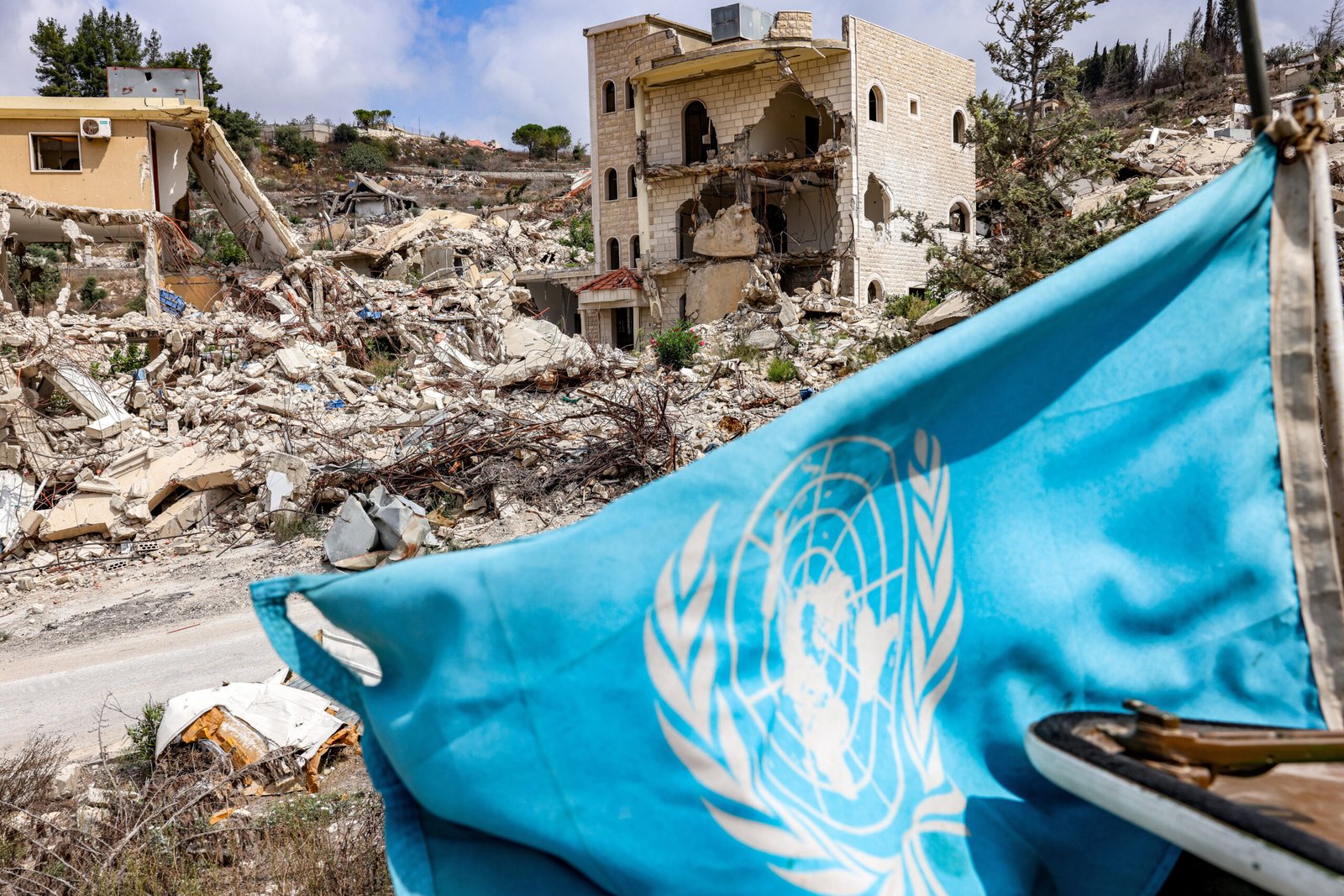
Families have been separated, homes have been destroyed, and millions of Ukrainians have experienced displacement.
Infrastructure damage has disrupted electricity supplies, transportation, education, healthcare, and essential public services.
Humanitarian issues therefore remain an important part of any potential peace settlement.
Several areas require attention:
- Prisoner exchanges: Returning prisoners to their families is an important humanitarian priority.
- Displaced people: Refugees and internally displaced citizens need safe opportunities to return home when conditions permit.
- Infrastructure reconstruction: Damaged schools, hospitals, roads, and residential buildings require extensive investment.
- Civilian protection: Any ceasefire arrangement needs mechanisms to protect civilians from further violence.
- Humanitarian access: International organizations need opportunities to deliver essential assistance to affected communities.
The prisoner-exchange understanding reached during the November Abu Dhabi discussions represents a limited but meaningful area of diplomatic progress.
However, humanitarian agreements must be implemented effectively to produce lasting benefits.
10. What the Latest Developments Mean for European Countries
The latest diplomatic developments have several important implications for Europe.
Stronger European diplomatic coordination
The E5 format provides a structure for major European countries and EU institutions to coordinate their positions during negotiations.
Greater attention to defense spending
European governments are likely to continue examining military capabilities, defense production, and security cooperation.
Continued support for Ukraine
European countries face ongoing decisions about financial assistance, reconstruction planning, and military support.
Changing relations with Russia
Any future diplomatic settlement could create opportunities for communication, although sanctions and political disagreements may continue.
Long-term regional stability
The terms of a peace agreement could influence European security arrangements for decades.
The main concern is ensuring that any settlement addresses the causes and security implications of the conflict rather than simply suspending military operations without reliable safeguards.