Africa is becoming one of the most important regions in the global economic landscape. With a growing population, expanding cities, valuable natural resources and rising demand for modern infrastructure, the continent is attracting increasing attention from major international powers. From China and the United States to the European Union, India and Gulf countries, governments and businesses are competing to strengthen their economic relationships with African nations.
The story of Africa Economic Growth is no longer only about natural resources. It increasingly involves technology, renewable energy, manufacturing, agriculture, transport and digital services. As global competition intensifies, Africa has an opportunity to attract investment, create employment and strengthen its position in international trade.
However, the continent must overcome serious challenges before its economic potential can translate into widespread prosperity.
Africa’s Economy Is Growing Despite Global Uncertainty
Africa’s economic outlook remains encouraging, although growth differs considerably between countries and regions.
According to the African Development Bank’s November 2026 outlook, Africa’s economy is projected to grow by an average of 4.6% in 2026 and 4.5% in 2027. The updated forecast reflects stronger prospects in several economies, although geopolitical tensions, commodity-price changes and climate risks continue to create uncertainty.
Sub-Saharan Africa is also showing resilience. The World Bank projected regional growth of 4.3% in 2026 in its October economic update.
Several factors are supporting this progress:
- Growing demand from Africa’s expanding population.
- Investment in transport, energy and telecommunications.
- Increasing urbanisation and consumer spending.
- Expansion of financial technology and digital services.
- Greater regional trade and economic cooperation.
- Development of agriculture, mining and manufacturing.
Nevertheless, economic growth does not automatically improve living standards. Governments must create productive jobs, control inflation, improve public services and ensure that investment reaches communities beyond major cities.
Why Global Powers Want Access to African Markets
Africa’s strategic importance is increasing because international powers need reliable access to new customers, resources, production locations and trade routes.
The continent offers a combination of opportunities that few other regions can match. Its large population creates demand for consumer products, housing, electricity, healthcare, education and financial services. Meanwhile, its mineral resources are important for modern industries and the global energy transition.
For international companies, establishing a presence in Africa can also provide access to regional markets and opportunities to build long-term partnerships.
Competition is therefore taking place through infrastructure financing, trade agreements, mining partnerships, diplomatic engagement, technology projects and investment deals.
China: Infrastructure, Manufacturing and Trade Expansion
China has developed a major economic presence across Africa through infrastructure projects, trade, construction and industrial investment.
Chinese companies have participated in building roads, railways, ports, power facilities and telecommunications networks. These projects can improve connectivity and support economic activity, particularly where transport and electricity shortages have restricted development.
China is also interested in Africa’s mineral resources, including copper, cobalt, lithium and other materials needed by modern manufacturing and clean-energy industries.
For African governments, Chinese investment can provide access to construction expertise, financing and industrial equipment. However, major infrastructure projects must be evaluated carefully. Debt obligations, project transparency, local employment and long-term economic returns matter as much as the initial investment.
Africa’s objective should be to turn infrastructure partnerships into stronger domestic industries rather than simply increasing imports.
The United States: Technology, Energy and Strategic Partnerships
The United States views Africa as an increasingly important region for economic cooperation and international strategic competition.
American businesses have opportunities in digital technology, financial services, healthcare, agriculture, energy and advanced manufacturing. The continent’s growing demand for reliable electricity and internet connectivity also creates opportunities for American technology and infrastructure companies.
Critical minerals have become another important area of interest. As countries compete to diversify supply chains for batteries, electric vehicles and advanced technologies, African producers could become more influential in international markets.
However, investment competition requires more than diplomatic announcements. African countries need commercially viable projects, predictable regulations and long-term partnerships that deliver measurable benefits to local economies.
The United States must also compete with established investors that already have extensive business relationships across the continent.
The European Union: Trade, Green Energy and Industrial Cooperation
The European Union has strong economic and historical connections with African countries. Its priorities include trade, renewable energy, infrastructure, manufacturing and access to strategic raw materials.
European companies can play an important role in developing solar and wind energy, electricity networks, transport systems and industrial technology.
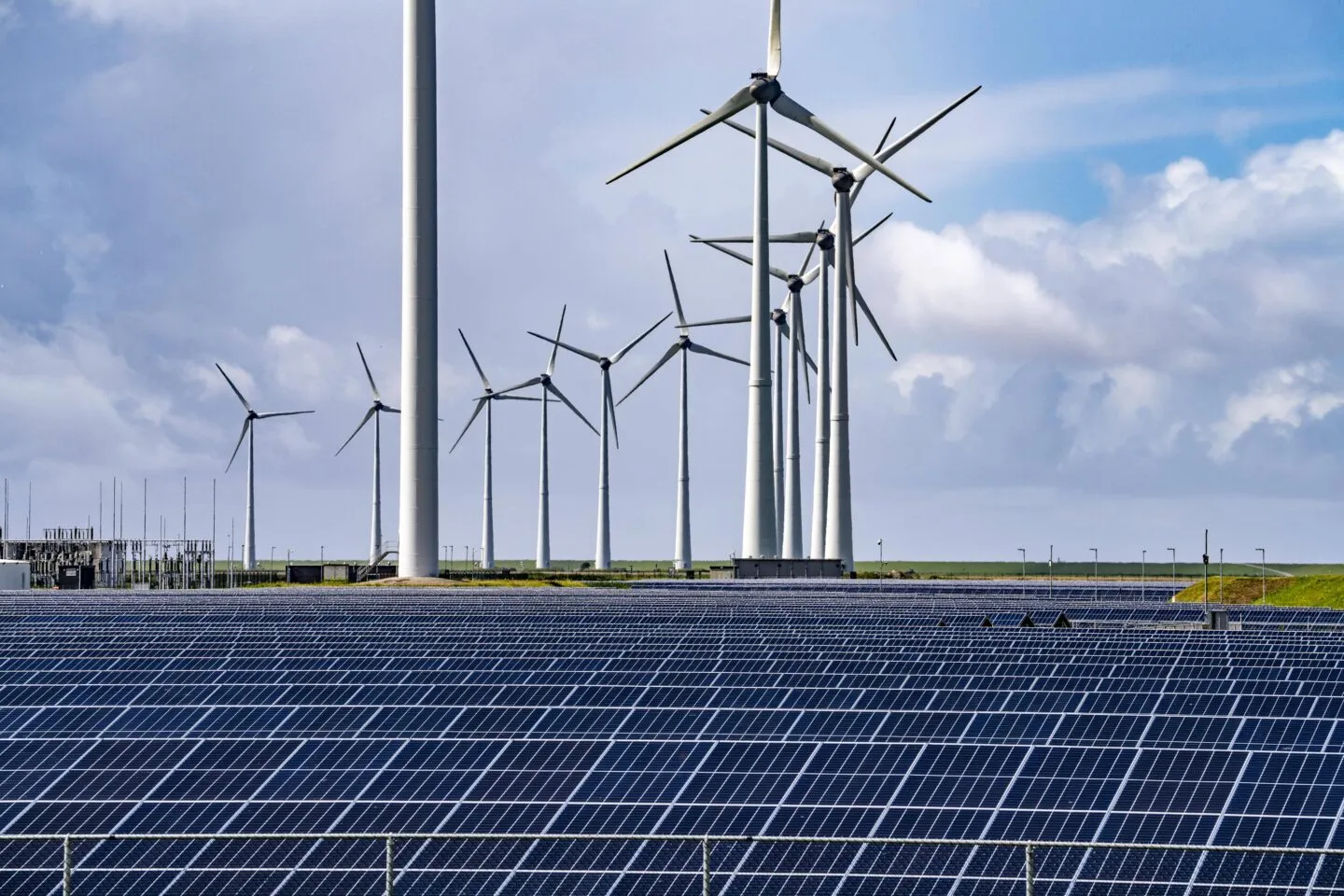
The green-energy transition creates a particularly important opportunity. Many African countries have substantial solar, wind and hydropower potential. With appropriate investment and infrastructure, these resources could support domestic electricity production and potentially create opportunities for regional energy trade.
Europe also has an interest in developing more diversified supply chains. Stronger industrial partnerships with African economies could reduce dependence on a limited number of international suppliers.
For African governments, the key challenge is ensuring that trade and energy agreements encourage local processing, technology transfer and employment rather than concentrating benefits outside the continent.
India and Gulf Countries Are Expanding Their Economic Interest
China, the United States and Europe are not the only major players competing for African markets.
India has developed commercial relationships with African countries in pharmaceuticals, information technology, agriculture, education, manufacturing and consumer goods. Indian businesses can benefit from rising demand for affordable medicines, digital services, industrial equipment and financial technology.
Gulf countries are also becoming important investors. Their interests include ports, logistics, renewable energy, agriculture, mining, tourism and real estate.
Investment from the Gulf and other Asian economies has become increasingly significant in Africa’s greenfield investment landscape, particularly in infrastructure and energy.
This wider competition gives African governments more potential partners. However, successful negotiations require transparent contracts, careful financial planning and clear development objectives.
Critical Minerals Could Transform Africa’s Global Importance
Africa possesses mineral resources that are essential to several major industries.
Copper, cobalt, lithium, manganese, graphite, platinum-group metals and other minerals are important for batteries, electric vehicles, renewable energy equipment, electronics and advanced manufacturing.
As demand for these materials increases, African countries could become central to the restructuring of global supply chains.
The Democratic Republic of the Congo is particularly important for cobalt production, while countries such as Zambia, South Africa, Zimbabwe and Guinea have significant mineral resources or mining potential.
But exporting unprocessed minerals alone will not deliver the full economic benefits.
African governments have an opportunity to encourage local refining, mineral processing, battery-component production and related manufacturing. These industries can create skilled employment, increase export earnings and strengthen domestic industrial capabilities.
The challenge is to attract investment while protecting the environment, respecting local communities and negotiating a fair share of the economic value.
African Investment Opportunities Beyond Mining
The continent’s investment potential extends far beyond natural resources. Several industries could become major drivers of future growth.
1. Renewable energy: Solar, wind and hydropower projects can help address electricity shortages and support industrial expansion.
2. Agriculture and food processing: Modern farming equipment, irrigation, storage facilities and food-processing businesses can improve productivity and reduce dependence on imported food.
3. Digital technology: Mobile payments, online education, healthcare platforms, cloud services and artificial intelligence applications offer opportunities in expanding urban and rural markets.
4. Manufacturing: Local production of construction materials, pharmaceuticals, textiles, electronics and consumer goods could strengthen domestic supply chains.
5. Transport and logistics: Railways, roads, ports, warehouses and efficient border systems are essential for connecting businesses with customers across the continent.
6. Healthcare and education: Growing populations need hospitals, medical supplies, training institutions and affordable educational services.
These African Investment Opportunities could attract international companies while helping local entrepreneurs build sustainable businesses.
AfCFTA Could Create a More Powerful African Market
One of Africa’s most important economic initiatives is the African Continental Free Trade Area, commonly known as AfCFTA.
The agreement aims to reduce trade barriers and encourage economic cooperation among participating African countries. Its long-term ambition is to make it easier for businesses to manufacture, transport and sell products across national borders.
A more integrated market could help companies expand beyond individual countries and develop regional production networks.
A World Bank report published in August 2026 argues that Africa’s next major integration gains will depend on connecting production across borders, improving transport and customs systems, and reducing regulatory barriers.
The report also estimates that deeper liberalisation of transport, telecommunications, financial and professional services could increase trade in services within the AfCFTA area by around 60–64% by 2035.
However, implementation remains essential. Businesses still face transport costs, customs delays, inconsistent regulations and infrastructure limitations.
If African governments address these problems, regional integration could make the continent more attractive to international investors.
The Challenges That Could Slow Africa’s Economic Rise
Despite its opportunities, Africa faces significant economic and political obstacles.
High public debt and expensive borrowing can restrict government spending on infrastructure, education and healthcare. Inflation and currency instability can also increase operating costs for businesses and reduce household purchasing power.
Other challenges include:
- Political instability and regional conflicts.
- Electricity shortages and weak transport networks.
- Unemployment and skills shortages.
- Climate change and water scarcity.
- Corruption and inconsistent regulations.
- Limited access to affordable business financing.
- Dependence on commodity exports.
These problems do not affect every African country equally. Some economies are developing quickly, while others face serious structural and security challenges.
Investors must therefore evaluate individual countries rather than treating Africa as one uniform market.
Can Africa Become a Global Economic Powerhouse?
Africa’s future will depend on how effectively its governments and businesses convert international interest into long-term economic development.
Foreign investment can provide financing, technology, infrastructure and access to international markets. However, African countries must also strengthen their own financial institutions, education systems, manufacturing industries and regional trade networks.
The African Development Bank’s 2026 outlook highlights an annual financing gap exceeding $1.3 trillion for achieving the continent’s Sustainable Development Goals. This illustrates the scale of the challenge and the importance of mobilising domestic and international capital.
African leaders must negotiate partnerships that create local employment, develop skilled workers, support small businesses and increase the value of goods produced within the continent.
At the same time, international companies should recognise that sustainable investment requires cooperation with local communities and businesses.
Conclusion: Africa’s Economic Future Could Reshape Global Competition
Africa is becoming an increasingly important destination for international investment and geopolitical attention. Its growing consumer markets, strategic minerals, renewable energy potential and expanding digital economy are attracting interest from major global powers.
The latest growth outlook suggests that the continent’s economy remains resilient despite international uncertainty. However, long-term success will depend on more than attracting foreign capital.
Africa needs stronger infrastructure, industrial development, regional cooperation, reliable institutions and investment in its people.
If governments successfully turn these opportunities into productive industries and better employment, Africa could become one of the most influential forces in the future global economy.
The competition for African markets is already intensifying. The most important question is whether African countries can shape that competition to secure lasting benefits for their own people.