An alarming wildlife crisis is unfolding along Argentina’s Patagonian coast, where hundreds of newborn whales have died during the 2026 breeding season. The Patagonia whale calf deaths 2026 have raised serious concerns among marine biologists, veterinarians and conservation organisations as researchers race to understand why so many young southern right whales are dying.
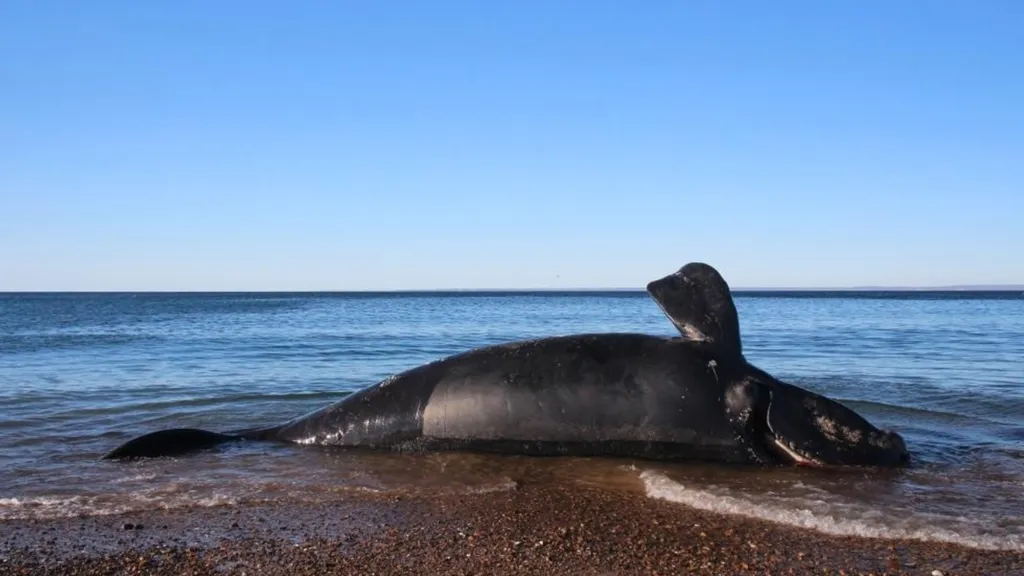
Since June, more than 300 southern right whale calves have died around Península Valdés, a major breeding and nursing ground in Argentina’s Chubut province. The preliminary toll has already exceeded the previous documented annual record of 113 calf deaths in 2012.
Scientists have detected a potentially dangerous bacterium in samples from this year’s dead calves. However, they still need to establish exactly how the infections developed, why the outbreak has become so severe and whether environmental conditions are contributing to the crisis.
The ongoing whale mortality investigation could reveal important information about marine diseases, the vulnerability of newborn whales and the environmental pressures affecting one of the world’s most closely monitored southern right whale populations.
What Is Happening to the Whale Calves in Patagonia?
Península Valdés is one of the most important breeding areas for southern right whales (Eubalaena australis). Every year, these enormous marine mammals gather in its sheltered coastal waters to give birth and nurse their young.
The region has supported decades of whale research, allowing scientists to compare current mortality with historical records and identify unusual changes.
In 2026, researchers began documenting unusually high numbers of dead calves along the coastline in June. The deaths continued throughout the breeding season, prompting authorities and research teams to intensify their investigations.
A September survey by the Marine Mammal Laboratory at CESIMAR counted 1,375 southern right whales in the monitored area, including 409 calves. With more than 300 calf deaths already recorded, the losses represent a major concern for researchers.
The previous documented annual record was 113 dead calves in 2012. The preliminary 2026 figures have therefore surpassed a benchmark that had stood for more than a decade.
Scientists are continuing to document strandings, collect samples and examine carcasses. The final death toll will help researchers understand the scale of the event and assess its possible effects on the population.
Scientists Find a Possible Clue: A Dangerous Bacterium
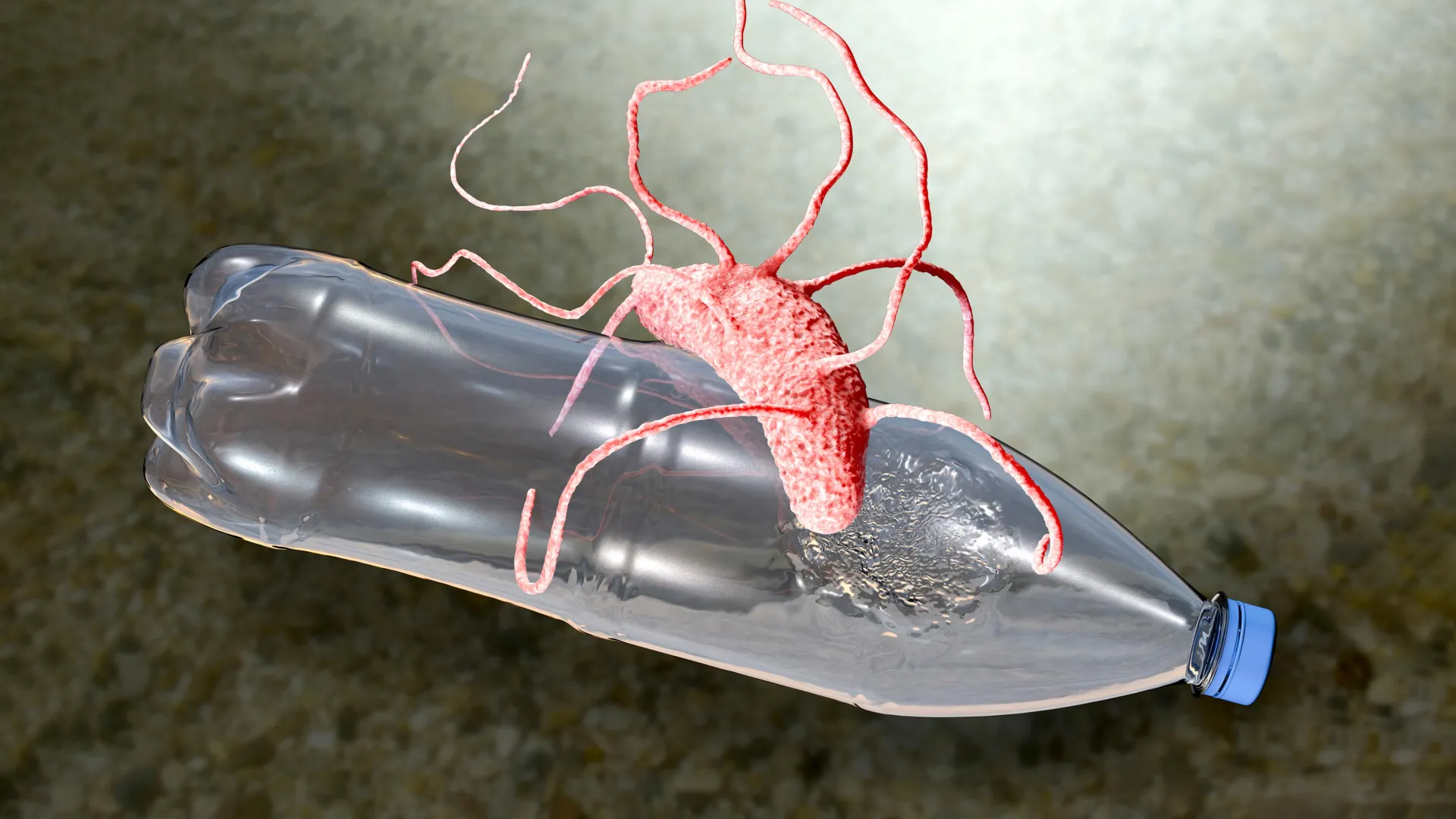
One of the most important developments in the Patagonia whale calf deaths 2026 investigation is the detection of Erysipelothrix rhusiopathiae in samples collected from affected calves.
This bacterium can cause erysipelas, an infection that may affect the skin and, in severe cases, spread through the bloodstream and damage internal organs.
Researchers have previously identified the bacterium in southern right whale calves in Patagonia. Its presence is therefore not entirely new to the region.
What scientists do not yet understand is why infections appear to be associated with such an exceptionally high number of deaths this year.
Finding a bacterium in a dead animal does not, by itself, establish that the organism caused the death. Researchers must examine tissue samples, identify the nature of the infection and consider other possible contributing factors.
Scientists are also investigating which bacterial strains may be involved and whether the pathogen behaves differently in affected animals.
The distinction matters because a confirmed cause of death would help conservation teams identify appropriate responses rather than rely on assumptions about the outbreak.
Could Kelp Gulls Be Spreading the Infection?
One leading hypothesis focuses on an unusual relationship between southern right whales and kelp gulls.
These seabirds have attacked whales around Península Valdés for decades. The birds peck at exposed areas of skin and blubber when whales surface to breathe, sometimes leaving visible wounds.
Adult whales can learn to surface in ways that reduce their exposure. Young calves, however, may be less capable of avoiding the attacks.
Researchers suspect that these wounds could provide an entry point for bacteria, potentially allowing an infection to develop.
Under this hypothesis, gulls might help transfer bacteria between animals or introduce microorganisms into damaged tissue. Scientists are investigating this possibility, including whether gulls themselves carry the bacterium.
However, the theory remains under examination. The attacks have occurred for many years, so they do not fully explain why calf mortality has increased so dramatically in 2026.
Researchers must determine whether the bacterium has become more dangerous, whether environmental conditions have changed or whether several factors are interacting.
The whale mortality investigation therefore extends beyond examining dead calves. Scientists also need to study the surrounding ecosystem and the potential routes through which pathogens circulate.
Why Are Newborn Whales Especially Vulnerable?
Newborn whales face biological challenges that adult animals can often manage more effectively.
Their immune systems are still developing, and they depend heavily on their mothers for nourishment and protection during early life. Their limited experience may also make it harder to avoid threats in the water.
If an infection develops, a young calf may have less capacity to withstand severe illness than a healthy adult.
Physical injuries could add another risk by allowing microorganisms to enter the body. Researchers are examining whether this combination of vulnerability and exposure helps explain the current mortality event.
Scientists are also studying the condition of the affected animals to determine whether they showed signs of illness before death.
Understanding these differences could help researchers identify which calves face the greatest risks and whether certain environmental or biological conditions increase their vulnerability.
Is Climate Change Making the Crisis Worse?
Scientists are also investigating whether changes in ocean conditions may be contributing to the deaths.
Marine ecosystems depend on complex relationships between water temperature, salinity, food availability, microorganisms and the animals that live in the region.
Changes in these conditions can affect the distribution of pathogens, the health of marine organisms and the availability of prey.
Researchers have raised questions about whether changing water conditions, rainfall patterns or shifts associated with El Niño could be influencing the current outbreak.
Food availability is another important consideration. If nursing mothers struggle to obtain sufficient nutrition, their body condition could deteriorate, potentially affecting the health and development of their calves.
However, scientists have not established that climate change or El Niño caused the 2026 deaths. These remain possible contributing factors that require evidence.
The research must determine whether environmental changes are connected to the outbreak and, if so, how they interact with bacterial infection and other threats.
This is one reason the investigation is taking a broader approach instead of focusing exclusively on a single suspected pathogen.
What Are Scientists Doing to Solve the Mystery?
Marine biologists, veterinarians, park rangers and conservation specialists are working together to investigate the unusual mortality event.
Their work includes several essential activities:
- Documenting strandings: Teams record dead calves and monitor affected coastal areas to estimate mortality accurately.
- Examining carcasses: Specialists inspect the animals for injuries, visible disease and other signs that may help explain their deaths.
- Collecting tissue samples: Researchers gather biological material for laboratory testing before decomposition makes reliable analysis more difficult.
- Identifying pathogens: Laboratory teams investigate the bacteria present in affected animals and whether the organisms are associated with disease.
- Studying seabirds: Researchers are examining the possible role of kelp gulls in transferring bacteria.
- Monitoring environmental conditions: Scientists are investigating whether ocean conditions, food availability or other ecological factors may be contributing.
Long-term monitoring provides an important advantage. Researchers have studied this whale population for decades, creating a record against which they can compare the current event.
That historical information can help scientists distinguish ordinary fluctuations in calf mortality from an exceptional outbreak.
The work also requires patience. Researchers must interpret laboratory results alongside observations from living whales, environmental measurements and population data before drawing firm conclusions.
Could Hundreds of Deaths Threaten the Southern Right Whale Population?
Southern right whales were heavily hunted during the nineteenth and twentieth centuries. International protections helped reduce the threat from commercial whaling, and some populations have recovered over time.
However, recovery does not mean these whales are immune to new threats.
Losing hundreds of calves during one breeding season could reduce the number of young animals surviving to adulthood. If similarly high mortality occurs repeatedly, it could affect the population’s long-term growth.
The immediate consequences remain uncertain. Southern right whales are long-lived animals, and a single season of unusually high calf mortality does not automatically mean the entire population will decline.
Researchers need to compare the final number of deaths with the total number of births, examine the ages and conditions of affected animals and monitor future breeding seasons.
Repeated outbreaks would be particularly concerning because the cumulative loss of young whales could reduce future recruitment into the adult population.
For conservationists, the priority is to identify the causes of the deaths and determine whether practical measures can reduce the risks to calves.
Is There a Risk to Humans?
The suspected bacterium deserves attention beyond wildlife conservation because Erysipelothrix rhusiopathiae can also infect humans, usually when contaminated material enters through broken skin.
This does not mean people are facing a widespread outbreak from the whale deaths. It does mean that anyone handling a carcass or biological material should follow appropriate precautions.
People visiting affected beaches should not touch dead or stranded whales. They should also keep pets away and notify local wildlife or environmental authorities if they encounter an animal in distress.
Authorities can assess the situation and arrange an appropriate response without exposing members of the public to unnecessary risks.
These precautions remain sensible while scientists investigate the outbreak and establish the precise causes of mortality.
What Happens Next?
Researchers will continue analysing samples and monitoring the whale population as the 2026 breeding season progresses.
The next major steps involve confirming the causes of death, examining the possible role of bacterial strains and determining whether gull attacks or environmental changes contribute to the outbreak.
Scientists will also need to establish a consolidated mortality figure. That number will help them assess how this year’s losses compare with previous seasons and whether the event could have lasting population-level consequences.
The findings may also guide future research into disease transmission among marine mammals and the interaction between wildlife, microorganisms and changing environmental conditions.
For now, the evidence points towards bacterial infection as an important possible explanation, but the full sequence of events remains unresolved.
Conclusion: A Race to Protect Patagonia’s Whales
The Patagonia whale calf deaths 2026 represent an exceptional conservation concern for Argentina’s southern right whales. More than 300 calves have died, surpassing the previous documented annual record and prompting an intensified scientific response.
Researchers have detected Erysipelothrix rhusiopathiae in samples, while investigating whether injuries from kelp gulls, environmental changes and other factors may be contributing to the crisis.
The central question is no longer simply how many calves have died. Scientists need to understand why the deaths have reached such unusual levels and whether the same conditions could threaten future generations.
Their findings will help determine how conservationists can respond and what the outbreak reveals about the health of Patagonia’s marine ecosystem.
Until the investigation reaches firmer conclusions, the most important priorities are continued scientific monitoring, careful handling of stranded animals and evidence based measures to protect the whales.
Follow TopTenDose for more wildlife discoveries, environmental news, climate research and conservation updates from around the world.