Introduction
Climate change has become one of the most important challenges facing the world. Rising temperatures, extreme weather events, melting glaciers, floods, droughts, and rising sea levels are affecting millions of people. While governments agree that urgent climate action is necessary, disagreements remain over who should pay for it and how financial support should reach vulnerable countries.
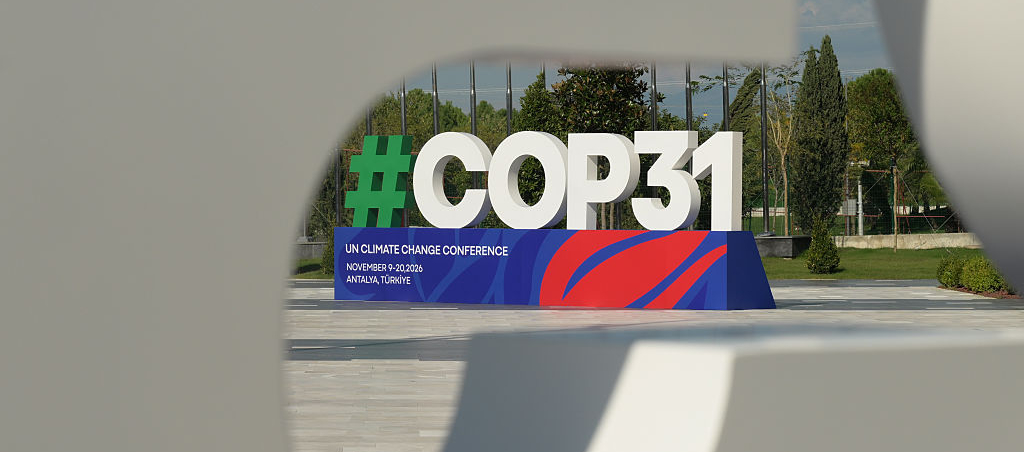
These questions are at the center of the COP31 Climate Summit, taking place in Antalya, Türkiye, from 9 to 20 November 2026. The conference brings together world leaders, government representatives, climate scientists, financial institutions, businesses, and environmental organizations to discuss solutions to global warming. Australia is serving as President of Negotiations, while Türkiye is hosting the conference. Source: UNFCCC
One of the most important subjects is Climate Finance. Developing countries argue that they need greater financial assistance to reduce emissions, prepare for climate disasters, and protect communities facing environmental risks.
However, developed countries, emerging economies, and international financial institutions have different priorities regarding funding responsibilities, financial contributions, and accountability.
The political discussions surrounding climate finance reveal a major challenge: achieving global climate goals requires cooperation, but countries do not have equal financial resources or equal responsibility for historical emissions.
1. What Is the COP31 Climate Summit?
The COP31 Climate Summit is the 31st Conference of the Parties to the United Nations Framework Convention on Climate Change (UNFCCC).
These annual international conferences provide a platform for countries to negotiate agreements, review climate commitments, and develop strategies to address global warming.
COP31 is being held in Antalya, Türkiye, between 9 and 20 November 2026. Its broader focus includes implementing existing climate commitments, accelerating clean energy development, improving climate resilience, and strengthening international cooperation.
The summit also provides an opportunity to discuss how countries can turn previously announced climate targets into practical results.
Important participants include:
- National governments and climate negotiators.
- United Nations agencies and international organizations.
- Environmental and civil society groups.
- Climate scientists and researchers.
- Private companies and financial institutions.
- Representatives of developing and climate-vulnerable countries.
The negotiations are particularly important because climate change affects countries differently. Some nations have greater financial and technological resources, while others face serious climate risks despite having contributed relatively little to historical greenhouse gas emissions.
2. Why Climate Finance Is a Major Political Issue
Climate Finance refers to funding provided by public institutions, private investors, development banks, and international organizations to support climate-related activities.
This funding can help countries reduce greenhouse gas emissions, develop renewable energy, improve infrastructure, and prepare for environmental disasters.
However, climate finance has become a political issue because countries disagree over how much money should be provided, who should contribute, and which nations should receive assistance.
Developing countries frequently argue that wealthier industrialized economies should provide substantial financial support because of their historical contributions to greenhouse gas emissions and greater capacity to finance climate action.
Developed countries, meanwhile, consider different funding arrangements, including public budgets, private investment, multilateral development banks, and broader participation from emerging economies.
These differences create difficult negotiations.
The debate is not simply about financial figures. It also involves economic responsibility, international fairness, development opportunities, and the future of global climate cooperation.
3. The Climate Finance Gap Between Rich and Poor Countries
One of the biggest challenges in international climate negotiations is the difference between the financial resources available to developed and developing countries.
Wealthier nations generally have stronger financial systems, greater access to international capital markets, and more resources to invest in clean energy and climate adaptation.
Developing countries often face higher borrowing costs, limited public budgets, infrastructure challenges, and competing development priorities.
For example, a country experiencing severe flooding may need billions of dollars to rebuild roads, schools, hospitals, bridges, and residential communities.
At the same time, it may need additional investment in flood protection, early warning systems, water management, and disaster preparedness.
Without adequate financial assistance, these countries may struggle to address immediate climate emergencies while investing in long-term resilience.
This financial gap makes Climate Finance one of the most important subjects at COP31.
The central question is how international funding can become more accessible, predictable, and sufficient to support countries facing the greatest climate-related challenges.
4. The Political Battle Over Who Should Pay
A major disagreement during climate negotiations concerns the responsibility for providing climate funding.
Historically, developed countries have contributed a large share of global greenhouse gas emissions through industrialization, energy production, and economic expansion.
Developing countries argue that this historical responsibility should be reflected in international financial commitments.
They also emphasize that climate action should not prevent poorer nations from improving living standards, developing industries, and expanding access to electricity.
However, the global economic landscape has changed. Several emerging economies have become major contributors to current emissions and important participants in international trade and investment.
This creates disagreement about whether traditional developed-country contributors should carry most financial responsibility or whether a wider group of economies should participate.
Negotiators must also decide how much funding should come from government budgets, private investment, and international financial institutions.
Finding an acceptable arrangement requires balancing historical responsibility, present-day economic capacity, and future development needs.
5. How Climate Finance Can Fight Global Warming
Climate funding is essential because reducing global warming requires major changes in the way countries produce energy, operate industries, and manage natural resources.
Financial assistance can support several important areas.
Renewable energy development
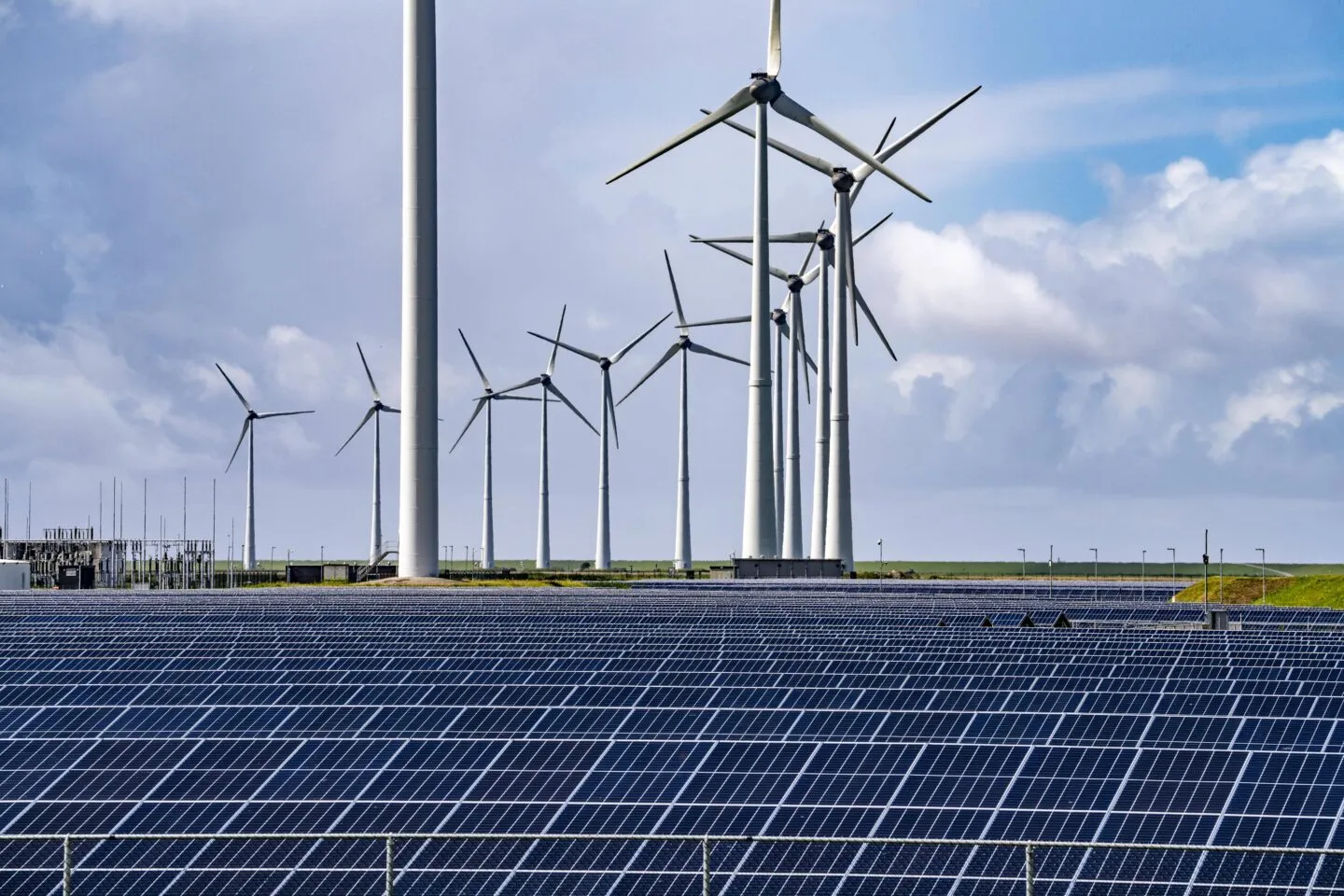
Countries can invest in solar, wind, hydropower, and other low-emission energy technologies. These investments can reduce dependence on fossil fuels and help lower greenhouse gas emissions.
Clean transportation
Funding can support electric public transport, improved railway networks, charging infrastructure, and cleaner vehicle technologies.
Sustainable agriculture
Farmers can receive support to adopt climate-resilient farming methods, improve irrigation systems, and manage changing weather conditions.
Energy efficiency
Buildings, factories, and transportation systems can become more energy efficient through modern equipment and improved infrastructure.
Forest protection
Financial resources can help protect forests, restore damaged ecosystems, and support biodiversity conservation.
These investments demonstrate that climate finance is not only about responding to environmental problems. It can also support economic development, technological innovation, and employment opportunities.
6. Adaptation Finance: Protecting People From Climate Disasters
Reducing emissions is important, but climate change is already affecting communities around the world.
Therefore, countries also need financial resources to adapt to environmental changes.
Climate adaptation means preparing communities, infrastructure, agriculture, and public services to manage climate-related risks.
For example, countries experiencing frequent flooding may need stronger drainage systems, flood barriers, improved forecasting, and safer housing.
Regions facing water shortages may require improved water storage, efficient irrigation, and sustainable groundwater management.
Coastal communities may need protection against rising sea levels and stronger storms.
Adaptation finance is particularly important for developing countries because many vulnerable communities lack the resources needed to prepare for climate disasters.
At COP31, adaptation remains an important part of the broader climate finance discussion. The adopted conference agenda includes adaptation matters and financial issues, alongside consideration of the Warsaw International Mechanism for Loss and Damage.
7. The Role of Loss and Damage Funding
Climate change sometimes causes destruction that communities cannot fully prevent through adaptation.
For example, a powerful cyclone may destroy homes, roads, businesses, and agricultural land. Rising sea levels can threaten coastal settlements, while prolonged droughts can damage livelihoods and reduce food production.
These situations raise questions about loss and damage.
Loss and damage refers to climate-related harm that occurs despite efforts to reduce emissions and adapt to changing environmental conditions.
International discussions have increasingly focused on financial arrangements to help vulnerable countries respond to these impacts.
The Fund for Responding to Loss and Damage is an important part of this international effort.
However, questions remain about how much money should be available, how contributions should be organized, and how affected countries can access support efficiently.
For vulnerable nations, financial assistance must be timely and practical rather than limited to political announcements.
8. Pakistan and the Importance of Climate Finance
Pakistan is an important example of why climate finance matters for developing countries.
The country faces several environmental challenges, including extreme heat, flooding, water shortages, glacier-related risks, and agricultural disruption.
The devastating floods of 2022 demonstrated how climate-related disasters can affect millions of people, damage infrastructure, disrupt livelihoods, and create major economic challenges.
Pakistan needs investment in climate-resilient infrastructure, disaster preparedness, water management, renewable energy, and sustainable agriculture.
International financial assistance can help support these priorities while reducing pressure on limited public resources.
For ordinary people, effective climate investment can mean:
- Better flood protection for homes and communities.
- More reliable access to clean drinking water.
- Improved agricultural support for farmers.
- Stronger infrastructure against extreme weather.
- More opportunities in renewable energy industries.
- Better early warning systems for natural disasters.
Pakistan’s participation in international climate discussions is therefore important for ensuring that developing countries have access to financial and technical resources.
The country’s official COP31 information also identifies climate finance, adaptation, and technology transfer as important areas of engagement.
9. The Disagreement Over Fossil Fuels and Clean Energy
Another major political challenge at COP31 concerns the future of fossil fuels.
Coal, oil, and natural gas remain important energy sources for many economies. However, burning fossil fuels is a major contributor to greenhouse gas emissions.
Some countries support a faster transition away from fossil fuels, while others emphasize energy security, economic development, affordability, and the need for financial and technological assistance.
These differences are reflected in the negotiations.
A draft agreement released on 16 November 2026 highlighted disagreements over whether countries should call for transitioning away from fossil fuels or phasing them out.
The draft also included a Turkish proposal to increase electricity’s share of global energy use to 35% by 2035. These were negotiating proposals and areas of disagreement, not final agreed outcomes. Source: Reuters, 16 November 2026
Climate finance is closely connected to this debate.
Developing countries often argue that transitioning to cleaner energy requires affordable financing, modern technology, reliable infrastructure, and support for workers and communities affected by economic changes.
Without these resources, the transition can become more difficult for countries with limited financial capacity.
10. Why Transparency and Accountability Matter
Providing climate finance is only one part of the challenge. Ensuring that money reaches the right projects and produces measurable results is equally important.
Governments and international financial institutions need transparent systems for managing climate-related funding.
Important accountability measures include:
- Publishing clear information about financial contributions.
- Monitoring how funds are distributed and spent.
- Evaluating the environmental impact of funded projects.
- Improving access for vulnerable communities.
- Reducing unnecessary administrative delays.
- Distinguishing grants from loans and private investment.
This distinction is particularly important because loans may increase the debt burden of countries already facing financial difficulties.
Grants can provide support without requiring repayment, while concessional loans offer financing on more favorable terms than ordinary commercial borrowing.
Transparent reporting can help build trust between countries and improve confidence in international climate agreements.