The conflict between the United States and Iran has become a major concern for international security, energy markets, and global trade. As diplomatic efforts continue, attention is increasingly focused on one critical question: can negotiations bring an end to the fighting and restore normal shipping through the Strait of Hormuz? These developments have renewed interest in diplomacy, although substantial disagreements remain. The future of the US-Iran conflict 2026 will depend on whether both sides can translate public statements and proposals into practical arrangements that reduce military risks and restore confidence in commercial shipping.
The strategic waterway connects the Persian Gulf with the Gulf of Oman and the wider Arabian Sea. It is one of the world’s most important routes for transporting crude oil and petroleum products. Any prolonged disruption can affect energy supplies, shipping costs, fuel prices, and economies far beyond the Middle East.
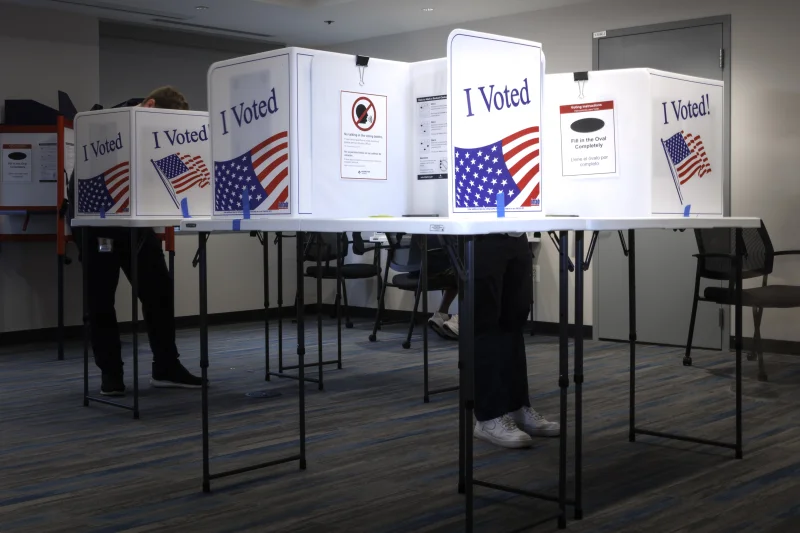
On October 8, 2026, US President Donald Trump said Washington was having productive discussions with Tehran and would not attack Iran before the November 3 US midterm elections. Reuters reported the following day that Iran was reviewing a US proposal involving the reopening of the strait within seven days. However, no final agreement had been confirmed in that reporting.
Why Is the Strait of Hormuz So Important?
The Strait of Hormuz is a narrow maritime passage between Iran and Oman. It provides a vital connection between major oil-producing countries in the Persian Gulf and international markets.
Before the current conflict disrupted shipping, approximately one-fifth of global oil and petroleum liquids consumption passed through the strait, according to widely cited energy-market estimates. This concentration makes the waterway especially important for countries that depend on imported fuel.
Major Asian economies, including China, India, Japan, and South Korea, have significant exposure to energy shipments from the Gulf. European markets can also be affected by changes in international oil prices, even when their supplies come from other regions.
The importance of the Strait of Hormuz extends beyond the volume of oil transported through it. Tanker insurance, freight rates, shipping schedules, and the availability of alternative transport routes all influence the final cost of energy.
When security risks rise, shipowners and insurers may demand higher payments to cover the possibility of damage, delays, or loss. Some vessels may avoid the area altogether, while others may require additional security measures.
These costs can remain elevated even when oil continues to move through the waterway. As a result, restoring shipping requires more than simply announcing that the passage is open. Commercial operators must also believe that ships can travel safely and predictably.
What Is Happening in US-Iran Diplomatic Talks?
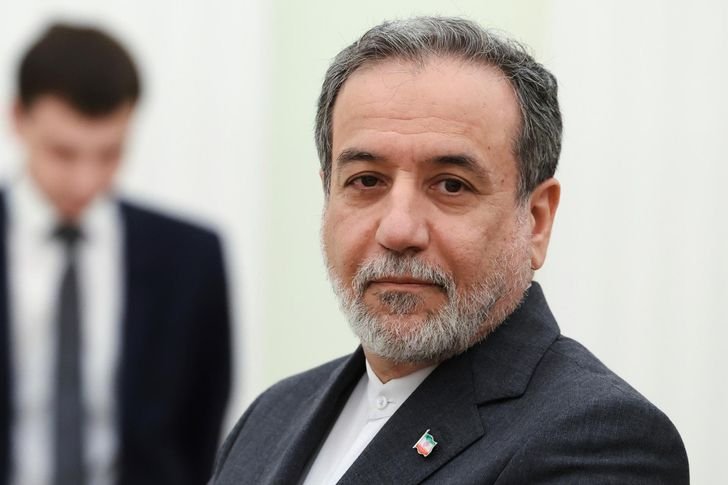
Washington and Tehran have exchanged proposals intended to end the conflict and address the disruption to shipping. However, the two governments have not reached a comprehensive settlement.
Reuters reported in late September that negotiators and intermediaries were exploring a possible phased arrangement. Under the reported framework, Iran could restore navigation through Hormuz while the United States considered easing its economic blockade and related pressure measures.
Such an arrangement would attempt to address the immediate shipping crisis without requiring every disagreement to be resolved at once.
Nevertheless, the two governments have different priorities. Washington wants reliable access to international shipping routes and concessions on wider security concerns. Tehran has sought relief from economic pressure and assurances concerning the future course of the conflict.
Nuclear policy remains another major obstacle. The United States has demanded meaningful limits on Iran’s enrichment capacity, while Iranian officials have maintained that the country will not simply abandon its nuclear programme.
These disagreements complicate negotiations because a shipping arrangement could be easier to achieve than a comprehensive agreement covering security, sanctions, and nuclear activities.
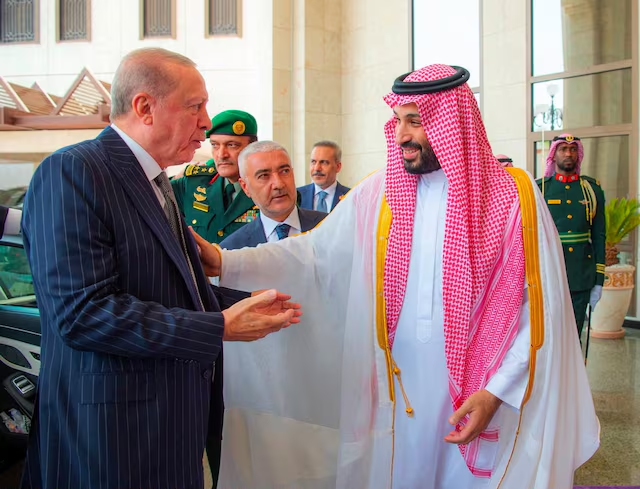
Regional intermediaries may therefore play an important role in communicating proposals, reducing misunderstandings, and helping the parties identify limited areas of agreement.
Can Diplomacy Reopen the Strait Within Seven Days?
A short timetable could be possible if both governments agree on practical measures and are prepared to implement them. However, a proposed deadline should not be confused with a confirmed reopening.
According to Reuters reporting on October 9, Iran was reviewing a US proposal that involved reopening the waterway within seven days. At the time of that report, the proposal remained under consideration.
Several questions would need to be answered before such an arrangement could become operational.
First, both sides would need to clarify what reopening means in practice. Would all commercial vessels be permitted to pass, or would restrictions remain for particular ships and cargoes?
Second, there would need to be clear procedures for preventing attacks, misunderstandings, and accidental military encounters. Ship operators would need reliable information about navigation conditions and any security arrangements.
Third, the parties would need a mechanism for responding to alleged violations. Without agreed procedures, an incident involving a commercial vessel could quickly become a new source of confrontation.
Finally, governments and shipping companies would need evidence that the arrangement was holding. Even after a formal announcement, normal traffic might take time to recover because ships, crews, insurers, and energy companies would need to adjust their plans.
Diplomacy could therefore produce an initial reopening relatively quickly, but a durable return to normal shipping would depend on implementation and continued compliance.
How Would Reopening Hormuz Affect Oil Prices?
Energy markets respond not only to current supply but also to expectations about future disruptions.
When traders believe oil shipments are becoming less secure, prices may rise because buyers worry that supplies could become harder to obtain. If diplomatic progress reduces those concerns, prices can move in the opposite direction.
On October 9, Reuters reported that Brent crude futures had fallen to approximately $102.60 per barrel, while US West Texas Intermediate crude declined to around $90.18 during the reported trading session. The movement followed comments suggesting that Washington and Tehran were making progress in discussions.
However, prices remained volatile, and a single day’s decline did not establish that the supply crisis had ended.
The cost of transporting oil also matters. Reuters reported earlier in October that elevated tanker rates, insurance costs, and logistical complications were helping keep energy prices high despite a partial recovery in crude shipments through Hormuz.
This means that even if the waterway reopens, consumers may not immediately see a comparable reduction in gasoline, diesel, electricity, or transportation costs.
Energy prices depend on several factors, including refinery capacity, inventory levels, shipping availability, taxes, currency movements, and local market conditions.
A durable diplomatic settlement could reduce one important source of uncertainty, but the wider effects would depend on how quickly the energy supply chain returns to normal.
What Does the Conflict Mean for the Global Economy?
The economic consequences of the conflict extend beyond oil producers and importers.
Higher energy costs can increase expenses for airlines, shipping companies, manufacturers, farmers, and other businesses that depend on fuel. Companies may pass some of these costs on to customers, contributing to higher prices for goods and services.
Developing economies that rely heavily on imported energy can face particular challenges. When fuel becomes more expensive, governments may have to consider whether to adjust subsidies, increase public spending, or allow higher costs to reach consumers.
Countries with limited foreign-exchange reserves may also face pressure when their energy import bills rise. Paying more for imported fuel can increase demand for foreign currency and complicate economic management.
For households, the effects may appear in the cost of commuting, food distribution, electricity generation, and other essential services.
Financial markets can also react to geopolitical uncertainty. Investors may become more cautious about companies and economies that are particularly exposed to energy disruptions.
A successful agreement between Washington and Tehran could ease some of these pressures by improving expectations about energy transportation. Nevertheless, the extent of any recovery would depend on the agreement’s durability and the condition of the wider global economy.
What Are the Main Obstacles to a Lasting Agreement?
Although both sides have reasons to avoid a prolonged confrontation, several obstacles could prevent negotiations from succeeding.
1. Disagreements over sanctions
Iran wants relief from economic pressure, while Washington has used sanctions and restrictions as leverage. The two governments would need to agree on which measures could be suspended, when relief would take effect, and what would happen if the arrangement broke down.
2. Nuclear programme disputes
The future of Iran’s nuclear activities remains a central issue. Any broader settlement could require verification procedures and clearly defined commitments. These questions are technically complex and may take longer to resolve than immediate shipping arrangements.
3. Security guarantees
Neither government wants to make concessions that leave it more vulnerable to future pressure. Negotiators would need to establish credible commitments that reduce the risk of renewed attacks or restrictions.
4. Regional tensions
The conflict affects other countries in the Gulf and the wider Middle East. Regional governments have their own security concerns and economic interests, which means a bilateral agreement may not automatically resolve every threat to shipping.
5. Domestic political pressure
Political leaders face pressure at home to demonstrate that negotiations protect national interests. This can make compromise difficult, particularly when concessions are portrayed as signs of weakness.
These challenges suggest that an agreement reopening the strait could be an important first step without necessarily resolving the wider conflict.
What Should Shipping Companies and Energy Markets Watch Next?
The next stage will depend on developments that can be verified rather than statements alone.
Shipping companies will look for clear navigation guidance, evidence of reduced security risks, and information about any restrictions on commercial vessels. Insurers will assess whether the risk of operating in the region has materially changed.
Energy traders will monitor actual shipment volumes, tanker availability, freight costs, and oil inventories. If shipments recover consistently, market concerns may gradually ease. If disruptions continue, prices could remain volatile even while diplomatic contacts take place.
Governments will also watch for signs that the parties are implementing their commitments. An announced agreement that is repeatedly violated would provide less reassurance than a limited arrangement that operates consistently over time.
For readers following the Strait of Hormuz, it is important to distinguish between a proposal, a political announcement, and a verified change in shipping conditions.
Those stages are not interchangeable. A proposal indicates that negotiations are taking place; an announcement communicates an intended arrangement; verified shipping movements provide evidence of what is actually happening.
Following all three can provide a clearer picture of whether diplomacy is producing practical results.
Conclusion: Is a Diplomatic Solution Possible?
Diplomacy remains a possible route to reopening the Strait of Hormuz and reducing the economic consequences of the conflict. Recent exchanges between Washington and Tehran indicate that proposals are being considered, while US statements about avoiding attacks before the November midterm elections have helped ease some immediate market concerns.
However, important disagreements over sanctions, nuclear policy, regional security, and the future terms of a settlement remain unresolved.
A limited agreement could restore commercial passage before a comprehensive peace deal is reached. Such an outcome would require clear commitments, effective security arrangements, and confidence that the parties would honour their obligations.
The future of the US-Iran conflict 2026 will therefore depend not only on whether negotiators reach an initial understanding but also on whether they can sustain it.
For the global economy, a reliable reopening of the Strait of Hormuz could reduce uncertainty surrounding oil transportation and international trade. Yet lower energy costs would not necessarily follow immediately, because shipping, insurance, and supply chains may take time to recover.
The coming developments will show whether diplomatic efforts can turn temporary signs of progress into a lasting improvement in regional security. Until a formal arrangement is confirmed and commercial shipping conditions improve, caution remains necessary when assessing the prospects for peace and economic recovery.