As the United States approaches its November 3, 2026, midterm elections, the economy is emerging as a central issue for voters across the country. From grocery bills and housing costs to fuel prices, employment opportunities, and interest rates, everyday financial pressures are influencing how Americans view the country’s direction.
The elections will determine control of the US House of Representatives and Senate, shaping the political environment in which President Donald Trump’s administration pursues its policies. Although foreign affairs, immigration, healthcare, and democratic institutions remain important topics, economic conditions are particularly significant because households experience their effects directly.
A recent survey by Pew Research Center, conducted from September 28 to October 4, found that 84% of registered voters considered the economy very important to their midterm vote. The findings demonstrate how strongly economic issues are influencing the political conversation ahead of Election Day.
For the US midterm elections 2026, the central question is not simply whether the economy is growing. Voters are also considering whether their wages can cover essential expenses, whether suitable jobs are available, and whether government policies are improving their financial circumstances.
Why the Cost of Living Matters to American Voters
The cost of living has become one of the most immediate economic concerns for many American households. Even when inflation slows, consumers can continue to face high prices because slower inflation does not automatically return prices to their previous levels.
Groceries, rent, electricity, transportation, insurance, and healthcare represent recurring expenses that households cannot easily avoid. When these costs increase faster than family income, people may have less money available for savings, education, entertainment, or unexpected emergencies.
Pew Research Center’s October 2026 findings illustrate the scale of these concerns. In its survey, 73% of American adults said they were very concerned about the prices of food and consumer goods. Another 69% expressed serious concern about healthcare costs, while 66% were very concerned about housing expenses.
These concerns help explain why economic performance is often judged through personal experience rather than national statistics alone. A household may hear that the economy is expanding but still struggle to afford rent or manage monthly bills.
For candidates, the challenge is to explain how their proposals would address these practical problems. Voters may pay close attention to plans involving taxes, healthcare expenses, housing supply, energy prices, and wages.
Inflation Remains an Important Political Issue
Inflation measures how quickly prices rise over time. However, the effects of inflation can remain visible long after the rate of price increases begins to decline.
For example, if a household previously spent $150 on a regular grocery purchase and the cost later increased substantially, a slower rate of inflation would not necessarily make that purchase cheaper. Prices might continue rising, but at a more moderate pace.
This distinction is important when evaluating the American economy in the run-up to the midterms. Government officials may point to improvements in inflation figures, while consumers may remain dissatisfied with the total amount they now pay for everyday necessities.
Both perspectives can describe different aspects of the same economic situation.
Republican candidates may emphasize policies intended to encourage investment, reduce regulatory burdens, support domestic production, or lower certain taxes. Democratic candidates may focus on household affordability, healthcare costs, wages, and measures designed to provide financial support to working families.
The effectiveness of individual proposals depends on their design, implementation, and broader economic conditions. Voters therefore have reason to examine not only campaign promises but also the likely costs and practical consequences of proposed policies.
Jobs and Wages: Is the Labor Market Losing Momentum?
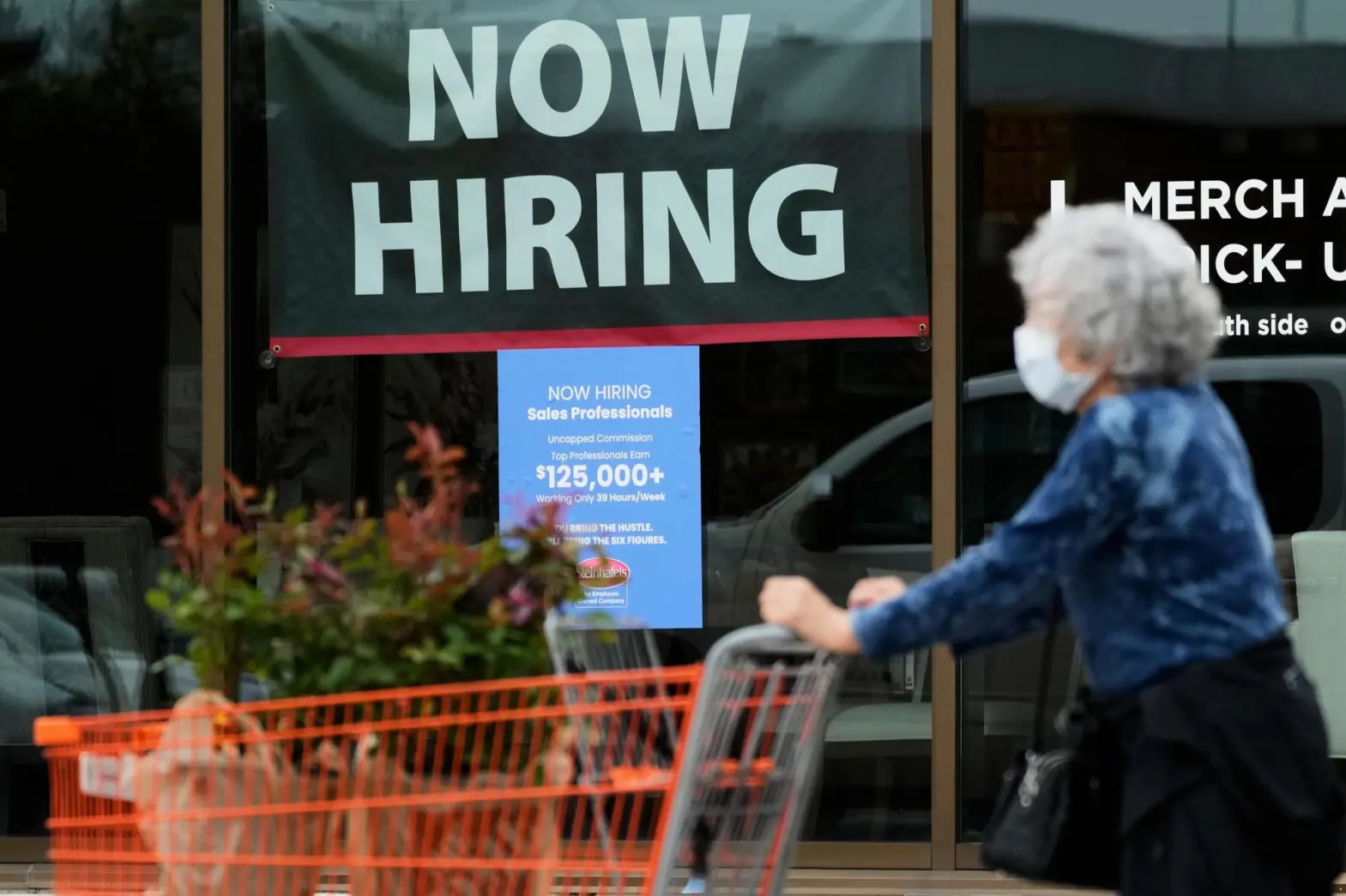
Employment is another major factor shaping voter concerns. A stable job provides income and financial security, while limited hiring can make it difficult for new graduates, unemployed workers, and people seeking better opportunities to improve their circumstances.
The September 2026 US employment report offered a mixed picture. According to reporting on the Bureau of Labor Statistics data, employers added 29,000 nonfarm jobs during the month, and the unemployment rate stood at 4.2%.
These figures suggest that employment conditions need to be considered from more than one perspective. A relatively low unemployment rate can indicate that many people who want jobs are employed, while weak job creation may signal that opportunities for workers seeking new positions are becoming harder to find.
Layoffs and hiring are also different measures. Employers can retain existing workers while reducing recruitment, meaning that established employees may experience reasonable job security even as recent graduates and job seekers face a more difficult market.
Wage growth matters just as much as employment numbers. If earnings rise more slowly than essential expenses, workers can lose purchasing power even when their salaries increase in nominal terms.
During the election campaign, voters may therefore look beyond headline unemployment figures. They may also consider the availability of full-time positions, wage increases, job security, and opportunities for career advancement.
Housing Costs and Interest Rates Affect Household Budgets
Housing is another issue that could influence economic discussions before Election Day. High rents can place pressure on younger workers and families, while expensive home purchases can make it difficult for first-time buyers to enter the property market.
Mortgage interest rates are especially important because they affect the cost of borrowing over many years. Even a relatively small change in a mortgage rate can significantly influence the total amount a buyer pays over the life of a loan.
Interest rates also affect businesses that rely on credit to finance equipment, expansion, or daily operations. Higher borrowing costs can discourage some investments, while lower rates may make certain purchases and projects more affordable.
The Federal Reserve must consider several competing factors when setting monetary policy. Inflation, employment conditions, consumer demand, and financial stability all influence its decisions.
Politicians may criticize the direction of interest rates or propose measures intended to reduce housing expenses. However, the federal government does not directly control every mortgage rate, and housing affordability also depends on construction, local regulations, land availability, and regional demand.
Voters evaluating housing proposals should therefore consider whether candidates address the underlying causes of high costs rather than relying only on broad promises.
Fuel Prices and the Impact of International Conflicts
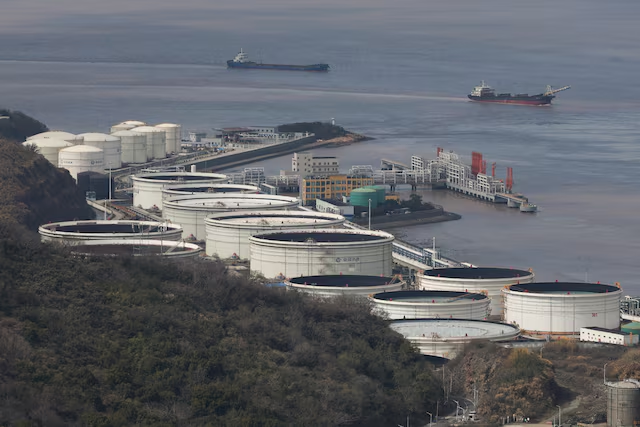
Energy prices connect domestic economic conditions with international events. Changes in oil supply, shipping costs, geopolitical tensions, and market expectations can influence gasoline prices and the cost of transporting goods.
The conflict involving Iran has added another dimension to the economic debate. Security concerns surrounding the Strait of Hormuz are particularly significant because the waterway is an important route for international oil shipments.
Disruptions or threats to shipping can increase uncertainty in energy markets. Depending on the severity and duration of an interruption, higher energy costs may affect motorists, airlines, manufacturers, farmers, and businesses that depend on transportation.
Pew Research Center reported that concern about gasoline and energy prices increased considerably between January and its late-September and early-October survey period. In the October report, 74% of Americans said they were very concerned about these prices.
This concern cuts across political affiliations, although the reported levels differed between Democrats and Republicans.
The issue creates a difficult policy discussion. The administration must consider national security and foreign policy, while households and businesses are concerned about the financial consequences of higher fuel costs.
Candidates may offer different approaches involving domestic energy production, international diplomacy, infrastructure, or energy transition policies. Their proposals should be evaluated against evidence about costs, supply, security, and long-term economic effects.
How Republicans and Democrats Are Approaching Economic Concerns
The economy is important to voters supporting both major political parties, but their priorities and preferred solutions can differ.
Republicans may emphasize tax policy, business investment, domestic energy production, border security, and reducing certain government regulations. Supporters of these approaches often argue that economic growth and private-sector activity can create opportunities and improve living standards.
Democrats may emphasize affordability, healthcare access, worker protections, public investment, and assistance for households facing financial pressure. Supporters of these approaches often argue that economic growth should translate into more broadly shared benefits.
These descriptions summarize common policy themes rather than the position of every candidate. Individual proposals can differ substantially within each party, particularly across states and congressional districts.
The October 8 Pew Research Center report also found differences in the issues that Republican and Democratic voters considered important. Immigration was particularly prominent among Republican voters, while healthcare and the future of democracy received greater emphasis among Democratic voters.
Nevertheless, the economy remained a leading concern for both groups.
This creates a challenge for candidates: they must explain not only what they believe is wrong with the economy but also how their proposed policies would address voters’ specific concerns.
What Economic Issues Could Mean for the Midterm Elections
Midterm elections often serve as an opportunity for voters to assess the performance of the president’s party and the broader direction of national policy.
Because congressional elections determine which party controls the House and Senate, the results can influence legislation, government spending, tax proposals, oversight, and the administration’s ability to advance its agenda.
Economic dissatisfaction can create pressure on incumbent officeholders. However, voting decisions are rarely determined by a single factor. Party loyalty, candidates’ local records, social issues, foreign policy, and perceptions of political leadership can also shape voter behavior.
The effects of economic conditions may vary across regions. A community benefiting from strong employment in one industry may experience the economy differently from a region facing factory closures, rising housing expenses, or limited job opportunities.
Age and income also matter. Young adults may focus on rent, student expenses, and entry-level employment. Families may prioritize childcare, healthcare, and grocery bills. Retirees may be particularly concerned about living costs, savings, and access to medical care.
As a result, national economic averages cannot fully describe the financial experiences of every voter.
Campaigns that understand these differences may devote greater attention to regional concerns and the practical consequences of their policy proposals.
What Should Voters Watch Before November 3?
Several developments could influence economic discussions in the final weeks before the election.
First, upcoming inflation data may provide additional information about the cost of goods and services. Second, employment reports may help clarify whether hiring is strengthening or slowing further. Third, changes in gasoline prices and mortgage rates could affect household confidence.
Developments in the Middle East also deserve attention because changes in regional security can influence energy markets and international trade.
Voters should distinguish between confirmed economic data, political promises, and forecasts. A campaign announcement does not establish that a policy will succeed, and a single economic report does not necessarily reveal a long-term trend.
It is also useful to examine how proposals would be funded, which households would benefit, and whether their effects might differ across industries and income groups.
Reliable information from government statistical agencies, independent research organizations, and reputable news outlets can help voters compare claims and understand the evidence.
Conclusion
The economy is shaping the debate ahead of the November 2026 US midterm elections because financial pressures are part of everyday life. Inflation, housing, healthcare, employment, wages, and energy costs all influence how households evaluate national economic conditions.
Recent survey findings show that economic concerns are widespread among registered voters from both major political parties. At the same time, differences in policy priorities demonstrate that Americans do not necessarily agree on the best solutions.
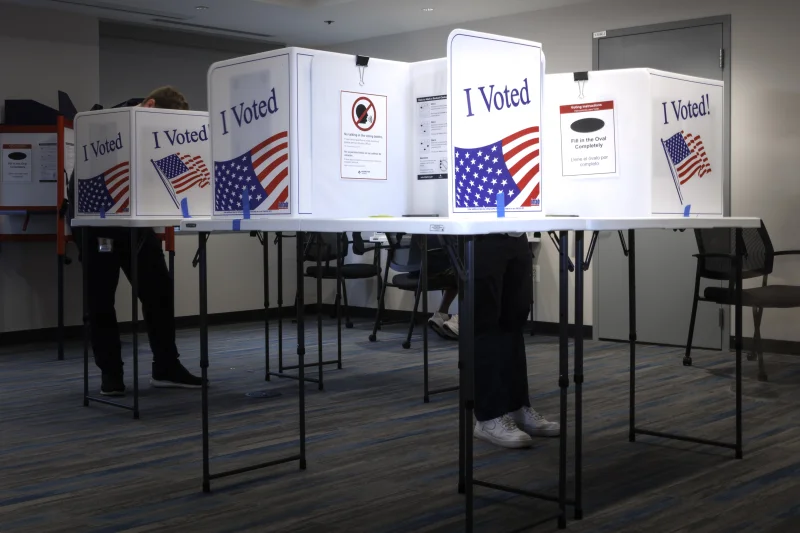
The US midterm elections 2026 will provide an important opportunity for voters to evaluate the economic records, priorities, and proposals of congressional candidates. The results will also influence the political environment in which national economic policies are debated and implemented.
Ultimately, understanding the American economy requires looking beyond a single statistic or campaign slogan. Employment figures, inflation data, household budgets, borrowing costs, and international developments each provide part of the picture.
For voters, the most useful approach is to compare verifiable evidence with candidates’ proposals and consider how different policies could affect their communities over time. That approach offers a clearer foundation for understanding the economic choices facing the country as Election Day approaches.